When drivers ask what is adaptive suspension, they are usually asking how modern cars can feel soft on rough roads and firm during fast cornering. Adaptive suspension uses electronic technology to adjust how the suspension reacts based on road conditions, vehicle speed, and driver input.
From luxury sedans in the United States to high-performance sports cars, adaptive suspension has become an important feature. It helps create a balance between everyday comfort and confident handling without requiring the driver to manually change suspension parts.
After studying modern vehicle systems, one thing becomes clear: adaptive suspension is not just about a smoother ride. It is about giving the vehicle a better connection between the road, the driver, and passenger comfort.

What Is Adaptive Suspension and Why Does It Matter?
Adaptive suspension is an advanced vehicle suspension system that can change its behavior while the car is moving. Traditional suspension systems use fixed springs and shock absorbers that provide one general setup for all driving situations.
The main goal of adaptive suspension is to improve ride comfort, stability, and handling. The system can make the suspension softer when driving over uneven roads and firmer when the vehicle needs more control during acceleration, braking, or cornering.
For many US drivers, this technology is useful because roads can vary widely. A vehicle may travel on smooth highways, city streets with potholes, and winding roads during the same trip.
- ✦ Improved Comfort
The suspension can reduce the impact of bumps and rough surfaces by adjusting how the dampers respond.
- ✦ Better Handling
The system can increase suspension firmness during aggressive driving to improve stability and body control.
- ✦ Automatic Adjustments
Drivers do not need to manually change suspension settings because the system reacts automatically.
How Adaptive Suspension Differs From Normal Suspension
A normal suspension system has fixed characteristics. Engineers must choose a setup that provides an acceptable balance between comfort and performance.
Adaptive suspension removes some of these compromises. Electronic controls allow the vehicle to change suspension behavior depending on the situation.
- ✦ Fixed Suspension
Uses constant shock absorber settings that cannot change while driving.
- ✦ Adaptive Suspension
Uses adjustable components that can change damping levels in real time.
How Does Adaptive Suspension Work?
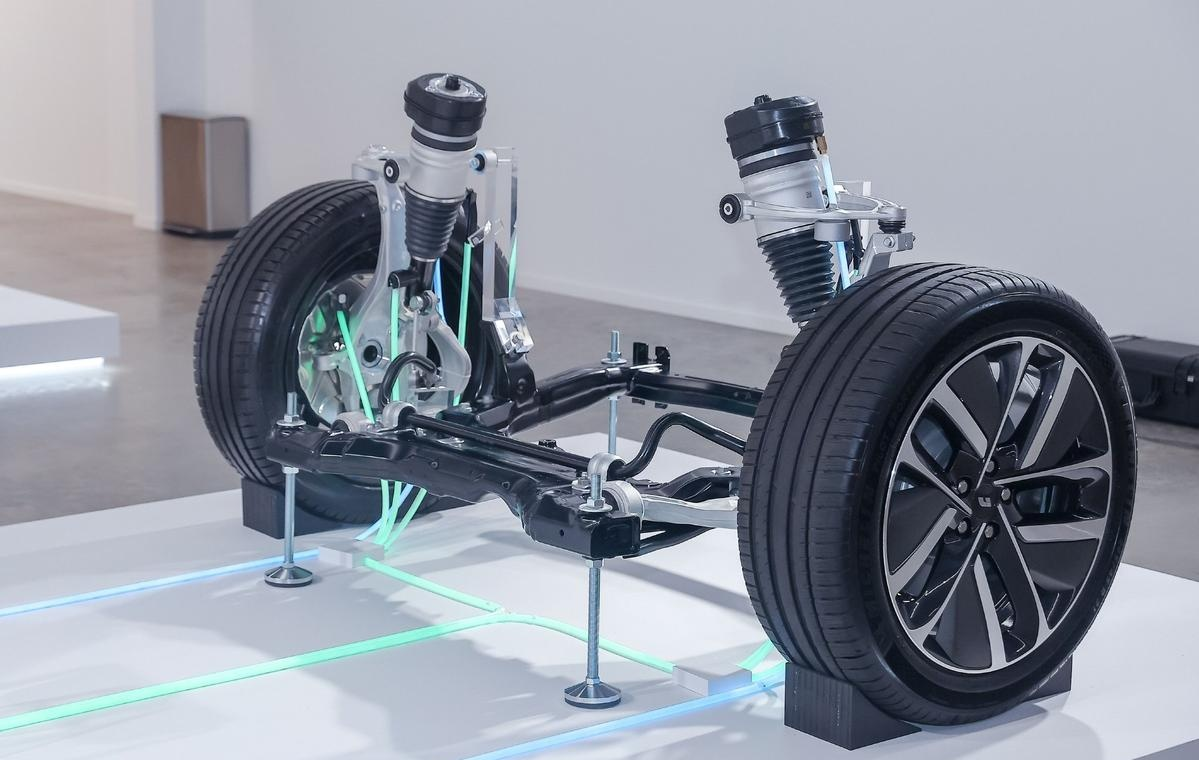
Adaptive suspension works through a combination of sensors, electronic control units, and adjustable dampers. These parts work together to monitor driving conditions and make quick suspension changes.
Sensors measure information such as wheel movement, steering input, vehicle speed, braking force, and body movement. The computer analyzes this data and sends commands to the suspension components.
In many vehicles, these adjustments happen many times per second. This allows the suspension to respond quickly when road conditions or driving behavior changes.
- ✦ Sensors
Sensors collect information about road conditions, vehicle movement, and driver actions.
- ✦ Control Unit
The electronic control module processes sensor data and decides the best suspension setting.
- ✦ Adjustable Dampers
Dampers change resistance levels to create a softer or firmer ride.
The Role of Adaptive Dampers
Adaptive dampers are the key components that allow suspension changes. They control how quickly the suspension compresses and returns after hitting a bump.
By changing damping force, the system can reduce unwanted movement and help keep tires connected to the road.
- ✦ Soft Setting
Provides a smoother ride by allowing more suspension movement.
- ✦ Firm Setting
Provides stronger control for improved handling and cornering.
Types of Adaptive Suspension Systems
Adaptive suspension comes in several forms. Different manufacturers use different technologies depending on vehicle goals, cost, and performance requirements.
Some systems focus mainly on comfort, while others are designed for high-performance driving. Luxury vehicles often combine multiple suspension technologies to create a premium experience.

- ✦ Adaptive Damper Suspension
Uses electronically controlled shock absorbers to change damping force.
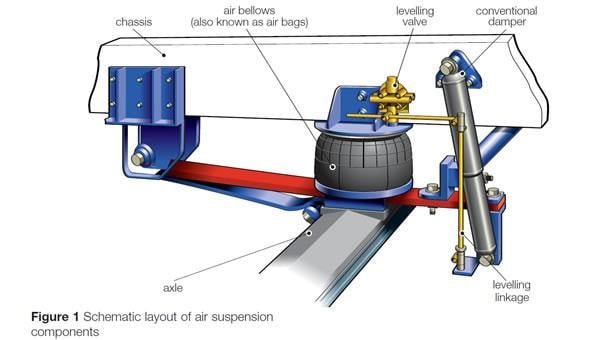
- ✦ Air Suspension
Uses air springs instead of traditional coil springs and can adjust ride height.
- ✦ Magnetic Ride Suspension
Uses magnetic fluid inside dampers to change suspension response quickly.
Active Suspension vs Adaptive Suspension
Adaptive suspension mainly changes damping characteristics. Active suspension goes further by using powered components to control suspension movement directly.
Both systems aim to improve comfort and control, but active suspension technology is usually more complex and expensive.
- ✦ Adaptive System
Adjusts how the suspension absorbs movement.
- ✦ Active System
Can actively move suspension components to control vehicle position.
Benefits of Adaptive Suspension in Modern Cars
The biggest advantage of adaptive suspension is flexibility. A vehicle can provide comfort during normal driving and stronger performance when conditions demand it.
Many drivers notice the difference most when switching between drive modes. A comfort mode may create a relaxed ride, while sport mode may increase suspension firmness for better response.

- ✦ Smoother Daily Driving
Adaptive suspension helps reduce harsh impacts from bumps, cracks, and uneven pavement.
- ✦ Improved Vehicle Stability
The system helps reduce body roll during turns and improves overall control.
- ✦ Multiple Driving Modes
Drivers can select settings that match comfort, efficiency, or performance needs.
- ✦ Better Tire Contact
The suspension helps maintain better contact between tires and the road surface.
Why Luxury and Performance Cars Use Adaptive Suspension
Luxury vehicles use adaptive suspension because customers expect a quiet and comfortable driving experience. Performance cars use it because drivers want precise handling without sacrificing everyday usability.
The technology allows manufacturers to create vehicles that can feel calm during highway travel and responsive on challenging roads.
- ✦ Luxury Focus
Prioritizes comfort, reduced vibration, and a premium ride experience.
- ✦ Performance Focus
Prioritizes sharper handling, quicker response, and improved stability.
Limitations and Maintenance Considerations of Adaptive Suspension
While adaptive suspension offers many benefits, it also has some disadvantages. The system contains more electronic parts and complex components compared with traditional suspension.
Repair costs can be higher because replacement parts and diagnostic procedures are more advanced. Vehicle owners should follow recommended maintenance schedules to protect the system.
Before buying a used vehicle with adaptive suspension, it is wise to check service records and inspect the suspension system carefully.

- ✦ Higher Repair Costs
Advanced suspension components may cost more to repair or replace.
- ✦ More Complex Technology
The system requires electronic controls and specialized diagnostic tools.
- ✦ Regular Inspection Needed
Proper maintenance helps prevent expensive suspension problems.
Is Adaptive Suspension Worth It?
For drivers who value comfort, handling, and advanced vehicle technology, adaptive suspension can be a valuable feature.
However, buyers should consider their driving needs, budget, and long-term ownership plans before choosing a vehicle with this technology.
- ✦ Good Choice For
Drivers who want a flexible combination of comfort and performance.
- ✦ Less Important For
Drivers who mainly need simple transportation with low maintenance costs.