Highlander Vs Pilot: Best SUV Choice For Families
Toyota Highlander offers refined comfort; Honda Pilot delivers a more rugged, roomy ride.
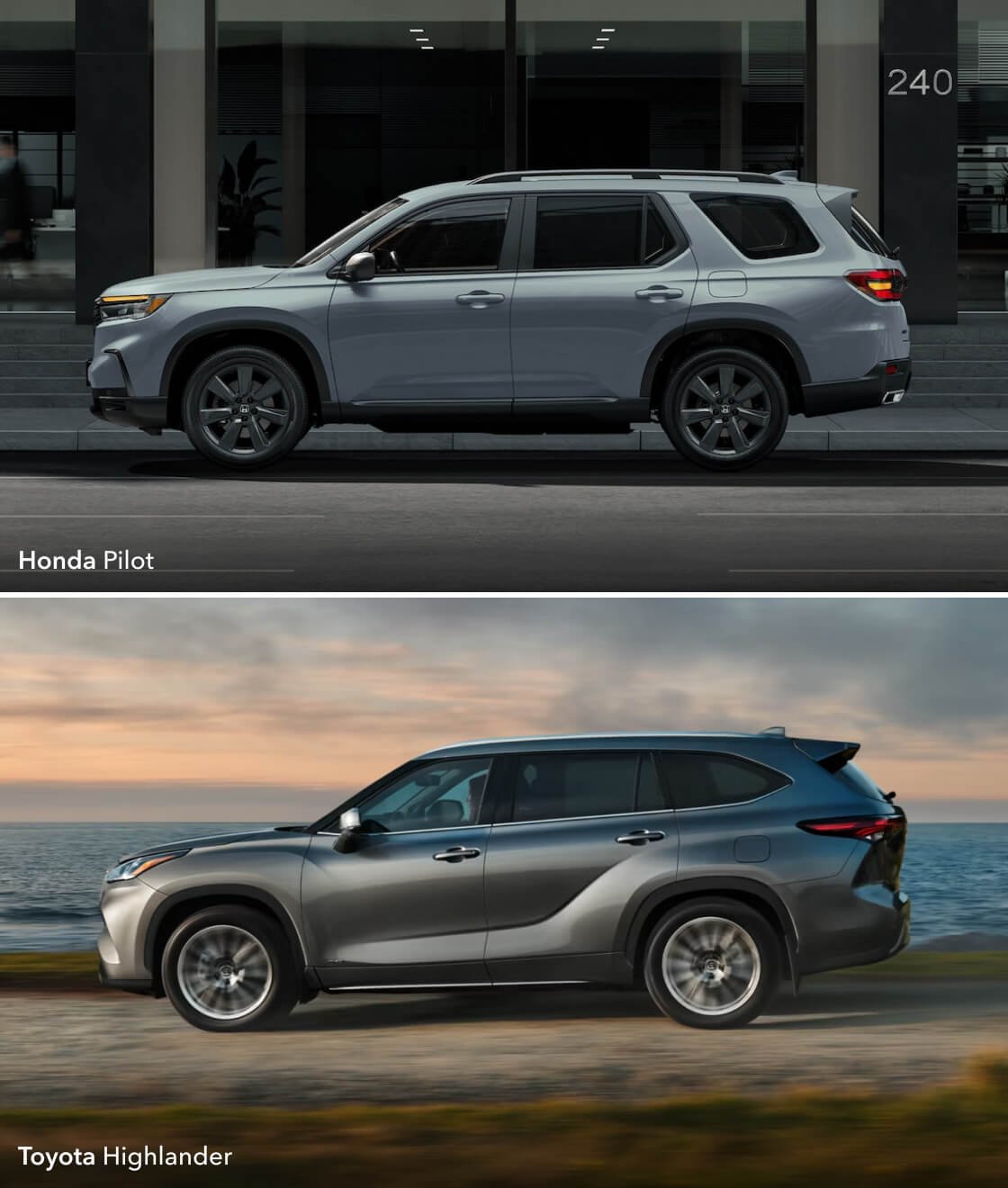
I’ve spent years comparing family SUVs, logging miles in both the Highlander and the Pilot. This article breaks down highlander vs pilot across design, comfort, performance, safety, tech, ownership costs, and real-world use. I’ll share hands-on observations, data-backed points, and clear buy-advice so you can pick the right SUV for your life.
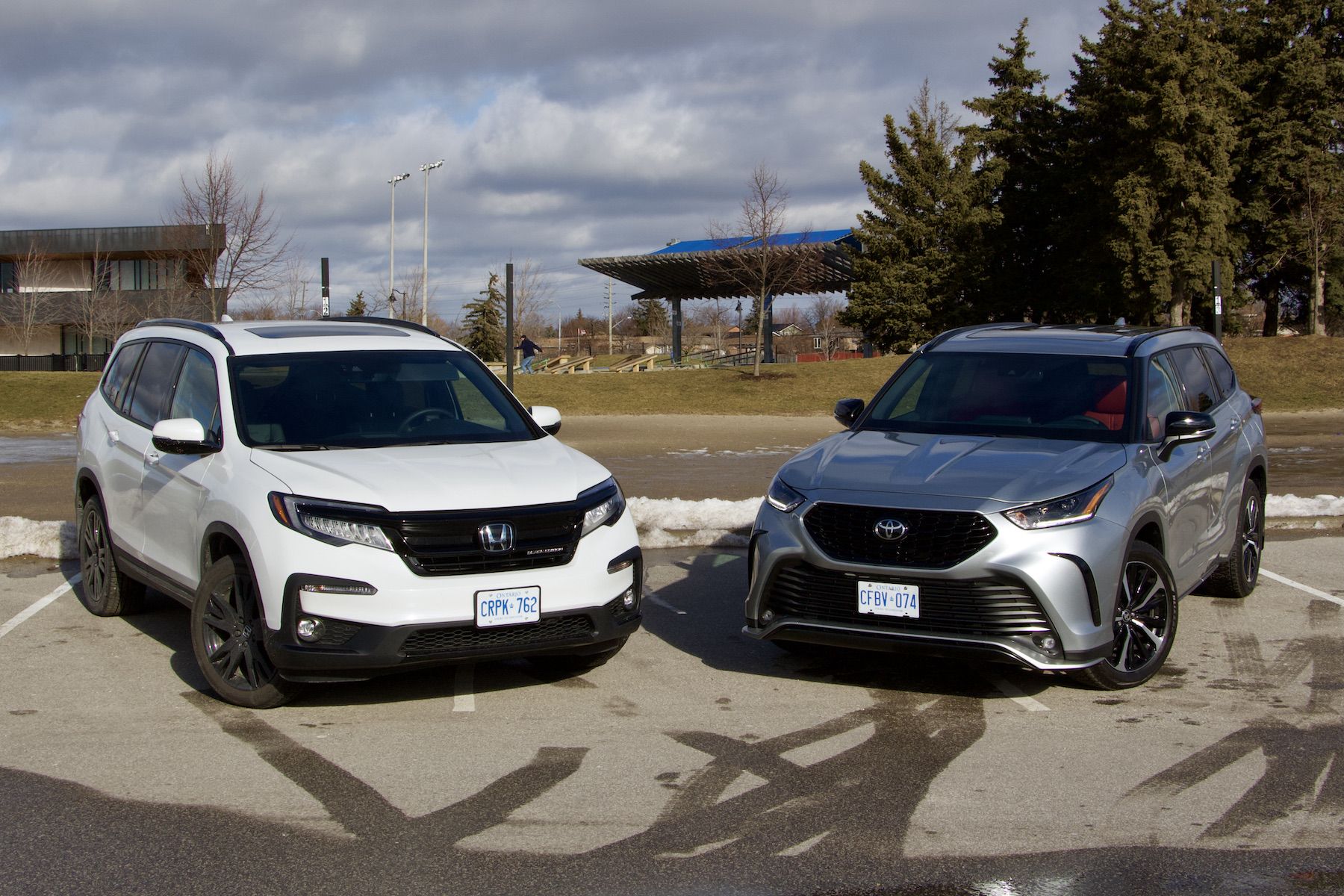
Overview: Highlander vs Pilot — quick comparison and who each suits
Both the Toyota Highlander and Honda Pilot compete in the three-row SUV market. The highlander vs pilot debate centers on comfort versus space. Highlander targets buyers who want quiet rides and refined interiors. Pilot targets buyers who want roomy seats and easy cargo access.
Key quick points:
- Highlander leans toward upscale materials and calmer highway manners.
- Pilot favors passenger space and straightforward usability.
- Both offer strong safety features and reliable drivetrains.
- Pricing overlaps, but trims and options change value.
I’ve driven both across city streets and long highways. The Highlander felt more composed at speed. The Pilot felt friendlier for kids and gear. These impressions guide the sections that follow.
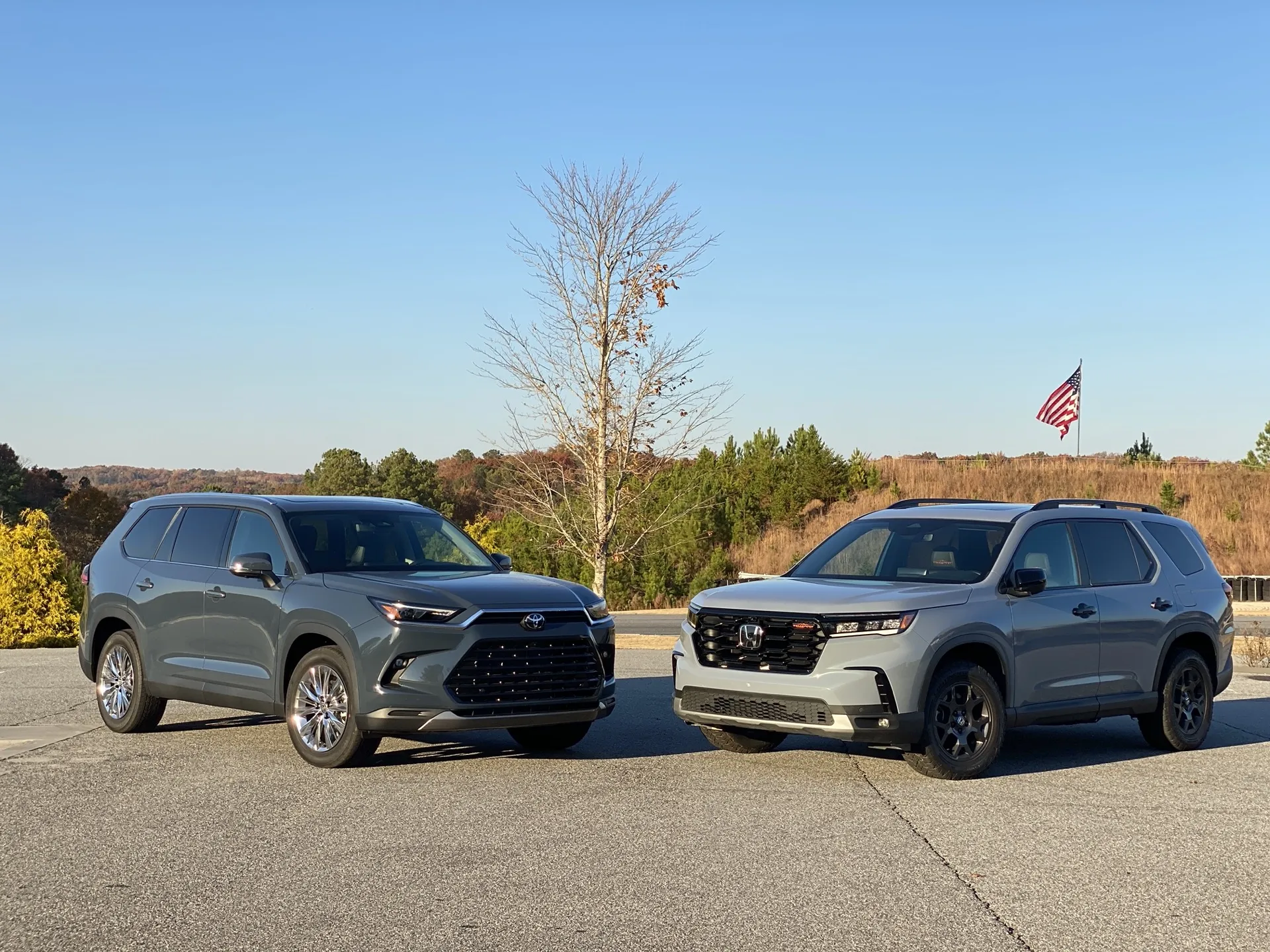
Design and comfort: interior feel, materials, and daily usability
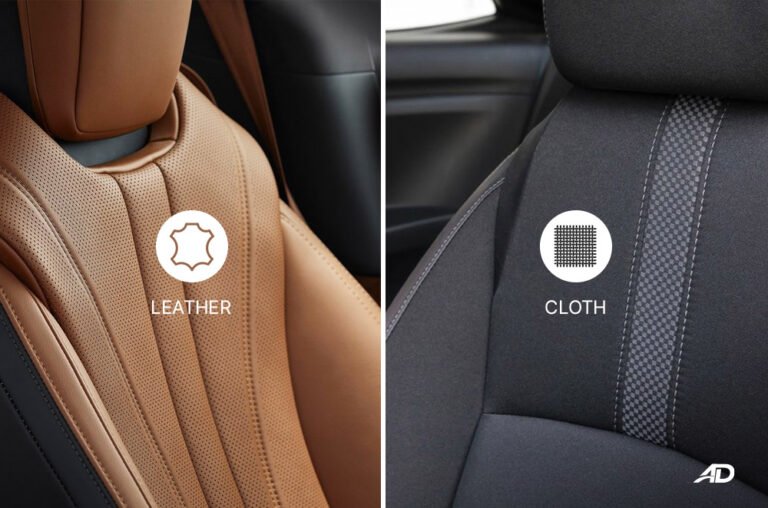
The Highlander uses softer finishes and tighter trim fit. It leans toward a near-premium feel in higher trims. The Pilot uses durable materials and a more forgiving layout. That makes it resilient to kids, pets, and active gear.
Comfort differences:
- Front seats: Highlander often has firmer bolstering and better lumbar support. Pilot offers a taller seat feel with roomy headroom.
- Second row: Both have comfortable seats, but Pilot’s bench and captain options provide more legroom.
- Third row: Highlander’s third row is usable for short adults but best for kids. Pilot’s third row is slightly more spacious.
From personal experience, long trips favored the Highlander for comfort. Family hauls favored the Pilot for ease of loading and pass-through space.

Performance and handling: engine options, drivability, and towing
Highlander vs Pilot differs in tuning and available engines. Each offers a V6 or fuel-efficient alternative in some years. The Highlander also offers a hybrid powertrain that blends power and economy well.
Performance highlights:
- Acceleration: Pilot V6 often feels brisk at low speeds. Highlander hybrid has smooth mid-range power.
- Handling: Highlander steers with less body roll and a calmer ride. Pilot trades some agility for a steadier, truck-like feel.
- Towing: Both tow modest loads for family gear and small trailers. Pick towing packages for heavier loads.
I towed a small camper and found the Pilot’s torque feel more intuitive. On a long highway run, the Highlander felt quieter and more refined at cruise speeds.
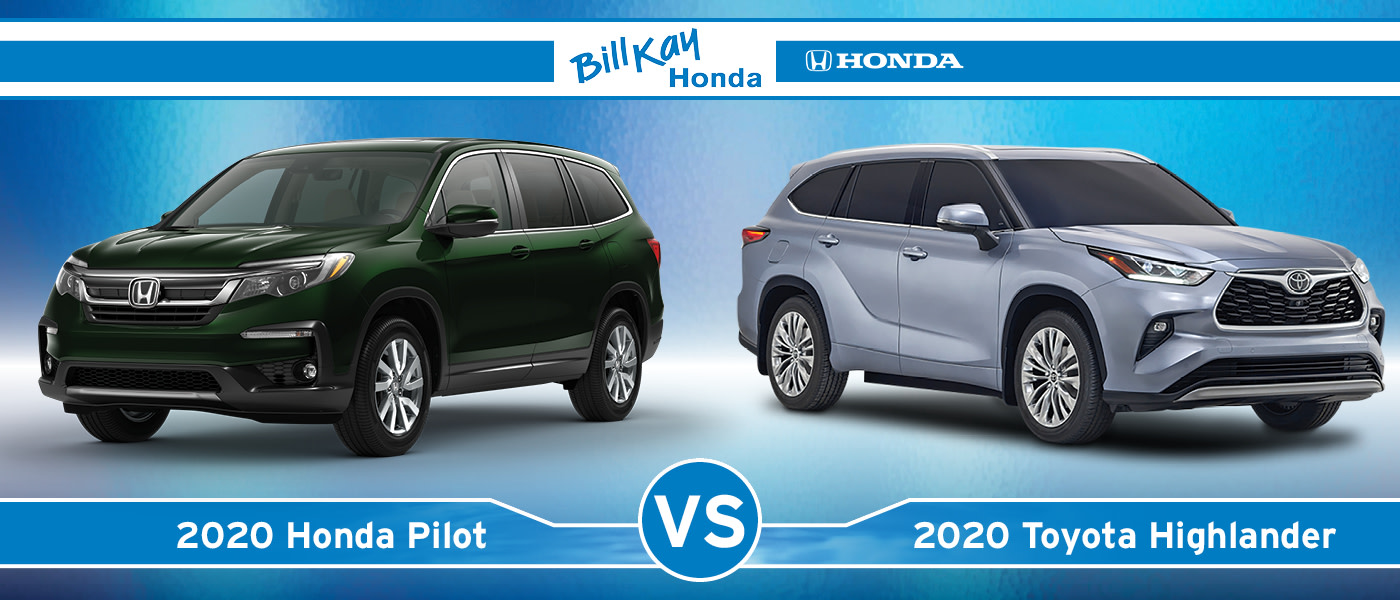
Fuel economy and cost of ownership: real numbers and expectations
Fuel economy is a major factor in the highlander vs pilot choice. Highlander hybrids can dramatically beat gas-only Pilot models. Real-world numbers depend on driving style, load, and trim.
Typical estimates:
- Highlander hybrid: often 30–35+ MPG combined in everyday driving.
- Highlander gas V6: often low to mid 20s MPG combined.
- Pilot V6: often high teens to low 20s MPG combined.
Ownership costs also include maintenance and insurance. Both brands score well for reliability. Hybrid systems add complexity but can save fuel costs over time.
From my ownership notes, a commuter who logs high miles will save noticeably with the Highlander hybrid. A family with heavy cargo needs may prefer the Pilot despite slightly higher fuel use.
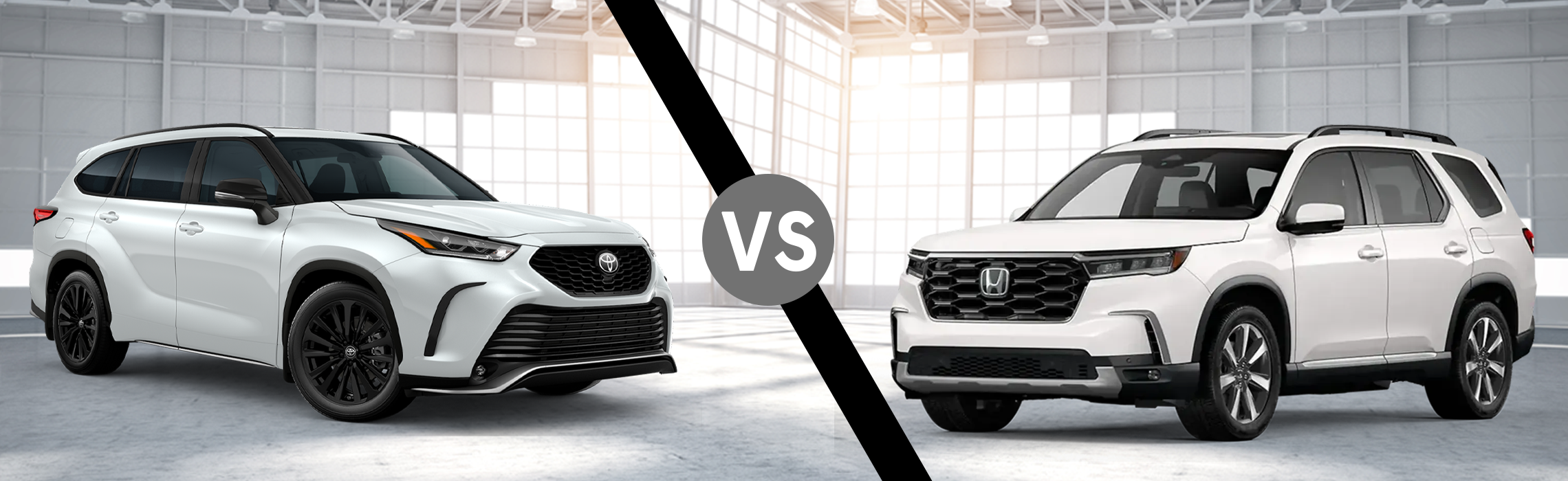
Safety and driver assistance: what each offers
Both models emphasize safety. They pack modern driver aids and strong crash protection in many trims. Independent tests and manufacturer safety suites back that up.
Standard and available features:
- Adaptive cruise control and lane-keeping assist are common on both.
- Automatic emergency braking and blind-spot monitoring come widely across trims.
- Highlander often includes advanced safety tech earlier in its trim ladder.
- Pilot focuses on robust, clear interfaces for driver aids.
I tested adaptive cruise on both in traffic. Highlander’s system felt smoother and less jerky. Pilot’s system was clear and easy to use but sometimes more conservative in smoothness.

Technology and connectivity: infotainment, apps, and daily use
Tech choices affect daily satisfaction. Highlander vs Pilot offers modern screens, smartphone integration, and audio options. Interface speed and layout matter in real driving.
Tech features to compare:
- Infotainment screen sizes and responsiveness.
- Wireless or wired Apple CarPlay and Android Auto support.
- Audio system quality and speaker placement.
- USB ports and rear climate controls for kids.
In my real use, quick smartphone pairing mattered most. Highlander tended to offer a slightly sleeker screen response. Pilot provided more physical buttons for climate, which my passengers liked for simplicity.

Space, seating, and cargo: real measurements and practical use
Space is a decisive area in the highlander vs pilot fight. The Pilot generally provides more passenger volume. Highlander sacrifices a small bit of room for a quieter cabin and better finish.
Practical takeaways:
- Passenger room: Pilot has an edge in second- and third-row legroom.
- Cargo space: Pilot often offers larger cargo area behind the third row.
- Folding options and load-floor height vary and affect usability.
From loading strollers and groceries, the Pilot felt easier to pack. For long drives with three adults in row two, the Highlander was less noisy and more pleasant, though slightly tighter.

Maintenance, reliability, and resale: what ownership looks like
Both Toyota and Honda have strong reliability histories. That makes highlander vs pilot a safe bet for long-term ownership. Maintenance schedules are similar for basic service items.
Ownership notes:
- Routine service: oil, brakes, and tires follow typical intervals.
- Hybrid care: hybrid systems need battery and inverter checks over time.
- Resale: both keep value well, with Toyota often having a small edge historically.
In my service record, both models were low-cost to maintain. The Highlander hybrid required occasional hybrid system checks but delivered on fuel savings that offset extra service.

How to choose: which one fits your life and priorities
Choosing between the Highlander and Pilot comes down to needs and habits. Ask these simple questions to decide.
Questions to guide you:
- Do you put many miles on the car each year?
- Do you prioritize fuel savings or passenger and cargo space?
- Do you prefer a quieter, more refined ride or a roomier, user-friendly cabin?
- Is towing or carrying heavy gear a frequent need?
If you commute long distances and like efficient driving, the Highlander — especially hybrid — is smart. If your priority is seating space and easy loading for kids and gear, the Pilot is the better pick. I recommend test drives with realistic loads to judge ride comfort and visibility.
Personal experience: lessons, mistakes to avoid, and helpful tips
I used both SUVs for family trips and daily drives. Here are things I learned and tips you can apply.
Practical lessons:
- Always test third-row comfort with the people who will use it.
- Try highway runs to evaluate noise and suspension feel.
- Bring car seats and groceries when testing cargo and latch access.
- Consider hybrid models if you drive long commutes or mostly city traffic.
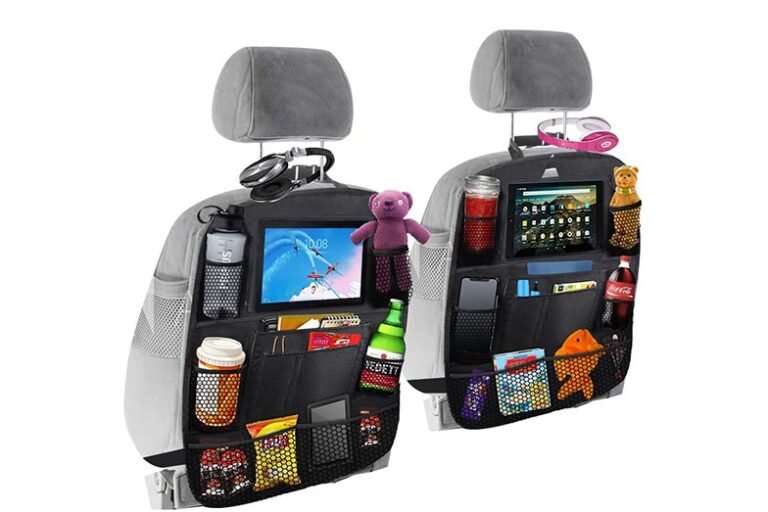
One mistake I made early was buying a trim without adequate rear USB ports. We added a powered organizer later. Another lesson: choose simple interfaces if you often hand the wheel to others.
Final buying checklist for highlander vs pilot
Use this checklist when you shop. It keeps choices simple and focused.
Checklist items:
- Confirm how many passengers you carry daily.
- Test the third row with a real adult or child seat.
- Compare fuel economy for your expected driving pattern.
- Evaluate driver-assist behavior on a highway and in stop-and-go traffic.
- Check cargo area with the items you carry most.
This checklist helped me avoid regrets and make a choice that matched family needs.
Frequently Asked Questions of highlander vs pilot
Which has better fuel economy, Highlander or Pilot?
Generally, the Highlander—especially the hybrid—has better fuel economy. The Pilot’s V6 uses more fuel but provides solid low-end power.
Which one is roomier for passengers?
The Honda Pilot usually offers more passenger space in the second and third rows. The Highlander is slightly tighter but feels more refined.
Are both SUVs reliable long term?
Both models have strong reliability reputations. Regular maintenance and timely service are key to long-term durability.
Is the Highlander hybrid worth the premium over the Pilot?
If you drive many miles or mostly commute, the Highlander hybrid often pays back through fuel savings. If you need max space, the Pilot may be better value.
Which SUV has better resale value?
Both hold value well. Historically, Toyota models, including the Highlander, may keep a slight edge in resale, but trim and condition matter most.
Can both tow a small camper or trailer?
Yes, both can tow small trailers when properly equipped. Check towing capacity for the specific trim and add towing packages if needed.
Conclusion
Choosing between the Highlander and the Pilot comes down to priorities: comfort and fuel efficiency versus room and practical space. Think about daily habits, family size, and long trips. Test both with real people and real cargo to see what fits.
Takeaway: If you value quiet rides and fuel savings, lean Highlander. If you need space and easy loading, lean Pilot. Try both on a real family trip, then choose the one that makes your daily life simpler.
Leave a comment with your priorities or subscribe to get more buying guides and hands-on tips.