How Long Car Batteries Usually Last: Lifespan, Signs, Tips
Most car batteries last between three and six years with normal driving and care.
I’ve spent years working with cars, testing batteries, and advising drivers on when to replace them. This guide explains how long car batteries usually last, what shortens their life, how to test them, and practical tips to make them last longer. Read on for evidence-backed advice and hands-on tips you can use today.
What determines car battery life?
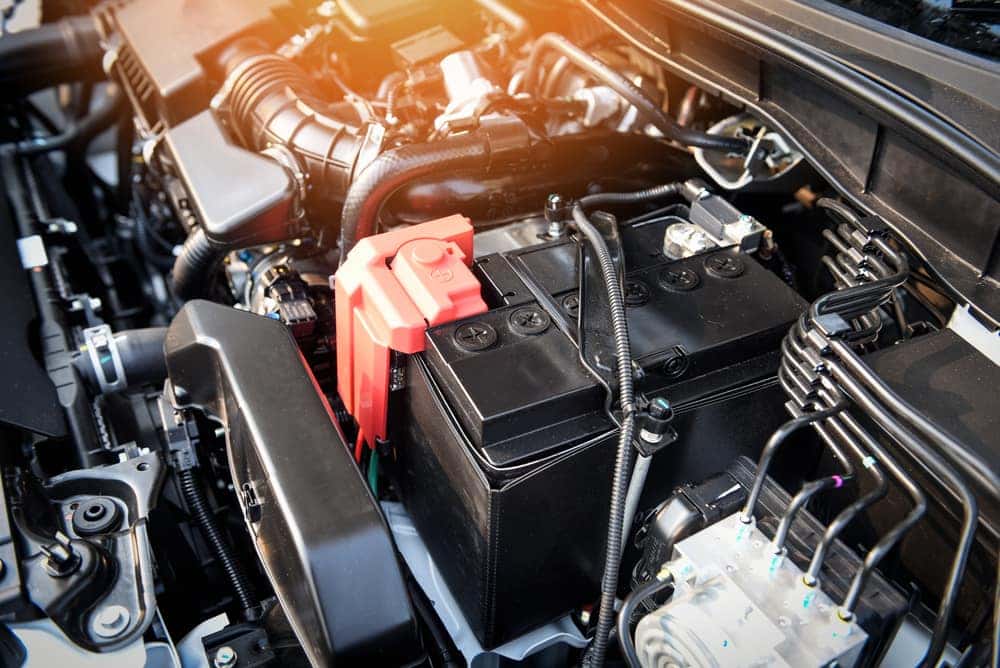
Several key things decide how long car batteries usually last. Battery chemistry, manufacturing quality, and the electrical load from your car all matter. Driving patterns, climate, and how often the battery is charged or drained also change lifespan. I’ve seen identical batteries last very different lengths of time merely because of where and how they were used.

Typical lifespan by battery type
Different battery types have different expected lives, and that affects how long car batteries usually last.
- Lead-acid (flooded) — These are common and usually last three to five years under normal use.
- AGM (Absorbent Glass Mat) — Higher-end cars often use AGM; expect four to six years in many climates.
- EFB (Enhanced Flooded Battery) — Found in some start-stop systems; typically lasts three to five years.
- Lithium-ion (starter batteries in some EVs/hybrids) — They can last much longer, often six to ten years, but cost more.
- Deep-cycle batteries — Used in RVs or marine use; life varies with discharge depth but often lasts two to five years.
Factory specs and real-world tests both show variation, so check your owner’s manual and monitor battery health.

Common factors that shorten battery life
Understanding what reduces lifespan helps you avoid avoidable failures and learn how long car batteries usually last in real use.
- High heat — Heat speeds chemical wear inside the battery and can cut life by up to half in hot climates.
- Frequent short trips — The alternator may not fully recharge the battery, causing gradual sulfation.
- Deep discharges — Letting a starter battery drop too low repeatedly damages cells.
- Parasitic drains — Faulty electronics or devices left plugged in slowly drain batteries.
- Corrosion and poor connections — Bad terminals reduce charging efficiency and increase strain.
I once replaced three batteries in two years on a car used for many 5–10 minute errands in a hot city. After changing driving habits, the next battery lasted nearly five years.

How to test and diagnose battery health
Testing tells you where you stand and helps predict how long car batteries usually last for your vehicle.
- Visual check — Look for bulging, leaks, heavy corrosion, or loose terminals. These are clear signs to replace the battery.
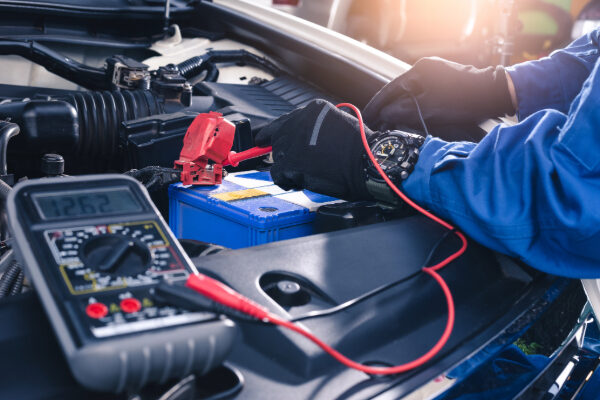
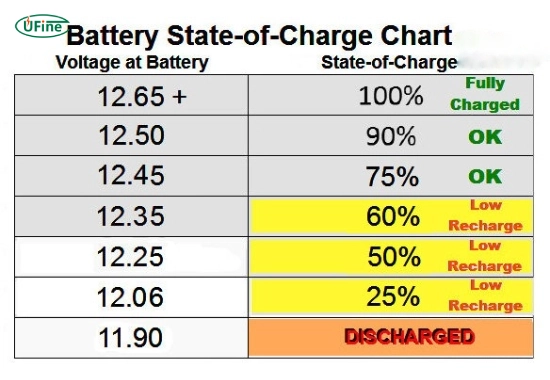
- Resting voltage — A healthy, fully charged 12V battery should read about 12.6 volts at rest. Lower readings suggest reduced capacity.
- Load testing or CCA check — Cold cranking amps (CCA) and load tests simulate starting demands. A failing battery shows large voltage drops under load.
- State of Health (SoH) diagnostics — Many shops and handheld testers provide a percent health number that estimates remaining life.
I use a handheld tester during routine service calls. It quickly shows whether the battery has 80 percent or less life left, so owners can plan a replacement before a no-start. Always recheck after cleaning terminals to avoid false failures.
Maintenance tips to extend battery life
Small steps add up and change how long car batteries usually last for you.
- Drive regularly and for longer trips when possible — This keeps the battery fully charged.
- Clean and tighten terminals every 6 months — Good connections improve charging efficiency.
- Avoid heat when you can — Park in shade or a garage to reduce thermal stress.
- Turn off accessories when idling — Lights and audio can drain the battery during short stops.
- Use a smart charger for infrequent drivers — A trickle or float charger keeps the battery healthy in storage.
- Address parasitic drains promptly — Use a multimeter or a shop to find and fix draws over time.
From experience, owners who follow these simple steps often see batteries last two years longer than those who don’t. Small habits prevent many roadside surprises.

When to replace your car battery?
Knowing the right time to replace the battery prevents being stranded and helps budget for repairs.
- Age rule — Replace a typical lead-acid battery at about four to five years in temperate climates; sooner in hot areas.
- Symptom rule — If you notice slow cranking, dim lights, or frequent jump starts, it’s time to test and likely replace the battery.
- Test rule — If a professional tester shows state of health below 70 to 80 percent, plan replacement within months.
- Preemptive rule — Replace before a long trip or before winter if the battery is near its expected end.
I recommend replacing at the first clear sign of aging rather than waiting for failure. A planned swap is cheaper and less stressful than an emergency.
Frequently Asked Questions of how long car batteries usually last
What is the average lifespan of a car battery?
Most car batteries last between three and six years, depending on type and conditions. Hot climates and short trips tend to shorten life.
Does cold weather shorten battery life?
Cold weather reduces capacity temporarily and makes starting harder, but heat causes more permanent damage. Batteries still fail in winter, so check age and health before the cold season.
Can I extend my battery life with maintenance?
Yes. Regular cleaning, full charging, and limiting short trips help extend battery life. Using a smart charger when parked long-term also preserves capacity.
How do I know if my battery is failing?
Look for slow cranking, dim lights, dashboard warning lights, or frequent need for jump starts. A load test or SoH reading from a tester confirms failure.
Is it safe to drive with an old battery?
You can drive short distances with an old battery, but it risks leaving you stranded. Replace batteries that show clear age-related decline or fail diagnostic tests.
How often should I test my battery?
Test annually for batteries under three years old and twice per year for batteries older than three years. Test before major trips or after electrical issues.
Conclusion
Understanding how long car batteries usually last helps you plan, avoid surprises, and save money. Batteries commonly last three to six years, but type, climate, driving habits, and care change that window. Do basic maintenance, test regularly, and replace a weak battery before it fails to keep your car reliable. Take action today: check your battery age, run a quick test, and schedule a replacement if it’s near the expected end of life. Leave a comment with your battery experience or subscribe for more practical auto care tips.




One Comment