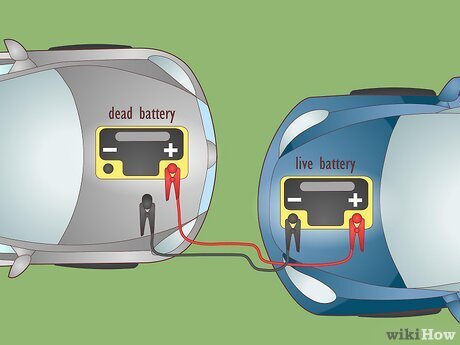
Jump Starters For Dead Car Batteries Explained: Quick Guide
A portable jump starter revives a dead car battery quickly, safely, and without another car.
I’ve spent years testing and using roadside gear, and I’ll walk you through jump starters for dead car batteries explained with clear, practical advice. This guide breaks down how jump starters work, which types suit your needs, safe step-by-step use, maintenance tips, and buying guidance so you can pick the right unit with confidence.

How jump starters for dead car batteries explained work
Jump starters for dead car batteries explained start with a charged battery pack. The pack sends current through heavy cables to the car battery. That current raises the car battery voltage enough to power the starter and crank the engine. Once the engine runs, the alternator takes over and recharges the battery. This simple flow makes jump starters fast and reliable roadside tools.
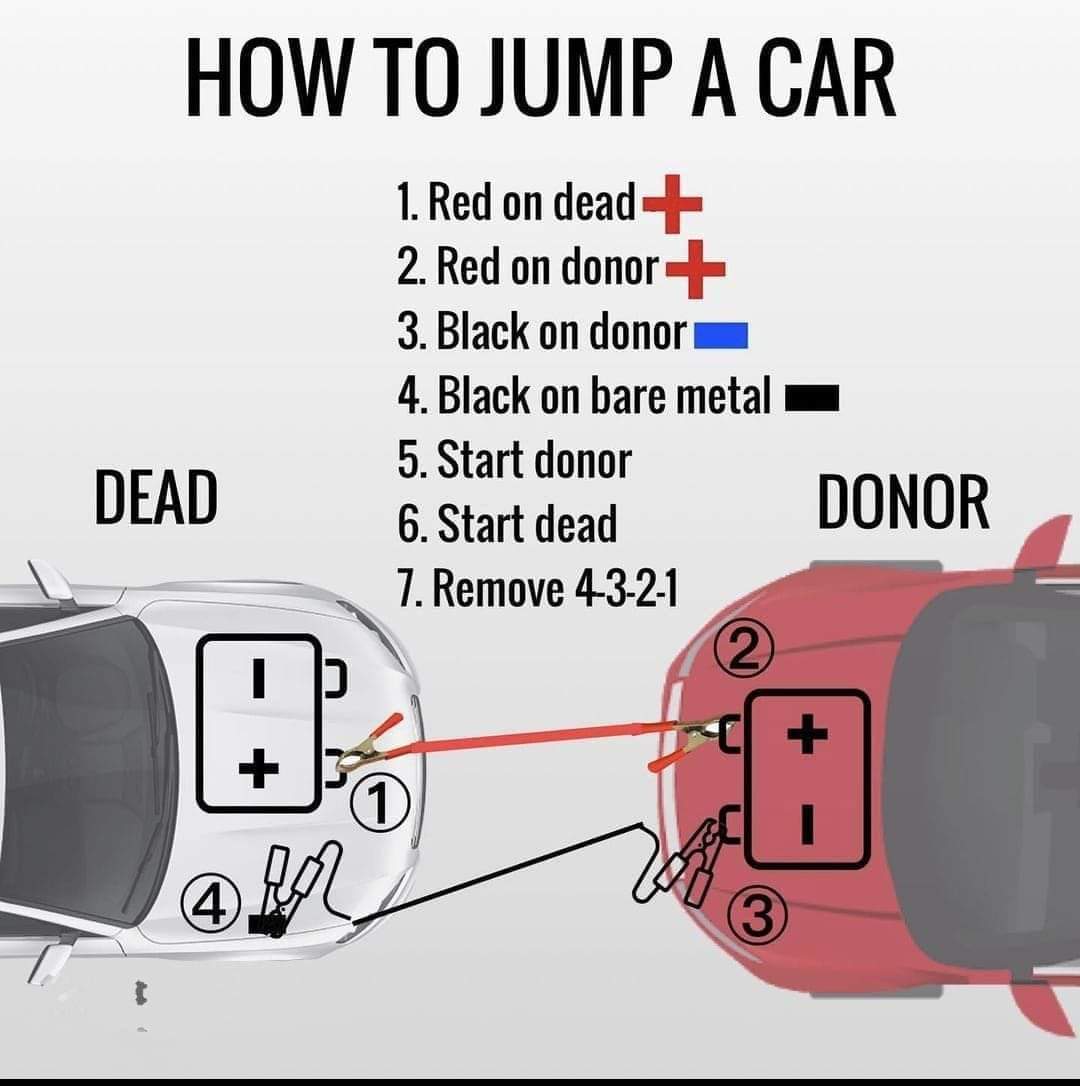
Types of jump starters for dead car batteries explained
There are three common types you’ll see on the market:
- Portable lithium jump starters — Small, light, and powerful; they fit in a glove box or trunk and handle most modern cars.
- Lead-acid portable starters — Heavier but usually less expensive and rugged for repeated, heavy use.
- Jump packs with air compressors and power outlets — Multi-function units useful for tires and charging devices.
Choosing among these comes down to vehicle type, frequency of use, and budget. I used lithium packs for personal cars and a lead-acid pack in the shop; both have clear roles.

How to choose the right jump starters for dead car batteries explained
Focus on these specs when comparing models:
- Peak amps — Higher peak amps help with large engines and cold starts; aim for 400–1000 amps for most cars and trucks.
- Cranking amps or instant current — Shows the real power available to start the engine.
- Battery capacity (mAh or Wh) — Larger values mean more starts per charge.
- Safety features — Reverse polarity protection, spark-proof clamps, and built-in fuses reduce risk.
- Size and weight — Plan where you’ll store the unit and how easy it is to carry.
My advice: pick a unit with safety features and enough amps for your vehicle. For SUVs and light trucks, choose higher peak amps.
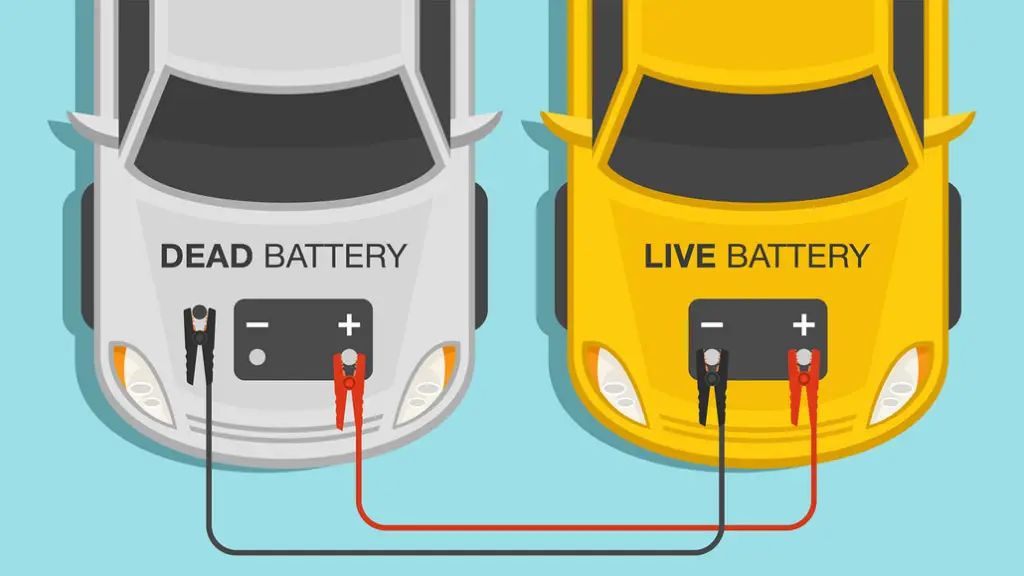
Step-by-step: using jump starters for dead car batteries explained safely
Follow these steps every time to reduce risk:
- Turn off the car and all accessories before connecting the pack.
- Connect positive clamp to the battery’s positive terminal and negative clamp to a clean metal ground away from the battery.
- Verify clamps are secure and not touching each other.
- Power on the jump starter, then attempt to start the car.
- Once the engine runs, switch off the jump starter and remove clamps in reverse order, starting with the negative.
I once jumped a car without grounding correctly and got sparks; that mistake made me strict about grounding every time. Proper sequence and safety gear lower risk and protect electronics.

Maintenance and care for jump starters for dead car batteries explained
Keep your jump starter reliable with simple steps:
- Charge the unit after use and top it up every 3 months if unused.
- Store in a cool, dry place away from extreme heat or cold.
- Inspect clamps and cables for corrosion or frayed wires before each use.
- Replace the jump starter battery when performance drops or after the manufacturer’s recommended lifespan.
I learned to keep a small maintenance log in my glove box. It saves stress when you need the pack on a long trip.
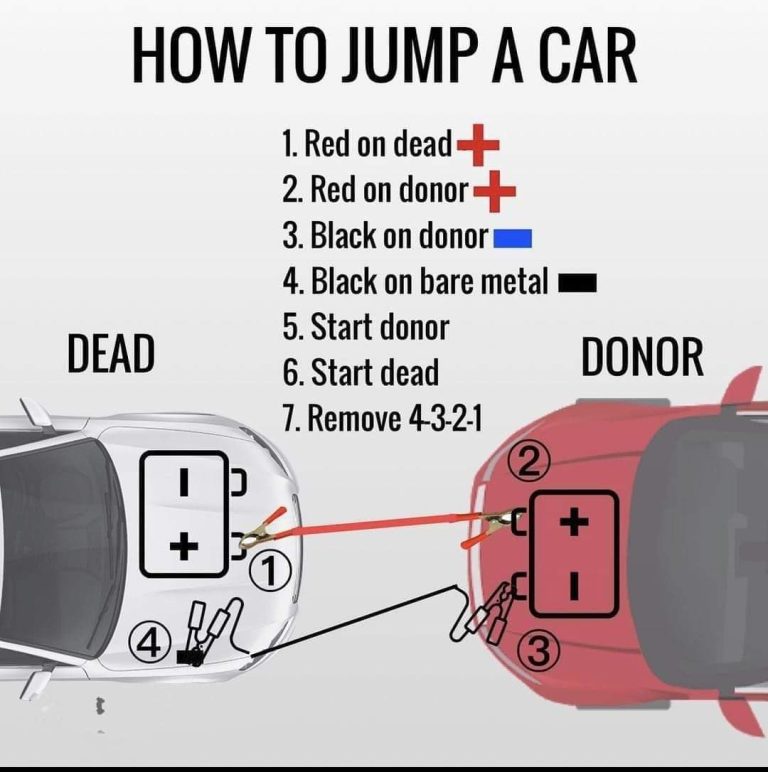
Common problems and troubleshooting jump starters for dead car batteries explained
If your jump starter doesn’t start the car, try these checks:
- Confirm the jump starter is fully charged and the on/off switch is engaged.
- Ensure clamps have a good connection and are free of corrosion.
- Verify the vehicle’s battery hasn’t failed entirely — a damaged battery may not accept a jump.
- Check for blown fuses or internal protection mode on the jump starter.
Some cars have sensitive electronics and may need a longer connection time. If multiple attempts fail, tow to a shop to avoid damaging the vehicle electronics.

Safety and electronic concerns with jump starters for dead car batteries explained
Modern cars use sensitive computers. Follow these precautions:
- Avoid reversing clamps; many packs have reverse-polarity protection but don’t rely on it.
- Keep the jump starter away from battery acid and sparks.
- Use the manufacturer’s guidelines for vehicles with start-stop systems, hybrids, or micro-hybrid battery setups.
- If unsure, consult the vehicle manual or a technician before using a jump starter.
I once helped on a hybrid where a wrong procedure caused an instrument error; double-check the car’s manual for special instructions.
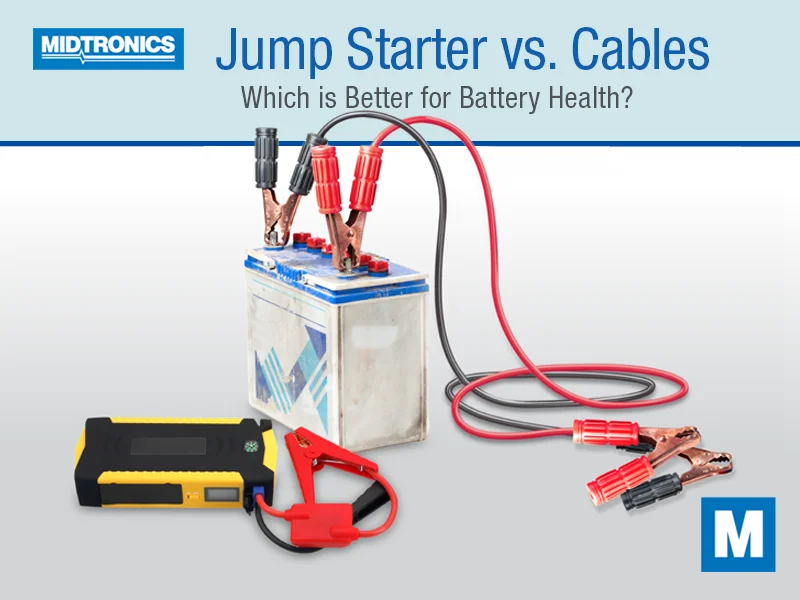
Buying guide: features to prioritize for jump starters for dead car batteries explained
Look for these practical features when shopping:
- High peak and cranking amps matched to your vehicle size.
- Built-in safety features like reverse polarity and surge protection.
- USB ports or 12V outputs for emergency device charging.
- Compact design, durable case, and long warranty.
- Clear LED or digital charge indicators and included charger.
Spending a bit more on a well-built unit often saves money and trouble later. I prefer units with clear indicators and a robust warranty.

Personal tips and lessons learned about jump starters for dead car batteries explained
From years on the road and in the shop, these tips matter:
- Keep a jump starter in every frequently used car, not just one for the household.
- Charge the pack before long trips and after any use.
- Practice connecting and starting at home so you’re calm during real stops.
- Buy a compact flashlight and gloves to keep with the jump starter.
Those small habits make roadside emergencies less stressful and faster to resolve.
Frequently Asked Questions of jump starters for dead car batteries explained
How long does a jump starter hold a charge?
Most lithium jump starters hold charge for 3 to 12 months, depending on model and storage temperature. Regular topping-up every few months keeps them ready for use.
Can a jump starter damage my car’s electronics?
When used correctly, modern jump starters are safe thanks to built-in protections. Incorrect use, such as reversing clamps, can cause damage, so follow directions carefully.
How many times can a jump starter start a car on one charge?
This depends on the unit’s capacity; small packs may give 2–5 starts, while larger packs can do 10 or more starts. Manufacturers list estimated starts per charge in specs.
Is a lithium jump starter better than lead-acid?
Lithium units are lighter, recharge faster, and hold charge longer. Lead-acid units can be cheaper and better for heavy, repeated use, but they are bulkier.
Can jump starters be used on motorcycles or boats?
Yes, many small jump starters work for motorcycles and small boats, but always match the amp rating to the engine size and follow safety guidance.
Conclusion
Understanding jump starters for dead car batteries explained gives you real independence on the road. With the right unit, safe habits, and basic maintenance, you can handle most dead-battery situations quickly and confidently. Take action: choose a jump starter that matches your vehicle, keep it charged, and practice using it so an emergency never catches you off-guard. Share your experiences, ask questions below, or subscribe for more hands-on automotive gear advice.



One Comment