Rogue Vs Crv: Which Compact Suv Is Right For You
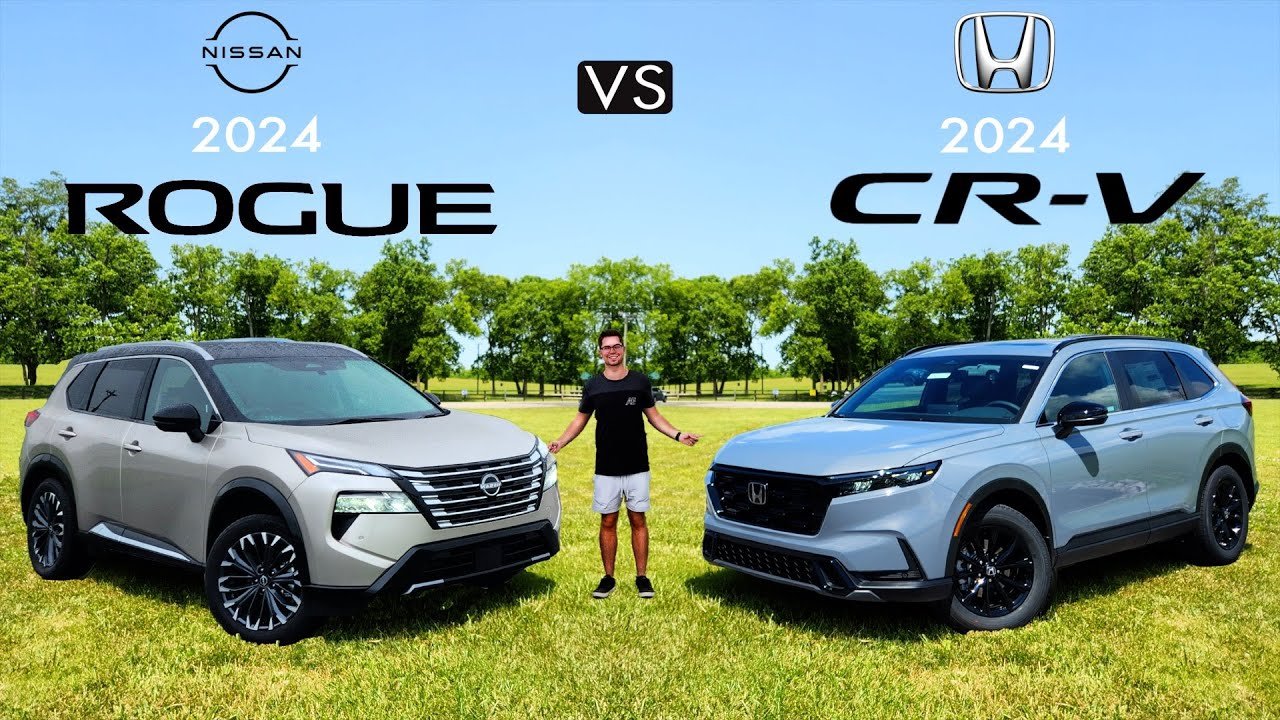
Rogue vs CRV: Rogue leans comfort and tech, CR-V leans efficiency and driving feel.
I’ve spent years testing compact SUVs and helping buyers decide. This deep, friendly guide on rogue vs crv walks you through design, comfort, performance, tech, costs, and real-world ownership tips. Read on to get clear, trustworthy advice so you can pick the right daily driver.
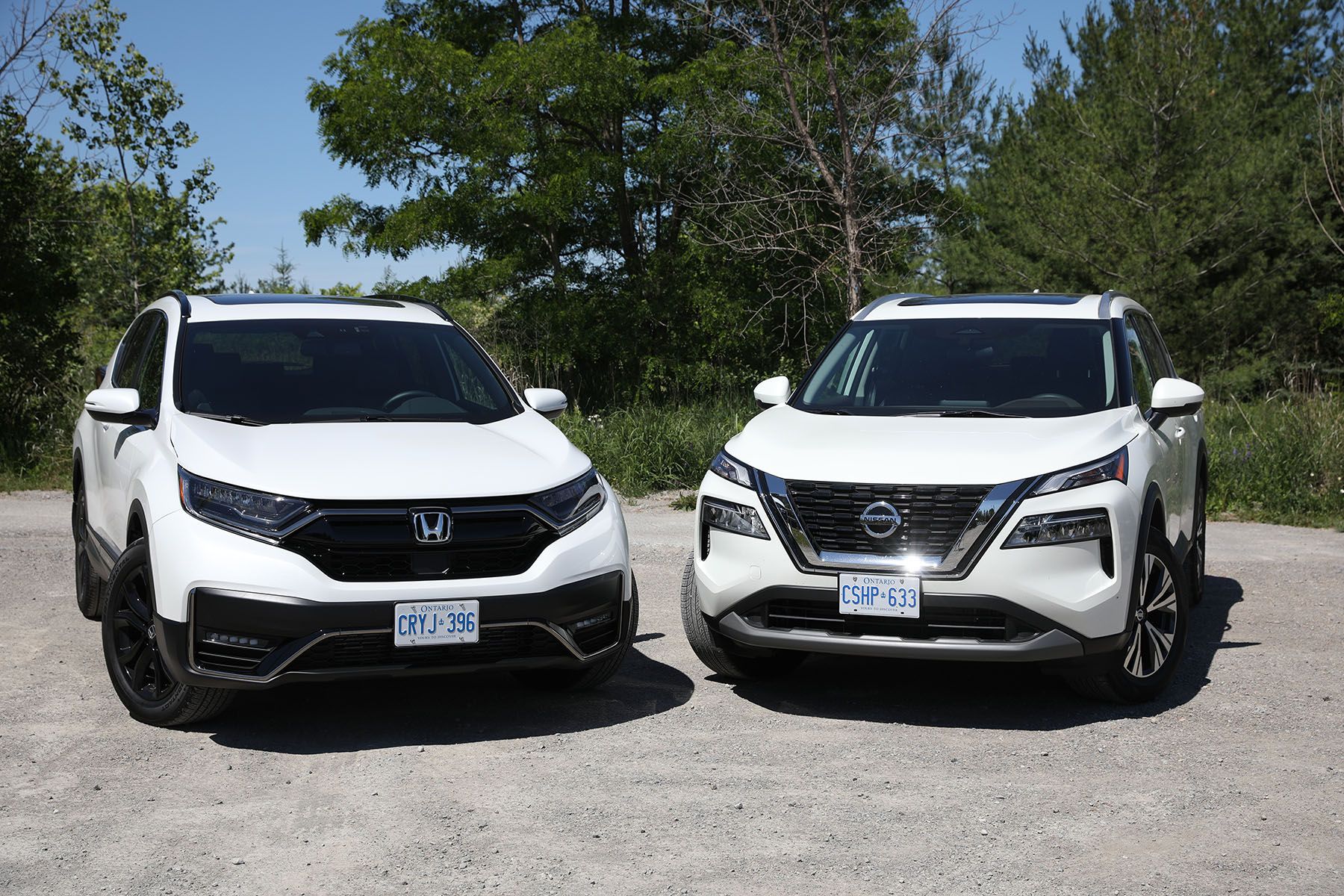
Quick overview: rogue vs crv
Choosing between rogue vs crv is about priorities. The Rogue often emphasizes a cushy ride, plush interior, and user-friendly tech. The CR-V focuses on driving dynamics, fuel efficiency, and roomy practicality. Both are top contenders in the compact SUV segment and score well for safety, comfort, and value.

Design and interior: comfort, materials, and ergonomics
When comparing rogue vs crv, interior feel matters. The Rogue tends to have softer surfaces and a cozier cabin feel. The CR-V usually offers a simple, airy layout with well-placed controls and roomy rear seats.
Key interior differences to watch
- Seating comfort: Rogue favors softer seats for long drives. CR-V offers firmer support that helps on twisty roads.
- Material quality: Both use quality plastics and fabrics in higher trims. Rogue may feel more upscale in selected trims.
- Visibility and layout: CR-V often provides slightly better outward visibility and simpler dash controls.
Practical tips from my experience
- Sit in the back seat to judge legroom for real passengers.
- Check headroom with sunroof options; they reduce clearance.
- Try both on a 30–60 minute drive to feel cushion vs support balance.

Performance and driving feel
Rogue vs crv diverge in how they drive. The CR-V often feels more engaging and responsive. The Rogue prioritizes a calm, isolated ride that soaks up bumps.
Driving traits to consider
- Acceleration and passing: CR-V gives a peppy feel for highway passing. Rogue accelerates smoothly and often feels more relaxed.
- Ride quality: Rogue tends to isolate road noise and vibration better. CR-V trades a bit of softness for sharper handling.
- All-wheel-drive behavior: Both brands offer capable AWD systems. Expect better traction in wet or snowy conditions from either when equipped.
Personal driving note
I drove both on varied roads. The CR-V felt more lively on twisty back roads. The Rogue was my pick for long, noisy highways where comfort mattered most.
Fuel economy and ownership costs
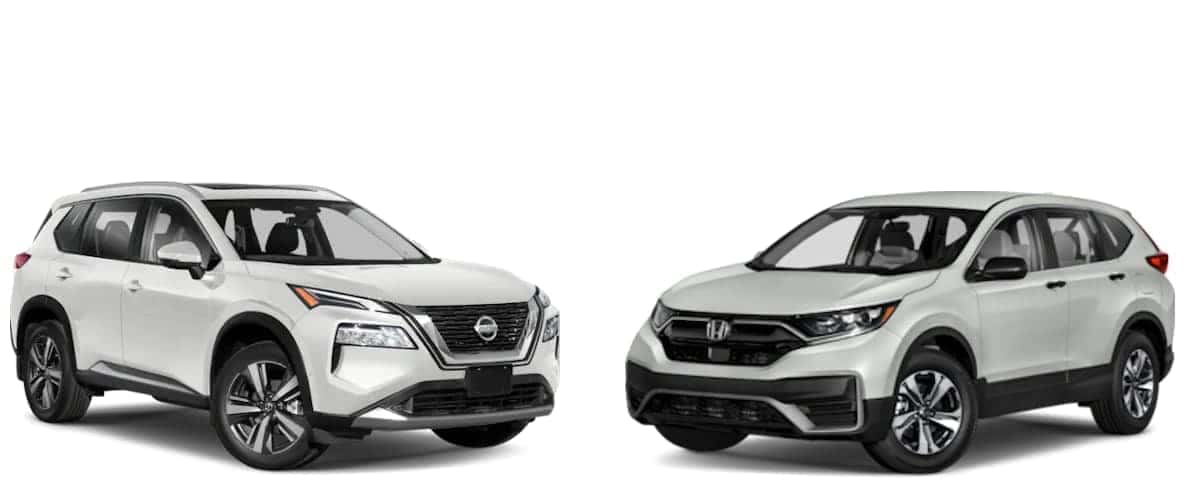
In many comparisons of rogue vs crv, fuel economy and costs sway buyers. The CR-V often leads in combined fuel efficiency, especially in turbo or hybrid trims. The Rogue offers competitive numbers and can be very efficient in real-world city driving.
Ownership cost breakdown
- Fuel: CR-V models lean toward slightly better economy on the highway. Rogue can be competitive in stop-and-go traffic.
- Maintenance: Routine service costs are similar. Both have strong dealer networks and parts availability.
- Resale and reliability: Both models historically hold value well. Reliability varies by year and maintenance history.
Practical tip
Get an extended test loop that mixes highway and city miles. That reveals real fuel economy differences better than short loops.

Technology and safety features
Both models pack modern tech. Rogue vs crv both include driver-assist systems, touchscreen infotainment, and smartphone integration. The difference lies in how these systems are tuned and presented.
Tech highlights
- Infotainment: Both support Apple CarPlay and Android Auto. Screen sizes vary by trim.
- Driver aids: Expect adaptive cruise, lane-keep assist, and automatic emergency braking on both. Comfort settings and tuning differ.
- Safety ratings: Both have strong crash-test histories across many model years and often earn top safety accolades from testing organizations.
Advice on tech
- Test the infotainment for responsiveness. Slow screens can sour ownership.
- Try driver-assist in real use to see if lane-centering feels natural or intrusive.

Cargo, family use, and daily practicality
If daily usability is your priority, rogue vs crv both deliver. The CR-V typically wins on maximum cargo volume and a very flat load floor. The Rogue often offers clever storage cubbies and a lower lift-over height.
Practical cargo notes
- Folding seats: Both fold flat in most trims, but check for easy one-motion folding.
- Grocery and stroller space: CR-V usually accommodates larger items with less rearranging.
- Small-item storage: Rogue may have more covered bins and hidden nooks for phones and sunglasses.
Real-world tip
Bring the largest item you plan to haul to the dealership. Photos of your cargo can’t replace the hands-on test.

Pricing, trims, and value
When considering rogue vs crv on price, trim choices matter. Base models can be close in price. Higher trims and hybrid options shift cost and value.
What to compare
- Standard features per trim: Compare safety tech, heated seats, and infotainment features.
- Fuel vs upfront cost: Hybrids cost more but may save fuel in heavy city driving.
- Incentives and dealer pricing: Check for seasonal discounts or incentives to improve value.
Money-saving tips
- Choose features you’ll use daily. Don’t overpay for rarely used add-ons.
- Consider certified pre-owned if you want warranty protection with lower cost.

My hands-on experience and lessons learned
As someone who has driven both extensively, my real advice leans practical. I rented a Rogue for a week-long trip and drove a CR-V as my daily for a month. Both impressed, but for different reasons.
What I learned
- Rogue was a restful companion on long trips. I felt less fatigued after long highway days.
- CR-V made city commutes and quick lane changes feel confident and controlled.
- Small details, like cupholder placement and seat padding, impacted daily enjoyment more than horsepower numbers.
Mistakes to avoid
- Don’t pick a trim for a single flashy feature. Test how it fits your life every day.
- Ignore cargo photos. Measure if you have specific haul needs.
How to decide: practical checklist for buyers
Make a simple checklist to decide rogue vs crv. Follow these steps to pick the best fit.
Step-by-step decision guide
- List your must-haves: space, ride comfort, fuel economy, tech.
- Test drive both on roads you drive most often.
- Sit in the back seat and fit cargo you use daily.
- Compare total costs: purchase price plus expected fuel and insurance.
- Read owner forums and check reliability trends for the exact model year.
Frequently Asked Questions of rogue vs crv
What is the main difference between rogue vs crv?
The main difference is focus: Rogue often favors comfort and a plush ride, while CR-V emphasizes fuel efficiency and engaging handling. Both compete closely on tech and safety.
Which is more fuel efficient, rogue vs crv?
CR-V models tend to be marginally more fuel efficient, especially in turbocharged or hybrid trims. Real-world economy will depend on driving habits and trim choice.
Which has more cargo space, rogue vs crv?
CR-V generally offers a bit more cargo volume and a flatter load floor. Rogue has clever storage nooks and a lower lift-over height for easier loading.
Are safety features similar between rogue vs crv?
Yes. Both include modern driver-assist suites and score well in crash tests across many model years. Feature availability can vary by trim.
Which is better for long highway trips, rogue vs crv?
Rogue often feels more comfortable on long highway drives due to a softer ride and quieter cabin. CR-V is also comfortable but feels firmer, which some drivers prefer.
Conclusion
Choosing between rogue vs crv comes down to priorities. Pick the Rogue if you want a softer ride, a cozy cabin, and comfort-focused design. Choose the CR-V if fuel efficiency, sharper handling, and roomy cargo space matter more. Test drive both in real-world conditions and match trims to your daily needs. Take one smart step: make a short checklist, test both on your regular route, and then decide with confidence. Share your experience, ask questions below, or subscribe for deeper comparisons and buying tips.