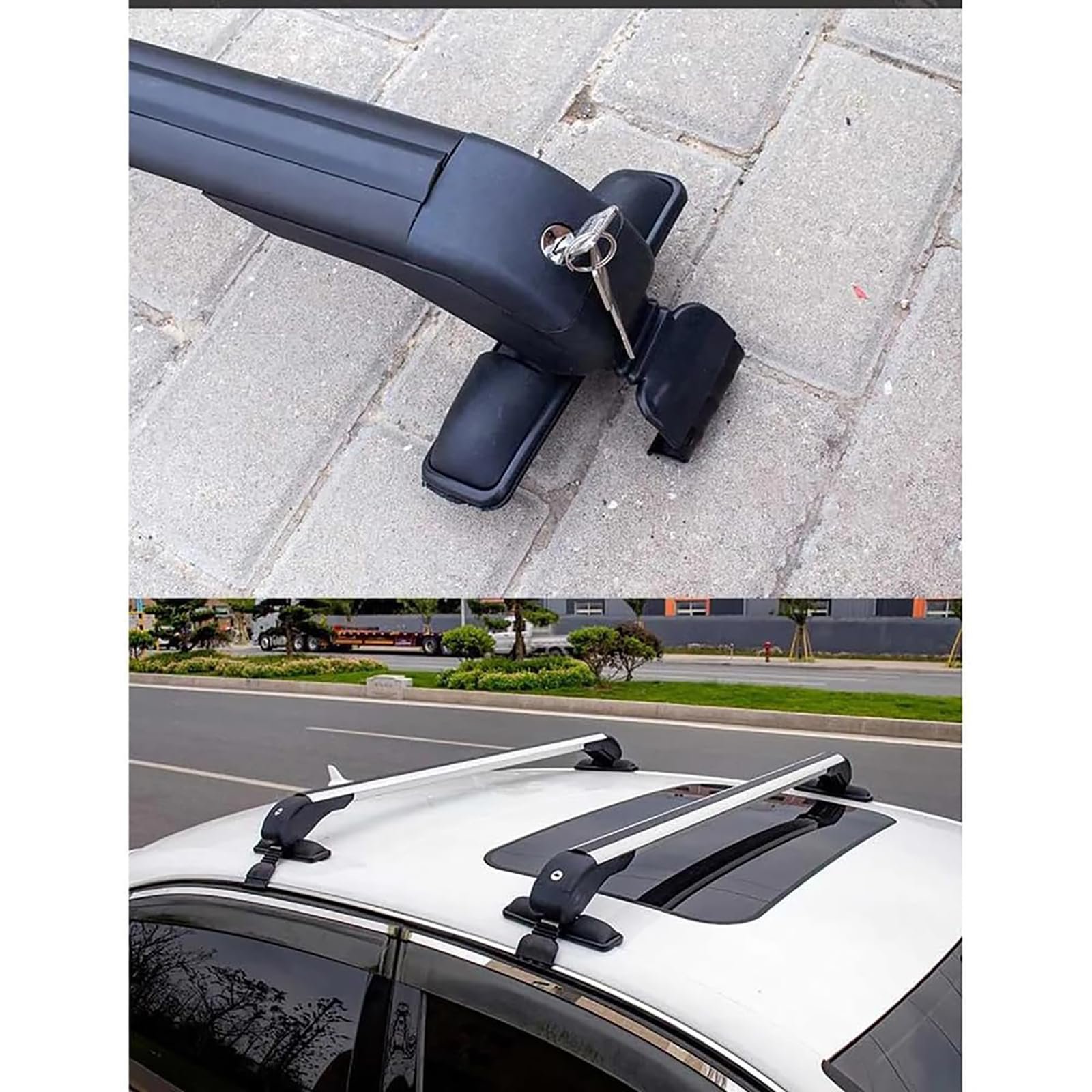
Roof Racks That Fit Sedans Without Rails: Top Picks 2026
Most sedans can use clamp-style or track-fit roof racks without factory rails.
I have spent years fitting racks on cars and testing loads. This guide explains roof racks that fit sedans without rails. You will learn how to choose, fit, and use a secure rack on a sedan roof. I use clear steps, real tips, and safety checks so you can pick the right system with confidence.
Why choose roof racks that fit sedans without rails
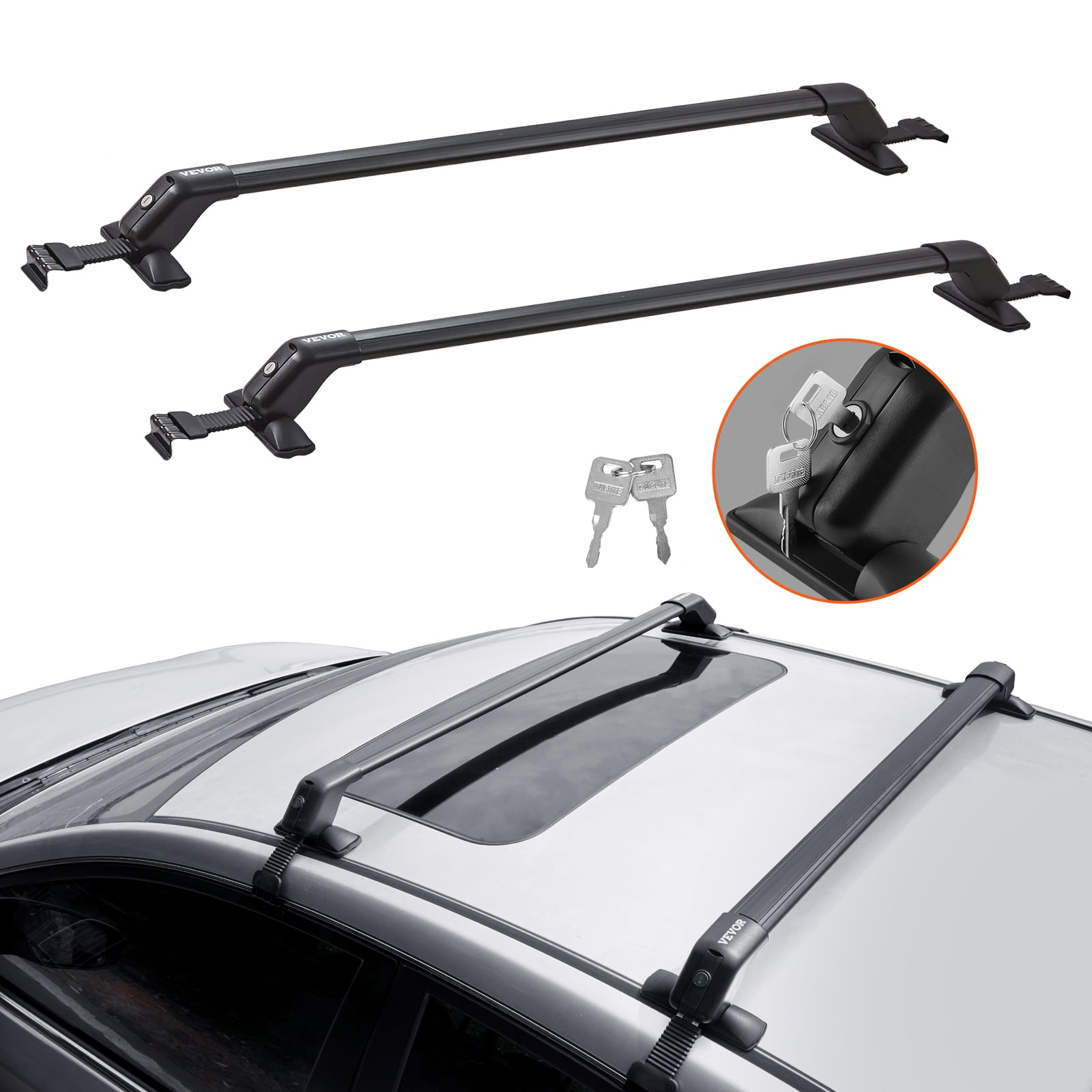
Many sedans lack raised rails or factory mounting points. A good rack fills that gap. Roof racks that fit sedans without rails let you carry bikes, skis, kayaks, or cargo boxes. They add utility without costly roof mods.
If you own a sedan, this option keeps the car stock. You avoid drilling or permanent changes. Most systems clamp to the door frame or use a custom fit foot. That makes them ideal for leased cars and short-term needs.

Types of roof racks that fit sedans without rails
There are a few common styles. Each fits different roofs and needs.
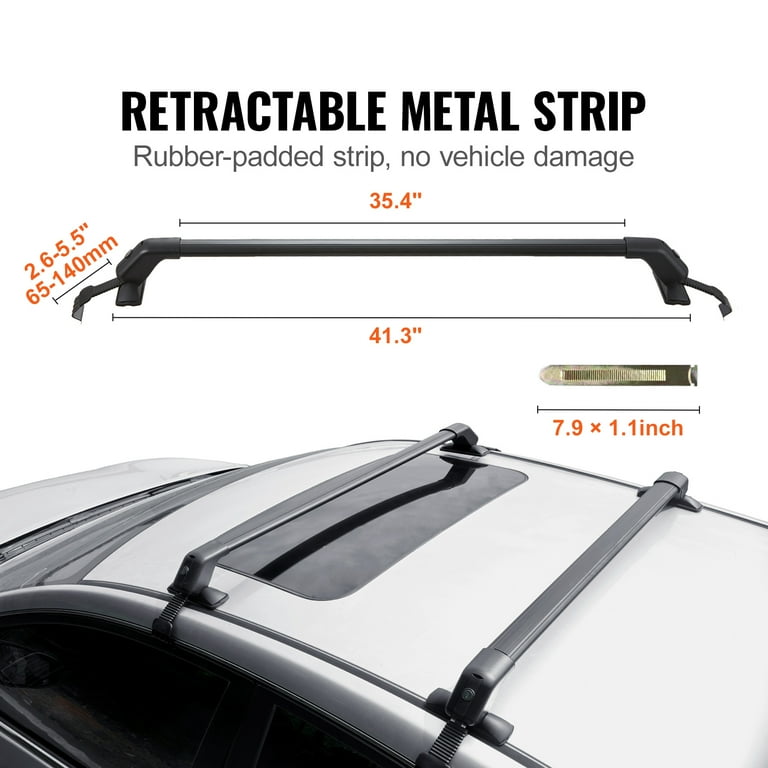
- Clamp-on door frame racks. These use rubber pads and clamps under the door lip. They are simple and widely used. They work for many sedans and remove easily.
- Track-fit or specific-fit feet. These connect to a factory channel or to custom channels. They offer a very secure fit when available.
- Temporary adhesive and suction systems. These are rare for heavy loads. Use them only for light items and short trips.
- Roof-mount towers with crossbars. These towers clamp to the door frame or pinch the rain gutter. They hold crossbars for gear carriers.
- Magnetic mounts. Good for very light cargo and short distances. Not recommended for heavy gear or highway speeds.
I prefer clamp-on and track-fit types. I have tested clamp-on racks on older sedans and found them secure when installed correctly. They balance security and ease of use.
How to choose the right rack for your sedan
Match the rack style to your needs and car.
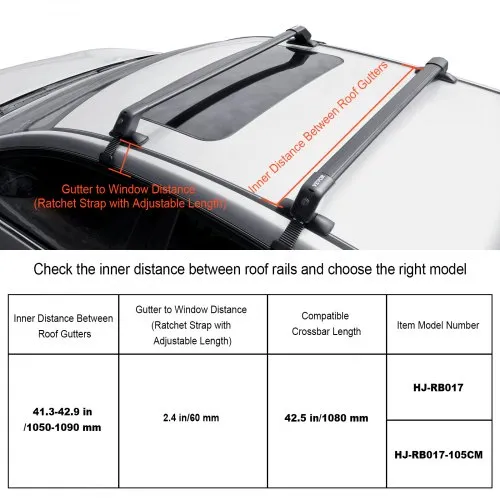
- Check roof type. Look for a smooth roof, rain gutters, or a factory channel. This decides what system will fit.
- Know your roof load limit. Your car manual lists a max static load and dynamic load. Stay below these numbers.
- Choose crossbar length and profile. Longer bars fit wider loads. Low-profile bars cut wind noise.
- Pick a reputable brand. Well-known makers use better materials and test loads.
- Verify vehicle-specific fit. Many racks have fit guides by make and model. Use them to avoid guesswork.
I always read the car manual first. Then I search the rack maker’s fit guide. That two-step check stopped me from buying the wrong feet twice. It saved time and money.

Installation and fitment tips
Install with care. Small errors can cause big trouble on the road.
- Clean the roof and door frame. Dirt can cut pads or shift clamps.
- Follow the torque or tightening guidelines. Use a torque wrench if supplied.
- Center the crossbars. Measure from each side to keep load balanced.
- Check rubber pads and gaskets for wear. Replace if cracked.
- Do a test drive at low speeds. Re-check tightness after 20 miles.
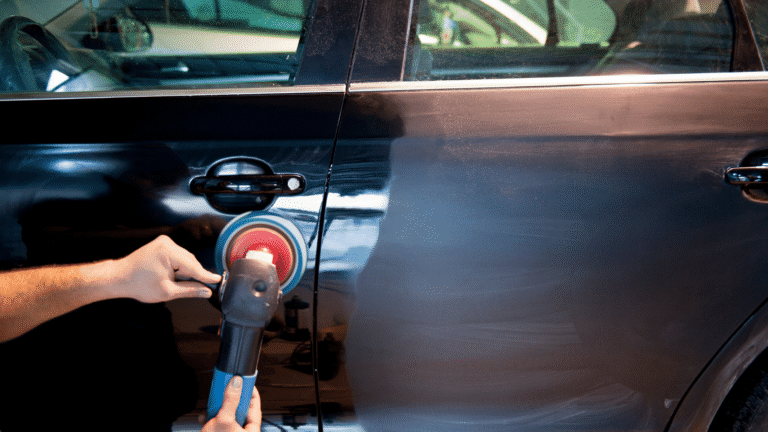
When I first started, I over-tightened clamps and damaged the paint on one car. I now always use soft protective pads and read torque specs. A thin microfiber between clamp and paint helps prevent scratches.
Load limits, safety, and legal tips
Safety is the top priority. Exceeding limits risks damage or accidents.
- Know your roof and rack weight limits. Add the cargo weight to the rack weight when planning loads.
- Pack low and center. Keep the heaviest items closest to the roof centerline.
- Check wind resistance. Tall loads raise drag. This affects fuel use and handling.
- Secure gear with rated straps. Use cam straps or rated ratchet straps, not cheap rope.
- Follow local laws. Some places require lights or flags for overhangs and set speed limits with loads.
I once carried a heavy rooftop cargo box and felt how the car pulled on windy roads. Slowing down and redistributing weight fixed it. Always drive more carefully with a roof load.

Maintenance and seasonal care
Small upkeep keeps racks safe for years.
- Inspect hardware monthly when in use. Look for rust, loose bolts, or pad wear.
- Lubricate moving parts lightly. Use a dry lubricant to avoid grime buildup.
- Remove racks in winter if unused. Salt and ice speed corrosion.
- Store crossbars flat in a dry place. Keep keys and locks together to avoid lost parts.
- Replace worn straps and pads right away. Do not reuse badly frayed straps.
A few minutes of checks before a trip will avoid mid-drive surprises. I keep a small rack tool kit in the trunk for quick snug-ups.

Common mistakes and lessons learned
I’ve made some mistakes so you don’t have to. Here are the top ones and how to avoid them.
- Buying the wrong fit. Measure twice and use fit guides.
- Ignoring the roof load. You must know the car’s limits.
- Overloading one side. Balance matters for handling.
- Using weak straps. Invest in quality straps and locks.
- Skipping a test drive. Always test at low speed then re-tighten.
These lessons came from years of trial and error. Each mistake taught a simple fix that now saves time and keeps gear safe.
Best practices and recommended gear
Follow these rules for long-term satisfaction.
- Choose low-profile bars for less wind noise.
- Use lock cores for security if you leave gear on the roof.
- Buy vehicle-specific fit kits when possible.
- Keep a cargo checklist for each trip.
- Consider a roof box for weather-sensitive gear.
When asked what I recommend, I suggest clamp-on towers with aerodynamic bars for general use. They fit many sedans and balance price and performance well.
Frequently Asked Questions of roof racks that fit sedans without rails
What is the safest roof rack type for sedans without rails?
Clamp-on and vehicle-specific track-fit racks are the safest. They secure to the door frame or a channel and are tested for load.
Will clamp-on racks damage my paint?
Not if installed correctly. Use clean pads, follow torque specs, and add soft protective pads to avoid paint wear.
Can I carry a kayak on a sedan without rails?
Yes. Use kayak cradles or J-cradles on solid crossbars and secure with rated straps. Keep within roof load limits.
How do I know my sedan’s roof load limit?
Check your owner’s manual or the placard in the driver door jamb. Do not exceed the listed static or dynamic load.
Are magnetic mounts safe for long trips?
No. Magnetic mounts are only for light, short trips at low speed. Use clamp-on or track-fit systems for heavy or long-haul loads.
Conclusion
Roof racks that fit sedans without rails open many possibilities. They let you carry gear without altering your car. Check your roof type, follow fit guides, and respect load limits. Inspect hardware often and secure cargo with rated straps. Start with a reliable clamp-on or vehicle-specific kit for the best mix of safety and convenience. Try one on, do a short test drive, and share your experience. If this guide helped, consider subscribing or leaving a comment with your questions or tips.




One Comment