Suv Good For Long Trips: Top Picks For Comfort
A roomy, fuel-efficient mid-size or full-size SUV is best for long, comfortable road trips.
I’ve spent years planning and testing long drives in many SUVs, so I know what works. This guide explains why an suv good for long trips matters, what features to seek, how to prepare, and which types suit your travel style. Read on for clear, experience-backed advice to make your next road trip easier and more fun.
Why an SUV can be the best choice for long trips
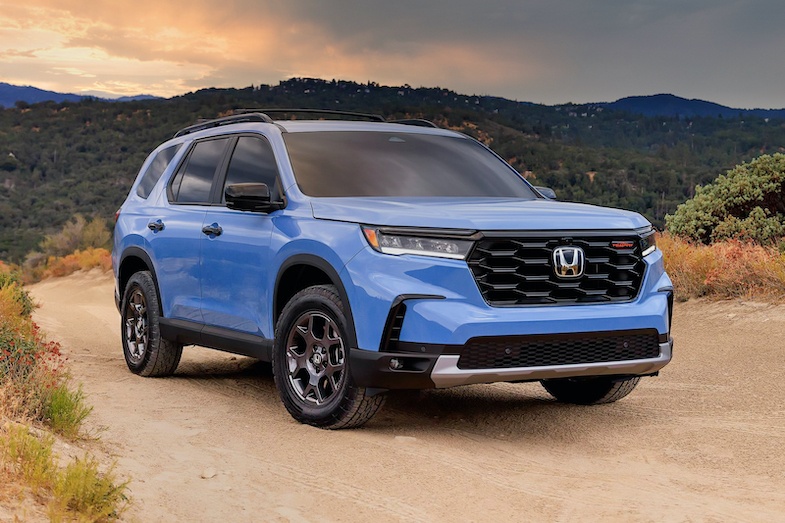
An suv good for long trips gives space, comfort, and versatility that many cars lack.
You get higher seating, easier entry, and more cargo room for luggage and gear.
SUVs often have better towing and off-pavement ability. That helps when plans change.
My experience driving cross-country taught me SUVs handle luggage and family needs best.

Key features to look for in an SUV for long trips
Choosing an suv good for long trips means focusing on a few core features. Here are the most important ones.
- Passenger space: Look for generous legroom and adjustable seats for long comfort.
- Cargo capacity: A large trunk and smart storage let you pack neatly and access items on the road.
- Fuel economy or range: Better mpg or electric range lowers stops and cost.
- Ride comfort: Soft suspension, low road noise, and quality seats reduce fatigue.
- Safety tech: Adaptive cruise, lane assist, blind-spot monitoring, and automatic emergency braking matter.
- Reliability and service network: A vehicle from a brand with wide service coverage reduces stress.
- Towing and payload: If you tow a trailer or carry heavy gear, check towing capacity and cooling systems.
- Infotainment and connectivity: Easy phone pairing, navigation, and charging ports keep everyone happy.
- All-wheel drive or good traction: Useful for varied weather or light off-road access.

Top SUV types and model examples suited for long trips
Not every suv good for long trips is the same. Pick the style that matches your needs.
- Best for: Small families, tight city parking, light road trips.
- Why: They are easier to drive and often more fuel efficient.
- Example models: Compact crossovers with roomy rear seats are common choices.
Mid-size SUVs
- Best for: Families who want balanced space and economy.
- Why: They offer good cargo room and comfortable rides.
- Example models: Look for versions with optional third row or large cargo holds.
Full-size SUVs
- Best for: Big families or heavy gear needs.
- Why: More room, stronger towing, and often more luxury amenities.
- Example models: Full-size SUVs shine on long trips with many passengers.
Hybrid and plug-in hybrid SUVs
- Best for: Longer trips with better fuel economy or mixed city-highway driving.
- Why: You can stretch range and save on fuel costs.
- Example models: Hybrids reduce fuel stops and cut running costs.
Electric SUVs
- Best for: Eco-friendly travel and lower long-term energy cost.
- Why: With a good charging plan, EVs are quiet, smooth, and low-cost per mile.
- Example models: EV SUVs with long range work well if fast chargers are available along your route.
I’ve driven compact to full-size SUVs on long hauls. Each type can be an suv good for long trips when matched to your needs.
Preparing your SUV for a long trip: maintenance and packing checklist
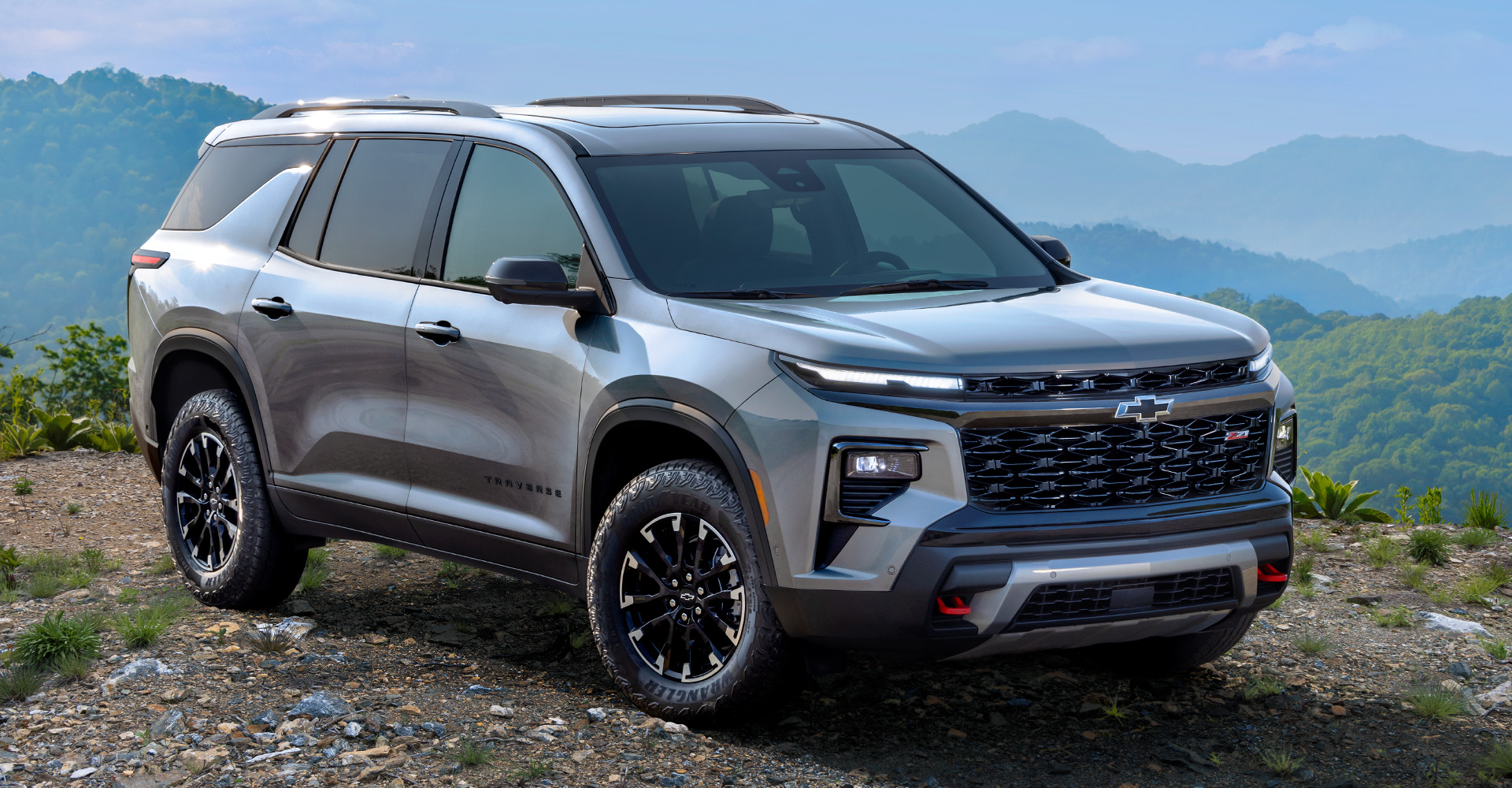
Preparation reduces stress. This checklist helped me avoid breakdowns and lost time.
- Service check: Oil, coolant, brakes, belts, and filters should be inspected 1–2 weeks before departure.
- Tires and alignment: Check tire pressure, tread depth, and get an alignment if needed. Carry a spare and repair kit.
- Fluids and battery: Top off fluids and test the battery. Replace if older than 4–5 years.
- Emergency kit: Include first-aid, flashlight, jumper cables, basic tools, and a portable phone charger.
- Documents: Carry insurance, registration, roadside assistance info, and any rental or tow paperwork.
- Packing smart: Use soft bags to fit better in cargo. Place heavy items low and forward. Keep snacks and water within reach.
- Comfort items: Bring neck pillows, lightweight blankets, and seat cushions for long legs of the trip.
- Tech prep: Download offline maps and playlists. Bring multiple charging cables and a car adapter.
From my trips, small fixes before you leave often save hours and frustration later.

Fuel, cost, and range planning for long trips in an SUV
Cost planning keeps a trip smooth and within budget. An suv good for long trips should match your range needs.
- Estimate fuel stops: Use mpg or EV range to plan stops and adjust driving speed to improve fuel economy.
- Budget for tolls and parking: Add these small costs into your daily budget.
- Save with steady driving: Cruise control and moderate speeds often reduce fuel use.
- Consider hybrid or diesel: These can offer cost savings on long highway runs.
- Charging strategy for EVs: Plan charging stops and build buffer time for waits. Use mapped fast chargers when possible.
I once timed stops badly and lost hours. Now I plan fuel and charging in advance and keep a 20% buffer.

Safety and comfort: what really matters on long drives
Safety and comfort reduce fatigue and risk. Focus on features that protect and ease travel.
- Adaptive cruise control: Keeps a steady pace and reduces constant speed changes.
- Lane-keeping and alerts: These systems prevent wandering and warn you if you drift.
- Comfortable seating: Look for lumbar support and multi-way adjustability.
- Climate control zones: Dual or tri-zone systems keep all passengers comfortable.
- Good headlights and visibility: Clear sight at night and in rain is critical.
- Driver assist limits: Know the systems and don’t over-rely on them. They help, but human attention is key.
In long drives, the most valuable upgrade I made was a seat with better lumbar support. It changed how I felt after eight hours on the road.
Practical tips for making any SUV better for long trips
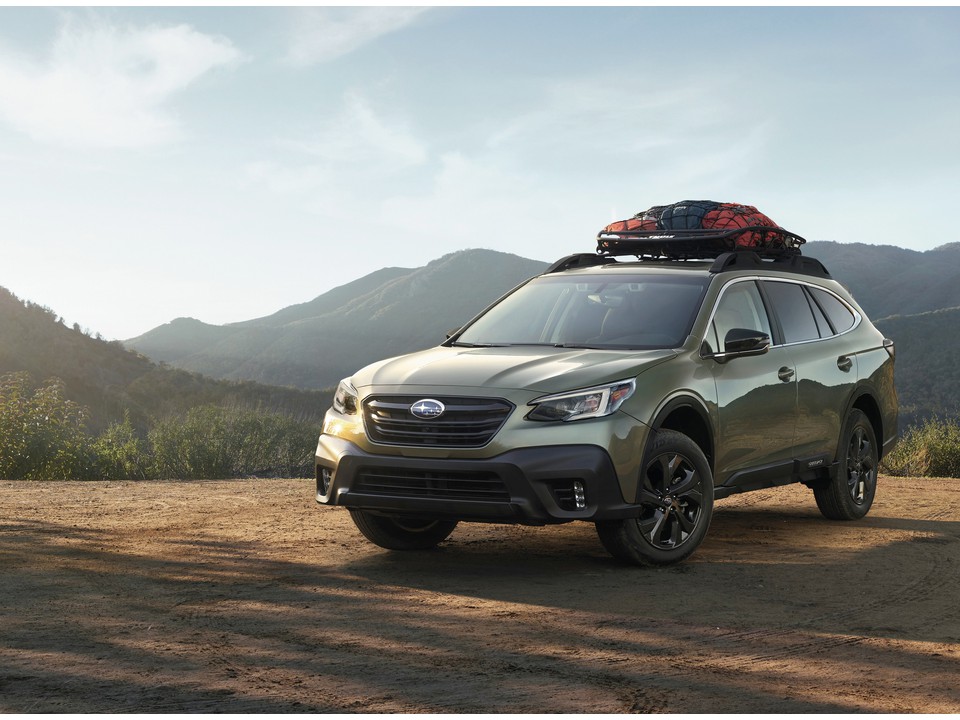
Small choices make a big difference. These tips will improve any suv good for long trips.
- Rotate drivers every 2–3 hours to stay fresh.
- Keep a light snack and water in easy reach to avoid unnecessary stops.
- Use sunshades and window tints to cut heat and glare.
- Pack a collapsible cargo box to keep items organized and accessible.
- Test tech features at home so you know how to use them while driving.
I pack a road binder with printed directions and receipts. It sounds old-fashioned but it’s saved time when cell service dropped.
Frequently Asked Questions of suv good for long trips
What makes an suv good for long trips?
An suv good for long trips combines comfort, cargo space, good range, and reliable safety features. It should have low road noise, supportive seats, and easy-to-use tech.
Are hybrid SUVs better for long trips?
Hybrid SUVs often use less fuel on highway drives and cut stops. They are a strong choice if you want to save on fuel without planning EV charging.
Is all-wheel drive necessary for long road trips?
All-wheel drive helps in bad weather or rough roads but isn’t required for smooth highways. Choose AWD if you expect snow, rain, or light off-road use.
How important is towing capacity for family trips?
Towing matters if you bring a trailer, camper, or heavy gear. If you stay in hotels or don’t tow, towing capacity is less critical.
Can electric SUVs handle long trips?
Electric SUVs can handle long trips if chargers are available along your route and you plan stops wisely. Fast-charging networks are expanding, making EVs more viable for long distances.
How often should I stop on a long trip in an SUV?
Stop every 2–3 hours to stretch, rest, and rotate drivers. Regular breaks reduce fatigue and improve safety.
Conclusion
Choosing an suv good for long trips comes down to matching space, range, comfort, and safety to your travel needs. Think about who rides with you, how much gear you carry, and where you’ll drive. Take time to prep your vehicle and plan fuel or charging stops. Start small, test gear and routes, and learn from each trip to make the next one smoother. If you found these tips useful, try one change on your next trip and share your experience in the comments or subscribe for more travel vehicle tips.