What Is Car Curb Weight: Easy Guide For Buyers
Curb weight is a vehicle's weight with all standard fluids, fuel, and no passengers.
I write about cars after years of hands-on work and research, so I can explain what is car curb weight clearly and simply. Read on to learn why curb weight matters, how it’s measured, how it affects driving, and how to find the curb weight for your car.
Understanding what is car curb weight
Curb weight is the mass of a car ready to drive but without passengers or cargo. It includes the engine oil, coolant, brake fluid, and a full (or specified) amount of fuel, plus standard factory equipment. Knowing what is car curb weight helps you compare models, check payload limits, and predict fuel economy.
Why this definition matters:
- Helps you compare two vehicles fairly.
- Informs payload and towing decisions.
- Affects handling, braking, and fuel use.
From my experience working with cars, manufacturers use curb weight so buyers see a consistent baseline. When someone asks what is car curb weight, they want a simple number with clear meaning. This is that number.

Curb weight versus related weight terms
People often mix up terms. Here is a quick guide to clear that up.
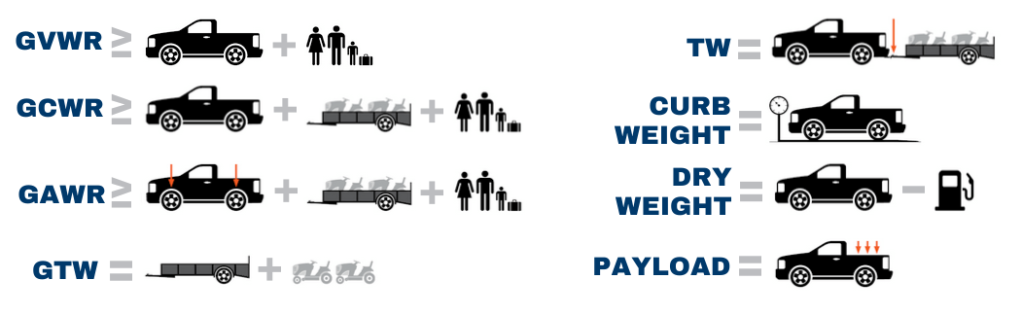
Curb weight
- The ready-to-drive weight with fluids and fuel, no passengers.
Gross Vehicle Weight Rating (GVWR)
- The maximum safe total weight of the vehicle, including passengers and cargo.
Payload
- The GVWR minus curb weight; how much cargo and people you can add.
Dry weight
- Weight without fluids or fuel; rarely used by makers for modern cars.
Understanding these helps answer practical questions like how much gear you can carry and whether a trailer is safe to tow. Asking what is car curb weight is only the first step; you also need to know GVWR and payload for safe driving.
How manufacturers measure curb weight
Car companies follow standards when reporting curb weight. Typical practices include:
- Filling fluids to normal levels.
- Filling fuel tank to a specified percentage (sometimes full, other times 90% or 50%).
- Including standard factory options and a spare tire if normally equipped.
Some manufacturers report "estimated curb weight" or "approximate" because options change the number. If you want exact data, weigh the vehicle on a certified scale at a public weigh station.
From hands-on work, I learned to treat curb weight as a practical baseline, not an exact number for heavy modifications or extra gear. If you add racks, cargo, or aftermarket parts, the real curb weight for your car will change.

Why curb weight matters for drivers
Curb weight affects many aspects of ownership:
- Fuel economy: Heavier cars usually use more fuel.
- Handling: More weight changes turning, braking, and stability.
- Wear and tear: Heavier vehicles stress brakes, tires, and suspension faster.
- Safety performance: Weight influences crash dynamics and stopping distance.
- Insurance and registration: In some regions, weight affects fees.
When people search what is car curb weight, they often want to know how it will change everyday use. For example, a heavier SUV will feel more stable on highways but return fewer miles per gallon.

Real-world examples and numbers
Typical curb weight ranges you might see:
- Small cars: about 2,500 to 3,000 pounds.
- Compact SUVs: about 3,000 to 3,800 pounds.
- Midsize sedans: around 3,200 to 3,900 pounds.
- Full-size SUVs and trucks: often 4,500 pounds and up.
If you compare two models and ask what is car curb weight for each, you will find clear differences that explain why one model accelerates faster or uses less gas.

How to find curb weight for your car
Easy places to look:
- Owner’s manual: Often lists the curb weight or curb mass.
- Door jamb sticker: May show GVWR; subtract estimated payload to infer curb weight.
- Window sticker (Monroney label): New cars display curb or gross weights.
- Manufacturer website or spec sheets: Provide official figures.
- Public scale: Drive to a certified scale for the precise current weight.
I once needed the exact curb weight to calculate safe cargo for a weekend trip. Weighed the car and adjusted luggage. Simple steps like that can prevent overloaded suspensions or unsafe handling.
Tips to manage and reduce curb weight effects
You cannot change factory curb weight easily, but you can manage the car’s real weight:
- Remove unused items from the trunk and cabin.
- Replace heavy roof racks or boxes with lighter gear or remove them when not needed.
- Choose lighter aftermarket wheels and tires if appropriate.
- Avoid permanently heavy upgrades unless necessary.
These small moves help improve fuel economy and handling. When someone asks what is car curb weight and how to improve it, these are the practical steps I recommend.
Common PAA-style questions
What is car curb weight and why should I care?
- Curb weight is the car’s ready-to-drive mass without people or cargo. It matters because it affects fuel use, handling, and how much you can safely carry.
Does curb weight include a full tank of fuel?
- Often yes, but manufacturers sometimes use a specified fuel level like 90% or 50%. Check the maker’s definition for clarity.
How does curb weight differ from gross vehicle weight?
- Curb weight excludes passengers and cargo, while GVWR is the maximum total allowed weight of the vehicle and all contents.
Can adding accessories change curb weight?
- Yes. Adding racks, heavy bumpers, or winches raises your car’s real curb weight and can change payload and handling.
Is curb weight used to calculate towing or payload?
- Curb weight plus payload must stay below GVWR. So curb weight is a key input when checking towing and cargo limits.
Personal experience: lessons and mistakes
I once overloaded a small SUV for a move. The extra weight shortened braking distances and made the car feel sluggish. I learned to:
- Weigh the car if unsure.
- Distribute weight low and near the center.
- Avoid roof-top loads when possible.
These small lessons show why knowing what is car curb weight is more than theoretical. It helps you stay safe and save money.
Frequently Asked Questions of what is car curb weight
What is curb weight and why is it listed by manufacturers?
Curb weight is the vehicle’s weight with fluids and fuel, no passengers. Makers list it to give buyers a baseline for comparison and safety planning.
How does curb weight affect fuel economy?
Heavier vehicles need more energy to move, so higher curb weight generally leads to lower miles per gallon.
Can I trust the curb weight in the brochure?
Yes for a baseline, but options and aftermarket parts change the real weight. For exact numbers, use a certified scale.
Is curb weight the same across all countries?
Definitions can vary slightly by region and maker. Always check the manufacturer’s note on how they measure curb weight.
How do I calculate my car’s payload from curb weight?
Find the vehicle’s GVWR and subtract the curb weight. The result is the maximum payload for passengers and cargo.
Conclusion
Knowing what is car curb weight gives you a clear starting point for safe driving, smart purchases, and practical maintenance. Use manufacturer figures as a baseline, verify with a scale if needed, and always factor curb weight into towing and cargo decisions. Take action: check your car’s curb weight today, adjust loads before long trips, and subscribe or comment with your weight-related questions.