Spray wax gives fast, light protection that typically lasts two to six weeks; paste wax delivers longer-lasting depth and durable shine that holds up for two to four months.
I have worked on cars and boats for years and tested both products. I will explain spray wax vs paste wax so you can pick the right product. You will learn how they work, when to use each, and clear steps to get the best results. Read on for proven tips, real mistakes I made, and simple rules you can follow.
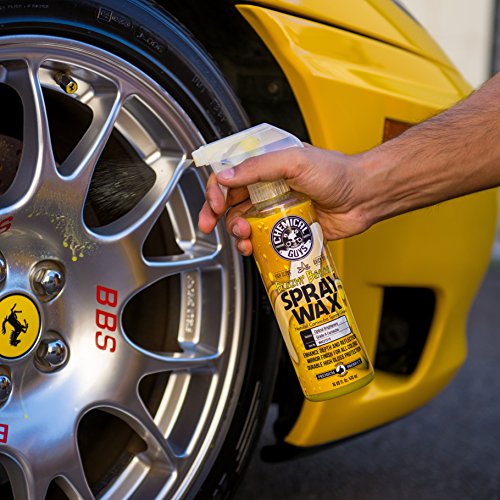
spray wax vs paste wax — quick comparison
spray wax vs paste wax is about trade-offs. Spray wax is fast and easy to use. Paste wax takes more time but gives stronger protection. Use spray wax for quick upkeep and paste wax for deep shine and longer guarding.
| Attribute | Spray Wax | Paste Wax | Ceramic Spray Wax |
|---|---|---|---|
| Application time | Seconds per panel | Several minutes per panel, plus haze time | Seconds per panel |
| Typical durability | 2–6 weeks | 2–4 months | Several months (manufacturer-rated) |
| Depth of shine | Light, quick gloss | Deep, warm gloss | Slick, glassy look |
| Skill required | Low | Moderate | Low |
| Best for | Weekly touch-ups | Show cars, deep protection | Longer maintenance without paste effort |

What is spray wax and when to use it
spray wax vs paste wax often starts with the spray side. Spray wax is a liquid mix in a spray bottle. It usually contains polymers and light waxes. You spray, wipe, and buff. It is ideal for light cleaning and fast shine between deep details. Because spray formulas favor lightweight polymers over dense wax content, they build a thinner protective film — which is why they apply fast but wear off sooner than paste.
What is paste wax and when to use it
spray wax vs paste wax also includes the classic paste option. Paste wax is solid and often made with carnauba or synthetic wax. You apply it with a pad, let it haze, then buff it off. It takes more time but builds robust layers that last longer.
Higher-carnauba paste waxes tend to give the deepest, warmest shine, while pastes blended with synthetic polymers usually last longer but with a slightly less “wet” look. How long any paste lasts also depends on climate — hot, sun-exposed conditions and outdoor parking will shorten its life compared with a garaged car in a mild climate.
Key differences explained
spray wax vs paste wax differ in five main ways.
- Application speed
- Spray wax applies in seconds. Paste wax takes minutes and effort.
- Protection time
- Spray wax protects short term. Paste wax gives longer durable protection.
- Depth of shine
- Spray wax adds quick gloss. Paste wax produces deeper, richer shine.
- Ease of use
- Spray wax is user friendly for beginners. Paste wax needs more skill and elbow grease.
- Cost and coverage
- Spray wax is often cheaper per use but may cost more over time. Paste wax covers more with fewer applications.
Where Does Ceramic Spray Wax Fit In?
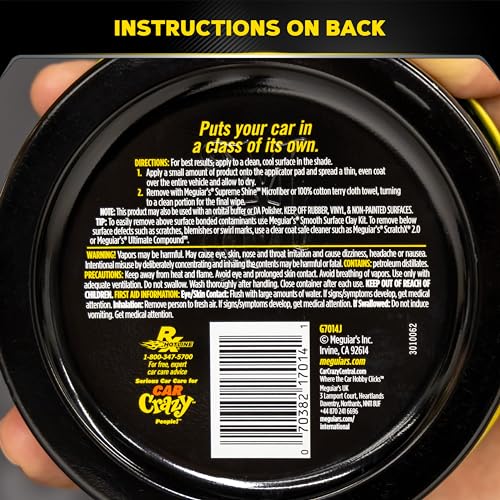
A third option has become common alongside traditional spray and paste wax: ceramic spray wax. These sprays use silica-based polymers instead of natural carnauba, and manufacturers commonly claim protection lasting several months — in some cases up to six months to a year, well beyond a standard spray wax and often longer than a single paste wax application. Ceramic spray wax applies almost as fast as a regular spray wax, making it a middle ground for owners who want longer protection without the time investment of a full paste wax job. It won’t produce the same deep, warm look that carnauba paste wax gives on dark paint, and it doesn’t match the durability of a professionally applied ceramic coating, but it’s worth considering if you’re choosing between spray and paste purely for longevity. It’s worth noting that ceramic spray wax is not the same product as a professionally applied ceramic coating. A true ceramic coating is a separate service that chemically bonds to the paint and can last one to five years or more, while ceramic spray wax is a topper you apply yourself that lasts months, not years.
What About Liquid Wax? How Does It Compare to Spray and Paste?
Liquid wax sits between spray wax and paste wax on almost every measure. It comes in a bottle or tube rather than a spray nozzle or tin, and it’s usually applied with a foam applicator or pad — similar to paste, but thinner and faster to spread.
Liquid wax typically takes less time to apply than paste wax but more than spray wax, and many liquid formulas now use polymer- or silica-based ingredients rather than pure carnauba. Because of that, some liquid waxes can approach paste-level durability while staying easier to apply, though results vary by product and climate.
Choose liquid wax if you want most of the durability of paste without the full time investment, or if you’re applying wax with a dual-action polisher rather than by hand.
| Attribute | Spray Wax | Liquid Wax | Paste Wax | Ceramic Spray Wax |
|---|---|---|---|---|
| Application time | Seconds per panel | A few minutes per panel | Several minutes per panel, plus haze time | Seconds per panel |
| Typical durability | 2–6 weeks | 6 weeks–3 months (varies by formula) | 2–4 months (less in hot climates or with pure carnauba) | Several months (manufacturer-rated) |
| Depth of shine | Light, quick gloss | Bright, reflective gloss | Deep, warm gloss | Slick, glassy look |
| Skill required | Low | Low–Moderate | Moderate | Low |
| Best for | Weekly touch-ups | All-around use, polisher application | Show cars, deep protection | Longer maintenance without paste effort |
Step-by-step application tips
spray wax vs paste wax needs different steps. Follow these simple steps to get good results.
For spray wax
- Wash and dry the surface completely.
- Spray a light mist onto one panel at a time.
- Wipe with a soft microfiber, then buff with a clean side.
- Work in the shade and use even strokes.
For paste wax
- Wash and clay bar if needed, then dry.
- Apply a thin layer with a foam pad in small panels.
- Let the paste haze for the time on the label.
- Buff off with a clean microfiber or a buffer on low speed.
Maintenance, safety, and common mistakes
spray wax vs paste wax each has care tips to avoid damage.
- Avoid applying paste wax to hot paint.
- Don’t let paste wax sit too long or it becomes hard to remove.
- Avoid aerosol spray fillers that can leave streaks in direct sun.
- Always work in shade and use clean cloths to avoid swirl marks.
I once left paste wax on too long on a hot hood. It took extra time and a clay bar to fix the residue. Learning to work in cool shade saved me time and paint stress.
Personal experience: real tests and lessons learned
spray wax vs paste wax taught me value in both. I used spray wax for quick weekend touch-ups. The car looked great for a few days. I used paste wax before a show. The shine lasted weeks and survived heavy rain.
Lessons learned
- Prep matters more than wax type.
- Thin layers of paste beat thick sloppy coats.
- Use spray wax only after a full clean for best results.
Pros and cons summary
spray wax vs paste wax has clear pros and cons to weigh.
- Spray wax pros
- Fast to use, low skill, good for quick shine.
- Spray wax cons
- Shorter protection, lighter depth, more frequent use. Can leave a sticky or hazy residue if over-applied, used in direct sun, or applied to a car that wasn’t fully clean first.
- Paste wax pros
- Longer protection, deeper gloss, better for show finishes.
- Paste wax cons
- Time consuming, requires careful buffing, can be messy.
Frequently Asked Questions of spray wax vs paste wax
What lasts longer, spray wax or paste wax?
Paste wax usually lasts longer. It forms thicker layers that resist weather and washes better than most spray waxes.
Can I use spray wax over paste wax?
Yes. Spray wax works well as a quick top-up over paste wax, liquid wax, or a synthetic sealant, and can add shine without stripping the layer underneath if used lightly. Avoid piling on repeated thick layers, though — wax doesn’t build meaningful extra durability past a couple of coats, and thick layering makes buffing harder.
Is paste wax harder to remove than spray wax?
Yes, paste wax can be harder to remove if left too long or applied thickly. Use thin layers and buff well.
Which wax is better for a new car?
Paste wax often gives a deeper, richer finish on new paint. Spray wax is fine for light maintenance between paste applications.
Are there surfaces where spray wax should not be used?
Avoid using spray wax on matte finishes or vinyl wraps that require specific products. Always test a small area first.
How Long Does Spray Wax Actually Last Compared to Paste Wax?
Spray wax typically holds up for about two to six weeks, depending on washing frequency and weather exposure. Paste wax generally lasts two to four months per application. Ceramic-infused spray waxes can extend that to several months, though not as long as a full ceramic coating.
Is Ceramic Spray Wax Better Than Traditional Paste Wax?
Ceramic spray wax generally lasts longer than traditional paste wax and applies faster, but it doesn’t build the same deep, layered look that carnauba paste wax gives on darker paint. Many owners use ceramic spray wax for maintenance and paste wax before shows or sales.
How does liquid wax compare to spray and paste wax?
Liquid wax generally lasts longer than spray wax and applies faster than paste wax, making it a middle-ground option. It’s a good fit if you want stronger protection than a spray but don’t want the full time commitment of a paste application, especially when applying with a polisher.
Is there a big price difference between spray, liquid, and paste wax?
Spray wax is usually the least expensive per bottle but needs the most frequent reapplication, so the cost can add up over a season. Paste wax typically costs more upfront but covers many applications per tin, often making it more cost-effective per use over time. Liquid wax tends to fall in between on both price and reapplication frequency.
Does climate affect how long car wax lasts?
Yes. Hot, sunny climates and cars parked outdoors will generally see wax — especially paste wax — wear off faster than in cooler climates or with a garaged car. Heat and UV exposure are two of the main factors that break down any wax’s protective layer over time.
Is ceramic spray wax the same thing as a ceramic coating?
No. Ceramic spray wax is a DIY topper you apply like a regular spray wax and typically lasts for months. A ceramic coating is a more durable protective layer that bonds to the paint and generally requires more thorough surface preparation and application. Ceramic spray wax is easier to apply and maintain, but it shouldn’t be treated as a substitute for a professionally installed or properly applied ceramic coating.
Conclusion
Both products can be right for you. Use spray wax for quick upkeep and paste wax for lasting depth and strong protection. Start with clean paint, pick the product that fits your time, and practice thin, even layers. Try both on a small panel to see how they look on your paint, then choose based on durability and shine. Share your results, subscribe for more tips, or leave a comment about your experience with spray wax vs paste wax.