Use a compound for heavy paint defects; use a polish for light swirls, gloss, and finishing.
I have spent years detailing cars, testing products, and training others on paint correction. This guide explains polish vs compound for car paint in clear terms. I will show when to use each, how to apply them, mistakes to avoid, and real-world tips from my shop experience. Read on to make smarter choices and protect your car’s finish.
Understanding the difference: polish vs compound for car paint
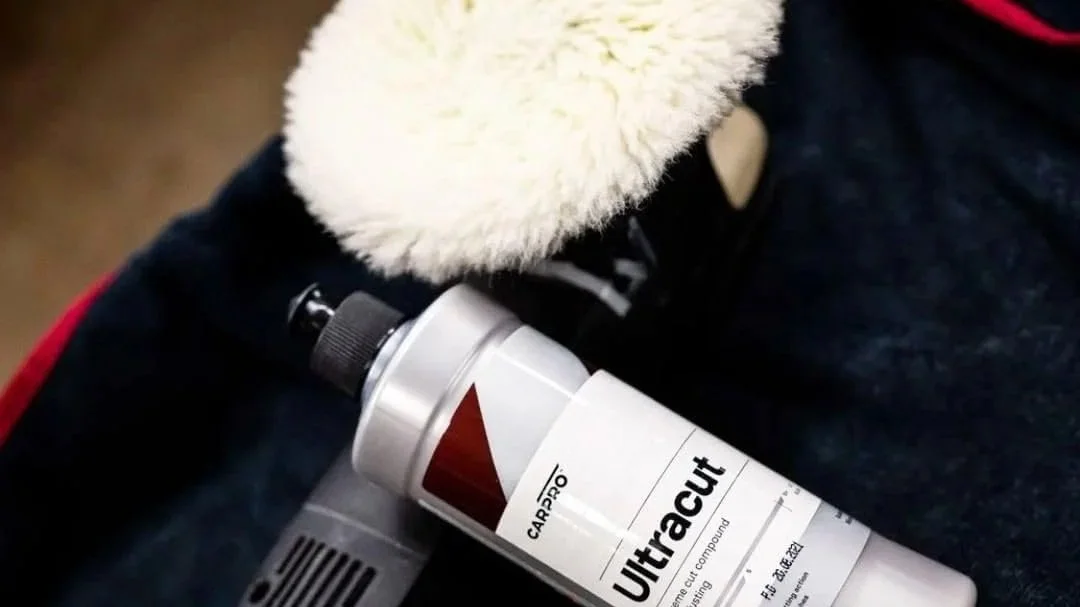
A compound is an abrasive product made to remove heavy defects. It cuts into the clear coat to level deep scratches, oxidation, and heavy swirl marks.
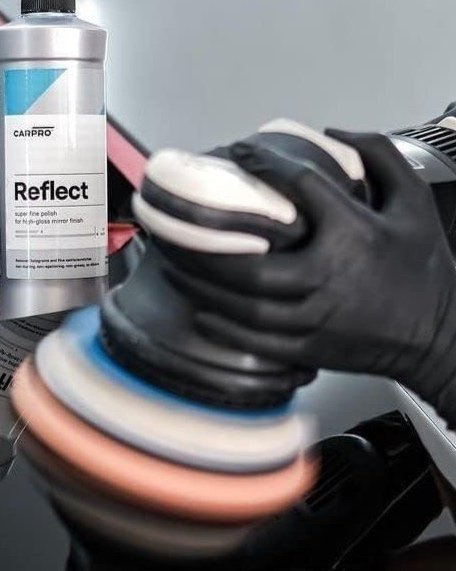
A polish is a finer product meant to restore gloss and refine light defects. It smooths micro-marring left by compounding and brings out shine.
Think of compound vs polish like sanding then buffing. Compound takes the rough layer away. Polish refines what remains and makes the paint pop.
I have used both on older and newer cars. On a ten-year-old sedan, a compound removed heavy oxidation. Then a polish restored showroom gloss in one afternoon.

When to use a compound
Use a compound when defects are visible at arm’s length. These include deep swirl marks, bird etching, heavy water spots, and oxidation.
Common signs you need a compound:
- Paint feels rough to the fingertip.
- Scratches catch a fingernail.
- The finish looks dull even after washing.
- Clear coat has hazing or heavy etching.
How I approach compounding:
- Start with a test spot to confirm results.
- Use proper pads and slower machine speed for safety.
- Remove only as much clear coat as needed to fix the defect.
Compounding is effective but aggressive. Only use it when milder options fail.
When to use a polish
Use a polish for light swirl marks, fine scratches, and to boost gloss after compounding. Polish removes micro-marring and enhances depth.
Common signs you need a polish:
- Light swirl marks visible in sunlight.
- Lackluster shine after wash.
- Light holograms from previous buffing.
My routine with polish:
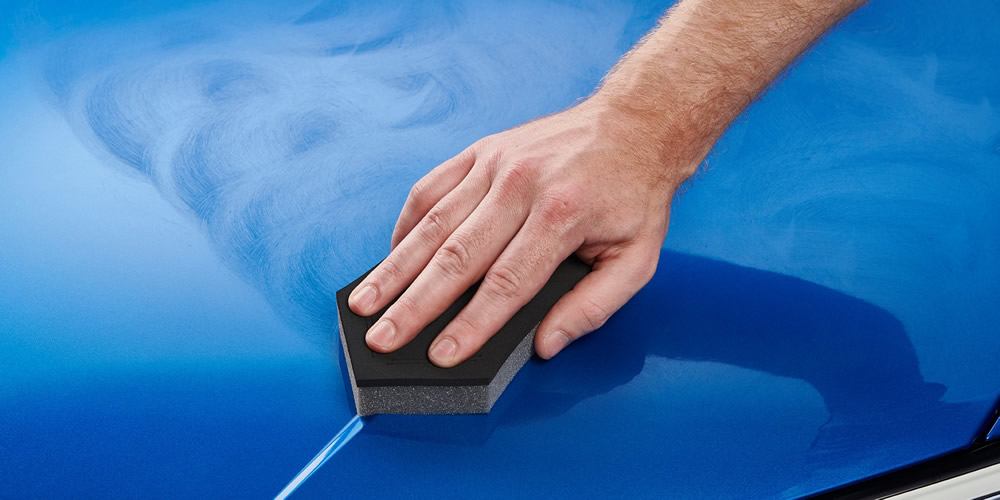
- Try hand polishing first for very light defects.
- Use a finishing pad and low-speed dual-action polisher for safety.
- Work panel by panel to inspect results and avoid overworking.
Polish is the finishing step that makes paint look new again.

How to choose between polish vs compound for car paint
Start with the least aggressive method and work up. This protects the clear coat and preserves paint life.
Decision checklist:
- Inspect the damage in direct sunlight.
- Run a fingernail test on scratches.
- Perform a small test spot with polish first.
- Move to compound only if polish cannot remove the defect.
Practical tip from my experience:
- On customer cars, I always test polish first. In about 70% of cases, polish alone fixes light issues. Compound is saved for stubborn defects.
Choose based on defect depth, paint hardness, and vehicle age.
Tools, pads, and method for polish vs compound for car paint
Right tools matter more than product brand. Use the correct pad and machine for safe results.
Recommended setup:
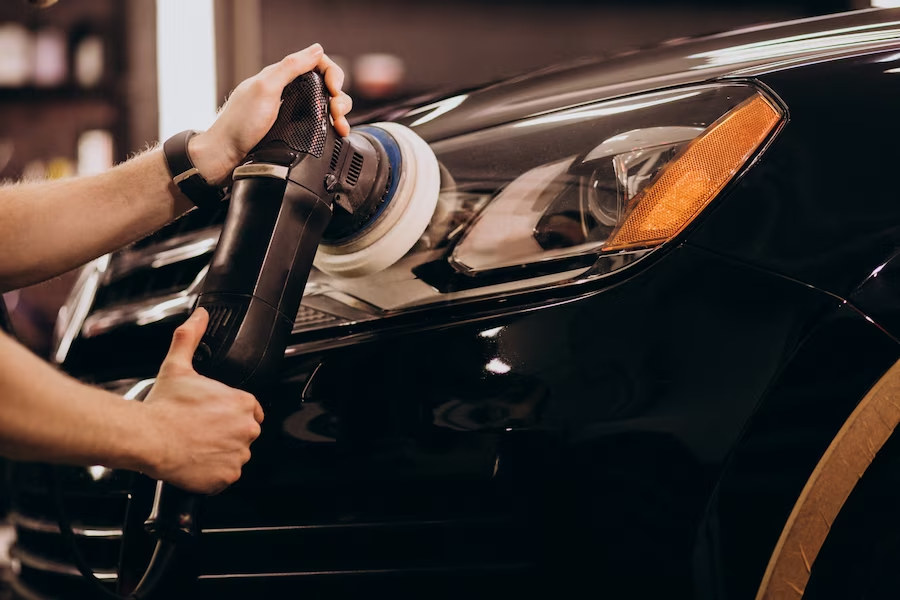
- Dual-action polisher for most jobs. It’s safer for beginners.
- Rotary for experienced users and when heavy correction is required.
- Cutting pads with compound and finishing pads with polish.
- Microfiber towels for removal and inspection.
Step-by-step method:
- Wash and clay the car to remove contamination.
- Tape off trim to avoid edge damage.
- Test a small area with polish first.
- If polish fails, switch to compound with a cutting pad.
- Finish with a finer polish to remove any haze.
- Seal the paint with wax or ceramic coating.
From my shop: using the wrong pad caused swirl marks once. I switched pads, and the problem disappeared. Always match pad aggressiveness to product.
Common mistakes and safety tips for polish vs compound for car paint
Avoid these common errors to protect your paint and get the best finish.
Common mistakes:
- Skipping a test spot and overcutting the clear coat.
- Using a cutting pad with polish or vice versa.
- Working at too high speed and generating heat.
- Not cleaning the paint between steps.
Safety tips:
- Work in shaded, cool conditions.
- Keep the pad clean and free of debris.
- Use light to moderate pressure and move the polisher steadily.
- Measure clear coat thickness if you plan frequent compounding.
I once removed too much clear coat on a thin factory finish. Now I always measure with a thickness gauge on high-value vehicles.
Frequently Asked Questions of polish vs compound for car paint
What is the main difference between polish vs compound for car paint?
A compound is abrasive and removes material to fix heavy defects. A polish is finer and refines the surface to improve gloss and remove light marks.
Can I use polish instead of compound?
You can try polish first. If the defect does not improve, a compound will be necessary for heavier correction.
Will compound remove my clear coat?
Compound removes a tiny layer of clear coat when used correctly. Excessive compounding or repeated use can thin the clear coat, so use it sparingly.
How often can I use compound on my car?
Limit compounding to only when needed. Most cars only need compounding a few times over many years. Rely on polish for regular maintenance.
Do I need a machine polisher for polish vs compound for car paint?
Machine polishers deliver consistent results and save time. You can hand-polish small areas, but heavy defects are best handled with a machine.
How do I follow up after compounding or polishing?
Always finish with a finer polish after compounding. Then apply a protective sealant or wax to lock in the shine and protect the clear coat.
Conclusion
Polish vs compound for car paint is not an either-or choice. Use compound for deep correction and polish for finishing and maintenance. Test first, protect the clear coat, and match pads and machines to the job.
Take action: inspect your paint in sunlight, try a small polish test, and only move to compound if needed. Share your results, ask questions, or subscribe for more hands-on detailing tips.