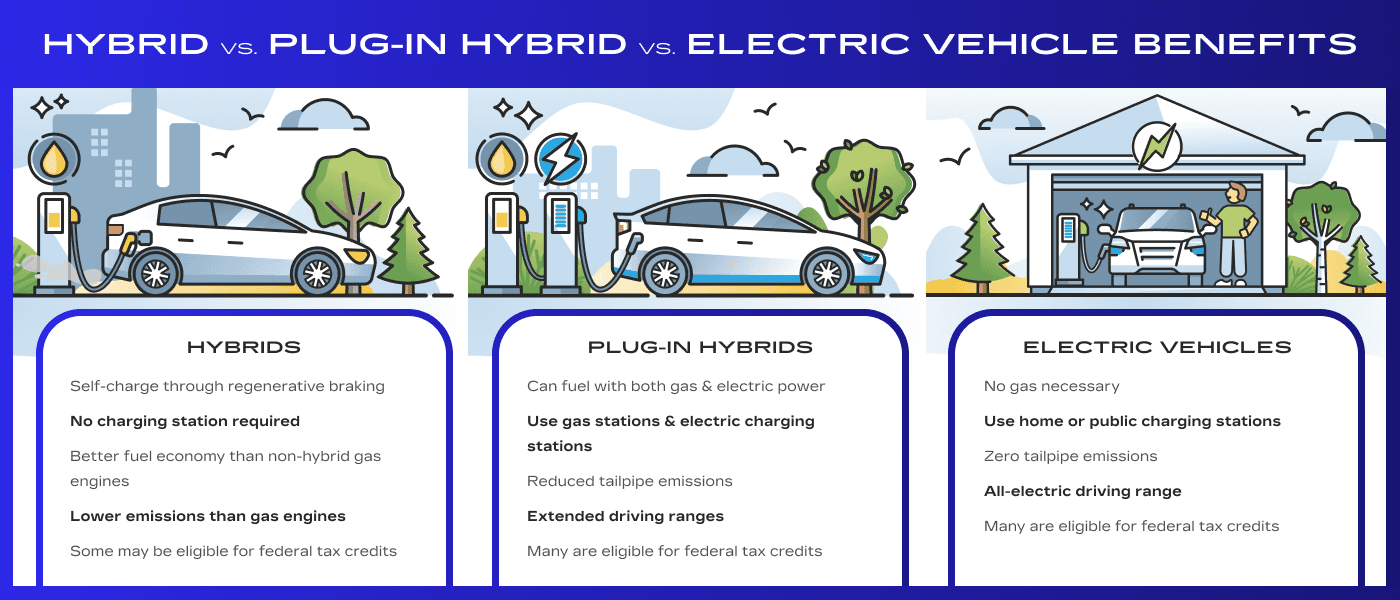
Hybrid vs electric: Hybrids suit mixed driving; electric cars excel for short range and low running costs.
I have spent years testing and researching cars, and I know how confusing the hybrid vs electric choice can feel. This article breaks down how hybrid vs electric systems work, the costs, the environmental impact, real-life pros and cons, and practical buying advice. Read on to get clear, friendly guidance you can use today.
Understanding the basics of hybrid vs electric
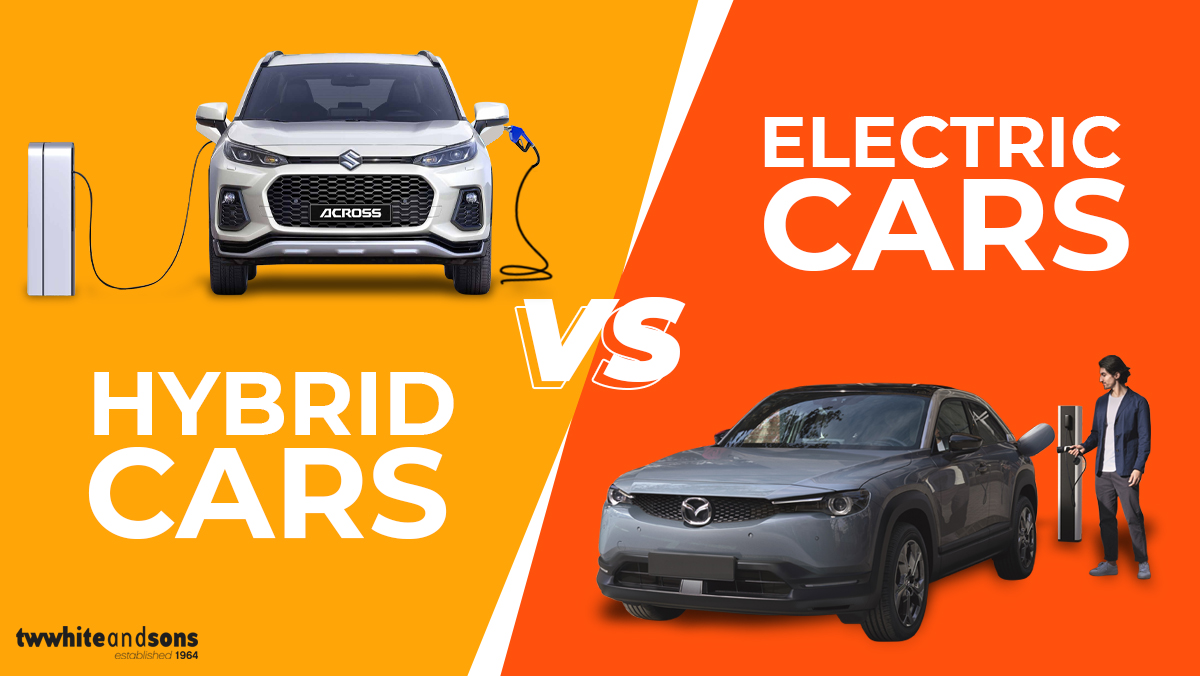
People ask "hybrid vs electric" to decide which car fits their life. A hybrid uses a gas engine and an electric motor together. An electric vehicle runs only on a battery and an electric motor. Both cut fuel use, but they do it in very different ways.
Why the difference matters:
- Range and refueling matter for road trips.
- Fuel and electricity costs drive long-term savings.
- Maintenance and repairs differ by drivetrain.
- Environmental benefits depend on electricity source and driving habits.
I will walk you through how each type works, costs to expect, and which one likely fits your life best. After years of driving both, I share what I learned and what to avoid.
How hybrids work
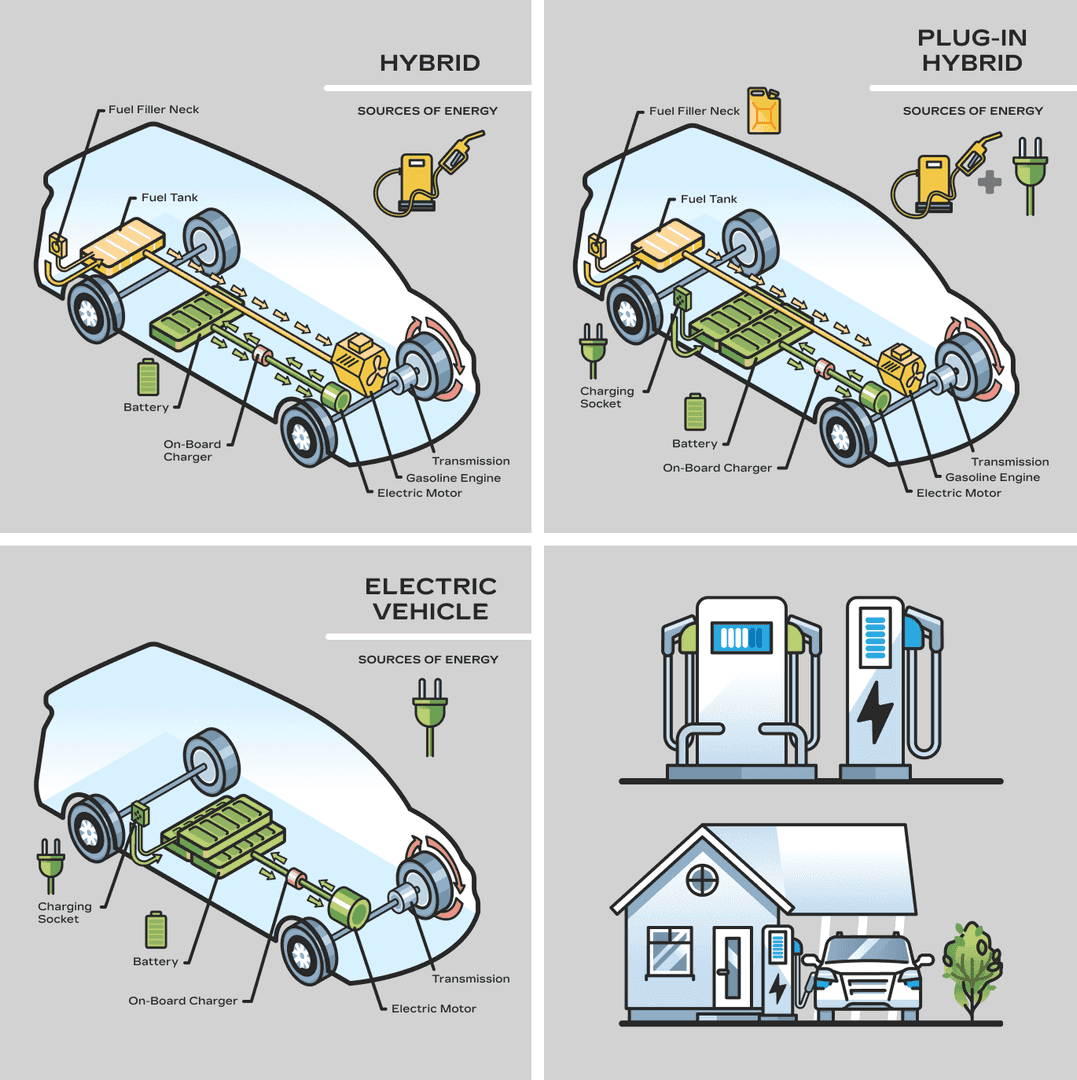
A hybrid combines two power sources to save fuel. Most hybrids use a small gasoline engine plus an electric motor and a battery. The battery charges while you drive, so hybrids do not need to be plugged in. Some hybrids are "plug-in" and can charge from the wall for short all-electric driving.
Key features of hybrids:
- Automatic switching between gas and electric for efficiency.
- Regenerative braking helps recharge the battery while driving.
- Smaller batteries than EVs, so they weigh less and cost less.
- Simpler charging needs; most models never need a plug.
From my experience, hybrids feel familiar to drivers used to gas cars. I once drove a hybrid for a month in city traffic and saw fuel use drop by nearly half. That kind of saving is common for stop-and-go commutes.
How electric vehicles (EVs) work
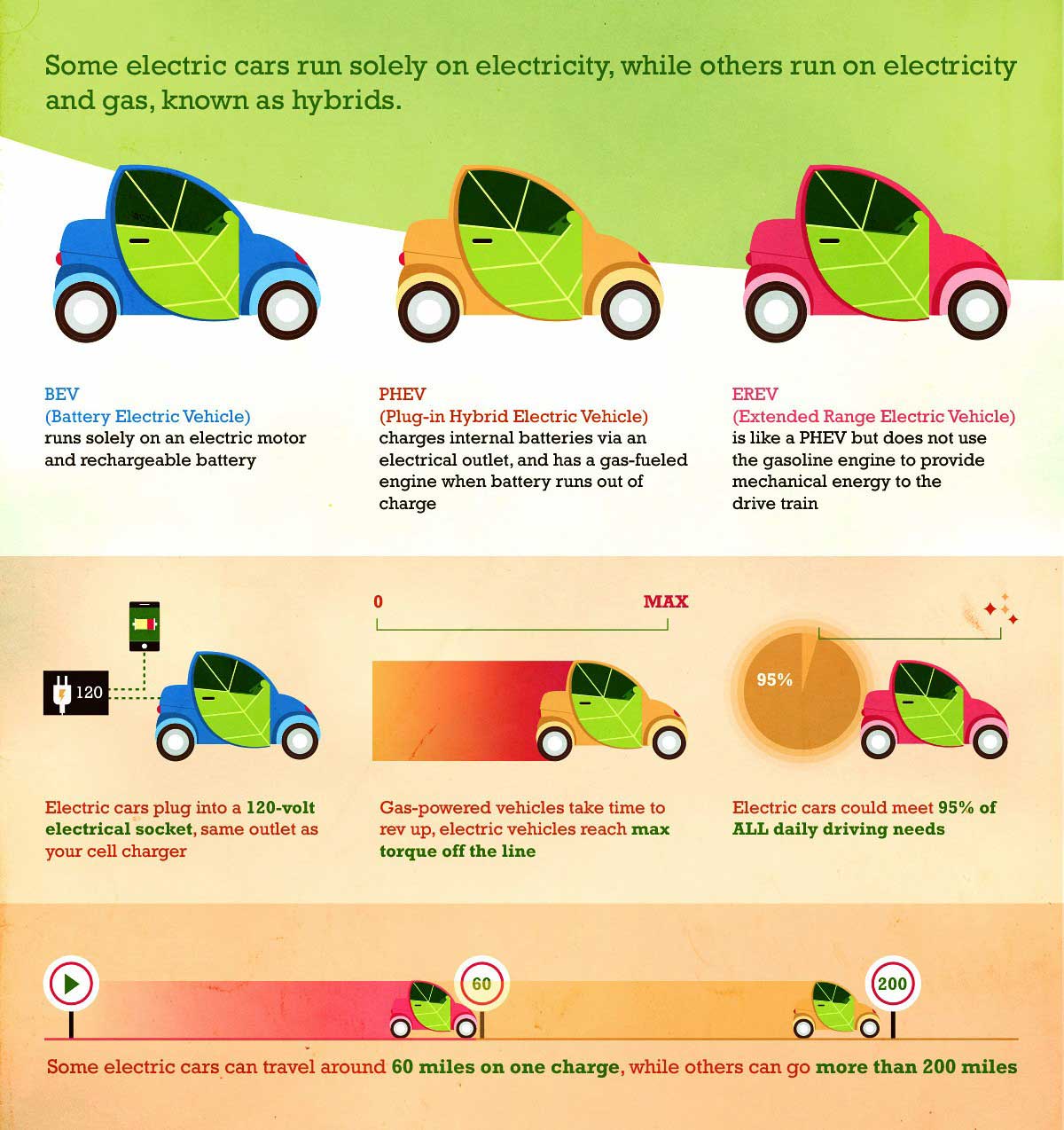
An electric vehicle runs on a large battery pack and an electric motor. EVs plug into charging stations or a home charger. They produce zero tailpipe emissions and feel instant in acceleration because electric motors deliver power smoothly.
Key features of EVs:
- Long single-gear acceleration and quiet cabin.
- Regenerative braking extends range and reduces wear.
- Charging takes longer than filling a gas tank but is often done at home.
- Battery size determines range, which can be 100 to 400+ miles today.
I drove an EV for six months and loved the quiet ride and low energy costs. Charging habits changed how I planned trips. Short errands felt easy with daily home charging, while long drives needed more planning.

Cost comparison: purchase, fuel, and incentives
Cost matters a lot when choosing hybrid vs electric. Upfront price often favors hybrids, but EVs can cost less to run.
Purchase price:
- Hybrids generally cost less up front than full EVs.
- Plug-in hybrids sit between hybrids and EVs in price.
- EV prices are dropping and incentives can lower cost.
Running costs:
- Electricity often costs less per mile than gasoline.
- EVs have fewer moving parts, so routine maintenance is cheaper.
- Hybrids still need oil changes and more engine care than EVs.
Incentives and rebates:
- Many regions offer tax credits or rebates for EVs and plug-in hybrids.
- Utility companies may offer lower electricity rates for car charging.
In my tests, an EV owner saved on fuel and maintenance enough to offset a higher purchase price over several years. But if you can't charge at home, that math changes and a hybrid can be cheaper long term.
Environmental impact: hybrid vs electric emissions
Both hybrids and EVs reduce emissions compared to gas cars. But the total benefit depends on how electricity is made and how you drive.
Emissions overview:
- Hybrids reduce tailpipe emissions but still burn fuel.
- EVs have zero tailpipe emissions but rely on the electric grid.
- If the grid uses clean energy, EVs offer much larger emission cuts.
Factors to consider:
- Your local grid mix affects EV carbon savings.
- Manufacturing batteries has an upfront environmental cost.
- Over the life of the vehicle, EVs typically beat hybrids in total emissions on average.
I reviewed lifecycle analyses in my work and found that EVs tend to win if you drive a lot and charge from a clean grid. For drivers with light yearly mileage, hybrids can still be a solid, lower-impact option.

Performance and driving experience
Driving feels different between hybrid vs electric cars. Your priorities will shape which you prefer.
What to expect:
- Hybrids: smooth transition between modes, familiar feel, strong in city traffic.
- EVs: instant torque, quiet ride, and often faster 0–60 mph times.
- Handling depends on weight; EV batteries add weight low in the chassis which often helps cornering.
Practical notes:
- EVs often have stronger single-gear acceleration.
- Hybrids can feel lighter and more nimble on long trips.
- Temperature affects both. Cold reduces EV range more than hybrid fuel efficiency.
My take: If you want brisk, quiet daily drives, an EV shines. If you want flexible range without charging stops, a hybrid may feel more convenient.
Maintenance and reliability
Maintenance differs sharply between hybrid vs electric vehicles. EVs simplify many service items, while hybrids mix traditional needs with electric components.
Maintenance comparison:
- EVs: fewer fluids to change, less brake wear, no oil or transmission fluid changes.
- Hybrids: need oil changes, exhaust checks, and engine service like a gas car.
- Battery care: both have battery systems; EV batteries are larger and can be costly if they fail outside warranty.
Reliability tips:
- Check battery warranties; many last 8–10 years or longer.
- Keep software updated; many EV features get better with updates.
- Regular checks on cooling systems and high-voltage components matter for hybrids and EVs.
From servicing both types, I found EV maintenance visits are simpler and cheaper, but repairs to EV-specific parts can be pricier if out of warranty.
Buying considerations and real-world use cases
Choosing between hybrid vs electric depends on your life. Here are clear guides to match the car to the driver.
Best for commuters and city drivers:
- EVs if you can charge at home and have predictable daily miles.
- Hybrids if you rarely charge or lack home charging.
Best for road trip or remote drivers:
- Hybrids or plug-in hybrids if long, unplanned trips are common.
- EVs work for road trips with good fast-charging networks along routes.
Budget and resale:
- Consider incentives, fuel savings, and expected battery life.
- Resale can vary; EVs are gaining value as demand rises.
Practical checklist before buying:
- Confirm home charging options or public charger access.
- Estimate your daily miles and annual driving.
- Run total cost-of-ownership numbers, not just sticker price.
I once helped a friend choose between a hybrid and an EV. They lived in a condo with no charger and drove long weekends. A hybrid fit better. For another friend with a garage and short commutes, an EV saved money and stress.
How to decide: a simple decision flow
Use this quick flow to decide between hybrid vs electric.
Step-by-step:
- Do you have reliable home charging? If yes, lean EV.
- Do you often drive long distances with no charging access? If yes, lean hybrid.
- Is lower maintenance and zero tailpipe emission a top priority? If yes, EV is best.
- Do you need the cheapest upfront price? If yes, consider a hybrid.
- Are incentives and low running costs critical? Compare both using your local rates.
This flow worked for many people I advised. It keeps the choice tied to real habits, not hype.
Future trends and what to watch
The hybrid vs electric landscape is moving fast. Battery costs fall and charging networks expand, making EVs more compelling.
Trends to follow:
- Falling battery prices reduce EV purchase cost.
- More fast chargers on highways ease long trips.
- Automakers plan more EV models, increasing choice and competition.
- Hybrid tech will stay for years, especially where charging is scarce.
I recommend checking updated local incentives and charging maps before buying. They can change your total cost by a large amount.
Frequently Asked Questions of hybrid vs electric
What is the main difference between hybrid vs electric cars?
The main difference is that hybrids use both a gasoline engine and an electric motor, while electric cars run only on electricity. Hybrids do not always need external charging, whereas EVs require plugging in.
Which is cheaper to run: hybrid vs electric?
Electric cars are generally cheaper to run per mile because electricity costs less than gasoline and EVs have lower maintenance needs. However, actual savings depend on electricity prices, incentives, and driving habits.
Can I drive an electric car on long trips like a hybrid?
Yes, you can drive EVs on long trips, but you need to plan charging stops and use fast chargers along the route. Hybrids offer easier refueling without charging stops.
Do hybrids and EVs have battery problems?
Both use batteries but differ in size and stress. EV batteries are larger and more expensive to replace, while hybrid batteries are smaller and often cheaper; warranties and proper care help avoid big failures.
Are hybrid vs electric cars better for the environment?
EVs typically offer larger lifetime emission reductions when charged on clean grids. Hybrids still reduce fuel use and emissions but not as much as EVs on average.
Conclusion
Choosing between hybrid vs electric comes down to how you drive, where you live, and what you value most. Hybrids offer flexibility and lower upfront cost for mixed driving and limited charging access. EVs offer lower running costs, cleaner daily driving, and a modern driving feel when home charging is possible. Use the simple decision flow above, check local incentives, and test drive both types to see what fits your life.
Take action now: list your daily miles, check local charging or fueling options, and compare total ownership costs. If you found this guide helpful, leave a comment with your situation or subscribe for more practical car-buying tips.