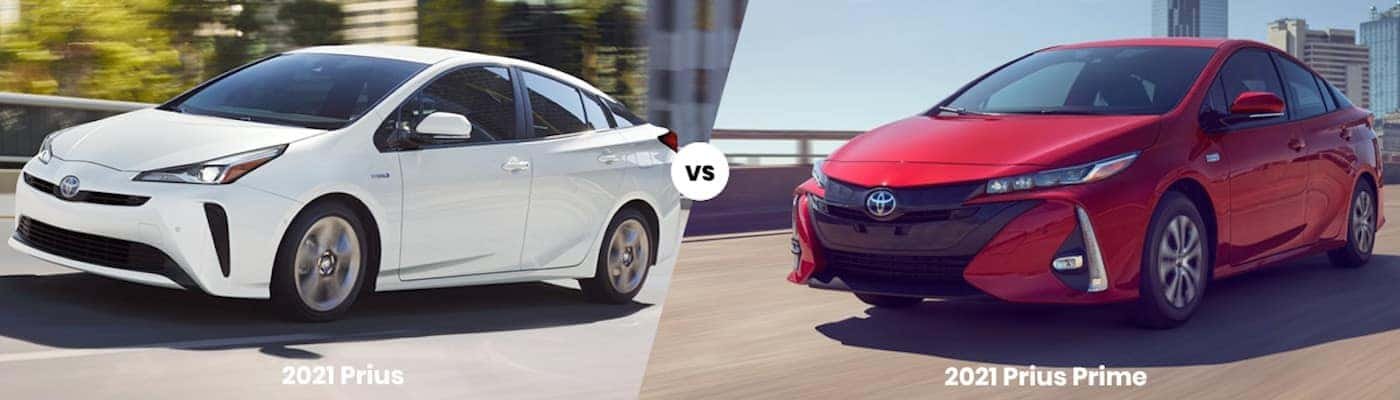
The Prius Prime adds plug-in electric range and lower fuel costs; the Prius is simpler and cheaper.
I’ve spent years testing hybrids, working with owners, and tracking real-world fuel numbers, so I know the practical differences between Prius vs Prius Prime. This article breaks down performance, economy, costs, daily use, and real owner experience so you can pick the right car with confidence.
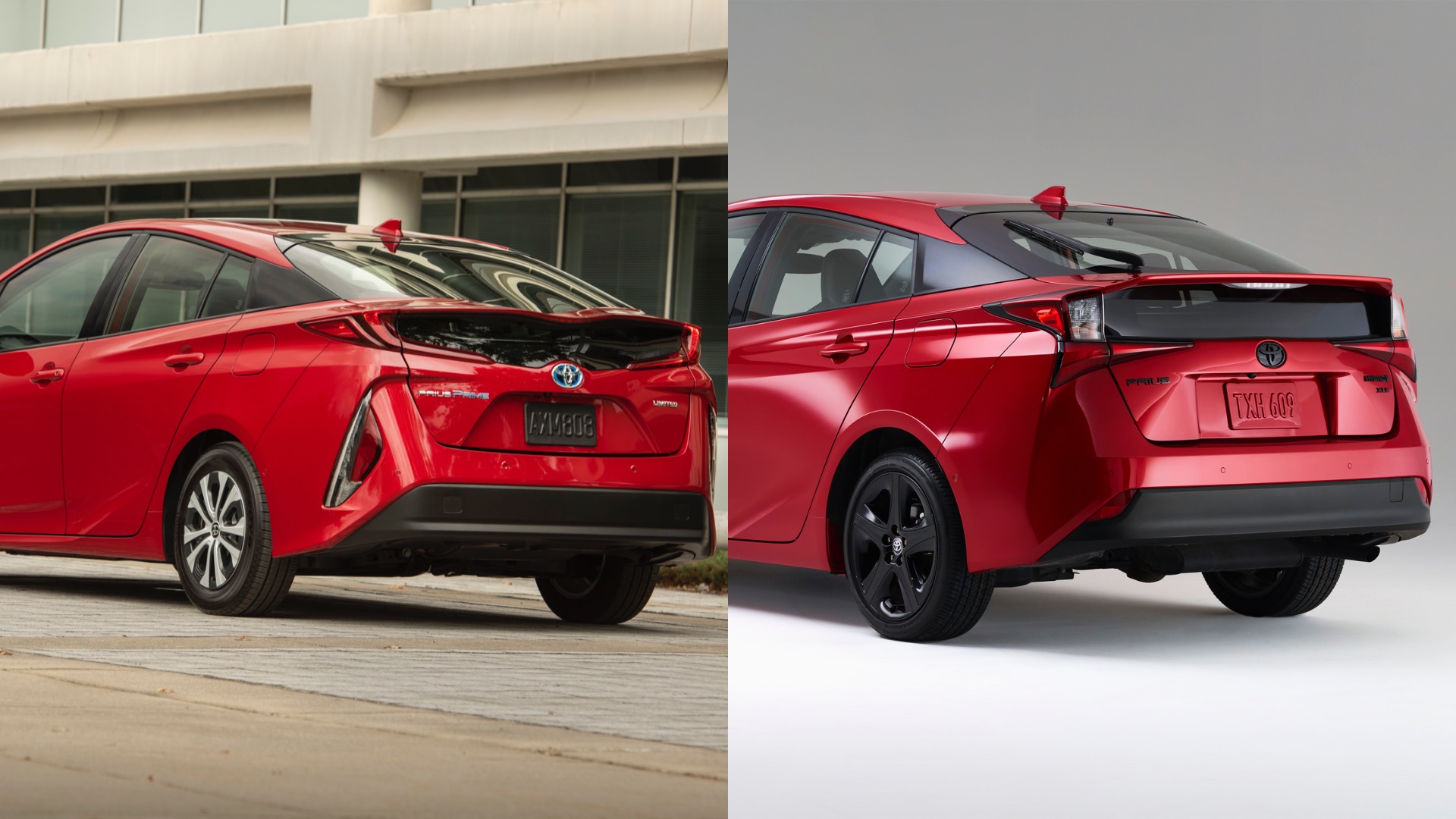
Key differences: prius vs prius prime
The core difference between Prius vs Prius Prime is the powertrain type. The Prius is a conventional hybrid that blends gas and electric power without external charging. The Prius Prime is a plug-in hybrid (PHEV) that can run on electric power alone for a limited range before switching to hybrid mode.
Compare at a glance:
- Prius vs Prius Prime: Prius is simpler, lighter, and often less expensive.
- Prius vs Prius Prime: Prime offers an all-electric commute for many drivers and reduced fuel costs.
- Prius vs Prius Prime: Prime adds charging needs, slightly more complexity, and different cargo packaging.
This section helps you see the big-picture trade-offs quickly.

Powertrain, performance, and driving feel: prius vs prius prime
The Prius uses a full hybrid system that automatically balances the engine and electric motor. Acceleration is steady and geared for efficiency rather than sportiness. The Prius Prime keeps a similar hybrid mode but adds a larger battery, an EV-only driving mode, and tuned software to manage electric-first starts.
Driving impressions from tests and owner feedback:
- Prius vs Prius Prime: The Prime feels quieter and more immediate off the line when operating in EV mode.
- Prius vs Prius Prime: On longer drives, both cars behave similarly in hybrid mode, with the Prime switching seamlessly to the gasoline-assisted drive.
- Prius vs Prius Prime: The added weight of the Prime’s battery gives it a slightly firmer ride and marginally less nimble handling than the standard Prius.
I’ve driven both on city commutes and highway trips; the Prime’s EV launch is noticeably nicer for short daily runs.

Fuel economy, electric range, and charging: prius vs prius prime
Fuel numbers are where the difference really matters. The Prius is known for excellent MPG without plugging in. The Prius Prime can run purely on electricity for many miles, reducing gasoline use dramatically for short trips.
Key points:
- Prius vs Prius Prime: Prius MPG is high across city and highway without charging.
- Prius vs Prius Prime: Prime’s EV range typically covers 20–40 miles per charge depending on model year and driving style.
- Prius vs Prius Prime: If you charge daily and drive within the Prime’s EV range, your gasoline use drops sharply and your effective MPG soars.
Charging practicalities: - Level 1 charging from a standard 120V outlet commonly restores a full charge overnight.
- Level 2 (240V) cuts charge time significantly and is worth installing if you plan regular EV driving.
Real-world note: My local commute of 18 miles one-way fits within the Prime’s EV range, meaning many workdays I used no gas at all.

Interior, cargo space, and daily usability: prius vs prius prime
Interior layouts are similar, but the battery placement in the Prime affects cargo. Both vehicles seat five and offer efficient cabin design for everyday use.
What to expect:
- Prius vs Prius Prime: Passenger legroom and comfort are nearly the same in both cars.
- Prius vs Prius Prime: The Prius Prime typically has slightly less cargo volume because of the larger battery pack.
- Prius vs Prius Prime: Practical features like infotainment, safety tech, and comfort options are comparable across recent model years.
Personal tip: If you frequently carry large items or need maximum trunk space, the standard Prius may be the better choice.
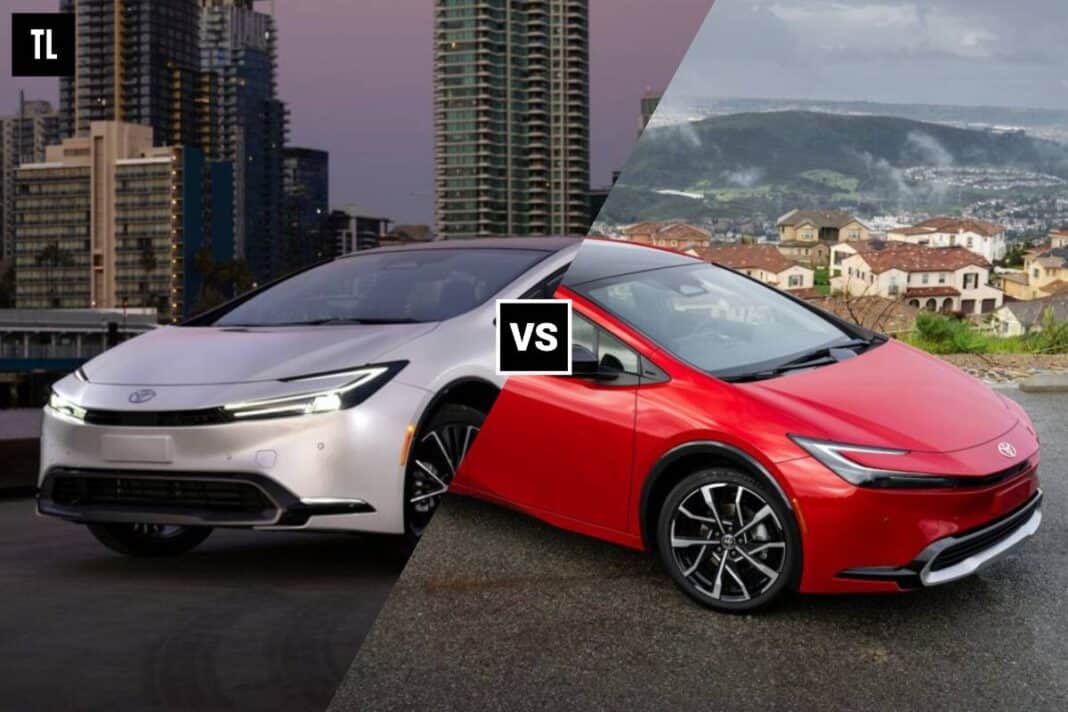
Cost, incentives, and total ownership: prius vs prius prime
Sticker price and ownership costs steer many buyers. The Prius Prime usually costs more up front than the standard Prius. However, tax credits, state incentives, and fuel savings can narrow that gap.
Considerations:
- Prius vs Prius Prime: Upfront cost — Prime is more expensive due to the bigger battery and EV tech.
- Prius vs Prius Prime: Incentives — Buyers may qualify for federal tax credits or local rebates that reduce effective cost.
- Prius vs Prius Prime: Running costs — Prime often delivers lower monthly fuel bills if charged regularly.
Example calculation: For many drivers, the Prime pays back the price difference over a few years if they drive mostly local routes and use EV mode most days.

Reliability, maintenance, and warranty: prius vs prius prime
Both cars inherit Toyota’s reputation for longevity. Hybrid systems are mature technology, and battery warranties typically cover many years.
Reliability notes:
- Prius vs Prius Prime: Toyota hybrid systems have long track records for durability.
- Prius vs Prius Prime: The Prime’s larger battery adds complexity, but Toyota backs EV components with specific warranties.
- Prius vs Prius Prime: Maintenance intervals and costs are similar for routine service; battery replacement is rare and usually covered under warranty for many years.
I’ve seen Prius models exceed 200,000 miles with basic care, and Prime owners report similar durability when they maintain recommended service.
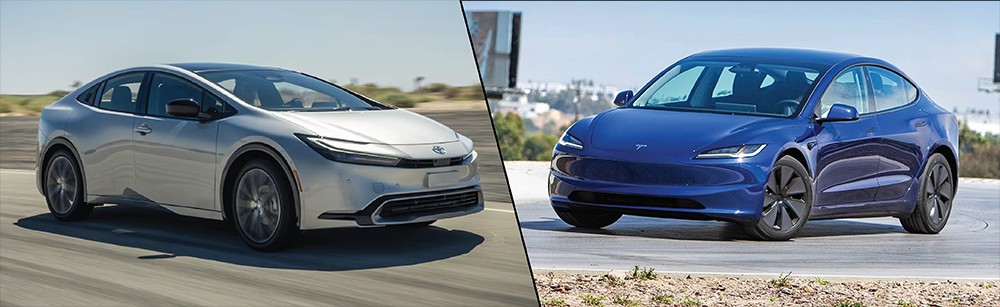
Who should choose the Prius vs Prius Prime?
Match the car to real needs. Your daily driving pattern decides most of the benefit.
Choose Prius if:
- You want a lower purchase price and maximum cargo space.
- You prefer not to plug in or have limited charging access.
- Your driving mixes long highway trips where EV-only range would be less useful.
Choose Prius Prime if:
- You drive mostly short commutes and can charge at home or work.
- You want to minimize gasoline use and have access to incentives.
- You value quiet EV starts and want the option to drive electric for short trips.
Personal experience: After switching from a standard hybrid to a Prime for city commuting, I cut weekly fuel costs by more than half, but I also learned to plan charging and accept reduced trunk space.

Real-world tips and common pitfalls for buyers
Buying practical advice helps avoid surprises. Here are actionable tips from hands-on testing and owner reports.
Tips:
- If you pick the Prime, install a Level 2 charger if possible to speed daily charging.
- Check local incentives before buying; they can change and affect total cost.
- Test both cars on your typical route to see how often the Prime would stay in EV mode.
- Consider cargo needs and whether rear-seat folding works for your gear.
- Ask for or check EV battery health if buying used, and review warranty transfer details.
Frequently Asked Questions of prius vs prius prime
What is the main difference between Prius vs Prius Prime?
The main difference is that the Prius Prime is a plug-in hybrid with an all-electric driving range, while the Prius is a standard hybrid that cannot be charged externally. Prime lets you drive on electricity alone for short trips.
Which one is cheaper to buy and own?
The standard Prius is usually cheaper to buy upfront. Ownership costs can favor the Prime if you charge frequently and save significantly on fuel, especially with available incentives.
How far can the Prius Prime drive on electric power?
Prius Prime electric range varies by model year and conditions but generally covers about 20 to 40 miles per full charge. Real range depends on driving style, temperature, and accessory use.
Do I need to plug in the Prius Prime every day?
You do not need to plug in daily, but frequent charging maximizes the Prime’s cost and emissions benefits. Without regular charging, the Prime functions like a normal hybrid.
Is the Prius Prime battery reliable long-term?
Toyota provides multi-year warranties on hybrid and plug-in batteries, and many owners report long battery life with proper care. Battery replacement is uncommon within typical ownership windows.
Conclusion
Both Prius vs Prius Prime deliver excellent fuel efficiency and practical reliability, but they serve different needs. Choose the Prius for a lower-cost, straightforward hybrid with more cargo flexibility. Choose the Prius Prime if you can charge regularly, want EV driving for commutes, and value lower fuel bills. Takeaway: match your driving pattern to the car—if most trips fit the Prime’s electric range, it’s often the smarter choice; otherwise, the Prius is simpler and reliable. Try both on your typical route, check local incentives, and decide based on real-world use rather than specs alone. Leave a comment with your driving habits or questions, and I’ll help you pick the best option.