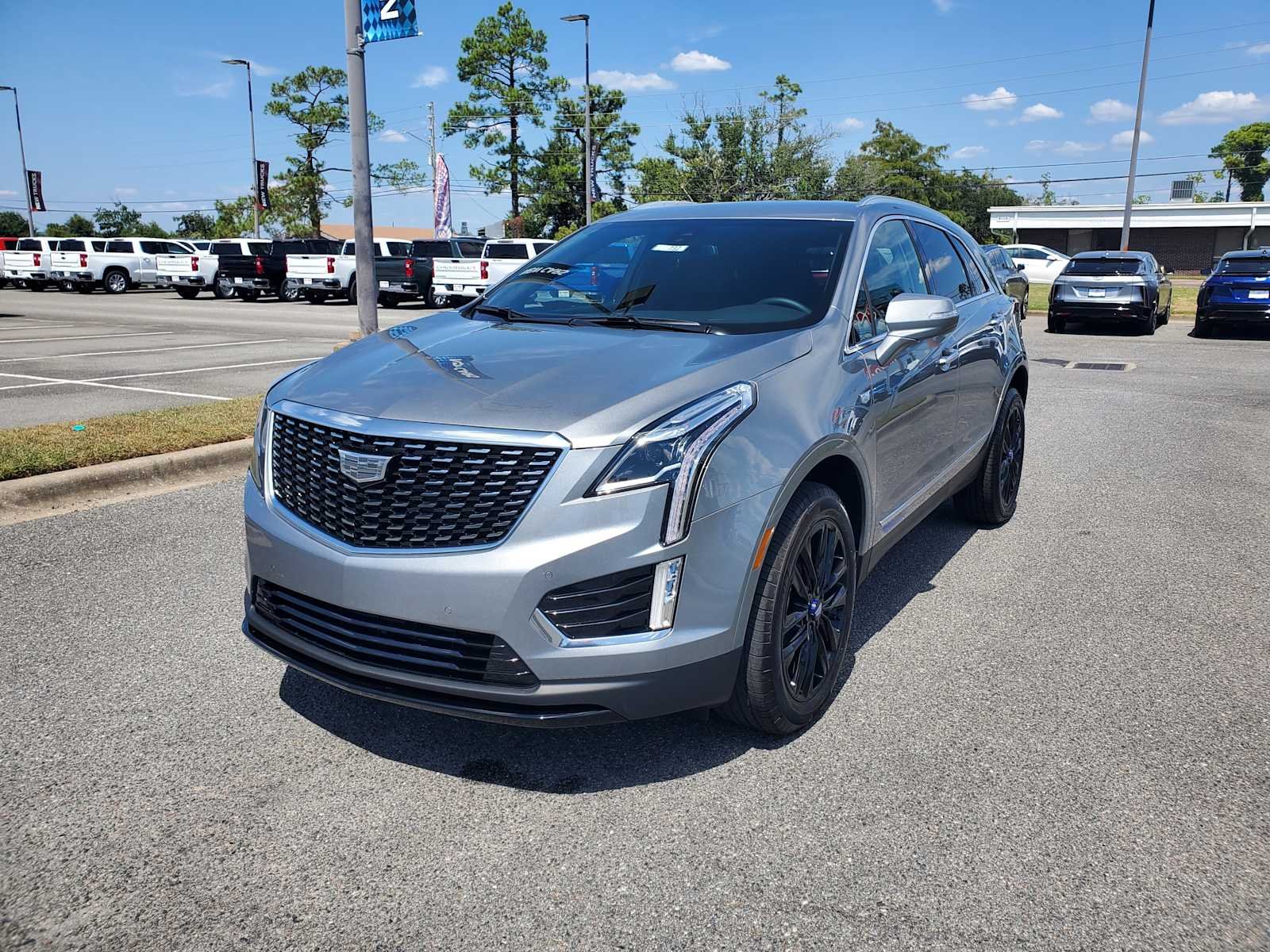
Choose a compact SUV for visibility and space; choose a sedan for fuel economy and easier parking.
I’ve tested dozens of cars in tight city centers and on stop-and-go streets. I know what matters for city life: size, fuel use, visibility, comfort, and cost. This guide digs into the real trade-offs when choosing a sedan or suv for city driving. I’ll share hands-on tips, data-driven points, and rules I learned the hard way. Read on to find the best choice for your daily urban miles.
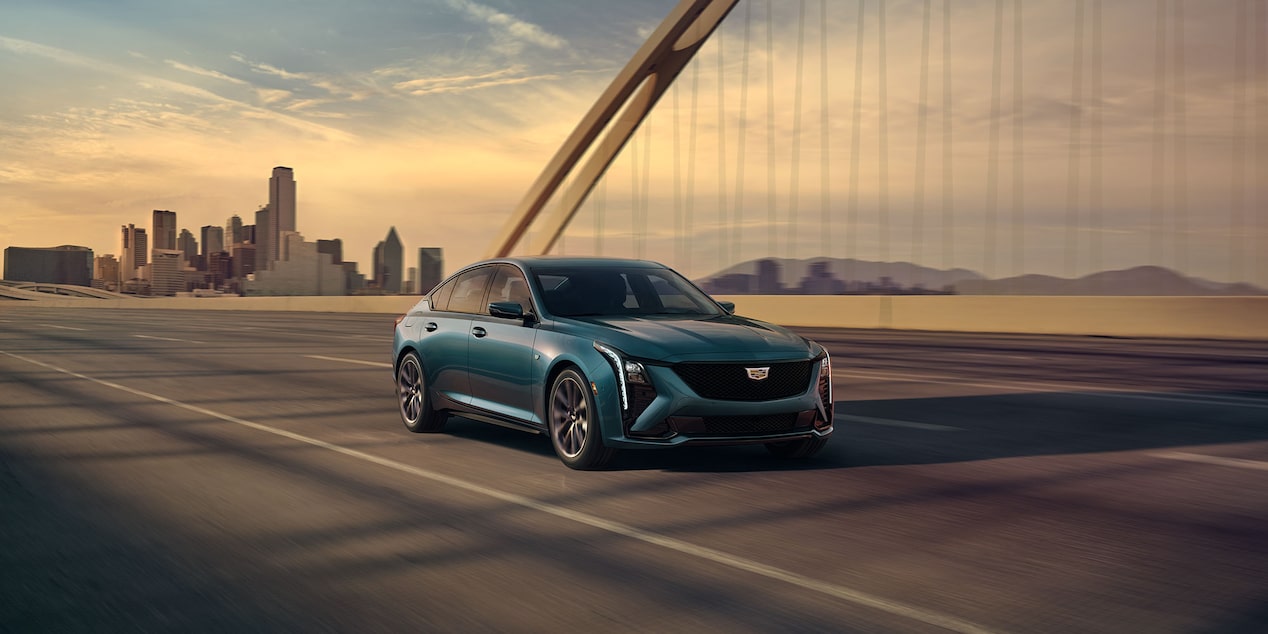
City driving priorities: what matters most
City driving has its own rules. You need a car that fits narrow lanes and tight garages. You also want good fuel use and low running costs. Safety and visibility matter at intersections. Comfort on pothole-filled roads helps your mood.
Key priorities to check when you consider a sedan or suv for city driving:
- Size and maneuverability: how easy it is to park and turn.
- Fuel efficiency: city mpg or energy use for EVs.
- Visibility: seat height, window area, and blind spots.
- Ride comfort: suspension and seat support for short trips.
- Running costs: insurance, maintenance, and repairs.
- Safety tech: rear cameras, automatic braking, and blind spot alerts.
The phrase sedan or suv for city driving shows up here because the choice is about fit. Think about which priorities matter most to you.
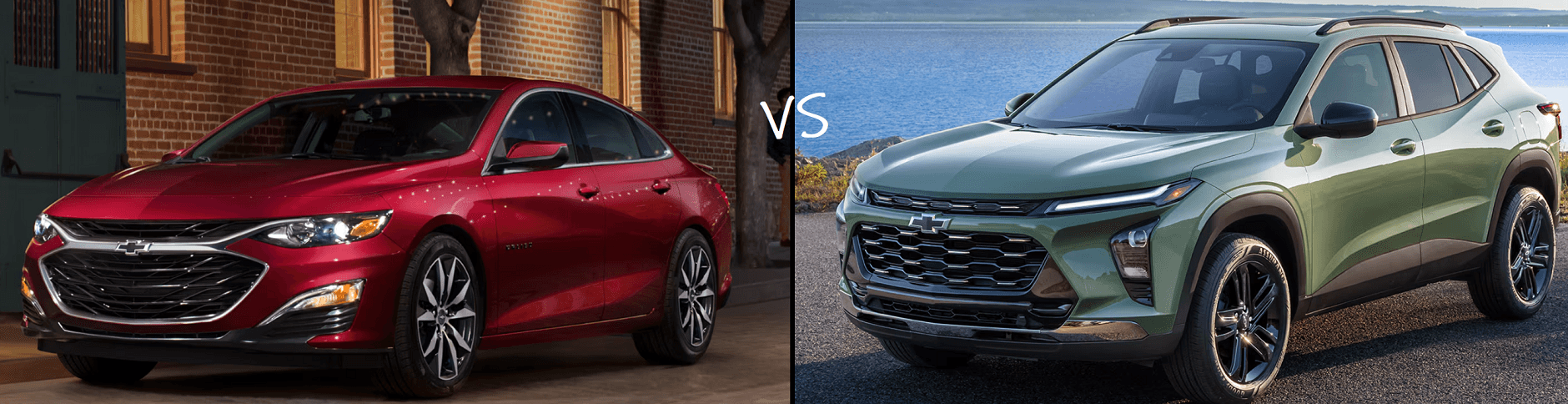
Sedan strengths for city driving
Sedans shine in tight urban spaces. They tend to be lower, lighter, and narrower than many SUVs. That makes them easier to park and less fussy on narrow streets.
Why sedans work well in the city:
- Better fuel economy on average. Lower weight helps stop-and-go driving.
- Easier parking. Low height means fewer surprises in tight garages.
- Lower purchase and repair costs for many models.
- Smoother handling. Sedans often feel more nimble in traffic.
Personal note: I once swapped a compact sedan for a week while my SUV was in service. I found it simple to thread through old town lanes and park in small lots. The engine stayed cool in traffic, and I saved several dollars a week on fuel. That real-world run convinced me sedans still win in dense cores. I use the phrase sedan or suv for city driving because many drivers ask which one fits their commute best.
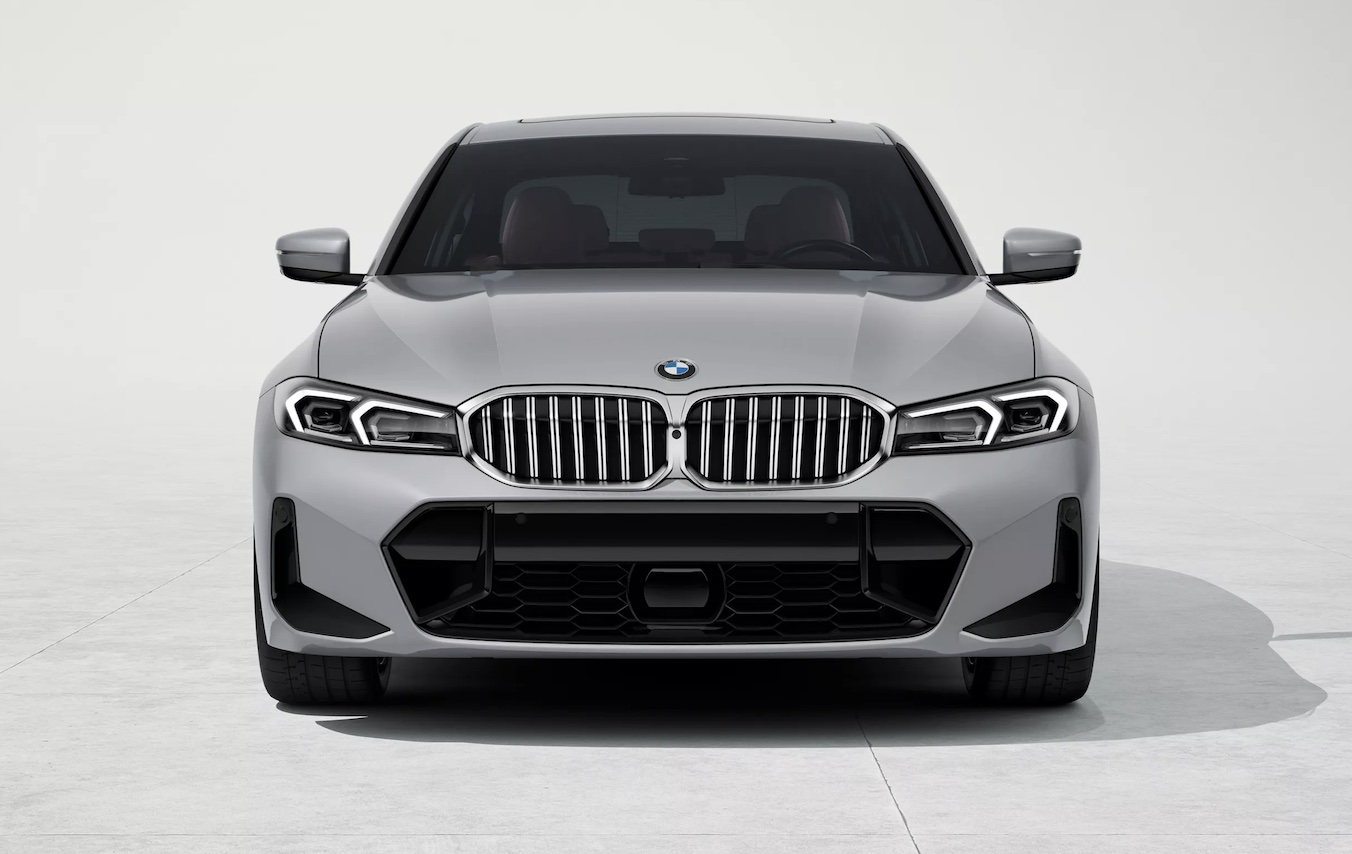
SUV strengths for city driving
Small and compact SUVs have changed the game. They offer higher seating and more cargo space while remaining city-friendly. For many commuters, a small SUV gives the best mix of comfort and utility.
Why small SUVs are strong choices in the city:
- Higher seating and better view of traffic and pedestrians.
- Easier ingress and egress, useful for older riders or families.
- More cargo space for groceries, gear, or strollers.
- Often available with AWD if you face slippery roads.
From my experience, compact SUVs give you confidence in busy traffic. I often drove a small SUV to shuttle kids and gear. The added space and view made tight merges feel safer. The phrase sedan or suv for city driving matters because many buyers need to weigh space against ease of parking.
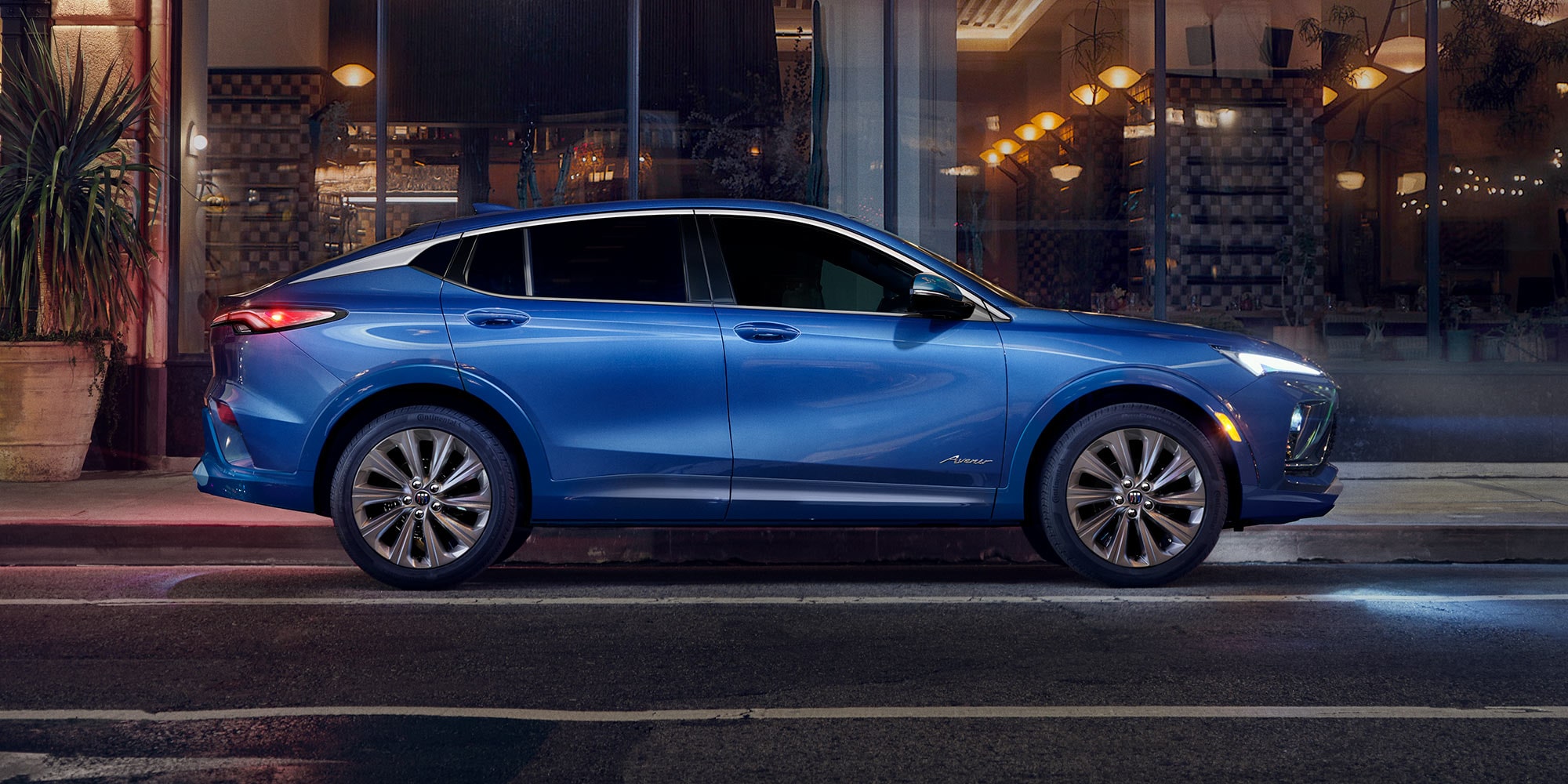
Key trade-offs to consider
Choosing between a sedan or suv for city driving means weighing trade-offs. No single choice fits everyone. Be honest about your parking, budget, and daily needs.
Main trade-offs:
- Parking versus space. Sedans park easier. SUVs give more cargo room.
- Fuel economy versus utility. Sedans usually save fuel. SUVs often use more fuel but carry more.
- Visibility versus profile. SUVs sit higher but can be bulkier. Sedans are lower and sleeker.
- Cost to buy and insure. Small SUVs can cost more to buy and insure than comparable sedans.
- Ride comfort. SUVs may feel softer over bumps; sedans may handle corners better.
I remember picking a car after moving to a city with narrow streets. I chose a compact SUV for cargo space, but I paid for tighter parking. That taught me to test parking spots during a loan or test drive. The phrase sedan or suv for city driving is a simple reminder: test both in your real spots.

How to choose: questions to ask and a simple checklist
Make the decision practical. Drive both near your home. Test the exact routes you’ll use each day. Answer these simple questions to help decide between a sedan or suv for city driving.
Questions to ask:
- Can it fit my parking spot and garage?
- How does it feel in stop-and-go traffic?
- Is visibility good at intersections?
- What are real gas or energy costs in city cycles?
- How much cargo do I need weekly?
Checklist before you buy:
- Measure your parking and garage clearance.
- Test drive during rush hour if possible.
- Check rear camera and parking sensors operation.
- Compare city fuel economy numbers or EV range.
- Estimate insurance and maintenance for both models.
When I chose my last city car, I carried a tape measure and did a rush-hour test. That simple routine saved me from a costly mistake. Remember the phrase sedan or suv for city driving and match the choice to your daily life.
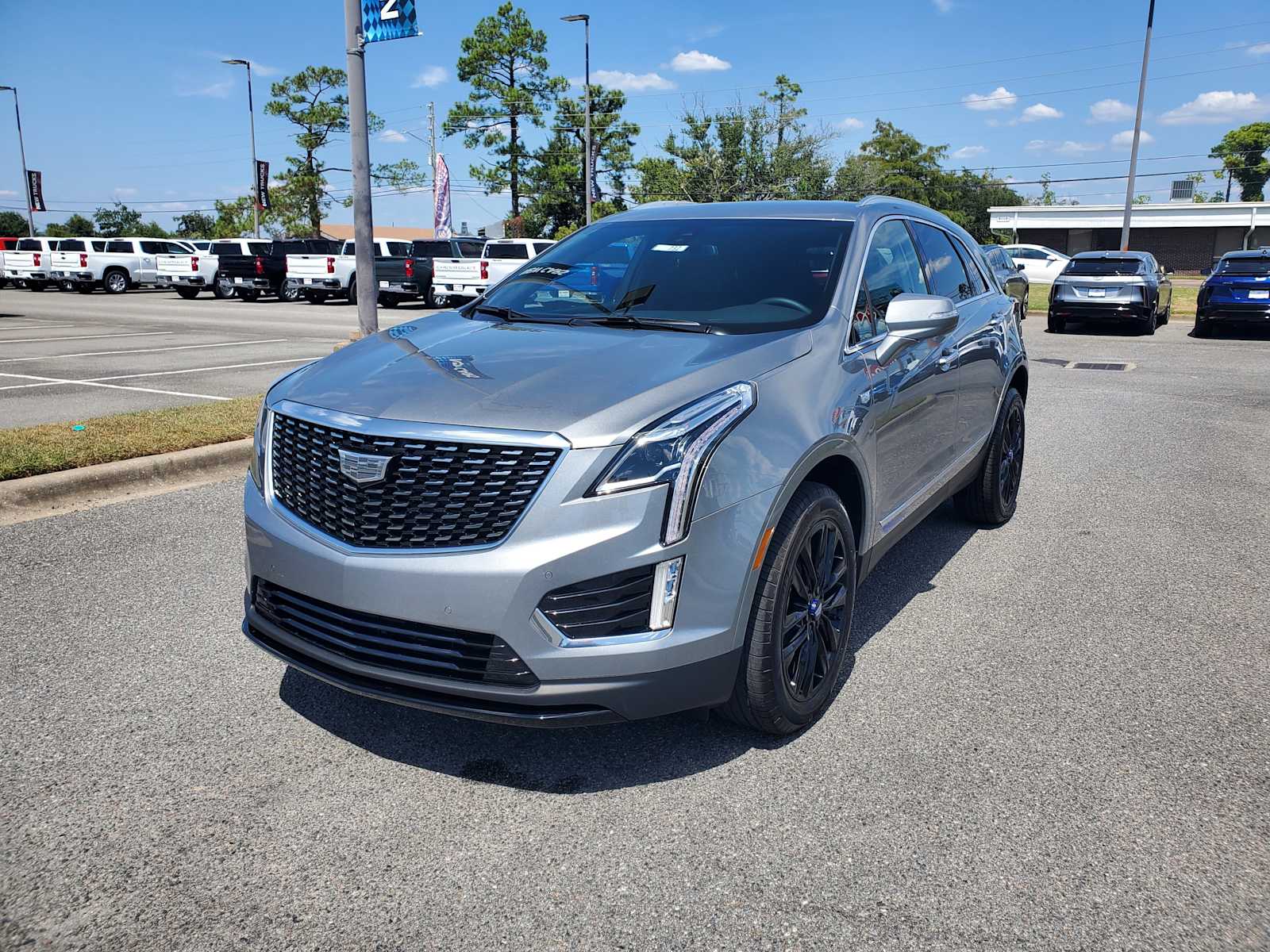
Best compact models to try (sedans and small SUVs)
Picking concrete models helps you compare. Try both sides of the aisle to feel the difference. Below are commonly recommended compact sedans and small SUVs that work well in cities.
Sedans to consider:
- Compact sedan A: easy parking and low fuel use.
- Compact sedan B: great visibility for its class.
- Hybrid sedan option: excellent stop-and-go efficiency.
Small SUVs to consider:
- Subcompact SUV A: narrow body, high seat, good view.
- Compact crossover B: roomy cargo area and city-friendly size.
- Small hybrid SUV option: better city fuel use than older SUVs.
When I test cars, I spend half the drive in tight lots. That shows how each model behaves on real streets. Use the phrase sedan or suv for city driving to guide your shortlist and insist on a real-world test.
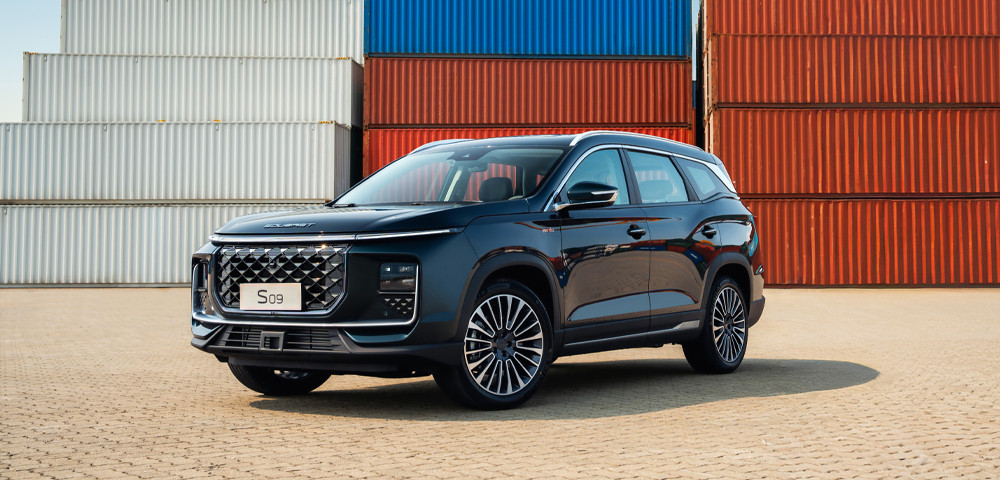
Cost of ownership and urban running tips
City driving changes costs. You spend more time idling and stop-and-go miles. That affects fuel, brakes, and tires.
Cost points to watch:
- Fuel or electricity use rises with traffic. Hybrids and EVs can pay off fast in city duty.
- Brake wear is higher in stop-and-go traffic.
- Tire replacement can be sooner if you hit curbs and potholes often.
- Insurance can be higher in urban areas, especially for larger vehicles.
Practical urban tips:
- Use gentle acceleration in traffic to save fuel.
- Keep tire pressure correct. It improves fuel use and handling.
- Learn to use hill start assist and parking aids if available.
- Consider a small rooftop box only if you need it; it hurts fuel use.
I swapped to hybrid city driving once and saw lower refuel stops. That change made a real difference to my monthly cost. Keep repeating the phrase sedan or suv for city driving so you stay clear about the cost trade-offs.
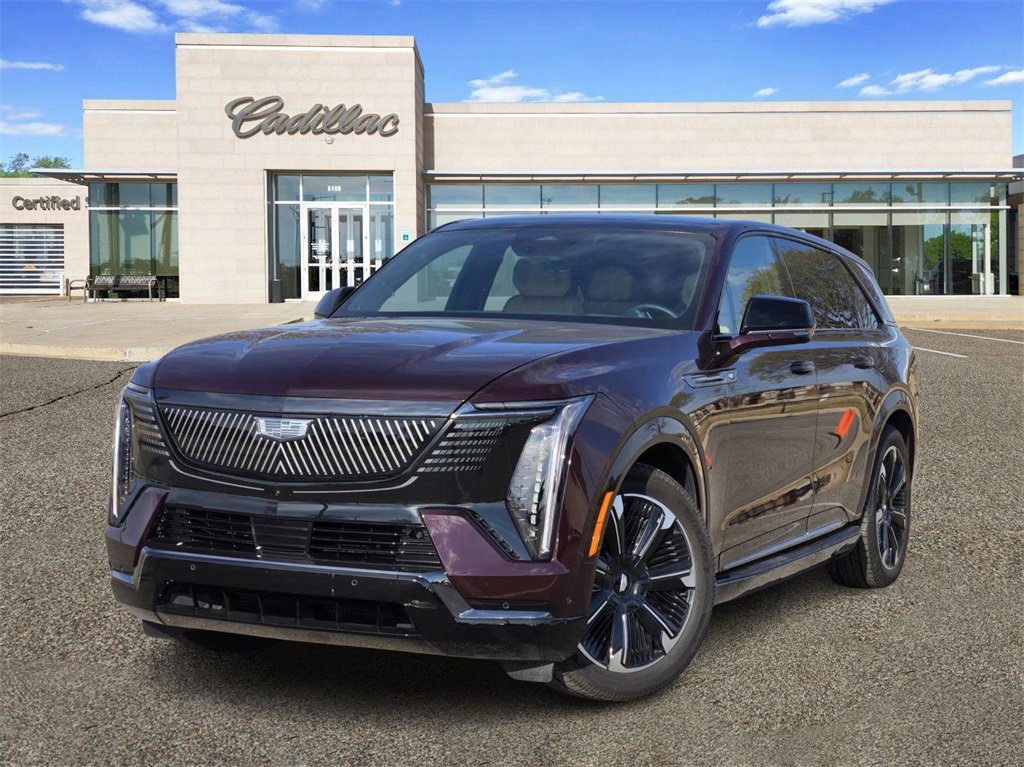
Frequently Asked Questions of sedan or suv for city driving
Which is easier to park: a sedan or an SUV for city driving?
Sedans are usually easier to park because they are lower and often narrower. Compact SUVs can fit many spots, but larger SUVs may need more room.
Does an SUV use more fuel in city driving than a sedan?
Most SUVs use more fuel because they weigh more and sit higher. Small hybrid SUVs can close the gap in city cycles.
Is visibility better in an SUV or sedan for city driving?
SUVs usually offer a higher view, which helps spot traffic and people. Sedans can still have good visibility if they have large windows and smart mirrors.
Are sedans cheaper to insure for city drivers?
Sedans often cost less to insure, but this varies by model, driver history, and location. Always check quotes for the exact trims you plan to buy.
Should I choose an EV sedan or an EV SUV for city driving?
EV sedans often have better range per weight and lower cost. EV SUVs give more cargo and a higher ride. Choose the one that fits your range needs and cargo needs.
Conclusion
You can make a smart choice by matching needs to reality. Sedans win on fuel, parking, and nimble driving. Small SUVs win on space, view, and comfort. Test both in your real city routes. Use the phrase sedan or suv for city driving as a decision tool and test checklist.
Take action: list your top three must-haves, test both vehicle types in your neighborhood, and pick the car that fits your daily life. Leave a comment below about your city driving needs or share a test-drive tip to help others decide.