FWD is cheaper and fuel-efficient; AWD gives better traction, control, and confidence in poor weather.
I've spent years testing cars and advising drivers on drivetrain choices, so I know the trade-offs inside out. This article dives deep into front wheel vs all wheel drive, explains how each system works, compares pros and cons, and gives clear buying and driving advice you can trust.

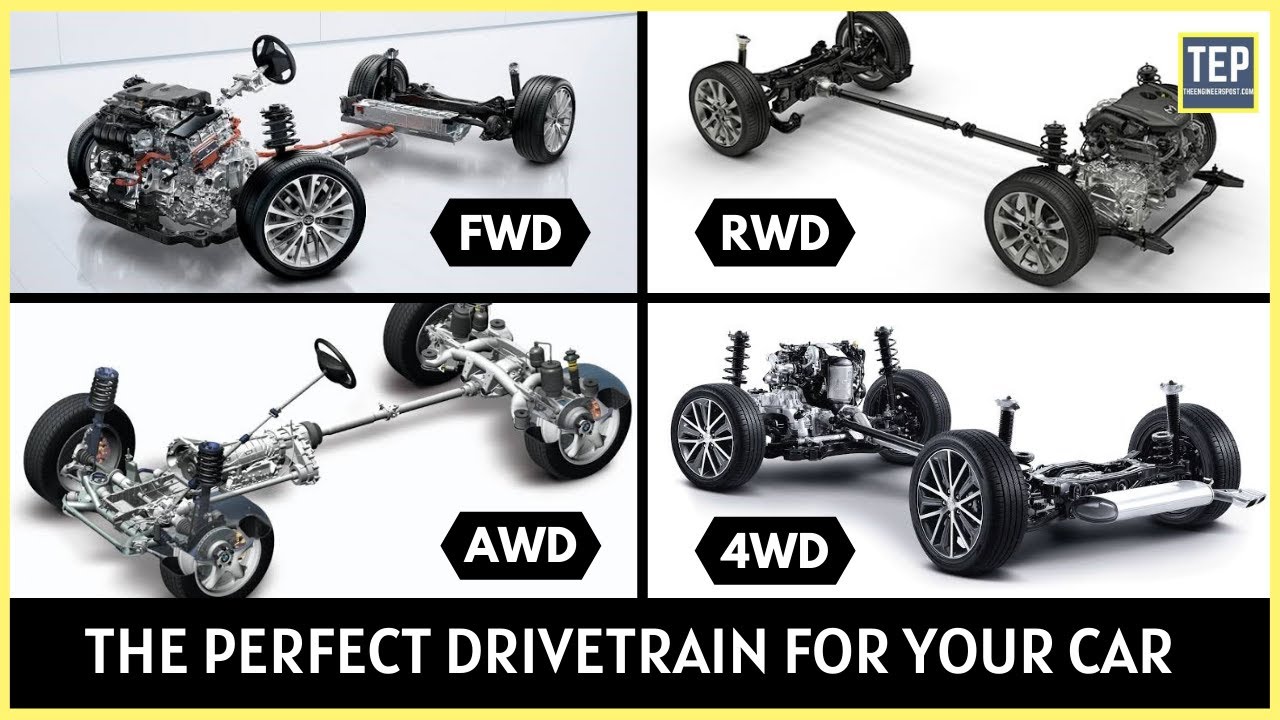
How front wheel vs all wheel drive systems work
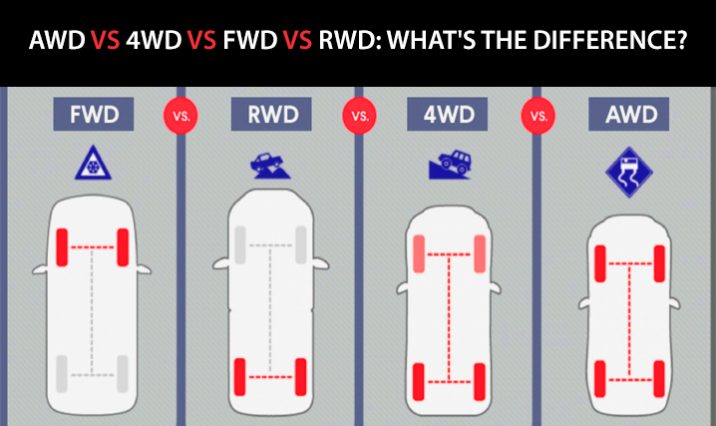
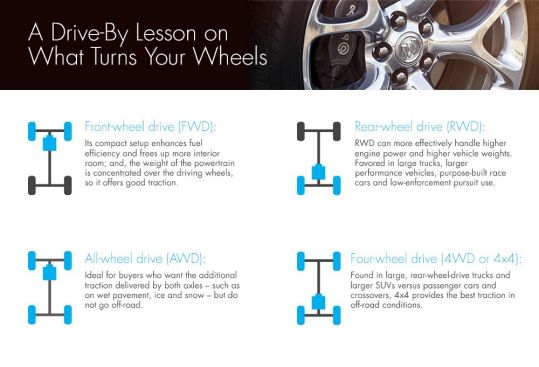
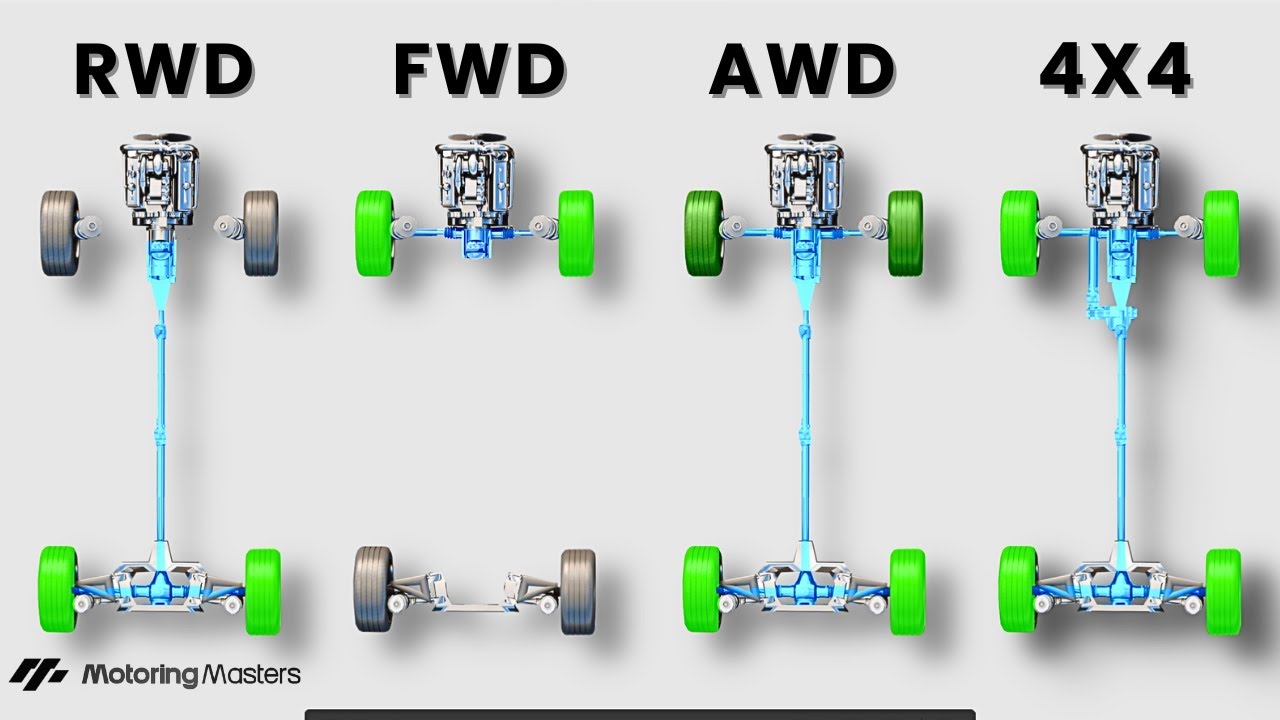
Front-wheel drive sends engine power to the car's front wheels only. It combines steering and drive duties in one axle. That makes the layout simple and efficient.
All-wheel drive sends power to all four wheels. Some AWD systems send power full-time. Others are on-demand and shift torque when needed. AWD adds complexity and extra parts.
Key technical differences
- Packaging — Front-wheel drive places the engine and transaxle up front for compact design.
- Power distribution — AWD uses a center differential, clutch pack, or electronic coupling to split torque.
- Traction control — AWD often pairs with advanced traction systems for better grip.
Why the difference matters
- Weight and complexity affect fuel use and repairs.
- Traction and stability impact safety in rain, snow, and loose surfaces.
- Cost and maintenance change with the system you choose.

Front-wheel drive: advantages and limitations
Front-wheel drive shines for daily driving and tight city life. It is common in compact cars and many crossovers.
Advantages
- Lower cost — FWD cars are usually cheaper to buy and maintain.
- Better fuel economy — Less drivetrain loss and lower weight help miles per gallon.
- Space efficiency — The engine and transmission sit up front, freeing cabin and cargo room.
- Predictable understeer — FWD tends to understeer, which is easier for most drivers to manage.
Limitations
- Traction limit — FWD hits grip limits under heavy acceleration or in deep snow.
- Torque steer — Powerful front-driven cars can pull to one side under load.
- Handling trade-off — FWD cars can feel less balanced in spirited driving.
How to decide if FWD fits you
- You live in mild climates and want lower cost and better fuel economy.
- You value cabin space and simple maintenance.
- You rarely need maximum traction on slippery roads.
All-wheel drive: advantages and limitations
AWD adds confidence on wet and slick roads. It is popular in SUVs, crossovers, and performance cars.
Advantages
- Superior traction — AWD helps accelerate on wet, icy, or loose surfaces.
- Improved stability — Power to all wheels can reduce spin and recover grip.
- Performance benefits — Some AWD systems improve cornering and launch control.
Limitations
- Higher cost — AWD increases purchase price and long-term maintenance costs.
- Lower fuel efficiency — Extra weight and drivetrain losses reduce mpg.
- More complex repairs — More components mean more potential failure points.
When AWD really helps
- You face frequent snow, ice, or wet mountain roads.
- You tow small trailers or drive unpaved roads regularly.
- You want a mix of everyday comfort and added all-weather confidence.
Performance, handling, and safety differences
Front wheel vs all wheel drive affects feel, control, and safety in clear ways. Each system changes how a car reacts in corners and on slippery surfaces.
Handling and feel
- FWD — Moves the driven wheels and steering to the front. The car often understeers, which feels safe for most drivers.
- AWD — Can be neutral or even oversteer-biased depending on torque split. Many AWD cars feel more planted, especially during acceleration.
Safety in poor conditions
- AWD reduces the chance of wheel spin at launch and helps maintain forward motion on slick roads.
- AWD does not make braking distances shorter. Good tires and careful driving remain essential.
Real-world trade-offs
- AWD improves stability during acceleration but adds weight that can affect braking and fuel use.
- Proper winter tires can often outperform AWD on ice in terms of stopping power and control.
Fuel economy, cost, and maintenance
Cost and efficiency are major factors in the front wheel vs all wheel drive decision. Here’s how they compare in clear terms.
Fuel and ownership cost
- FWD cars usually return better fuel economy. Expect a small but meaningful mpg edge.
- AWD adds roughly 3–6% fuel penalty depending on the vehicle and system.
Maintenance and repair
- FWD systems are simpler. Fewer differentials and half-shafts cut repair costs.
- AWD requires extra components: center differential, transfer case, extra driveshafts. These can raise repair bills.
Resale and insurance
- AWD can help resale value in cold climates. Insurers may view AWD as lower-risk in snowy regions.
- The initial premium for AWD may or may not pay off depending on where you live.
Choosing the right system for your life
Front wheel vs all wheel drive is ultimately about trade-offs. Ask simple questions to choose wisely.
Questions to guide your choice
- Where do you drive most? City, highway, mountains, or rural roads?
- How often do you face snow, heavy rain, or gravel roads?
- Do you prioritize fuel economy, low cost, or all-weather confidence?
- How long do you plan to keep the car?
Practical recommendations
- Buy FWD if you want lower cost, better fuel, and mostly dry-road driving.
- Buy AWD if you need better traction in rain or snow or you value extra stability.
- Consider FWD with winter tires if AWD cost is hard to justify; good tires make a big difference.
Test drive tips
- Try both FWD and AWD versions of the model you're considering.
- Test on both dry and wet surfaces if possible.
- Notice how cars accelerate from a stop and how they feel in turns.

My experience and real-world tips
I’ve driven FWD sedans, AWD crossovers, and performance AWD cars in city, mountain, and snowy road tests. I learned a few clear lessons.
What I learned
- AWD feels safer on wet mountain passes. It saved me from a few sliding moments.
- FWD with good winter tires kept up surprisingly well in town snow, and cost less to run.
- Maintenance matters more than drivetrain for long-term reliability. Regular service prevents most issues.
Practical tips from the road
- Invest in quality winter tires if you face snow, regardless of drivetrain.
- If you tow or drive on gravel often, AWD is worth the cost.
- For city commuters in mild climates, FWD gives the best value.
Mistakes to avoid
- Don’t assume AWD lets you speed on ice. AWD helps acceleration, not stopping.
- Don’t skip tire rotation and fluid checks on AWD cars. Neglecting them increases repair risk.
Frequently Asked Questions of front wheel vs all wheel drive
What are the main differences between front wheel vs all wheel drive?
Front-wheel drive powers only the front wheels and is simpler and lighter. All-wheel drive sends power to all four wheels, offering better grip in slick conditions but adding cost and weight.
Is AWD better in snow than FWD?
AWD helps with traction during acceleration and prevents wheel spin in snow. However, AWD does not reduce stopping distances; winter tires remain crucial.
Does AWD hurt fuel economy a lot?
AWD typically lowers fuel economy slightly due to extra weight and drivetrain loss. The penalty varies but is usually modest for modern systems.
Can I add AWD to a FWD car later?
Converting a FWD car to AWD is complex and usually not cost-effective. It often exceeds the value of the vehicle to retrofit the required parts.
Which is better for city driving: FWD or AWD?
FWD is usually better for city driving because it's cheaper, more fuel-efficient, and offers enough traction for most urban conditions.
Conclusion
Choosing between front wheel vs all wheel drive comes down to where you drive, your budget, and the level of confidence you want on tricky roads. FWD gives value, space, and efficiency. AWD gives grip and stability in poor weather. Pick the system that fits your climate and driving habits, and prioritize good tires and maintenance no matter which you choose. If you found this helpful, try test-driving both options, leave a comment with your situation, or subscribe for more car-buying tips.