Service costs vary widely; smart car service cost comparison saves hundreds and prevents surprises.
I’ve spent years comparing shop estimates, reading invoices, and fixing my own cars. This guide on car service cost comparison pulls together clear steps, real examples, and proven tips you can use right away. You’ll learn what drives price differences, how to get accurate quotes, when to trust a dealer, and how to lower costs without risking quality.

Why car service cost comparison matters
Comparing costs helps you avoid overpaying and protects your car’s long-term value. A good car service cost comparison shows where money is going — labor, parts, or diagnostics. It also helps you spot upsells and unnecessary repairs. Being informed leads to safer, cheaper decisions for routine and major work.
Key factors that drive car service cost comparison
Understanding what affects prices makes comparisons fair and useful.
- Type of service: Simple oil changes cost much less than timing belt jobs or transmission work.
- Make and model: Luxury and imported cars often cost more for parts and labor.
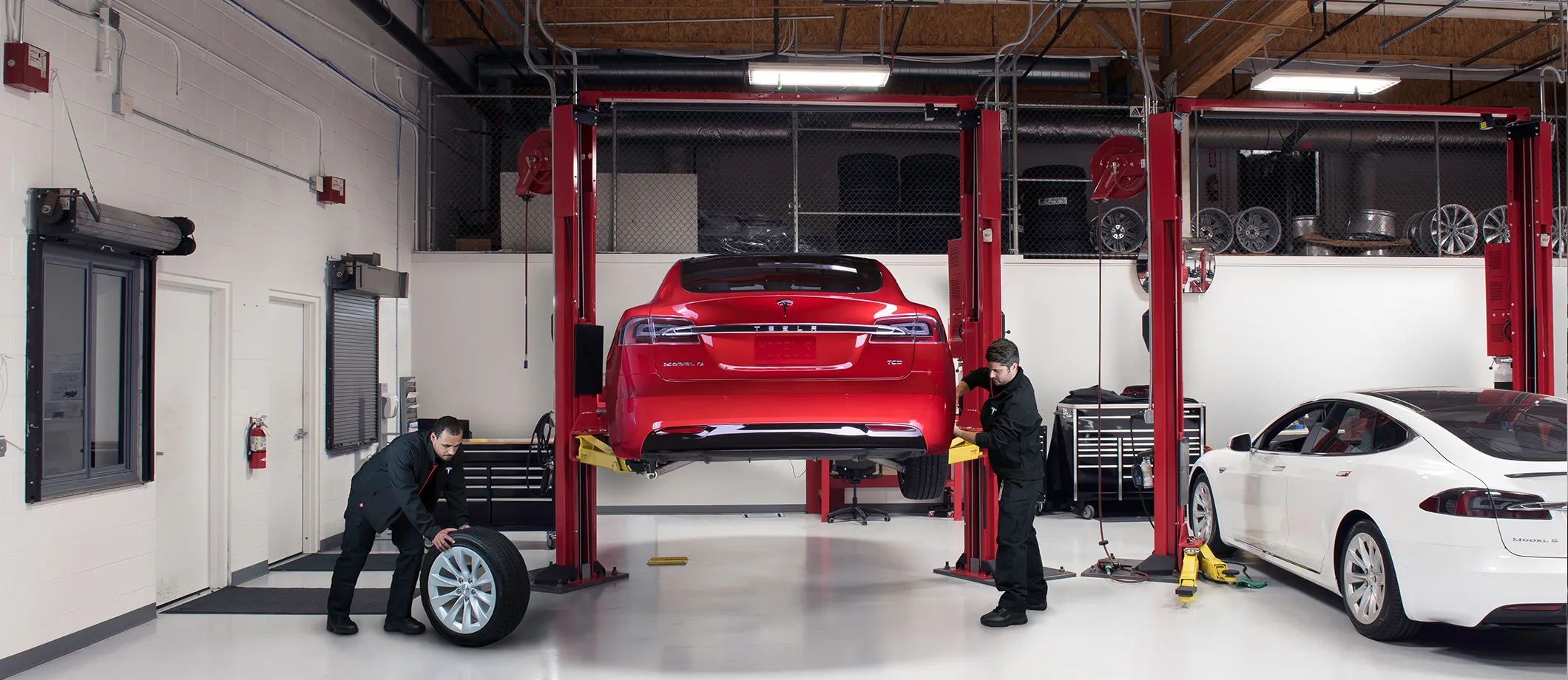
- Labor rates: Urban dealerships and specialty shops charge higher hourly rates.
- Parts quality: OEM parts cost more than aftermarket parts, and remanufactured parts sit between.
- Diagnostic time: Complex electrical or intermittent issues increase labor and diagnostic fees.
- Location and taxes: Geographic area and local taxes change final prices.
- Warranty and recalls: Covered repairs can reduce your out-of-pocket expenses.
- Shop reputation: Highly rated shops may charge a premium but often deliver better quality.

Typical price ranges by service type (US averages)
These ranges are estimates to help during a car service cost comparison. Exact prices vary by region and car.
- Oil change: $30 to $120
- Brake pad replacement (per axle): $100 to $350
- Brake rotor replacement (per axle): $200 to $600
- Battery replacement: $80 to $250
- Tire replacement (per tire): $60 to $300
- Wheel alignment: $70 to $200
- Transmission service/flush: $150 to $400
- Timing belt replacement: $300 to $1,000+
- Major service (annual or 60k): $300 to $1,200

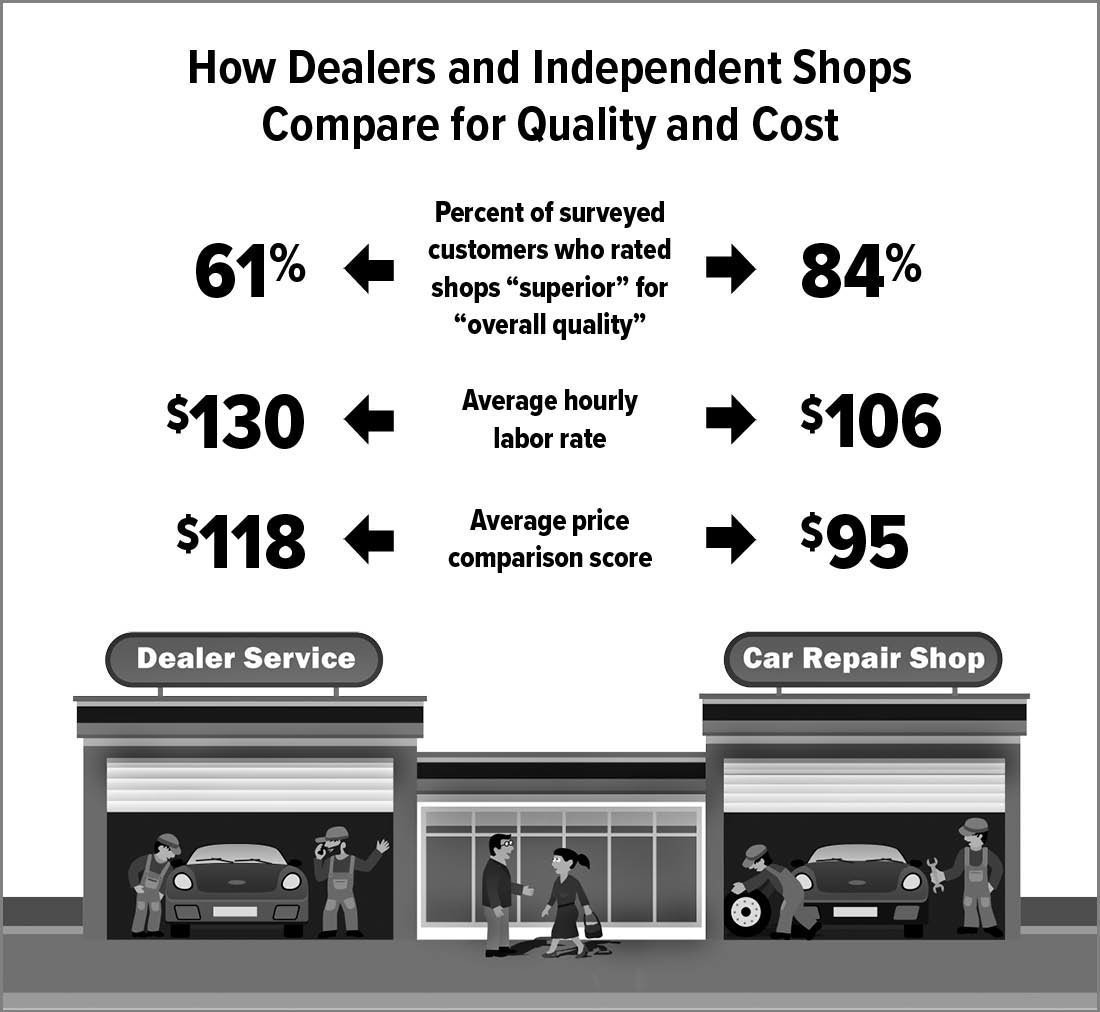
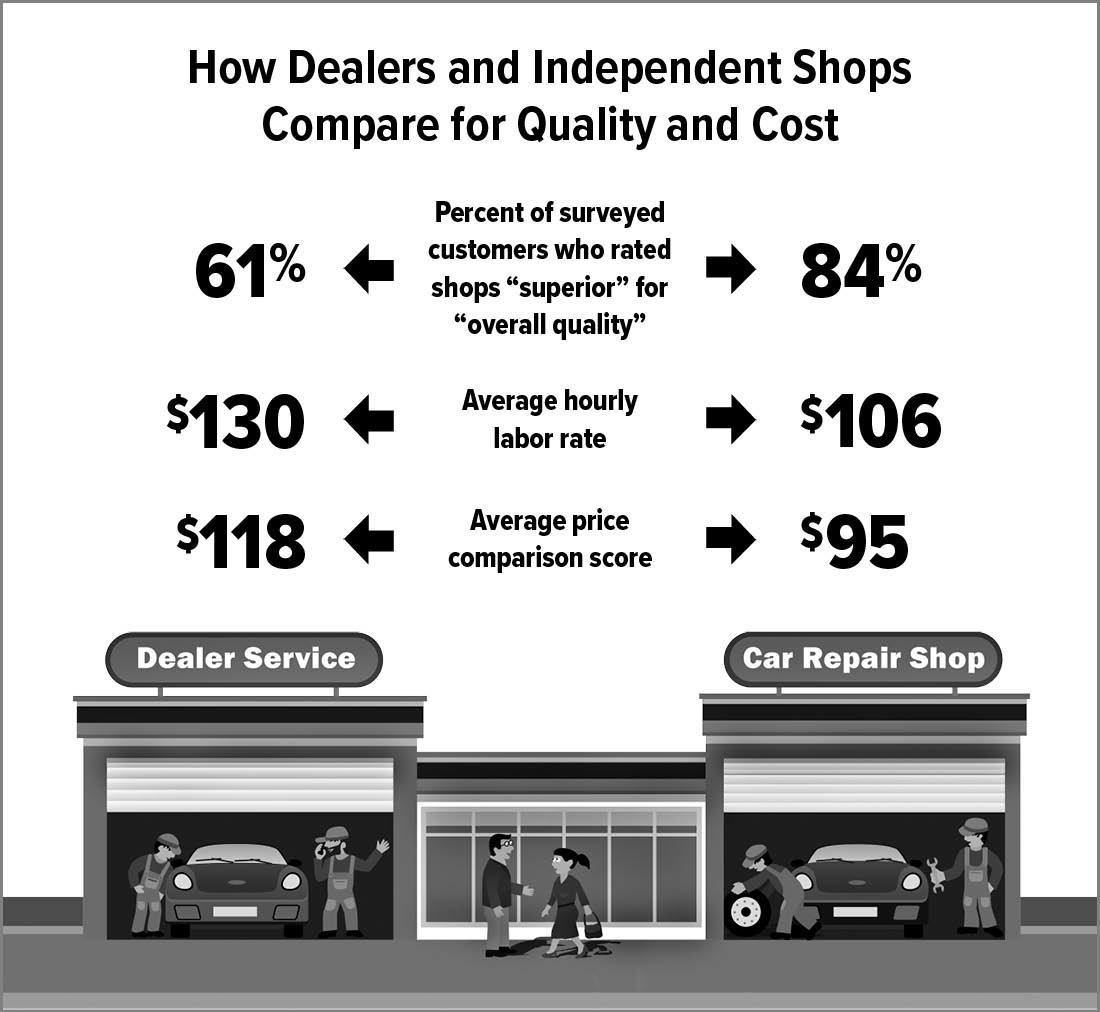
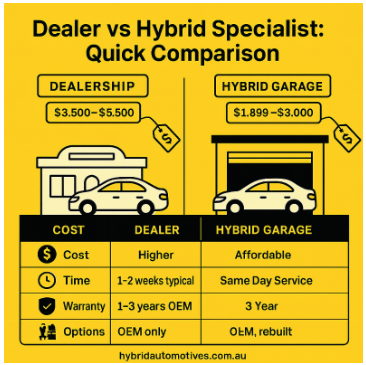
Dealer vs independent shop vs national chain
Each option appears in a car service cost comparison. Know the trade-offs.
- Dealer
- Pros: Factory-trained techs, OEM parts, warranty familiarity.
- Cons: Higher labor rates, often higher parts markup.
- Independent shop
- Pros: Lower rates, personalized service, flexible parts choices.
- Cons: Variable quality; check certifications and reviews.
- National chain
- Pros: Transparent pricing, coupons, standardized services.
- Cons: Tech skill varies; upsells can be common.
How to perform an effective car service cost comparison
A repeatable process makes comparing quotes easy and reliable.
- Identify the exact service you need.
- Request itemized written estimates from 3+ shops.
- Ask for part numbers and part types (OEM vs aftermarket).
- Confirm labor hours and hourly rate.
- Ask about warranties on labor and parts.
- Check recent reviews, certifications, and shop photos.
- Compare total out-the-door price, not just line items.
Sample script to get an estimate:
- “Please give me a written, itemized estimate for [service]. Include parts, labor hours, and tax.”
Tips for apples-to-apples comparison:
- Ensure all quotes include the same parts type and recommended fluids.
- Ask whether diagnostic fees are refundable if you proceed with the repair.
- Verify whether disposal fees, shop supplies, or taxes are added.

Tips to lower service costs without risking quality
Smart choices can trim bills while keeping your car safe.
- Follow the owner’s maintenance schedule to avoid big repairs.
- Use a trusted independent shop for routine services.
- Buy parts yourself if a shop allows and they will install them.
- Join loyalty programs and watch for seasonal coupons at chains.
- Negotiate labor or ask to see old parts to ensure work was done.
- Consider certified pre-owned or remanufactured parts for non-critical items.
Common mistakes to avoid when comparing car service costs
Avoiding these errors makes your car service cost comparison effective.
- Comparing only headline prices without itemized details.
- Choosing the cheapest quote without checking shop reputation.
- Letting a single tech diagnose without a second opinion for major repairs.
- Not asking about warranty coverage and what it includes.
- Ignoring the total cost after taxes, fees, and needed follow-up work.

Personal experience and short case studies
I once accepted the lowest quote for a timing belt and later paid double when an overlooked water pump failed. After that I always demand itemized quotes and include adjacent parts that are prudent to replace together. In another case, a quick car service cost comparison saved a friend $400 on brakes by switching from a dealer to a certified independent shop and using high-quality aftermarket pads.
Lessons learned:
- Always add sensible related parts to avoid duplicate labor costs.
- A small upcharge for quality often cuts long-term cost.

Tools and resources to help with car service cost comparison
Use these resources to make faster, better comparisons.
- Online estimate tools and calculators for regional labor rates.
- Review sites for shop ratings and photos of completed repairs.
- Manufacturer recall and warranty lookup tools.
- Local community groups and forums for shop recommendations.
- Service records apps and spreadsheets to track past costs and trends.
Frequently Asked Questions of car service cost comparison
What is the single best step in a car service cost comparison?
Get written, itemized quotes from at least three different providers to compare parts, labor, and fees. This reveals hidden costs and allows accurate apples-to-apples comparison.
How much can I save by comparing service quotes?
Savings vary, but comparing quotes often saves 10% to 40% depending on the service and local market. Major jobs like transmissions or timing belts usually offer the biggest savings.
Should I always choose the cheapest option for repairs?
No. The cheapest option can cut corners or use low-quality parts. Balance price with reputation, warranty, and parts quality when comparing costs.
Are aftermarket parts always cheaper and reliable?
Aftermarket parts are usually cheaper and can be reliable, but quality varies by brand. Ask your mechanic for recommended brands and warranties.
Is it worth going to a dealer for expensive repairs?
Dealers offer expertise for complex or warranty-covered repairs and may be worth the premium. For non-warranty work, a certified independent can be cost-effective when part quality and tech skill are proven.
Conclusion
A thoughtful car service cost comparison saves money, time, and stress. Use itemized quotes, check shop reputation, and factor in warranties and parts quality when choosing where to pay. Start comparing today: gather three estimates for your next service, ask the right questions, and keep clear records to spot patterns and avoid repeat mistakes. Share your experience, subscribe for updates, or leave a comment about your best savings win.