
Sedans usually return better MPG than SUVs, though modern hybrids and compact SUVs narrow the gap.
As a longtime driver and vehicle tester, I will break down fuel efficiency sedan vs suv in clear, practical terms. I mix hands-on experience with industry data to show how size, powertrain, and driving style shape fuel use. Read on to learn which choice fits your needs and pocket, and how to get the best fuel economy from either type.
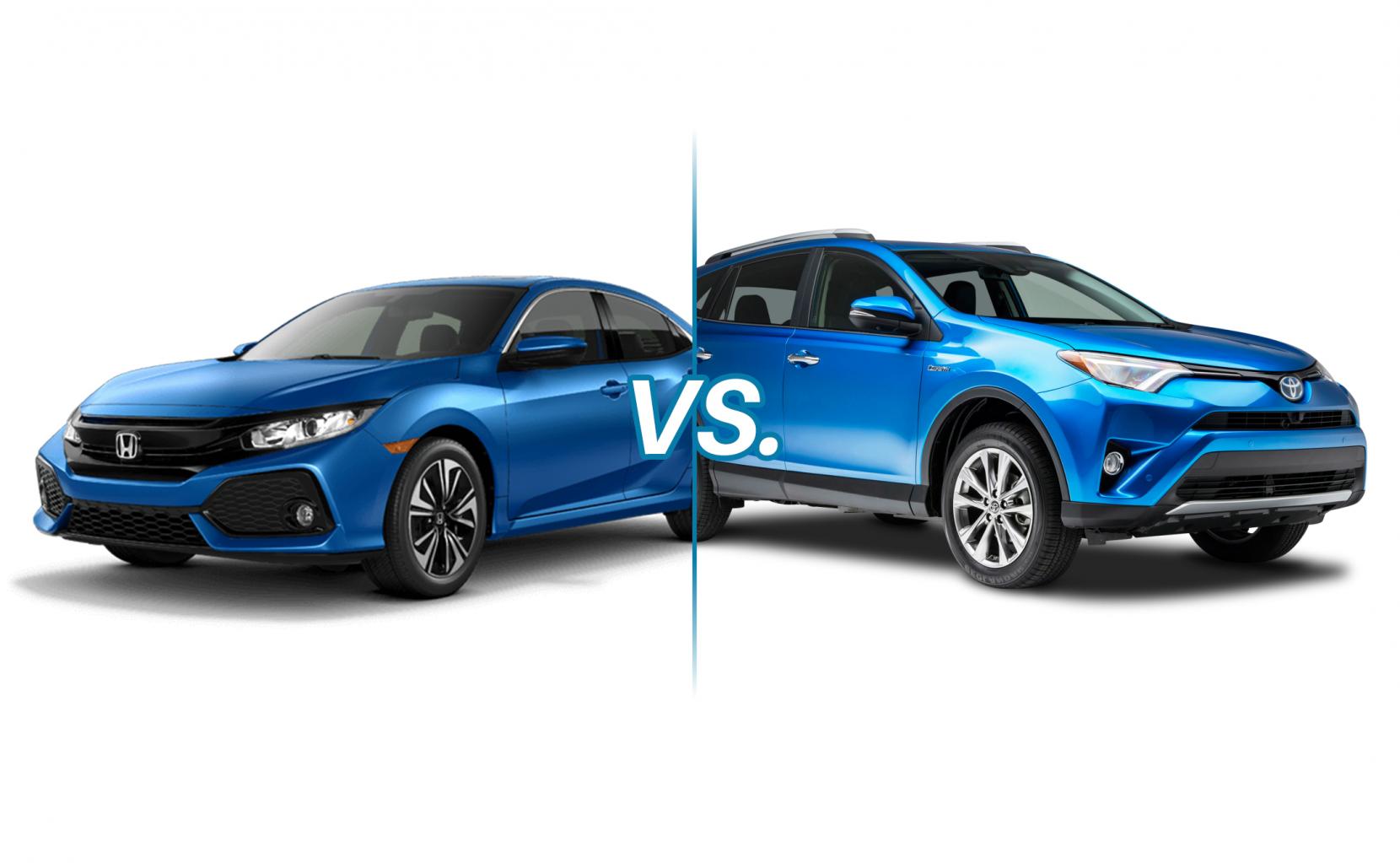
How sedans and SUVs differ for fuel efficiency
Sedans are lighter and more aerodynamic than most SUVs. That helps explain why fuel efficiency sedan vs suv often favors sedans in city and highway driving. SUVs sit higher and weigh more. That extra weight and wind resistance usually cut MPG.
I drove compact sedans and mid-size SUVs for years. The sedans regularly returned 5 to 10 MPG more on mixed routes. Modern small SUVs and hybrid SUVs do close the gap. Still, the basic physics of weight and drag favor sedans.

Key factors that affect fuel efficiency sedan vs suv
Engine size and tune
- Larger engines use more fuel at similar speeds. Turbocharging can help, but it can also raise real-world fuel use.
Aerodynamics and weight
- SUVs have more frontal area and weight. That reduces fuel efficiency sedan vs suv in most cases.
Drive layout and tires
- All-wheel-drive systems and off-road tires add drag and rolling resistance. That often lowers MPG compared to two-wheel-drive sedans.
Powertrain choices
- Hybrids and plug-in hybrids can flip the script. A hybrid SUV can beat a gas-only sedan for fuel efficiency sedan vs suv comparisons.
Transmission and gearing
- Modern automatic transmissions with more gears improve efficiency. They matter more in uphill or highway use.

Real-world comparisons and examples
City driving
- Sedans usually win in stop-and-go traffic. Their lighter weight means less energy wasted in acceleration. This often makes sedans the better pick if most miles are urban.
Highway driving
- At steady speeds, aerodynamics rule. Sedans tend to be more fuel efficient sedan vs suv on long highway trips unless the SUV is a hybrid or has low drag design.
Family use and cargo
- SUVs carry more cargo and tow more. If you regularly haul gear, the practical fuel cost of an SUV may be justified even if fuel efficiency sedan vs suv favors sedans.
Personal test notes
- I once used a compact sedan for a 300-mile trip and averaged 36 MPG. A similar-size SUV on the same route averaged 29 MPG. The difference was mostly weight and wind resistance.
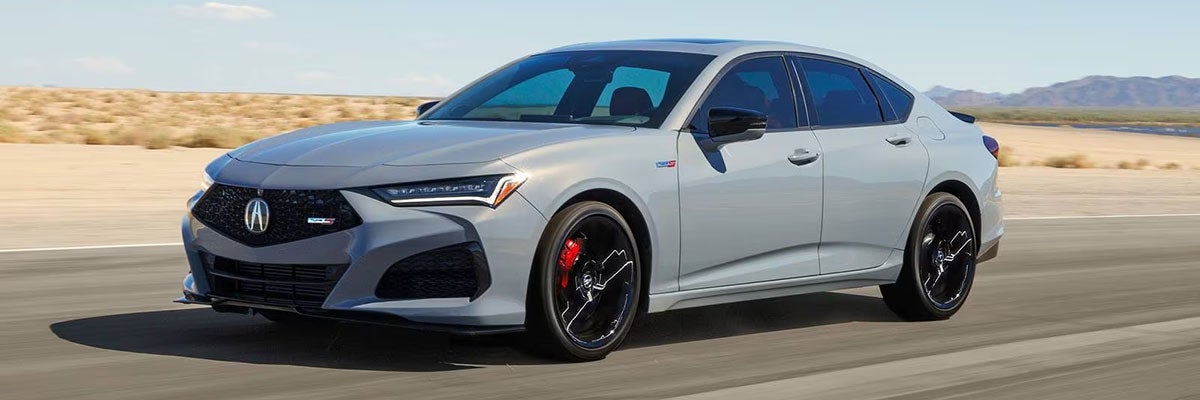
How to choose: when to pick a sedan or an SUV for fuel efficiency
Pick a sedan if:
- You want the best MPG for daily commuting.
- You drive mostly on highways or city roads without heavy cargo.
- You prefer lower purchase and maintenance costs tied to fuel use.
Pick an SUV if:
- You need space, towing, or higher ground clearance.
- You carry people or gear regularly.
- You can choose a hybrid or efficient small SUV to improve fuel efficiency sedan vs suv balance.
Think of the choice as a trade-off. More space often costs more fuel. But modern hybrids change that math. Choose what fits life first, then tune for fuel savings.
Practical tips to improve fuel efficiency in sedans and SUVs
Drive steady and slow
- Smooth acceleration and steady speeds save fuel. Use cruise control on highways.
Lighten your load
- Remove unused roof racks and cargo. Less weight helps both sedans and SUVs.
Maintain the vehicle
- Keep tires inflated, use the right oil, and follow service schedules. Small fixes add up to better fuel efficiency sedan vs suv.
Choose the right tires
- Low rolling resistance tires help. They can add MPG in city and highway driving.
Use hybrid or EV options
- If fuel efficiency sedan vs suv is a top goal, consider hybrids or electric vehicles for the mission.

Frequently Asked Questions of fuel efficiency sedan vs suv
What generally gets better fuel economy, a sedan or an SUV?
Sedans generally get better fuel economy due to lower weight and better aerodynamics. Exceptions include hybrid SUVs and very efficient compact SUVs.
Can a hybrid SUV be more fuel efficient than a gasoline sedan?
Yes. A hybrid SUV often beats a gas-only sedan in city driving and sometimes on the highway, narrowing the fuel efficiency sedan vs suv gap.
How much does weight affect fuel efficiency between sedans and SUVs?
Weight has a measurable effect. Each extra 100 pounds can reduce MPG, so heavier SUVs usually consume more fuel than lighter sedans.
Does driving style matter more than vehicle type for fuel efficiency?
Yes. Aggressive acceleration and high speed can negate vehicle advantages. Calm driving improves MPG for both sedans and SUVs.
Are compact SUVs nearly as fuel efficient as sedans now?
Many compact SUVs come close to sedans in MPG, especially with turbo engines or hybrid systems. The fuel efficiency sedan vs suv difference is shrinking in this segment.
Final thoughts
Sedans still lead in pure MPG for most gas engines, but modern small SUVs and hybrids have closed the gap. Think about your daily needs first, then focus on powertrain, weight, and driving habits to get the best fuel efficiency sedan vs suv for your life. Take one practical step today: compare real-world MPG for models you like and plan a test drive focused on fuel habits. Leave a comment with your experience, or subscribe for more tips on getting the most from your next car.