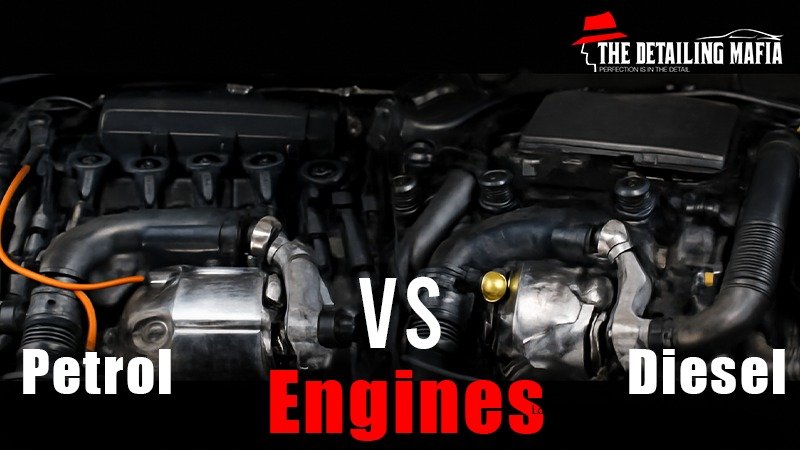
Regular checks, timely oil and filter changes, and proper servicing keep petrol cars reliable.
I’ve worked on petrol engines for years and taught owners how to care for them. This article lays out petrol car maintenance explained in plain language. You will find step-by-step checks, a clear service schedule, DIY tips, common mistakes, and when to call a pro. Read on to master petrol car maintenance explained and keep your car running smoothly and safely.
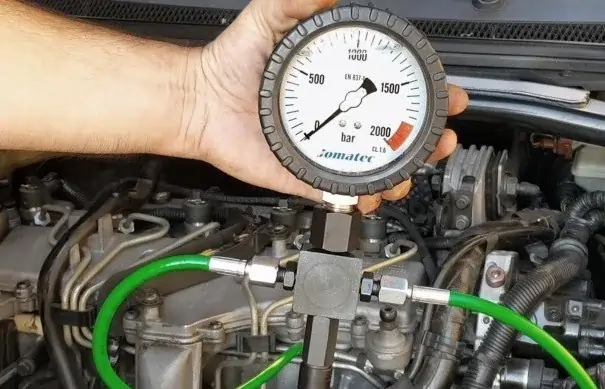
Why petrol car maintenance explained matters
Keeping a petrol car well maintained saves money and stress.
Petrol car maintenance explained means routine tasks done right and on time.
Poor maintenance causes more fuel use, faster wear, and sudden breakdowns.
I’ve seen roadside failures that clear maintenance would have prevented. Learn what to check.
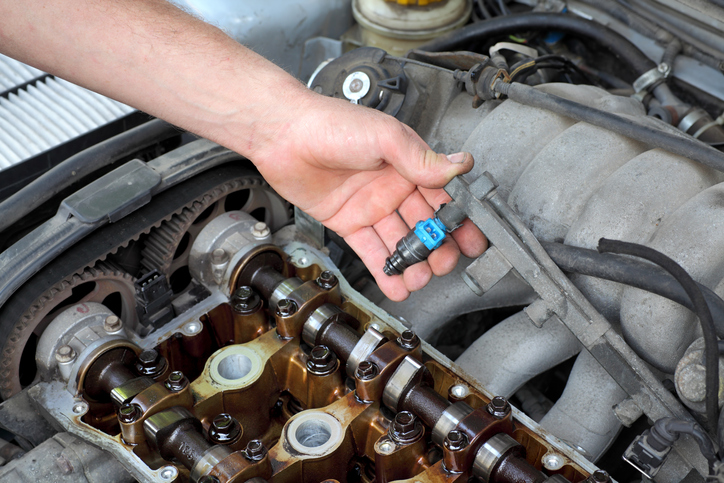
Basic petrol car maintenance explained checklist
Use this checklist every month or before long trips. Short checks prevent big problems.
- Oil and filter
- Check oil level weekly. Top up if low. Change oil and filter every 5,000–10,000 miles depending on oil type and maker. This is central to petrol car maintenance explained.
- Tyres
- Check pressure and tread. Rotate tyres every 5,000–7,500 miles. Correct tyre care helps fuel economy and safety.
- Fluids
- Check coolant, brake fluid, power steering fluid, and windshield washer fluid. Low coolant can overheat an engine fast.
- Lights and signals
- Test headlights, brake lights, and turn signals monthly. Replace bulbs or fuses as needed.
- Battery
- Inspect terminals for corrosion. Test battery health once a year, or if the car struggles to start.
- Air filter
- Check every 12,000–15,000 miles. A dirty air filter reduces power and increases fuel use. This tip is part of petrol car maintenance explained.

Routine services and schedules for petrol car maintenance explained
Follow the manufacturer’s service intervals in the owner’s manual. Here are common milestones.
- Every 5,000–10,000 miles
- Oil and filter change. Visual checks of belts, hoses, and tyres.
- Every 15,000 miles
- Replace air filter. Check brakes and suspension. Inspect exhaust.
- Every 30,000–60,000 miles
- Replace spark plugs, inspect fuel system, and check timing components. These items are core to petrol car maintenance explained.
- Every 60,000–100,000 miles
- Major inspections. Replace timing belt if required. Full cooling system service.
I once skipped a recommended spark plug change. The car ran rough and fuel economy dropped. Replacing the plugs fixed both within 30 minutes and a small parts bill. That experience is why I stress following schedules in petrol car maintenance explained.

Common DIY tasks and how to do them safely
Many tasks are simple if you follow safety rules. Use gloves, eye protection, and the correct tools.
- Changing oil and filter
- Warm the engine, jack the car safely, drain oil, replace filter, refill with correct oil grade. Dispose of oil properly.
- Replacing air filter
- Open the airbox, swap the old filter, ensure a tight seal. This often takes 10 minutes.
- Replacing wiper blades
- Remove old blades, attach new ones, and test. Replace at least once a year.
- Checking tyre pressure
* Use a reliable gauge when tyres are cold. Inflate to the pressure on the door sticker. - Changing a bulb
- Turn off power, access the lamp housing, replace the bulb, test. Handle halogen bulbs by the base, not glass.
These DIY steps form the foundation of petrol car maintenance explained. If a task feels risky, stop and ask a mechanic.

When to see a mechanic and diagnostic tips
Some problems need a professional. Here are signs to act.
- Engine warning light
- A steady light often means an emissions or sensor issue. A flashing light can signal a serious misfire. Get diagnostics done quickly.
- Unusual noises
- Knocking, grinding, or whining should be checked. Ignoring them can lead to engine or transmission damage.
- Leaks
- Oil, coolant, or brake fluid leaks require prompt attention. They can cause engine damage or safety hazards.
- Poor performance
- Dropped power, rough idling, or high fuel use could mean fuel, ignition, or sensor problems. These are central concerns of petrol car maintenance explained.
When you visit a shop, ask for a clear estimate and an explanation of needed repairs. I prefer shops that show old parts and explain the failure. That builds trust and helps you learn more about petrol car maintenance explained.
Cost-saving tips and extending engine life
Small habits pay off. Follow these tips to reduce repair bills and extend life.
- Use recommended oil grade
- Correct oil resists wear and protects parts. Cheap oil may cost more in the long run.
- Drive gently until the engine warms
- Cold starts increase wear. Avoid hard acceleration in the first few minutes.
- Keep fuel system clean
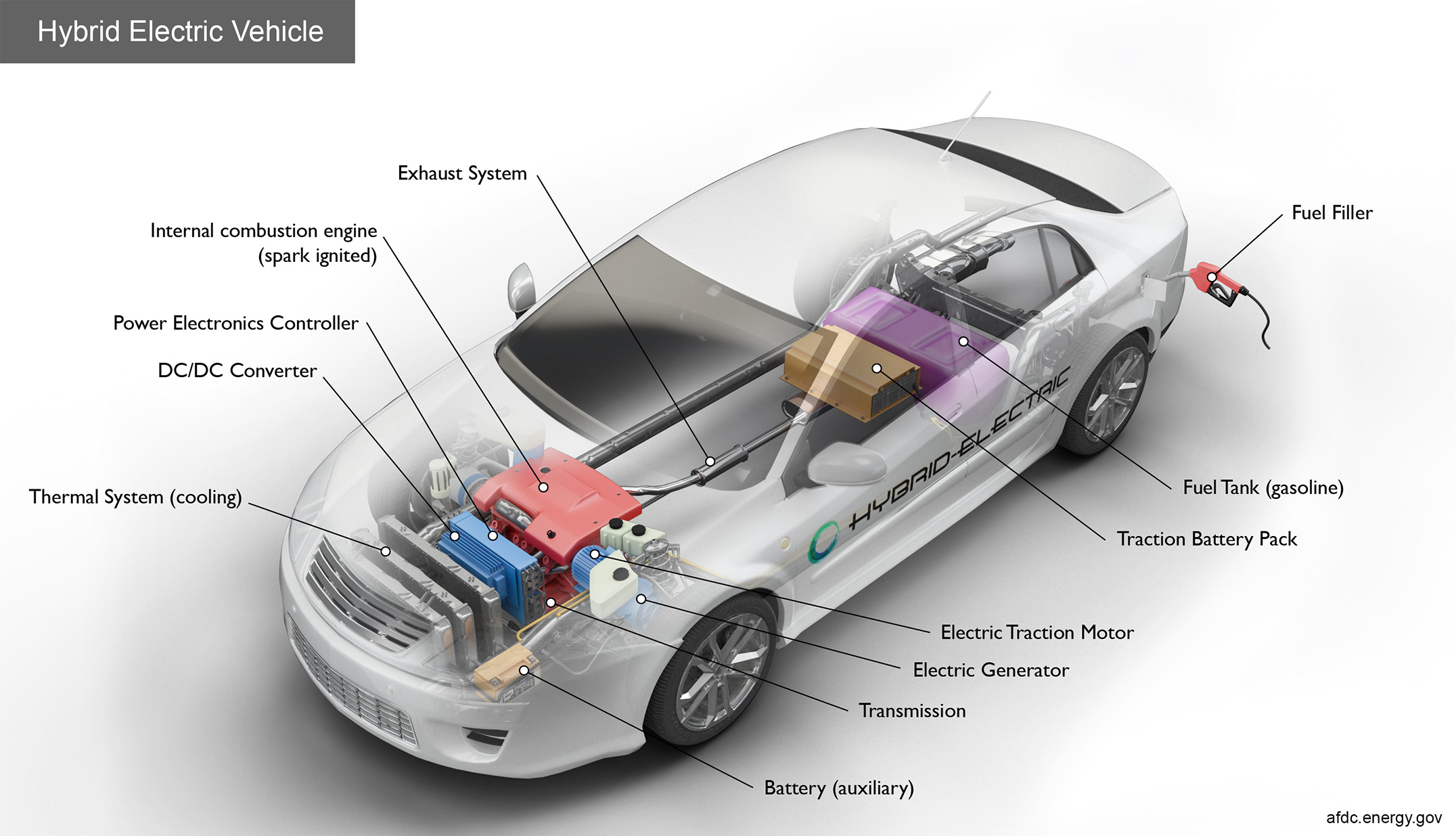
- Use quality petrol and add a cleaner if recommended. Clean injectors improve economy.
- Fix small issues early
- Replacing a sensor is cheaper than fixing the damage it causes. Prevention is central to petrol car maintenance explained.
- Regular professional inspections
- A yearly check finds hidden problems before they become major repairs.
From my experience, owners who follow these rules get more miles and fewer surprises. That reliability is the reward of learning petrol car maintenance explained.

Frequently Asked Questions of petrol car maintenance explained
What is the most important maintenance task for petrol cars?
Regular oil and filter changes are the most important. They protect the engine and prevent costly damage.
How often should I change spark plugs?
Most petrol cars need spark plug replacement every 30,000–60,000 miles. Check your owner’s manual for the exact interval.
Can I use any petrol for my car?
Use the octane rating recommended by the manufacturer. Using lower octane can cause knocking and reduce performance.
Is it okay to skip tyre rotation?
Skipping tyre rotation can cause uneven wear and shorten tyre life. Rotate tyres every 5,000–7,500 miles for best results.
How do I know when to replace the timing belt?
Replace it per the manufacturer schedule, usually between 60,000 and 100,000 miles. A broken timing belt can cause severe engine damage.
Can I perform all petrol car maintenance myself?
You can do many basic tasks safely. Major repairs and complex diagnostics are best left to professionals.
Conclusion
Petrol car maintenance explained is about routine care, timely service, and learning what to inspect. Follow simple checks, stick to service intervals, and act on warning signs. Start by doing basic checks this week and book a professional inspection if anything worries you. Share your experiences, ask questions, or subscribe for more tips on petrol car maintenance explained.