Match your budget, daily needs, and lifestyle to choose the right car type quickly.
I have helped dozens of friends and clients pick cars that fit their lives. This guide shows how to choose car type with clear steps, real-world tips, and easy rules you can use today. I write from years of buying, testing, and repairing vehicles, so you get practical advice, not jargon. Read on to find the right car type for your needs and wallet.
Why choosing the right car type matters
Picking the right car type shapes daily life. The car you choose affects fuel bills, parking, comfort, and resale value. A mismatch leads to regrets and extra costs. Knowing how to choose car type helps you avoid mistakes and get value for money.
Cars are a big spend. Small choices add up over years. Choose the right car type and you save time, money, and stress. Experts often say fit matters more than brand. I agree from years of hands-on buying and testing.

How to choose car type: a clear step-by-step process
Follow these steps to decide with confidence. Each step is short and actionable.
- Define your primary use
- List daily drives, long trips, and cargo needs.
- Note if you drive in city traffic or on rough roads.
- Decide if you need many seats or lots of cargo space.
- Set a firm budget
- Include purchase price, tax, and registration.
- Add fuel, maintenance, insurance, and expected repairs.
- Factor in depreciation and resale value.
- Consider fuel and drivetrain needs
- Choose gasoline, diesel, hybrid, or electric based on range and cost.
- Ask whether all-wheel drive matters for weather or terrain.
- Align drivetrain with your long-term plans.
- Prioritize safety and reliability
- Look for high safety ratings and modern driver aids.
- Check reliability reports and owner feedback.
- Safety features can cut long-term costs from accidents.
- Test drive and check ergonomics
- Drive in traffic and on an open road.
- Check visibility, seat comfort, and controls.
- Bring a list and test all must-have features.
- Evaluate ownership costs and resale
- Compare insurance quotes and expected service intervals.
- Research resale values for similar models.
- Choose a car type with stable demand in your region.
- Make the final decision with a checklist
- Confirm it meets usage, budget, and safety needs.
- Re-run the numbers for total cost of ownership.
- Buy with confidence or walk away.
I use this process for every purchase. It keeps choices simple and facts clear. Use it and you will make a smarter buy.

Compare common car types and when to pick each
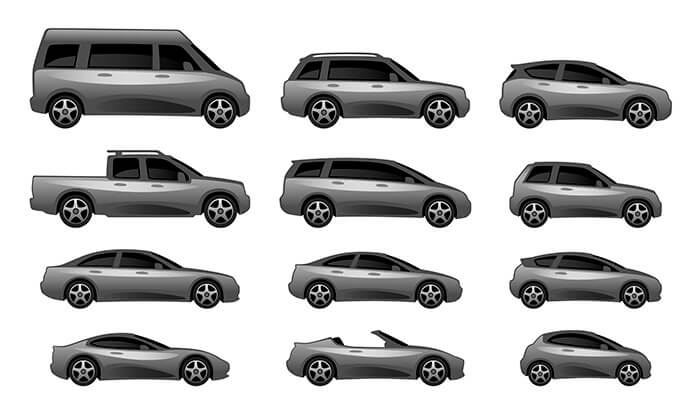
Understanding traits helps you match need to car type. Below are common types and clear use cases.
Sedan
- Good for daily commutes and small families.
- Offers smooth ride and better fuel economy.
- Choose a sedan if you value comfort and lower running costs.
Hatchback
- Compact and easy to park.
- Flexible cargo space with fold-down seats.
- Pick a hatchback for city life and active weekends.
SUV and crossover
- Higher seating and more cargo room.
- Better ground clearance and optional all-wheel drive.
- Choose SUV if you need space, towing, or rough-road ability.
Truck
- Built for hauling and heavy work.
- Strong towing and bed space for gear.
- Choose a truck if you haul equipment or tow frequently.
Minivan and van
- Best for large families or business use.
- Sliding doors and flexible seating make life easier.
- Pick a van for many passengers or frequent cargo runs.
Coupe and sporty cars
- Focus on style and driving fun.
- Less cargo and seating than other types.
- Choose a coupe if driving pleasure outweighs practicality.
Hybrid and electric vehicles
- Lower running cost and reduced emissions.
- Charging or fuel access shapes suitability.
- Choose electric or hybrid if you prioritize savings and eco impact.
When you ask how to choose car type, compare these traits to your daily life. I test each type in local traffic and long trips to confirm these points.

Budget, ownership cost, and resale explained
Look past sticker price. Total cost matters most.
-
Upfront costs
- Purchase price, fees, and taxes.
- Add warranties or add-ons if needed.
-
Ongoing costs
- Fuel or electricity.
- Regular service and spare parts.
-
Insurance and taxes
- Larger cars often cost more to insure.
- Fast models and newer tech can raise premiums.
-
Depreciation and resale
- Some car types hold value better.
- SUVs often retain value well, compact cars vary by market.
I once bought a cheap compact that cost more in repairs than its savings. Learn from that mistake. Run calculations for five years. That gives a true picture of cost by car type.

Lifestyle examples: match your daily life to a car type
Match scenarios to car types using simple rules.
-
Single commuter in a city
- Choose a compact hatchback or small sedan.
- Look for fuel efficiency and easy parking.
-
Small family with weekend gear
- Choose a crossover or compact SUV.
- Prioritize cargo space and family safety features.
-
Large family or group travel
- Choose a minivan or three-row SUV.
- Focus on seating flexibility and comfort.
-
Contractor or weekend builder
- Choose a truck or full-size van.
- Seek payload, towing, and bed durability.
-
Environmentally focused buyer
- Choose a hybrid or electric car type.
- Check charging access and range.
-
Enthusiast who enjoys driving
- Choose a coupe or sporty sedan.
- Expect higher fuel and insurance costs.
These lifestyle fits make the choice easier. Ask: which car type reduces daily friction and adds value? Answer that and you are close.

Safety, reliability, and insurance considerations
Safety and reliability lower stress and cost.
-
Safety
- Look for airbags, stability control, and crash-test ratings.
- Modern driver aids cut collision risk.
-
Reliability
- Check long-term owner reports and service intervals.
- Opt for models with proven histories.
-
Insurance
- Get quotes before you buy.
- Sport models and luxury trims often cost more.
I cross-check safety scores and owner forums when I buy. Transparent research saves money and keeps you safe on the road.
Test drive checklist and final buying tips
Use this short checklist on every test drive.
- Confirm visibility and blind spots.
- Sit in rear seats and test cargo folding.
- Test acceleration, braking, and steering feel.
- Check infotainment and phone pairing.
- Listen for odd noises and check ride comfort.
Final tips
- Bring a friend for a second view.
- Inspect the vehicle history for used cars.
- Negotiate total price, not monthly payment.
- Consider certified pre-owned for warranty benefits.
A thorough test drive reveals most hidden issues. I always drive a car at peak traffic times to see real behavior.
Frequently Asked Questions of how to choose car type
What is the first step in how to choose car type?
Start by listing your daily needs, passenger count, cargo needs, and typical routes. This list clarifies which car type fits your life.
Should I prioritize fuel economy when deciding how to choose car type?
Yes, if you drive a lot. Fuel or energy cost is a major part of ownership and affects long-term savings.
Is a bigger car always better when learning how to choose car type?
No. Bigger cars add cost, parking trouble, and fuel use. Choose size based on actual needs, not perceived safety.
How much should I budget for maintenance when learning how to choose car type?
Plan for routine service, tires, and occasional repairs. A good rule is to set aside a small monthly amount based on the car type and age.
Can I use a checklist to make how to choose car type easier?
Yes. A checklist for needs, budget, safety, and test drives makes the choice clear and repeatable.
Conclusion
Choosing the right car type comes down to matching use, budget, and priorities. Use the step-by-step method, compare common car types, and test-drive with a checklist. Learn from real ownership costs and safety data before you buy. Take action now: make your list, set your budget, and schedule test drives this week. Leave a comment with your top two priorities or subscribe for more buying guides.