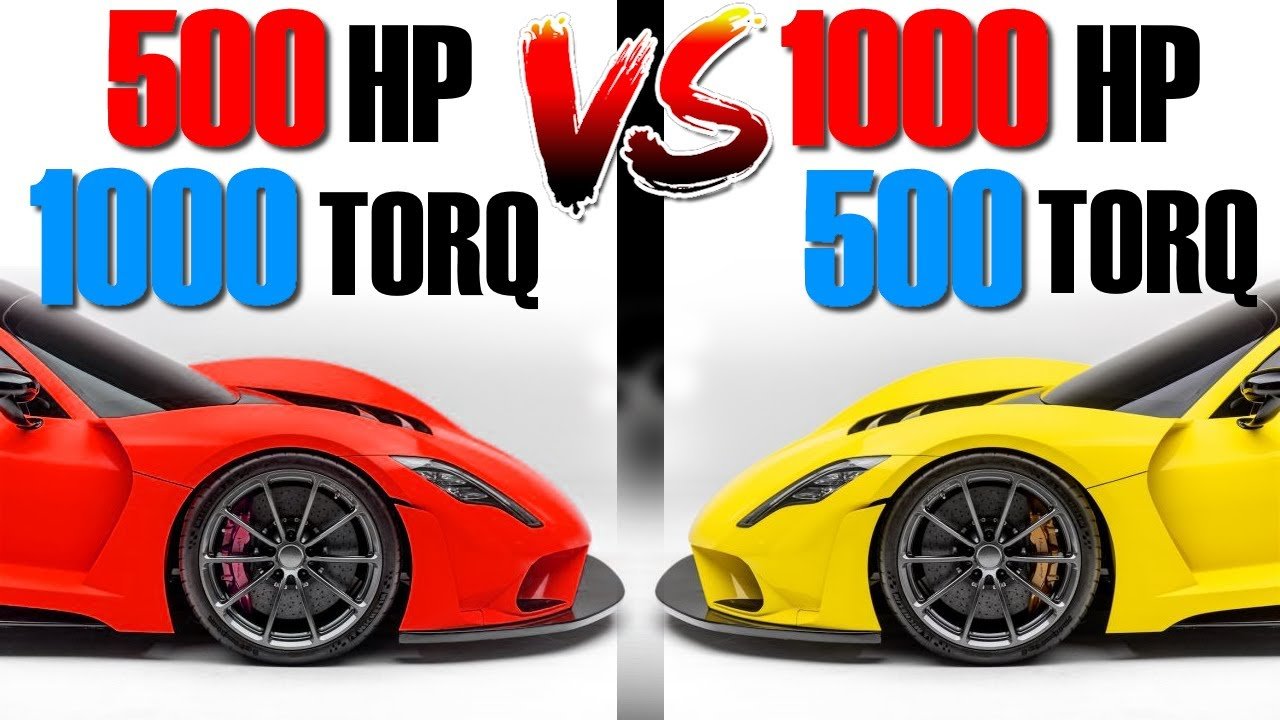
Torque is the twisting force; horsepower is the rate that force does work over time.
I have spent years tuning cars and testing engines on dynos, so I know how confusing the torque vs horsepower difference explained can be. This article breaks the topic down in plain words. You will learn what torque and horsepower mean, how they relate, why each matters for real driving, and how to read a dyno chart. Expect simple math, clear examples, and practical tips from real-world experience.

What is torque?
Torque is a twisting force. It is how hard an engine turns the crankshaft. The usual unit is pound-feet (lb-ft) in the U.S. or newton-meters (Nm) elsewhere. Torque tells you how much force the engine can apply to move an object. In cars, torque helps you start moving and pull heavy loads.
Common points about torque:
- It is felt as push in the chest when a car accelerates from low speed.
- It peaks at certain engine speeds, called torque peak RPM.
- Low-end torque makes city driving easy. High-end torque helps with fast acceleration at speed.
Real-life note: I once drove two trucks on steep grades. The one with higher torque stayed strong and steady. The other needed lower gears more often. That proved to me how torque matters in towing and climbing.

Source: youtube.com
What is horsepower?
Horsepower is power. It measures how fast work gets done. The classic formula is horsepower = (torque × RPM) ÷ 5252. That number 5252 links torque and engine speed. Horsepower shows how well an engine maintains work as RPM rises.
Key facts about horsepower:
- It predicts top speed and how fast a car can sustain acceleration.
- It keeps climbing with RPM until the engine runs out of efficiency.
- Horsepower is the metric often used in marketing and specs.
When I tested two modified cars, the one with higher peak horsepower felt quicker at highway passes, even if it had less low-end torque. That shows horsepower’s role at high speeds.Horsepower isn’t the only power unit you’ll see on a spec sheet. Many manufacturers, especially outside the US, quote power in kilowatts (kW) or metric horsepower (PS) instead of — or alongside — mechanical horsepower. The three units are close but not identical (1 hp ≈ 0.746 kW ≈ 1.014 PS), so a small mismatch between quoted figures on different market spec sheets isn’t necessarily an error — it may just be a different unit.

Source: carbuzz.com
How torque and horsepower relate
| Torque | Horsepower | |
|---|---|---|
| What it measures | Twisting force | Rate of doing work over time |
| Common units | lb-ft (US), Nm (metric) | hp (US/UK), PS/kW (metric) |
| Feels like | The push you feel accelerating from a stop | Sustained pull as speed builds |
| Matters most for | Towing, hauling, low-speed response | Top speed, sustained high-RPM acceleration |
| Formula link | Base value in the horsepower formula | hp = (torque × RPM) ÷ 5252 |
Torque and horsepower are linked by RPM. The formula helps you convert one to the other. Here is the simple relationship:
- horsepower = (torque × RPM) ÷ 5252
That means the same torque at higher RPM yields more horsepower. A motor with steady torque at high RPM will make strong horsepower. Conversely, a motor with a lot of torque at low RPM can feel very responsive even with modest horsepower numbers.
Practical takeaways:
- Torque matters for initial acceleration and heavy loads.
- Horsepower matters for sustained speed and higher-RPM acceleration.
- Both numbers together describe engine performance across the rev range.

Source: youtube.com
Reading engine curves: torque curves and horsepower curves
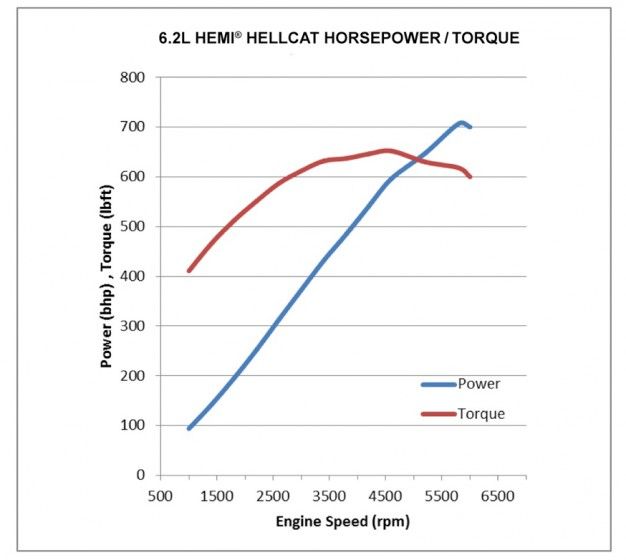
A dyno chart shows torque and horsepower across RPM. The torque curve usually peaks earlier. Horsepower often peaks later. Look for:
- A flat torque curve for smooth, usable power across RPM.
- A steep horsepower rise for strong top-end performance.
- Where the two curves cross near 5252 RPM — that’s a key point on many charts.
How I read charts:
- I check torque at low RPM to judge drivability.
- I check horsepower peak and band for passing and top speed.
- I prefer engines with usable torque where I drive most.

Source: com.au
Torque and Horsepower in Electric Vehicles
Everything above describes how torque and horsepower behave in a gas engine, where torque builds and falls off across an RPM range. Electric motors work differently, and that difference is a big part of why EVs feel so quick off the line.
- Instant torque — An electric motor can deliver close to its maximum torque the moment power is applied, without needing to rev up through a range first. Gas engines need higher RPM to reach peak torque, and turbocharged engines still need the turbo to spool before torque climbs.
- Flat torque curve — Instead of peaking and falling like a gas engine’s curve, an EV’s torque output stays close to its maximum across a wide low-to-mid RPM range, then tapers off at higher motor speeds.
- Single-speed delivery — Most EVs use a single-ratio gearbox, so there are no shifts to interrupt the torque delivery the way there are in a geared gas car.
- Horsepower still matters — EV horsepower is still calculated the same way (as a function of torque and rotational speed) and still determines sustained performance and top speed, even though the torque delivery feels completely different.
The practical result: an EV with modest peak horsepower can still feel remarkably quick from a stop, because it applies strong torque immediately rather than needing to build up to it.
Practical effects: daily driving, towing, and racing
Daily driving
- Torque makes stop-and-go traffic easy.
- Horsepower makes highway passing smoother.
- For daily use, a broad torque band beats a one-time peak.
Towing and hauling
- Torque is king for towing heavy trailers.
- Higher torque at low RPM reduces gear changes and strain.
- Choose engines with high torque ratings and strong low-end response.
Racing and spirited driving
- Horsepower helps at high speeds and on long straights.
- Torque helps manage exits from corners.
- Race setups often trade low-end torque for high-RPM horsepower.

Source: motorauthority.com
Measuring torque and horsepower: crank vs wheel, and real results
There are two common measurement points:
- Crank horsepower and torque — measured at the engine output before drivetrain losses.
- Wheel horsepower and torque — measured at the wheels after losses from gearbox, differential, and tires.
Typical drivetrain loss:
- Rear-wheel-drive cars lose about 10–15% from crank to wheel.
- All-wheel-drive cars can lose 15–25% or more.
I learned to always ask if quoted numbers are at the crank or the wheels. Misunderstanding this led me to overestimate a car’s real-world performance once. Dyno tests and consistent methods fix that.
Source: lawnsite.com
Upgrades and tuning: where to add power
If you want more torque:
- Upgrade cam timing and intake for low-end response.
- Add forced induction tuned for low RPM boost.
If you want more horsepower:
- Aim for high-RPM breathing: intake, headers, and turbo sizing for top end.
- Use tuning that increases power across the RPM band rather than one spot.
Tuning tip from experience:
- Match modifications to how you drive. City drivers benefit from torque gains. Track drivers benefit more from horsepower increases.
Source: motor1.com
Simple examples to make it click
Example 1: Same torque, different RPM
- Engine A: 300 lb-ft at 3000 RPM. Horsepower = (300×3000)/5252 ≈ 171 hp.
- Engine B: 300 lb-ft at 6000 RPM. Horsepower = (300×6000)/5252 ≈ 342 hp.
This shows how RPM changes horsepower even with the same torque.
Example 2: Big torque at low RPM
- A diesel truck with 450 lb-ft at 2000 RPM feels stronger from a stop than a sports car with 350 lb-ft that makes it at 5000 RPM.
These examples helped me pick a vehicle for towing versus highway trips.
A real-world spec comparison
A pickup truck built for towing might list around 570 lb-ft of torque with a comparatively modest horsepower figure, while a sports car with similar or lower torque but a much higher redline can post a significantly higher horsepower number. That’s the same relationship as Examples 1 and 2, just reflected in real vehicle specs: the truck’s torque arrives lower in the rev range for pulling power, while the sports car’s engine reaches its output higher up, where the RPM side of the formula does more of the work.
Source: caranddriver.com
Common mistakes and how to avoid them
Mistake 1: Focusing only on peak numbers
- Peak torque or peak horsepower alone doesn’t tell the full story.
- Look at the whole curve and the RPM range you use.
Mistake 2: Ignoring drivetrain losses
- Always check whether numbers are crank or wheel.
- Factor in losses when planning upgrades.
Mistake 3: Mismatched upgrades
- Adding a big turbo without supporting parts can hurt drivability.
- Balance power goals with supporting mods.
My personal tips and real-world lessons
I once swapped intakes and tuned a compact car. Peak horsepower rose, but low-end torque dropped. City driving felt worse. The lesson: know your use case before chasing numbers.
Tips I use:
- Test drives across real roads. Numbers don’t replace feel.
- Ask for dyno charts in the shop’s real conditions.
- Choose mods that widen the usable power band, not just the peak.
Frequently Asked Questions of torque vs horsepower difference explained
What does torque feel like in a car?
Torque feels like a strong push when you accelerate, especially from low speeds. It makes starts and hill climbs feel effortless.
Why is horsepower important for top speed?
Horsepower measures how much work an engine can sustain at higher RPM, which helps maintain and increase speed over time. More horsepower usually means higher potential top speed.
Can a car have high torque but low horsepower?
Yes. If torque peaks at low RPM and falls off quickly, horsepower may stay modest. That car will feel strong at low speeds but may not excel at high-speed passes.
How do I compare engines fairly?
Compare full torque and horsepower curves and note where values peak and hold. Also check if numbers are at the crank or at the wheels for a fair view.
Will adding a turbo increase both torque and horsepower?
A turbo can increase both, but gains depend on turbo size and tune. Smaller turbos boost low-end torque faster; larger turbos favor high-end horsepower.
Why Do Electric Cars Feel So Fast Even With Modest Horsepower Numbers?
Because EVs deliver near-maximum torque instantly, from a standstill, rather than building it up as RPM climbs. That instant push makes low-speed acceleration feel much stronger than the horsepower figure alone would suggest, even though horsepower still determines how well the car sustains speed at higher rates.
What’s the Difference Between Horsepower and Metric Horsepower (PS)?
Mechanical horsepower, used in the US and UK, equals about 745.7 watts, while metric horsepower (PS), common in Europe and Asia, equals about 735.5 watts — roughly 1.4% less. The difference is small enough to ignore for everyday driving but can shift a spec-sheet number by a few units on higher-output engines.
Conclusion
Understanding the torque vs horsepower difference explained lets you pick, tune, and drive with confidence. Torque gives you the push you feel. Horsepower gives you the sustained work at speed. Read dyno charts, match mods to your needs, and test the car where you will drive it. Try one change at a time and measure results. If you found this useful, leave a comment, share your experience, or subscribe for more practical guides.