Naturally aspirated vs turbo engine explained: Naturally aspirated breathes air, turbo forces more air for extra power.
I’ve spent years writing about and testing engines, and I’ll walk you through naturally aspirated vs turbo engine explained in clear, practical terms. This guide covers how each works, real driving differences, pros and cons, maintenance tips, and how to choose the right one for your needs. Read on for expert insight and hands-on tips that make the choice simple.

How engines make power: the basics
A gasoline engine makes power by mixing air and fuel, then igniting that mix. More air into the cylinder means more fuel can burn and more power follows. Naturally aspirated vs turbo engine explained hinges on how air reaches the cylinders: naturally or with forced induction.

Source: arabwheels.ae
What is a naturally aspirated engine?
A naturally aspirated engine draws air using only atmospheric pressure and the engine’s intake stroke. It relies on intake design, valve timing, and displacement to get air into the cylinders. Key traits include smooth throttle response, simple cooling requirements, and mechanical simplicity.
Benefits
- Immediate throttle feel and predictable response.
- Lower maintenance complexity and fewer parts to fail.
- Linear power delivery, easy to tune for longevity.
Limitations
- Power limited by displacement and intake efficiency.
- Less efficient at high altitudes where air is thinner.
- To get more power you often need a bigger engine or higher revs.

Source: youtube.com
What is a turbocharged engine?
A turbocharged engine uses a turbine spun by exhaust gases to compress intake air. Compressed air carries more oxygen, allowing more fuel to burn and producing higher power from the same displacement. Turbo systems include a turbo, wastegate, piping, and often an intercooler to cool charged air.
Benefits
- Much higher power density for smaller engines.
- Better fuel economy in light-load driving when tuned properly.
- Greater tuning headroom for performance upgrades.
Limitations
- Turbo lag can delay boost at low RPMs.
- More heat and higher cylinder pressures require stronger parts.
- More complex systems mean potentially higher maintenance costs.
It’s worth noting a turbocharger isn’t the only way to force extra air into an engine — a supercharger does a similar job but is belt-driven directly by the engine rather than spun by exhaust gas, which trades away some turbo lag for a small, constant power draw. Turbos have become the more common choice in mainstream cars largely because tighter fuel-economy and emissions rules pushed automakers toward smaller, turbocharged engines that can match a larger naturally aspirated engine’s power with better efficiency on paper.
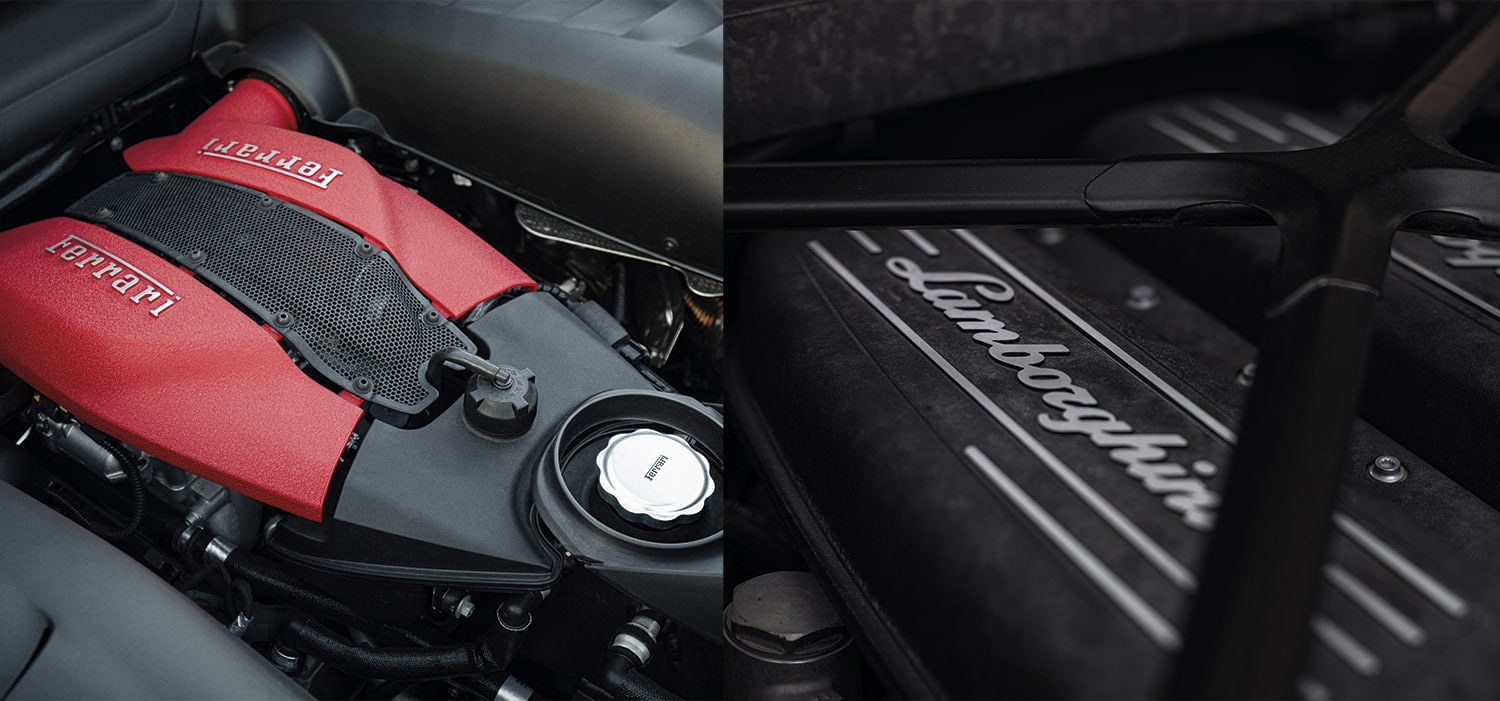
Source: drivemebarcelona.com
Side-by-side: naturally aspirated vs turbo engine explained in practical terms
Power and torque
- Naturally aspirated engines often need higher RPM to reach peak power.
- Turbos produce more torque at lower RPM once the turbo spools.
Fuel economy
- Naturally aspirated engines can be simple and efficient in steady states.
- Turbos can be more efficient overall by downsizing engines while keeping power.
Reliability and cost
- Naturally aspirated engines have fewer components and often cost less to maintain.
- Turbo engines can need attention to oil quality, cooling, and exhaust systems.
Driving feel
- Naturally aspirated: linear and predictable.
- Turbocharged: strong midrange punch, sometimes less predictable throttle modulation.

Source: team-bhp.com
Common myths and PAA-style questions
Does turbo always mean more heat and more wear?
Turbos run hotter and raise internal pressures, so engine cooling and oiling must be up to spec. With correct design and maintenance, turbo engines can last as long as naturally aspirated ones.
Is turbo lag a big problem for daily driving?
Modern turbo systems minimize lag with better turbine designs, twin-scroll turbos, or variable geometry. Many drivers barely notice lag in modern cars.
Can a small turbo engine beat a large naturally aspirated engine on fuel economy?
Yes, especially in mixed driving. A downsized turbo engine can use less fuel while matching power when needed.
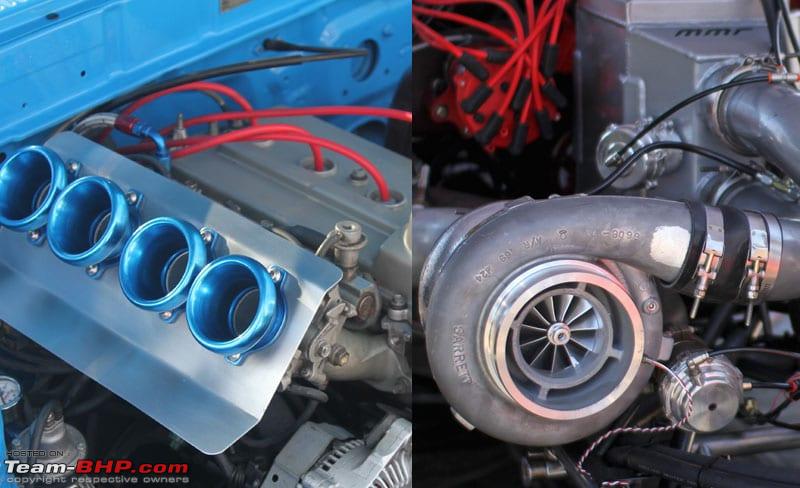
Source: team-bhp.com
Maintenance and ownership considerations
Routine care for both types includes oil changes, filters, and timing checks. Turbo engines demand extra focus on:
- Using high-quality oil and following oil-change intervals.
- Allowing cool-down periods after spirited driving to avoid oil coking.
- Inspecting intercooler and boost piping for leaks.
For naturally aspirated engines:
- Focus on intake cleaning and valve timing.
- Spark plugs and air filter maintenance keeps power steady.
- Simpler repairs often cost less.
Does a turbo engine need premium gas?
Many do, though not all. Higher octane fuel resists the premature ignition (“knock”) that’s more likely under the higher cylinder pressures a turbo creates, so manufacturers often recommend or require premium in turbocharged models. Some turbo engines are tuned to run safely on regular fuel with reduced power output instead — check the fuel-door sticker or owner’s manual rather than assuming either way, since running required-premium engines on regular gas can trigger knock and reduced performance over time.
Performance tuning and modifications
Naturally aspirated tuning
- Intake and exhaust upgrades, cam timing, and higher compression give gains.
- Gains often require substantial mechanical work and may hit reliability limits.
Turbo tuning
- Software tunes, larger turbos, or boost controllers yield big gains fast.
- Supporting upgrades like fueling, cooling, and stronger internals are key.
Real-life tip from experience
I once drove two similar sport sedans: one NA and one turbo. The turbo felt faster from low speed, while the NA car had a nicer high-RPM rush. If you tune a turbo without upgrading fueling and cooling, you risk damaging the engine. I learned to always plan supporting mods first.
How to choose between naturally aspirated vs turbo engine explained for your needs
Consider use case
- Daily commuting and low maintenance priority: naturally aspirated is sensible.
- Need strong low-end torque, towing, or smaller-engine efficiency: turbo is compelling.
Consider longevity and resale
- Simpler engines often appeal to buyers who prefer low upkeep.
- Turbo cars can attract enthusiasts but may need proof of careful maintenance.
Budget and insurance
- Turbos can raise repair costs, and high-performance turbo models often carry higher insurance premiums. Mainstream turbo trims of ordinary commuter cars, however, are frequently priced close to their naturally aspirated counterparts — the jump tends to track the car’s overall performance profile more than the presence of a turbo by itself.
- Factor long-term service costs into your choice.
Common real-world examples and scenarios
- City driver who values smooth throttle: naturally aspirated offers predictability.
- Highway driver who wants overtaking punch: turbo provides quick torque.
- Performance hobbyist who likes tuning: turbo platforms allow large power gains.
Practical checklist before buying
- Check maintenance records and oil-change history.
- Look for signs of boost leaks or aftermarket tuning on turbos.
- Test drive for throttle response and engine noise at various RPMs.
Personal lessons and mistakes to avoid
- Always warm and cool the engine properly. I once neglected cooldown after track use and shortened turbo life. That cost me a turbo rebuild.
- Use the right oil grade. Cheap oil can kill turbo bearings fast.
- When tuning, upgrade fueling and cooling first. Adding boost without support is a common mistake.
Frequently Asked Questions of naturally aspirated vs turbo engine explained
What is the main difference between naturally aspirated and turbo engines?
The main difference is how air enters the engine. Naturally aspirated engines rely on atmospheric pressure, while turbo engines force extra air in using a turbine-driven compressor.
Which is more fuel efficient, naturally aspirated or turbo?
A turbocharged engine can be more fuel efficient when sized correctly, because it allows a smaller engine to make the same power as a larger naturally aspirated engine.
Do turbo engines need more maintenance than naturally aspirated ones?
Turbo engines require attention to oil quality, cooling, and the turbo system, so maintenance can be more demanding but manageable with proper care.
Is turbo lag still an issue in modern cars?
Not as much. Modern turbos, twin-scroll designs, and electronic controls have greatly reduced lag in most new cars.
Can I swap a naturally aspirated engine to turbo easily?
Swapping an NA engine to turbo involves major work: stronger internals, fueling upgrades, cooling, and electronics. It’s complex and costly compared to buying a turbo car.
Do Turbocharged Engines Need Premium Gas?
Many manufacturers recommend or require premium fuel for turbocharged engines because higher octane resists knock under the higher pressures a turbo creates. Some turbo engines are tuned for regular fuel with a modest power trade-off — check your fuel-door sticker or owner’s manual to confirm which applies to your car.
What’s the Difference Between a Turbocharger and a Supercharger?
Both force extra air into the engine, but a turbocharger is spun by exhaust gas while a supercharger is belt-driven directly by the engine. That means superchargers deliver power more instantly with no lag, while turbochargers are generally more efficient since they reuse exhaust energy rather than drawing power from the engine itself.
Conclusion
Naturally aspirated vs turbo engine explained comes down to how air gets into the engine and what you value: simplicity and linear feel, or compact power and tunability. Both types work well when designed and maintained properly. Decide based on driving habits, budget, and long-term care plans. If you want more torque and tuning room, choose a turbo. If you want simplicity and steady response, choose naturally aspirated. Try test drives, check maintenance records, and ask owners about real-world costs. Share your experience or questions below, and subscribe for more practical car guides.