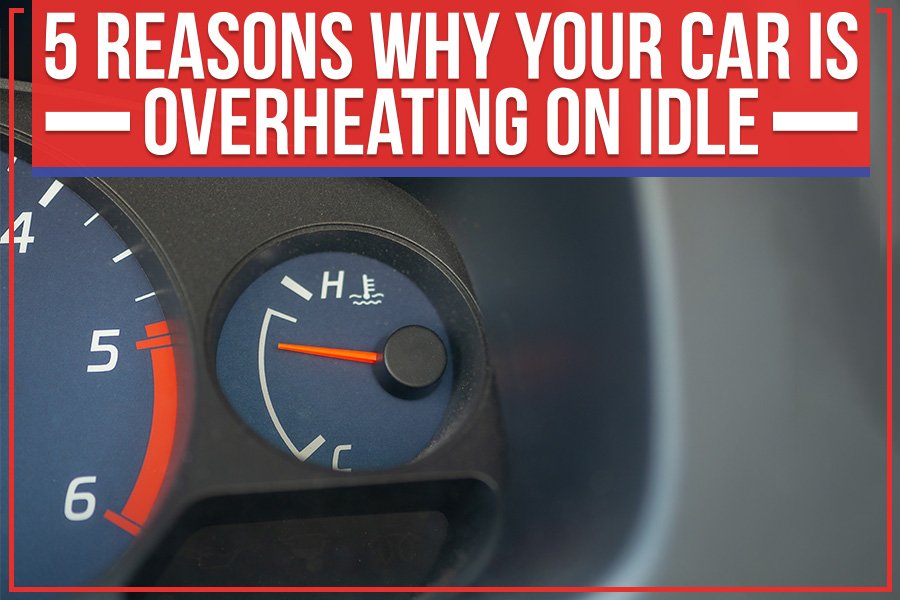
Engines overheat when cooling fails due to low coolant, blocked flow, or broken parts.
I’ve spent more than a decade fixing cars and teaching owners how to avoid breakdowns. This article explains why engine overheating happens, how cooling systems work, what fails most often, and clear steps you can take to diagnose and prevent it. Read on for practical tips, real examples, and simple checks you can use today.
How the engine cooling system works and why failures cause heat
The cooling system moves heat away from the engine. Coolant circulates through the block, absorbs heat, and releases it in the radiator. A thermostat, water pump, radiator, fan, and hoses must all work together. When one part fails, it explains why engine overheating happens and why an engine can quickly go from normal to hot.
Top causes: quick list of why engine overheating happens
Below are the most common reasons an engine overheats. Each item is short and to the point so you can quickly check possibilities.
- Coolant loss or leak — low fluid reduces heat transfer.
- Blocked radiator or clogged passages — airflow or coolant flow is restricted.
- Faulty thermostat — stuck closed stops circulation.
- Broken water pump — coolant can’t move through the engine.
- Electric fan failure or belt issues — reduced airflow at low speeds.
- Collapsed or clogged hoses — restricts coolant flow.
- Head gasket failure — combustion gases enter the cooling system.
- Wrong coolant mix or old coolant — reduces boil and freeze protection.
These points show the typical ways and reasons why engine overheating happens. Use them as a checklist when you inspect a hot engine.
Common specific failures and how they cause overheating
Coolant leaks
Even a small leak lowers coolant level and traps air. Low coolant directly reduces heat transfer and is a top reason why engine overheating happens.
Thermostat stuck closed
The thermostat controls flow based on temperature. If it stays closed, coolant can’t circulate and heat builds rapidly.
Water pump failure
The pump’s job is circulation. If the pump fails, coolant sits still and the engine cooks.
Radiator blockage or damage
Internal scale or external debris cuts airflow or coolant flow. Reduced cooling capacity is a classic cause of overheating.
Fan or belt problems
At slow speeds, the engine relies on the fan. A broken fan or slipping belt reduces airflow and causes heat to rise.
Head gasket problems
A blown head gasket can let exhaust gases enter the cooling system and cause rapid temperature spikes and air pockets.
Each of these failures explains a different way why engine overheating happens. Fixing the root cause usually restores normal temperature quickly.
Signs and symptoms to watch for
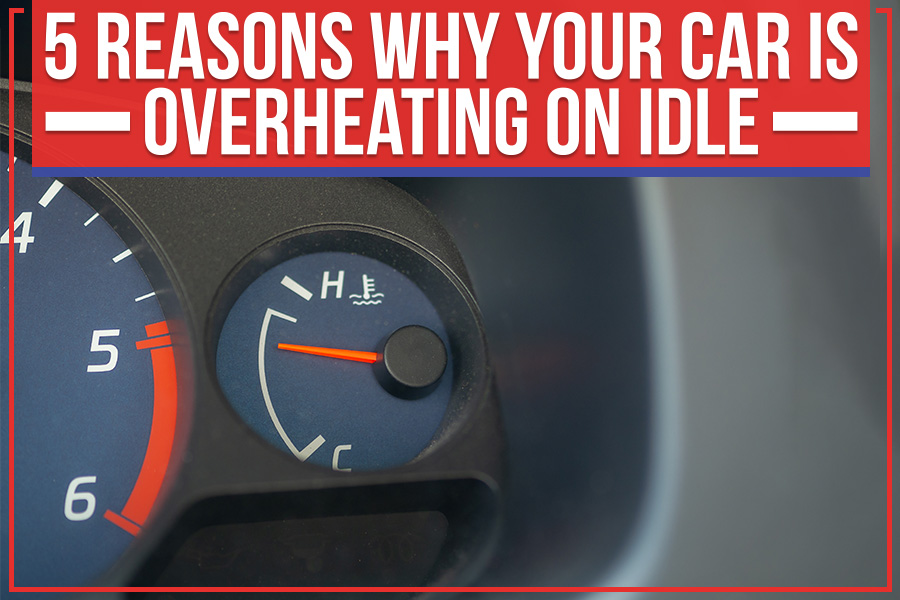
- Temperature gauge rising above normal — the first alert.
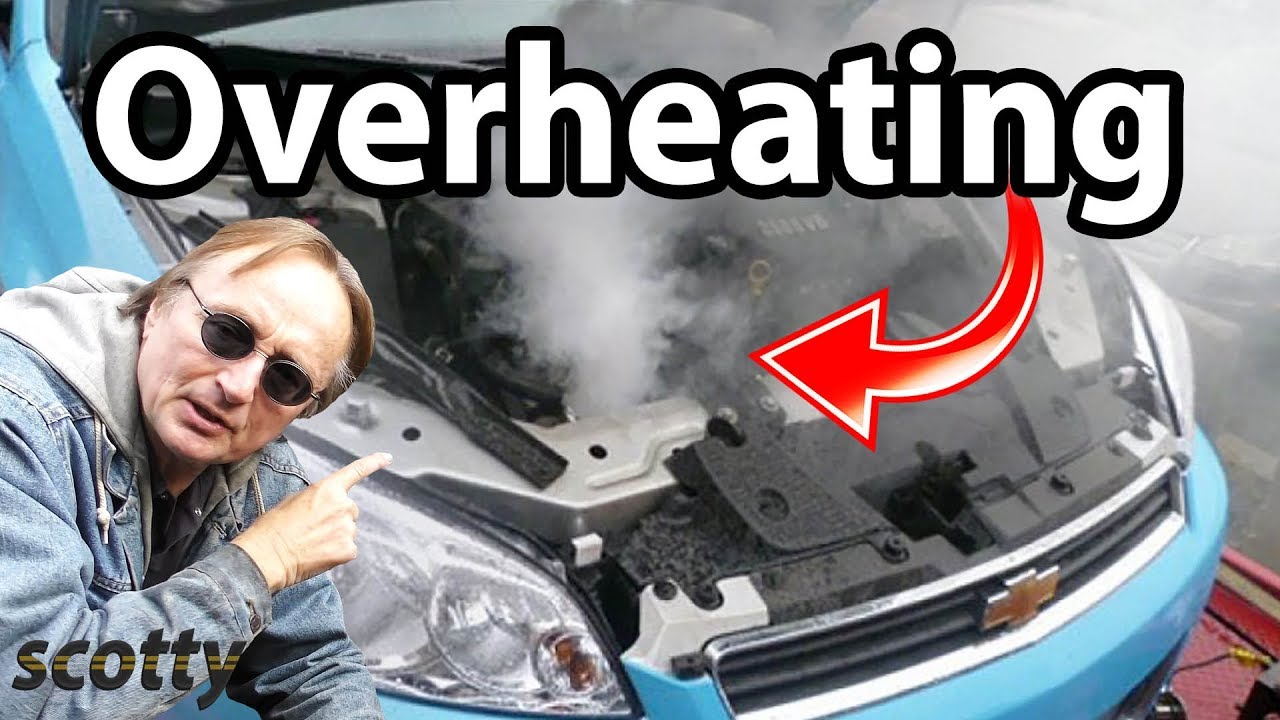
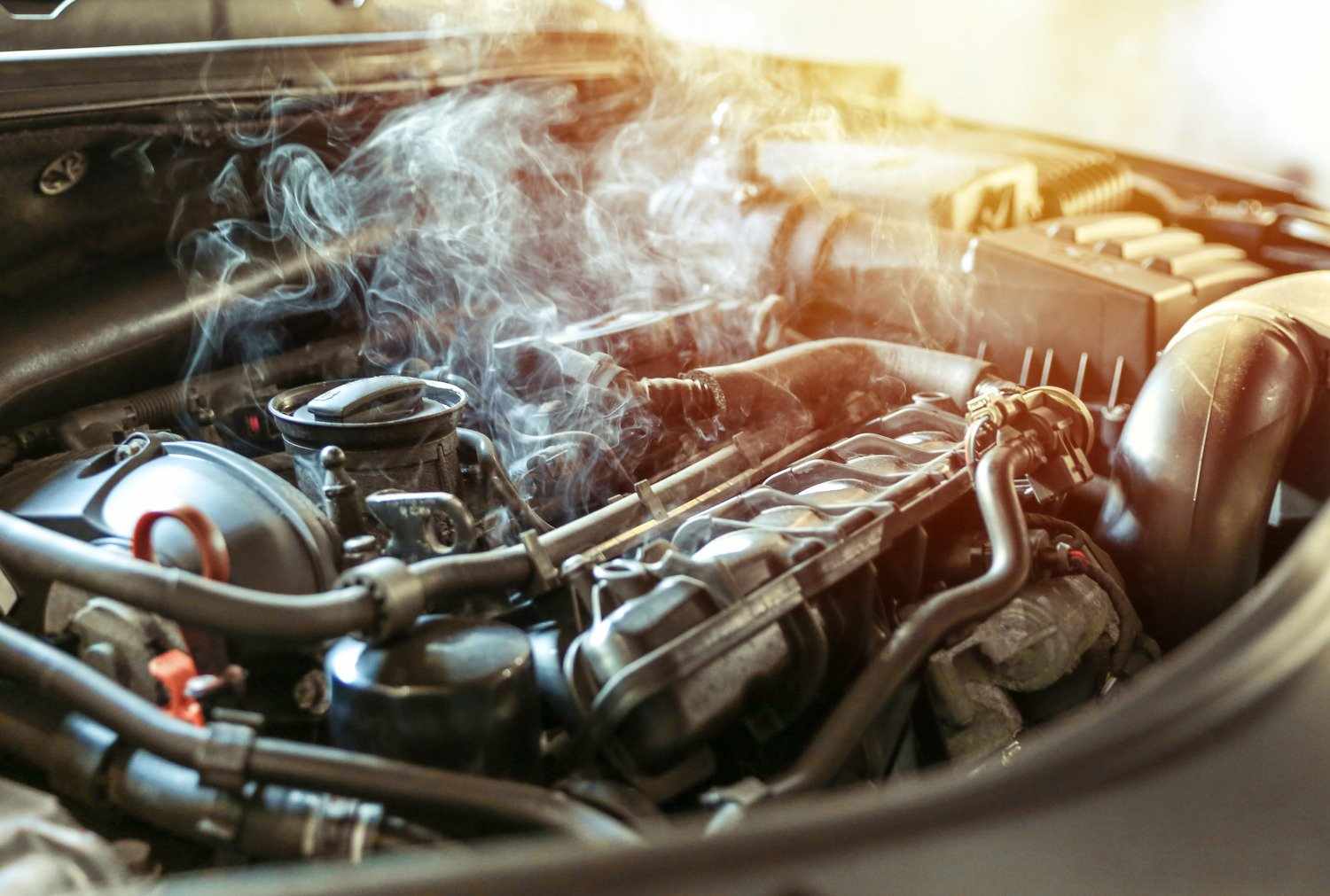
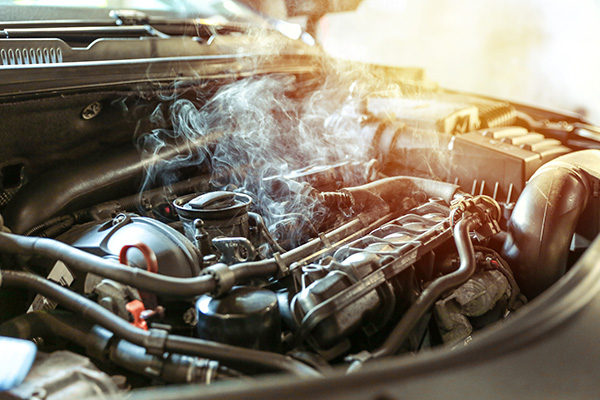
- Steam or white smoke from the hood — boiling coolant or leaking steam.
- Sweet smell from the engine bay — coolant leak often smells sweet.
- Loss of coolant with no visible leak — possible internal leak or head gasket.
- Poor heater performance — air in the system or low coolant stops heat transfer.
- Oil looks milky — coolant mixing with oil signals a serious issue.
Spotting these signs early prevents major repair costs and helps you figure out why engine overheating happens.
How to diagnose why engine overheating happens — step-by-step
- Visual check
- Look for puddles or wet spots under the car.
- Check radiator and overflow tank levels when the engine is cold.
- Pressure test
- Use a cooling system pressure tester to find leaks in hoses, radiator, or heater core.
- Thermostat test
- Warm the car and watch if the top radiator hose gets hot. If it stays cool, the thermostat may be stuck.
- Water pump check
- Inspect for bearing noise, leaks at the pump weep hole, or a loose pulley.
- Radiator and fan check
- Check for external debris and confirm the fan engages when the engine gets hot.
- Head gasket check
- Look for white smoke, milky oil, or use a combustion gas tester on the cooling system.
- Coolant quality
- Test for rust, scale, or wrong mixture using simple fluid testers.
These steps help pinpoint why engine overheating happens. If you’re unsure at any step, stop and consult a professional.
Prevention and maintenance to reduce overheating risk
- Regular coolant changes and correct mix prevent corrosion and boiling.
- Inspect hoses, belts, and clamps at every oil change.
- Flush the radiator every 2–4 years or per manufacturer guidance.
- Replace the thermostat and water pump as a set when due.
- Keep the radiator free of leaves and debris for good airflow.
- Check the cooling fan operation and electrical connections.
- Use the right coolant specified by the vehicle maker.
Routine checks greatly lower the odds of overheating and address why engine overheating happens before it becomes an emergency.

When to seek professional help
- Persistent overheating after simple fixes means deeper issues.
- Signs of head gasket failure, such as milky oil or constant bubbling in the overflow tank, require shop-level attention.
- If you find coolant in the oil or suspect internal leaks, do not drive the car long distances.
- Electrical fan failures or complex cooling-system diagnostics often need scan tools and pressure rigs.
Knowing when to stop DIY is part of understanding why engine overheating happens safely.

Real-world examples and lessons from the shop
I once diagnosed a late-model sedan that would overheat only in stop-and-go traffic. The owner had replaced the radiator but ignored an aging fan relay. The relay failed under load, so the fan didn’t run at idle. That taught me a key lesson: don’t skip the small parts. A single failed relay explained why engine overheating happens even after big repairs.
Another time, a customer repeatedly topped off coolant but kept overheating. A pressure test found a small heater core leak. That showed me the value of pressure checks versus visual inspection alone.
From these cases, I learned to always check electrical controls, test pressure, and follow the root-cause path rather than chasing symptoms.
Practical tips you can use now
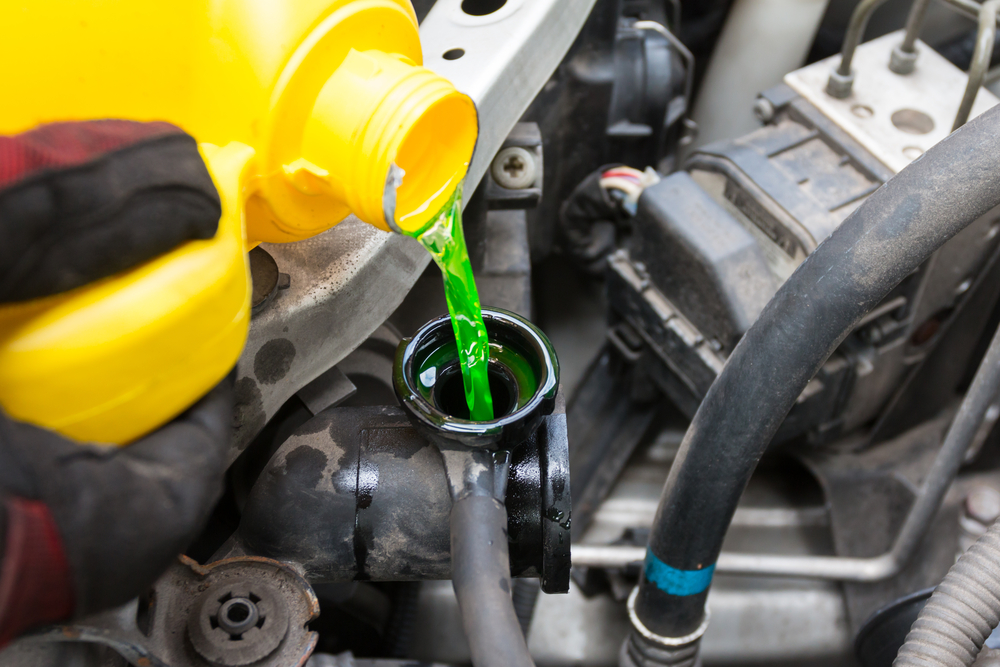
- Keep a bottle of the correct coolant in the trunk for emergencies.
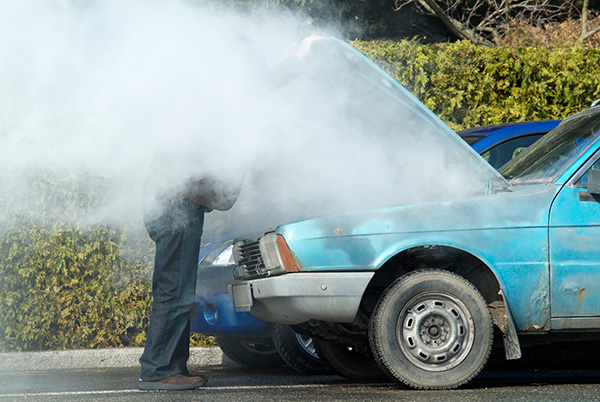
- Stop the car at the first signs of steam and let it cool before checking.
- Use gloves and protect your hands; hot coolant can cause severe burns.
- When topping up, use cold engine only. Never open a hot radiator cap.
- Keep a simple pressure tester or have one available at your shop.
These small habits reduce risk and help prevent why engine overheating happens in the first place.
Frequently Asked Questions of why engine overheating happens
What should I do if my car starts overheating while driving?
Stop in a safe spot, turn off the AC, turn the heater on full, and let the engine cool. Do not open the radiator cap until the engine is fully cool.
Can a low coolant level alone cause overheating?
Yes. Low coolant reduces heat transfer and often causes the engine to overheat quickly.
Is it safe to drive a short distance with a slightly high temperature reading?
No. Driving while the engine runs hot risks severe damage like warped heads or a blown gasket. Tow the vehicle if possible.
How often should I change my coolant to prevent overheating?
Follow manufacturer guidance, typically every 2–5 years, depending on coolant type and driving conditions.
Can a bad thermostat cause sudden overheating?
Yes. A thermostat stuck closed stops coolant flow and can cause rapid temperature spikes and overheating.
Final thoughts and next steps
Understanding why engine overheating happens helps you prevent costly repairs and stay safe on the road. Check coolant levels, inspect belts and hoses, and act fast at the first sign of trouble. If you’re unsure, get a pressure test or professional inspection to find the real cause and fix it right.
Take action today: schedule a cooling-system check, subscribe for more car care tips, or leave a comment with your overheating story.