
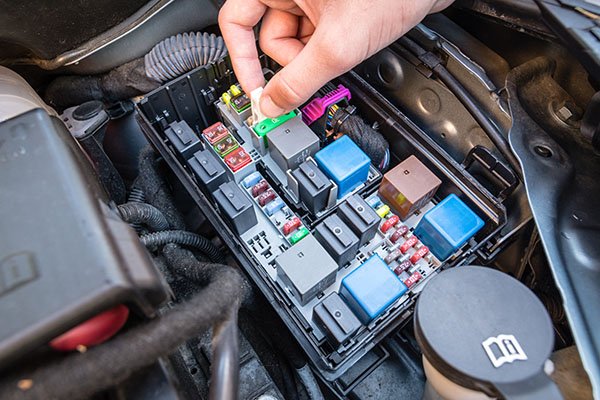
Understanding what is a car fuse box and how does it work helps drivers handle simple electrical issues with confidence. Every modern vehicle depends on many electrical systems, from headlights and windshield wipers to engine controls and safety equipment.
In my experience working with vehicle electrical topics, many drivers replace parts before checking a simple fuse. A basic understanding of the fuse box can save time, prevent unnecessary repairs, and help identify warning signs early.
A car fuse box acts like a safety control center. It contains small protective devices called fuses that stop excessive electrical flow before it damages expensive vehicle components.

What Is a Car Fuse Box and Why Is It Important?
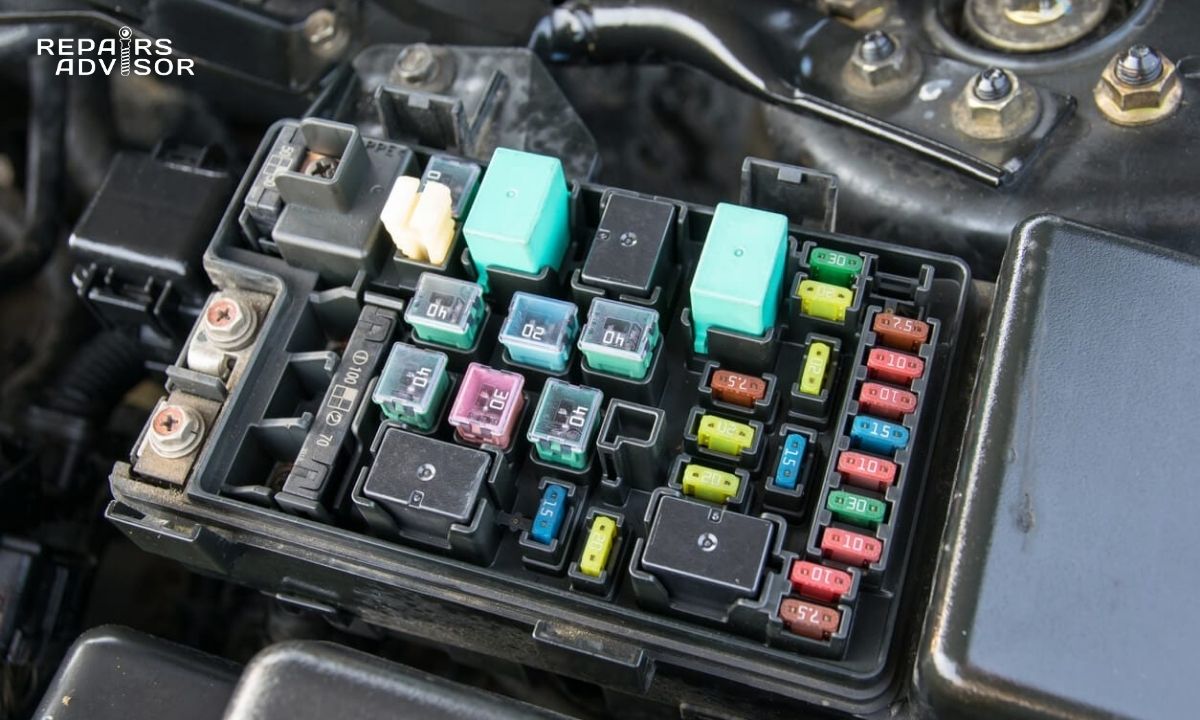
A car fuse box is a protective electrical panel that holds multiple fuses and sometimes relays. These components control and protect different electrical circuits inside the vehicle.
When an electrical circuit receives more current than it can safely handle, the fuse melts internally and stops the flow. This action protects wires, computers, and other vehicle parts from damage.
Knowing what is a car fuse box and how does it work is important because electrical failures often begin with a simple fuse issue. A failed fuse can cause one feature to stop working while the rest of the vehicle continues operating normally.
- ✦ Electrical protection
The fuse prevents overheating wires and reduces the risk of electrical damage.
- ✦ Circuit control
Each fuse usually protects a specific system or group of electrical parts.
- ✦ Easy troubleshooting
Drivers and technicians can check fuses before replacing expensive components.
The Main Purpose of Automotive Fuses
Automotive fuses work as safety barriers between the power source and electrical devices. They allow normal current to pass but stop the circuit when the current becomes too high.
- ✦ Prevent damage
Fuses protect vehicle wiring and electronic modules from electrical overloads.
How Does a Car Fuse Box Work?
To understand what is a car fuse box and how does it work, think of it as a traffic control system for electricity. The battery sends power through circuits, and the fuse controls how much current can safely pass.
Inside each fuse is a thin metal strip. When current exceeds the fuse rating, the strip heats up and breaks. This disconnects the circuit and prevents further damage.
After a fuse blows, the affected electrical system stops working until the fuse is replaced. The reason behind the overload should also be checked if the problem happens again.

- ✦ Normal operation
Electricity flows through the fuse to power vehicle components.
- ✦ Overload protection
The fuse breaks the circuit when too much current passes through.
- ✦ Repair process
A matching replacement fuse restores the protected circuit.
Where Is the Fuse Box Located in a Car?
The location of a car fuse box depends on the vehicle model and manufacturer. Most cars have a fuse panel inside the cabin and another fuse box under the hood.
The interior fuse box is often located below the dashboard, near the steering wheel, or behind a small access panel. The engine compartment fuse box usually sits near the battery or firewall.
Your owner’s manual shows the exact fuse box location and provides a diagram that explains each fuse position.

- ✦ Interior fuse panel
Usually controls cabin features such as lights, power outlets, and entertainment systems.
- ✦ Engine bay fuse box
Often protects major systems like cooling fans, fuel pumps, and engine electronics.
Why Fuse Box Locations Matter
Finding the correct fuse box quickly can help during roadside problems. It allows drivers to inspect a failed circuit without removing unnecessary parts.
Different Types of Car Fuses Explained
Modern vehicles use several types of fuses based on electrical requirements and available space. The most common types include blade fuses, mini fuses, and larger cartridge-style fuses.
Each fuse has a specific amperage rating. Installing a fuse with the wrong rating can create safety problems and may damage the electrical system.
Learning fuse types is an important part of understanding what is a car fuse box and how does it work because every fuse has a specific protection role.

- ✦ Blade fuses
Small plastic fuses commonly used for many vehicle electrical circuits.
- ✦ Mini fuses
Compact versions used in newer vehicles where space is limited.
- ✦ High-current fuses
Large fuses designed for powerful electrical systems.
Common Problems Related to a Car Fuse Box
A fuse box can develop problems due to electrical faults, corrosion, moisture, or repeated circuit overloads. A single blown fuse is common, but frequent failures need more investigation.
Many drivers notice fuse problems when a specific feature suddenly stops working. For example, a power outlet, radio, or interior light may fail while the engine runs normally.
Understanding these symptoms helps you know when a simple fuse replacement is enough and when professional diagnosis is needed.
- ✦ Blown fuse
A broken fuse element stops power from reaching the affected circuit.
- ✦ Corrosion
Moisture can damage fuse connections and create electrical resistance.
- ✦ Repeated fuse failure
Frequent blown fuses may indicate wiring issues or faulty components.
How to Check and Replace a Car Fuse Safely
Checking a car fuse is one of the simplest electrical inspections a vehicle owner can perform. Always turn off the vehicle before removing or replacing a fuse.
Use the fuse diagram to identify the correct fuse. A visual inspection can show a broken metal strip, but a fuse tester provides a more reliable check.
Replace a damaged fuse only with one that has the same amperage rating. Using a stronger fuse can allow too much current and create serious electrical risks.
- ✦ Step one
Locate the correct fuse box and identify the circuit using the vehicle diagram.
- ✦ Step two
Remove the suspected fuse and inspect it for damage.
- ✦ Step three
Install the correct replacement fuse and test the system.
