
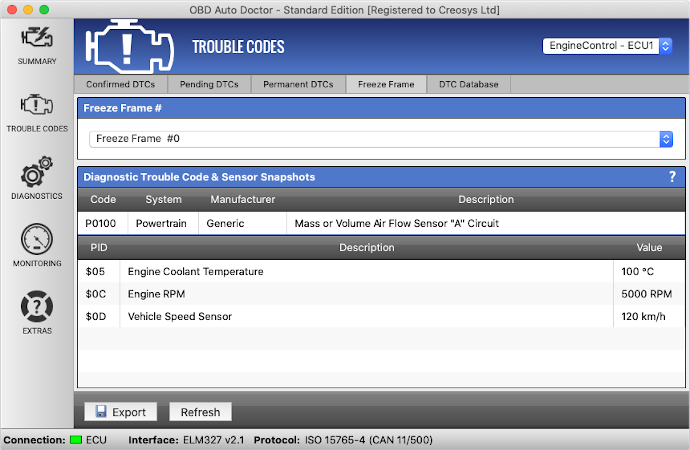
When a check engine light appears on a vehicle in the United States, many drivers only look at the diagnostic trouble code. The code tells you what system reported a problem, but it does not always explain what happened at that moment. Freeze frame data provides the missing details by saving a snapshot of vehicle operation when the fault was detected.
In my experience studying automotive diagnostics, freeze frame data is one of the most useful parts of an OBD2 scan. It helps separate real mechanical issues from temporary problems. A technician can see whether a fault happened during cold startup, highway driving, heavy acceleration, or normal cruising.
What Is Freeze Frame Data in OBD2 Diagnostics?
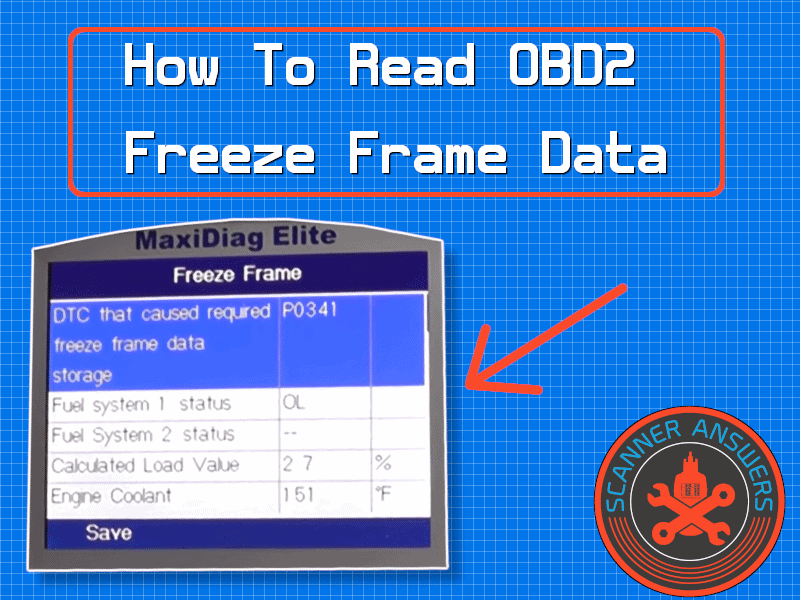
What Is Freeze Frame Data in OBD2 Diagnostics refers to the stored information captured by a vehicle’s computer when it detects a problem and saves a diagnostic trouble code. The engine control module, often called the ECU, stores important operating details from that exact moment.
Think of freeze frame data as a photograph of your vehicle’s condition during a fault. Instead of only seeing a code like P0301 for a cylinder misfire, a technician can also see engine speed, coolant temperature, fuel trim, and other values that help explain why the problem happened.
- ✦ Diagnostic Trouble Code
The OBD2 system saves the code that triggered the warning light, such as an emissions or engine performance issue.
- ✦ Operating Conditions
The system records vehicle conditions like speed, engine load, and temperature when the fault occurs.
- ✦ Stored Sensor Information
The ECU may save sensor readings that help technicians compare normal and abnormal operation.
Why Freeze Frame Data Matters
A trouble code alone can point to many possible causes. Freeze frame data narrows the search by showing what the vehicle was doing when the issue appeared. This saves time and reduces unnecessary part replacements.
- ✦ Faster Diagnosis
Technicians can focus on conditions linked to the fault instead of testing every possible component.
How OBD2 Freeze Frame Data Is Created
Modern vehicles constantly monitor engine and emissions systems through multiple sensors. The ECU checks whether sensor readings match expected values. When the system detects a serious or repeated issue, it creates a diagnostic trouble code and stores freeze frame information.
The freeze frame record is usually created automatically. Drivers do not need to activate it. When an OBD2 scanner connects to the vehicle, it can request this stored information through the diagnostic port.

- ✦ Sensor Monitoring
The ECU watches inputs from sensors such as oxygen sensors, airflow sensors, and temperature sensors.
- ✦ Fault Detection
The computer compares real-time data against programmed limits to identify abnormal behavior.
- ✦ Data Storage
The vehicle saves a snapshot of conditions linked to the detected fault code.
The Role of Diagnostic Trouble Codes
Diagnostic trouble codes and freeze frame data work together. The code identifies the affected system, while freeze frame data explains the environment where the problem occurred.
- ✦ Example
A lean fuel mixture code combined with high engine temperature data may suggest a different problem than the same code recorded during cold operation.
What Information Does Freeze Frame Data Show?
The exact information stored in freeze frame data depends on the vehicle manufacturer and the type of fault. Most OBD2 systems record common engine and emissions values that help diagnose problems.
Learning how to read freeze frame data makes an OBD2 scanner much more useful. The numbers provide context that a basic code reader cannot show.

- ✦ Engine RPM
Shows how fast the engine was running when the problem appeared.
- ✦ Vehicle Speed
Shows whether the fault happened during driving, idling, or acceleration.
- ✦ Coolant Temperature
Helps determine if the issue happened during cold or fully warmed engine operation.
- ✦ Fuel Trim Values
Shows how much the ECU adjusted fuel delivery to maintain proper combustion.
Common Parameters Found in Freeze Frame Records
Many scanners display values such as intake air temperature, throttle position, engine load, fuel pressure, and oxygen sensor information. These readings help build a complete picture of the event.
- ✦ Air and Fuel Data
Shows whether the engine received the correct mixture of fuel and air.
How Mechanics Use Freeze Frame Data for Diagnosis
Professional technicians use freeze frame data as a starting point, not as the only source of information. They combine the recorded snapshot with physical inspections, live data tests, and manufacturer repair procedures.
For example, if a misfire code appears while the engine is under heavy load, a technician may inspect ignition parts, fuel delivery, and compression. The freeze frame record helps guide the testing process.

- ✦ Confirming Conditions
Technicians check whether the fault occurred during a specific driving condition.
- ✦ Avoiding Guesswork
The stored data reduces the chance of replacing good parts without proof.
- ✦ Finding Intermittent Problems
Freeze frame records can reveal problems that disappear before inspection.
Real-World Diagnostic Example
A driver may report that the check engine light appears only during highway trips. Freeze frame data might show that the fault happens at high engine load and high speed, which directs the technician toward specific systems instead of general testing.
- ✦ Better Repair Decisions
Using data from the actual failure event leads to more accurate repairs.
How to Read Freeze Frame Data With an OBD2 Scanner
Reading freeze frame data requires an OBD2 scanner that supports advanced diagnostic functions. Many basic code readers only display trouble codes and cannot access stored vehicle snapshots.
The process is simple. Connect the scanner, read stored codes, open the freeze frame section, and compare the recorded values with normal operating ranges.

- ✦ Connect Scanner
Plug the scanner into the OBD2 port usually located under the dashboard.
- ✦ Retrieve Codes
Scan the vehicle computer and identify stored diagnostic trouble codes.
- ✦ Review Data
Check freeze frame values connected to the selected fault code.
Consumer Benefits of Using Freeze Frame Data
For American vehicle owners, understanding freeze frame data can make repair conversations easier. It allows drivers to ask better questions and understand why a repair is recommended.
- ✦ Smarter Maintenance
Drivers can better understand warning lights before visiting a repair shop.
Limitations of OBD2 Freeze Frame Data
Although freeze frame data is powerful, it does not directly identify the failed part. It only shows conditions that existed when the ECU detected a problem.
A skilled diagnosis still requires experience, testing tools, and knowledge of vehicle systems. Replacing parts based only on one stored value can lead to incorrect repairs.
- ✦ Not Every Problem Creates Data
Some temporary issues may not store freeze frame information.
- ✦ Different Vehicle Systems
Data availability varies between manufacturers and vehicle models.
- ✦ Requires Interpretation
The recorded numbers must be analyzed with other diagnostic information.
