
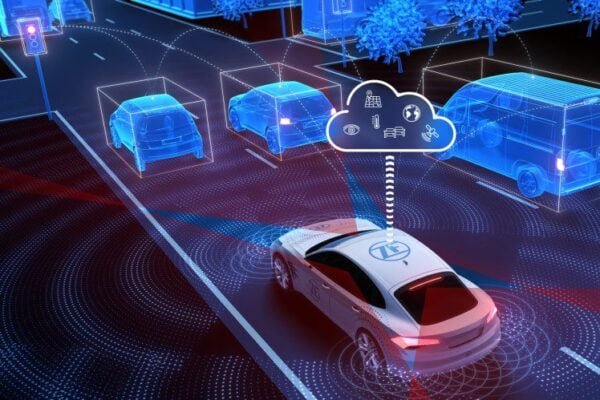
How Connected Cars Communicate With Cloud Services has become a key topic in modern automotive technology. Today’s vehicles are no longer only machines for transportation. They are connected devices that collect information, process data, and communicate with online systems.
From a driver perspective in the United States, cloud-connected vehicles make daily tasks easier. A driver can check vehicle status from a smartphone, receive traffic updates, download software improvements, or access emergency services without visiting a dealership.
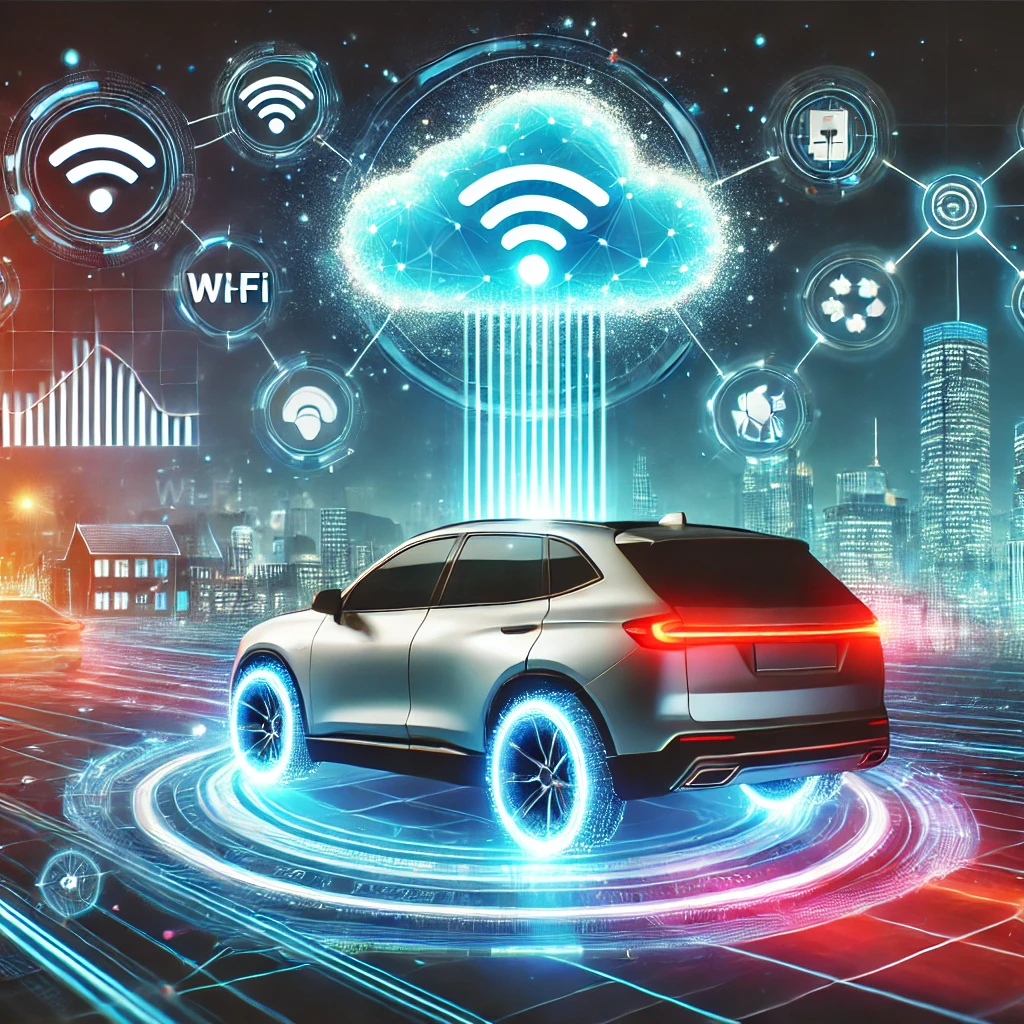
What Are Connected Cars and Cloud Services?
Connected cars are vehicles that can communicate with external systems through internet connections. They use sensors, cameras, GPS systems, and onboard computers to collect and share information.
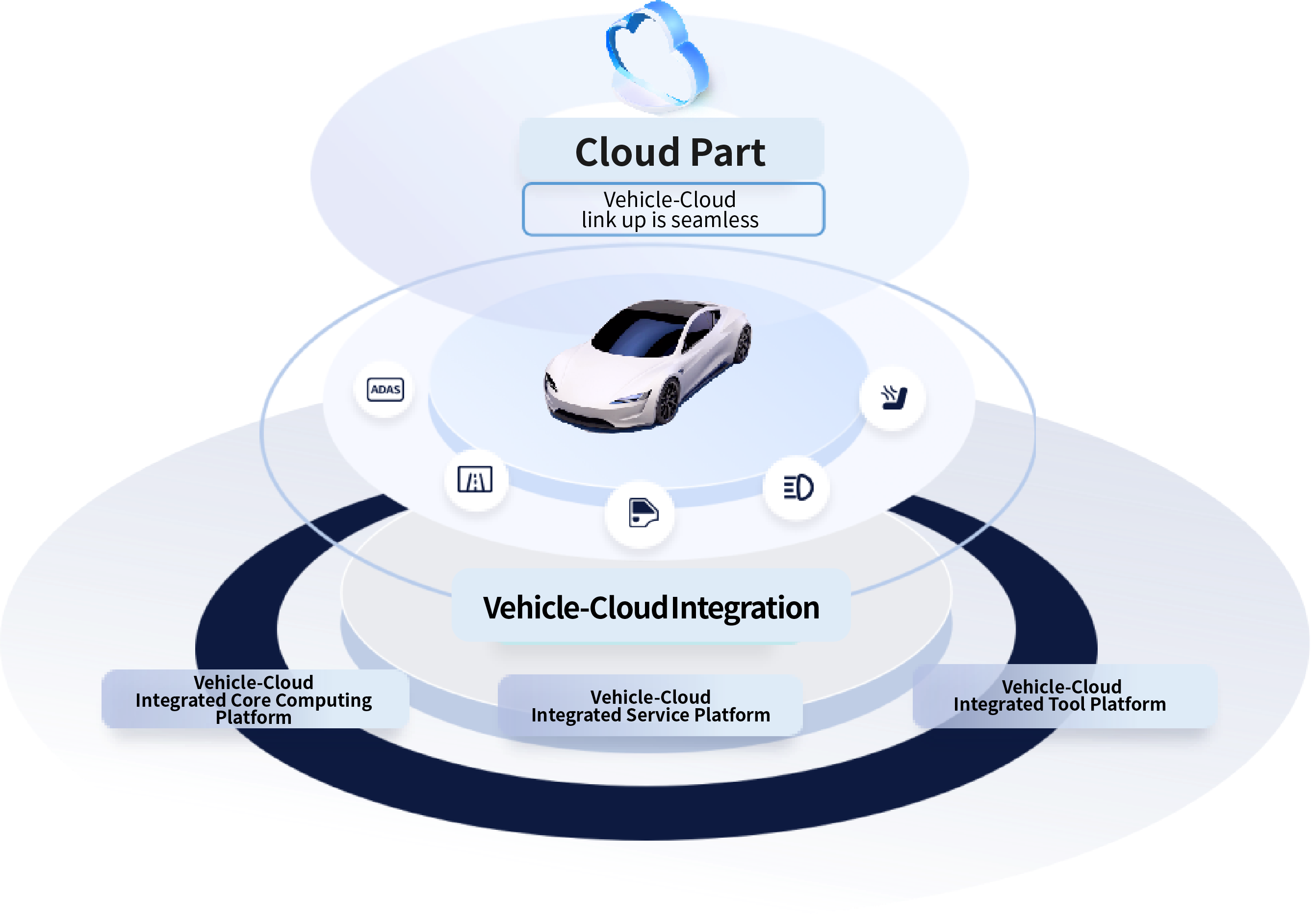
Cloud services provide the digital environment where vehicle data is stored, analyzed, and transformed into useful features. Understanding How Connected Cars Communicate With Cloud Services starts with knowing that the vehicle and cloud work together as one connected system.

- ✦ Vehicle sensors
Sensors collect information about speed, location, battery level, engine condition, and driving conditions.
- ✦ Cloud platforms
Cloud systems process vehicle information and deliver services back to drivers and manufacturers.
The Role of Internet Connectivity in Modern Vehicles
Connected vehicles use cellular networks, Wi-Fi, and Bluetooth connections to exchange data. These communication channels allow cars to stay linked with cloud systems while moving.
- ✦ Cellular connection
Many vehicles use built-in mobile connections similar to smartphones for continuous communication.
How Connected Cars Send Data to Cloud Platforms
The process behind How Connected Cars Communicate With Cloud Services involves several steps. First, vehicle sensors collect information. The onboard computer then organizes the data before sending it through a secure wireless connection.
The cloud receives this information and uses software systems to analyze it. The results can support navigation, maintenance alerts, driver assistance, and personalized vehicle services.

- ✦ Data collection
The vehicle gathers information from sensors, cameras, and control systems.
- ✦ Data transmission
The vehicle sends information to cloud servers through secure communication networks.
- ✦ Cloud processing
Cloud systems analyze information and return useful actions or recommendations.
The Vehicle Communication Gateway
A communication gateway acts as a bridge between vehicle systems and cloud platforms. It manages data flow and helps protect internal vehicle networks.
How Cloud Services Send Information Back to Vehicles
Communication is not only from the car to the cloud. Cloud systems also send information back to vehicles. This two-way communication creates smarter and more responsive driving experiences.
When exploring How Connected Cars Communicate With Cloud Services, this two-way connection is one of the most important concepts. The vehicle can receive map updates, software improvements, alerts, and remote commands.

- ✦ Over-the-air updates
Manufacturers can deliver software improvements without requiring a physical service visit.
- ✦ Remote vehicle features
Drivers can lock doors, check vehicle status, or control certain features through connected apps.
Real-Time Vehicle Applications
Cloud communication supports features such as live traffic information, emergency response systems, and predictive maintenance alerts.
Benefits of Connected Cars Using Cloud Technology
Connected vehicles improve convenience, safety, and vehicle performance. Cloud systems allow manufacturers to understand vehicle conditions and provide better digital services.
The benefits of How Connected Cars Communicate With Cloud Services can be seen in everyday driving. Drivers receive faster information, while companies can improve vehicle reliability.
- ✦ Improved safety
Vehicles can share alerts and receive information that helps drivers respond to road conditions.
- ✦ Better maintenance
Cloud systems can identify possible issues before major failures occur.
- ✦ Personalized experiences
Connected systems can adjust services based on driver preferences and usage patterns.
Security and Privacy Challenges in Connected Vehicle Communication
Connected cars create new opportunities, but they also introduce cybersecurity challenges. Vehicles exchange valuable information, so manufacturers must protect communication channels and user data.
A major part of understanding How Connected Cars Communicate With Cloud Services is understanding how companies secure these connections. Encryption, authentication, and regular software updates help reduce risks.

- ✦ Data protection
Vehicle systems must protect personal information such as location history and user preferences.
- ✦ Cybersecurity updates
Cloud-based updates help manufacturers fix software issues and improve protection.
Why Automotive Cybersecurity Matters
As vehicles become more connected, cybersecurity becomes a core part of vehicle design. Protecting communication between cars and cloud services helps maintain driver trust.
The Future of Vehicle-to-Cloud Communication
The future of connected cars will involve deeper integration between vehicles, cloud platforms, smart cities, and artificial intelligence systems. Cars will continue becoming more like intelligent digital platforms.
How Connected Cars Communicate With Cloud Services will continue evolving as networks become faster and vehicle software becomes more advanced. Future vehicles may provide more automated decisions and improved safety support.
- ✦ Artificial intelligence
AI systems can analyze large amounts of vehicle data to improve driving experiences.
- ✦ Smart city integration
Vehicles may communicate with traffic systems and infrastructure for better mobility.
