
Many drivers notice a shaking brake pedal and wonder what causes brake pedal vibration. The feeling can range from a light pulse under your foot to a strong shake that affects the whole vehicle.
In my experience reviewing common brake complaints, the most frequent causes are uneven brake rotors, brake pad problems, loose suspension parts, and tire or wheel issues. Finding the exact cause early helps protect both your vehicle and your safety on U.S. roads.
Brake systems work with very small tolerances. Even slight changes in rotor surface, wheel balance, or hydraulic pressure can create noticeable vibration when you slow down.

Common Brake Problems That Cause Brake Pedal Vibration
The most common answer to what causes brake pedal vibration is uneven contact between the brake pads and rotors. When the rotor surface is not perfectly smooth, the brake pad pushes and releases in a repeating pattern.
This creates a pulsing feeling through the brake pedal. Many drivers notice it more during highway braking because higher speeds increase the effect.

- ✦ Uneven brake rotors
Rotors can develop uneven thickness or surface changes from heat, wear, or poor installation. This is one of the most common reasons for brake pedal vibration.
- ✦ Worn brake pads
Old or damaged pads may not apply pressure evenly, causing shaking, noise, or reduced braking comfort.
- ✦ Brake caliper problems
A sticking caliper can create uneven braking force on one wheel and lead to vibration.
How Heat Changes Brake Components
Brakes create intense heat during normal driving. Repeated hard stops, towing, or mountain driving can increase heat and change rotor surfaces.
Heat-related damage is a common reason drivers ask what causes brake pedal vibration after long trips or heavy braking.
- ✦ Brake overheating
Excess heat can create uneven rotor surfaces and reduce smooth brake operation.
Wheel, Tire, and Suspension Issues Can Feel Like Brake Vibration
Not every shaking brake pedal comes from the braking system. Wheel and suspension problems can create similar symptoms, especially at certain speeds.
A bent wheel, poor tire balance, worn wheel bearing, or loose suspension joint can transfer vibration through the vehicle while braking.

- ✦ Unbalanced wheels
A wheel imbalance can create shaking that becomes more noticeable when braking at higher speeds.
- ✦ Worn suspension parts
Loose bushings, ball joints, or tie rods can allow extra movement during braking.
- ✦ Tire problems
Uneven tire wear or damaged tires may contribute to vibration and poor braking feel.
ABS Activity and Hydraulic Problems
A rapid pulsing brake pedal can be normal when the anti-lock braking system activates. ABS works by quickly applying and releasing brake pressure to help prevent wheel lock.
However, if the brake pedal vibration happens during normal stops on dry roads, the system may need inspection.

- ✦ Normal ABS operation
ABS vibration feels like fast pedal pulses during emergency braking or slippery conditions.
- ✦ ABS sensor issues
A faulty wheel speed sensor can send incorrect signals and cause unexpected ABS activation.
- ✦ Hydraulic system concerns
Air or pressure problems in the brake system can change pedal feel and braking performance.
How to Tell ABS Vibration From a Brake Problem
ABS vibration usually happens only during hard braking or when traction is limited. Rotor-related vibration often appears during regular braking and changes with vehicle speed.
How Driving Conditions Affect Brake Pedal Vibration
Driving habits and conditions play a major role in what causes brake pedal vibration. Vehicles used for daily commuting, towing, or frequent stop-and-go traffic may experience different brake wear patterns.
American drivers who spend time on highways may notice vibration more during high-speed braking because the braking system works harder to slow the vehicle.

- ✦ Heavy traffic driving
Frequent braking creates more heat and can speed up brake wear.
- ✦ Mountain or towing use
Extra vehicle weight increases brake stress and heat buildup.
- ✦ Long periods of parking
Rust or corrosion on brake surfaces can create temporary vibration.
How Mechanics Diagnose Brake Pedal Vibration
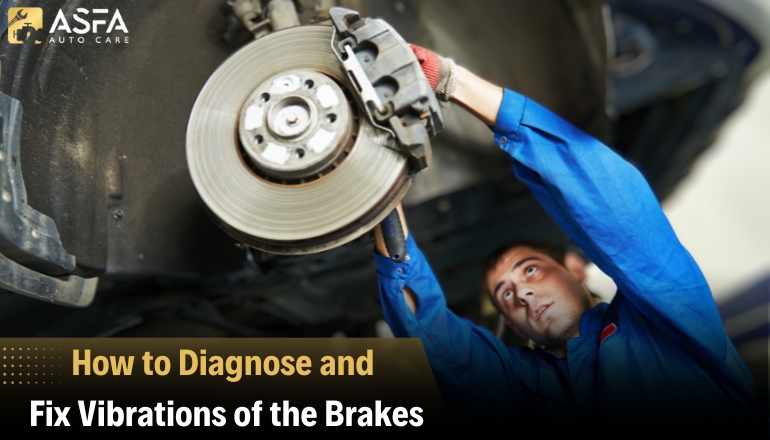
A professional diagnosis starts with understanding when the vibration happens. Mechanics usually ask whether it occurs during light braking, hard braking, low speeds, or highway speeds.
The inspection may include checking rotors, brake pads, calipers, wheel bearings, tires, suspension parts, and ABS components.
- ✦ Visual brake inspection
Technicians check pad wear, rotor condition, and signs of overheating.
- ✦ Measurement checks
Rotor thickness and runout measurements help identify uneven surfaces.
- ✦ Road testing
A controlled test drive helps match symptoms with possible causes.
When Brake Pedal Vibration Needs Immediate Attention
Drivers should seek professional help if vibration comes with grinding sounds, a soft brake pedal, pulling to one side, warning lights, or longer stopping distances.
