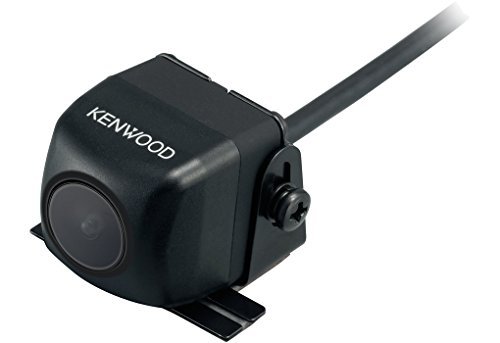
The Kenwood CMOS-230 is a compact, waterproof backup camera with a wide view and simple RCA video output.
Backing out of a tight driveway can be stressful. A parked car, a low wall, or a child behind your vehicle can make the job harder. A backup camera helps you see more of the space behind your car.
The Kenwood CMOS-230 is made for drivers who want a small wired camera without a complex video system. It suits daily drivers, SUVs, vans, and other vehicles with a compatible screen. Its wide view and waterproof body make it worth a closer look.
Is the Kenwood CMOS-230 Good?
The Kenwood CMOS-230 is a good choice if you need a basic wired backup camera. It has a small body, a waterproof design, and a wide viewing angle. Its 1/3.6-inch color CMOS sensor captures a mirror-view image for reversing.
The camera offers about 128 degrees of horizontal view and 103 degrees of vertical view. This helps you see a broad area behind your vehicle. Its RCA video output also gives it useful range with compatible aftermarket screens.
One of its best points is its small size. The camera can sit near the rear of a car without taking up much space. Its flexible mounting base also gives installers more choice.
There are limits, though. The CMOS-230 uses a standard-definition video signal with about 330,000 effective pixels. It does not offer HD video, built-in parking lines, or a wireless link. Kenwood also lists the model as discontinued in its US product range, so buyers should check stock and support before ordering.
I would consider it for a simple backup camera setup. I would not choose it if sharp HD video or smart parking guides are top needs. This is a product review based on listed product details, not a claim of hands-on testing.
My First Impression of the Kenwood CMOS-230
The first thing to note is its small size. The camera measures about 23.4 x 23.4 x 23.9 mm. That makes it easy to fit into a small space at the rear of a vehicle.
Kenwood uses a waterproof camera body and a flexible mounting base. This design suits outdoor use near a car’s rear bumper. The camera also has a simple look that should not draw much attention once fitted.
The package details can vary by seller. The listed installation parts include a mounting bracket, screws, and a cable setup. Check the seller’s box list before you order, as an older or open-box unit may not include every part.
Setup needs some care. You must mount the camera, route its wires, connect power and ground, and link its RCA video output to a screen. The screen must also switch to the camera feed when you select reverse. A car audio shop can handle this work if you do not want to remove trim or run wires yourself.
Key Features of the Kenwood CMOS-230
- Wide Viewing Angle: The camera has about 128 degrees of horizontal view and 103 degrees of vertical view. This gives you a broad look at the area behind your car. It can help when you back into a tight parking space or leave a busy driveway.
- 1/3.6-Inch Color CMOS Sensor: The CMOS sensor captures a color image for the screen. It has about 330,000 effective pixels. This is a basic video setup, not a modern HD camera.
- Waterproof Camera Body: Kenwood lists a waterproof chassis for this model. This matters because the camera sits outside the car and faces rain, road spray, and dirt. The waterproof design helps it suit normal outdoor use.
- Mirror-View Video: The camera sends a mirrored rear view to the screen. This layout works like the view in a rearview mirror. It helps make left and right movement feel more natural when backing up.
- Standard RCA Video Output: The CMOS-230 uses an NTSC composite video signal through an RCA connection. This makes it useful with many aftermarket car screens that accept a compatible camera input. Check your screen before buying.
- Flexible Mounting Base: The included flexible base lets the installer adjust the camera position. You can set the viewing angle to show the rear bumper and the space behind the car. Correct placement is key to a useful image.
- Low-Light Image Support: Kenwood lists an illumination range of about 0.9 to 100,000 lux. The sensor and lens are designed to capture a view in different light levels. This does not mean the camera can see in total darkness or match a modern night-view system.
- Long Wired Connection: The product specifications list a 9-meter power and video connection cable. This gives the installer room to route the cable from the rear of the vehicle to the screen. The exact cable parts in a retail package should still be checked.
✅ What I Like
- ✔ The wide 128-degree horizontal view helps cover a broad area behind the vehicle.
- ✔ The waterproof camera body suits an outdoor mounting spot near the rear bumper.
- ✔ Its very small size makes it easier to fit in tight mounting spaces.
- ✔ The RCA video output works with many compatible aftermarket car screens.
- ✔ The flexible mounting base allows the installer to adjust the camera angle.
- ✔ The mirror-view image is suited to normal reversing use.
- ✔ Its low power draw of about 50 mA places little demand on the vehicle’s electrical system.
⚠️ What Could Be Better
- ✖ The standard-definition image has only about 330,000 effective pixels, so it cannot match newer HD backup cameras.
- ✖ The wired setup takes time and skill to install, especially when routing cables through a vehicle.
- ✖ The camera does not provide built-in parking lines or a wireless connection.
Who Should Buy the Kenwood CMOS-230?
I would suggest this camera to drivers who need a basic rear-view camera and already own a compatible screen. Its wide view, small body, and waterproof design make it a useful option for an older car or a simple aftermarket setup.
It may also suit people who prefer a wired camera over a wireless model. A wired connection avoids the need for a separate wireless video link. Still, you need to plan the cable route and check the screen input before you buy.
I would look at a newer model if you want HD video, clear parking lines, or extra camera views. The CMOS-230 is an older design, so its value depends on the price, condition, and parts in the box.
| Best For | Why It Fits |
|---|---|
| Drivers With an RCA Screen | The camera sends an NTSC composite video signal through an RCA output. This can work with a compatible aftermarket receiver. |
| Owners of Older Cars | Its simple wired design can add a rear camera to a vehicle that lacks a factory backup camera. |
| SUV and Van Owners | The wide view can help show more of the space behind a larger vehicle while reversing. |
| Drivers Who Want a Small Camera | Its compact body can fit near the rear of a vehicle without taking up much space. |
Alternative Products You Can Consider
| Product | Best For | Key Difference |
|---|---|---|
| Kenwood CMOS-230 | Basic wired rear-view use | A compact standard-definition camera with a wide view and RCA video output. |
| Kenwood CMOS-320 | Drivers who want more camera views | Offers multiple view modes and added camera display features with compatible equipment. |
| Kenwood CMOS-740HD | Buyers who want HD video | A higher-detail camera option that needs a compatible display system. |
Final Verdict: Should You Buy the Kenwood CMOS-230?
The Kenwood CMOS-230 remains a useful choice for a simple backup camera setup. Its small body, wide viewing angle, waterproof design, and RCA output are its main strengths. It can help drivers see more of the space behind their vehicle while parking.
However, this is not the right camera for every buyer. Its standard-definition video feels limited beside newer HD options. It also lacks built-in parking guides and needs a wired installation. The discontinued US status is another point to consider.
I would buy it if the price is fair, the unit is genuine, and my screen supports its NTSC RCA output. I would choose the CMOS-740HD for a higher-detail image or the CMOS-320 for more viewing options. Before placing an order, confirm the package contents, return policy, and fit with your vehicle.
Most of all, remember that a backup camera is an aid, not a replacement for safe driving. Check your mirrors, look around the vehicle, and move with care every time you reverse.