The Pioneer ND-BC9 is worth considering for drivers who want a reliable wired camera with a wide rear view.
Backing out of a tight driveway can be stressful. Large SUVs, pickup trucks, and family vans often have blind spots that make parking hard. A small child, pet, or low object can also hide below the rear window. A backup camera helps you see more before you move.
The Pioneer ND-BC9 is made for drivers who want a simple rear camera with a wired connection. It offers a wide viewing angle, a CMOS image sensor, and a weather-resistant body. It can work with a compatible aftermarket screen or car stereo. Before buying, though, you should check the video input and installation needs.

Is the Pioneer ND-BC9 a Good Backup Camera?
The Pioneer ND-BC9 is a useful wired backup camera for drivers who want a wide rear view without adding a complex wireless system. Its main strengths are its 159-degree horizontal viewing angle, compact body, and automatic image adjustment. It also has an IP67 rating, which helps protect it from dust and water.
The camera uses a 1/4-inch CMOS sensor and sends a mirrored NTSC video signal. It has about 310,000 effective pixels and a stated resolution of around 350 TV lines. These figures make it a basic analog camera rather than a modern HD camera. Buyers should keep that limit in mind.
I like the practical design of this model on paper. It focuses on the main job: showing the area behind your vehicle. It does not rely on wireless pairing, a phone app, or a separate battery. However, I would not call it a plug-and-play camera for every car. You need a compatible screen, a suitable power source, and proper cable routing.
My main concern is its older analog video format. Drivers who expect sharp HD footage may want a newer camera. Still, if your stereo accepts a standard NTSC composite video signal, this Pioneer model deserves a place on your shortlist.

My First Impression of the Pioneer ND-BC9
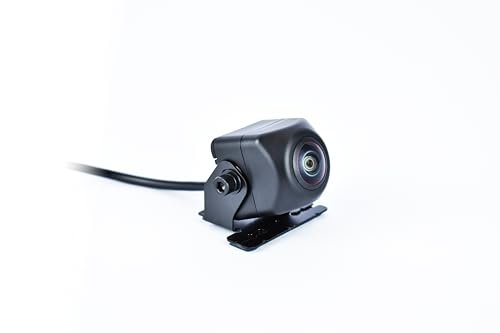
The ND-BC9 has a small camera body with a simple black finish. Its compact size should make it easier to fit near a license plate or another suitable rear mounting point. It does not have a large display or a bulky wireless receiver.
The listed camera size is about 23.8 x 23.8 x 25.5 mm. Its camera weight is around 188 grams, including the power cable according to the published specifications. This is a compact setup for a vehicle camera.
The package is listed with a cable split into two sections. One section is 3 meters long, while the other is 7 meters long. This gives a total cable length of 10 meters. That should help with many passenger cars, vans, and some larger vehicles, but you should measure your own cable route first.
I have not physically unboxed or installed this unit, so I cannot claim that I tested its packaging or fit. Based on the listed design, installation is a wiring job rather than a quick wireless setup. The camera needs a secure mount, a compatible video input, and a reverse-triggered power connection.
Before you begin, check the camera connector, screen format, and vehicle voltage. Also check the mounting space. A clean installation matters because loose cables can rattle, catch on trim, or create problems later.

What Makes It Stand Out: Key Features
- Wide 159-Degree Horizontal View: The camera offers a horizontal viewing angle of about 159 degrees and a vertical angle of about 117 degrees. This wide view can help drivers see more of the area behind the vehicle. It is useful when backing out of a driveway or parking between other cars. Keep in mind that a wide lens can make objects look farther away than they are.
- 1/4-Inch CMOS Image Sensor: The ND-BC9 uses a 1/4-inch color CMOS sensor. It has about 310,000 effective pixels. The sensor adjusts image brightness to suit changing light. This can help when moving between shade and bright sunlight. It is still an analog camera, so buyers should not expect modern HD detail.
- Automatic Brightness Adjustment: The built-in image system adjusts brightness as light levels change. This can help when reversing in a shaded garage or a bright parking lot. Pioneer also describes image processing that helps reduce white streaks caused by strong light. This is useful when sunlight or bright lamps shine toward the camera.
- 159-Degree and 117-Degree Viewing Angles: The wide horizontal and vertical views help reduce the area hidden from the driver. The camera can show more of the space close to the rear of the car. However, the image is not a full replacement for mirrors or direct checks. Always look around before moving.
- IP67 Dust and Water Protection: The camera has an IP67 protection rating. This means its housing has a tested level of dust protection and water resistance under specified test conditions. It is a useful feature for a camera mounted outside the vehicle. Correct installation and cable sealing still matter.
- NTSC Composite Video Output: The ND-BC9 sends a mirrored NTSC video signal through an RCA-style connection. It is designed to work with a compatible CVBS rear camera input. This makes it useful with many aftermarket displays that accept analog composite video. Check your screen manual before buying because not every display supports this format.
- Long 10-Meter Cable: The supplied cable has a 3-meter camera section and a 7-meter extension section. The total length is 10 meters. This gives an installer room to route the wire through the vehicle. It may suit many cars and some larger vehicles, but long vans and trucks need a route check first.
- Low Power Use: The camera draws 100 mA or less at its stated operating voltage. Its listed supply range is 10.8 to 15.1 volts DC. This suits many standard 12-volt negative-ground vehicle systems. Check the electrical system before using it in a larger vehicle with a different voltage setup.
✅ What I Like
- ✔ The 159-degree horizontal view gives drivers a broad look at the area behind the vehicle.
- ✔ The small camera body offers more mounting options than a large rear camera housing.
- ✔ The IP67 rating helps protect the camera from dust and water when it is installed correctly.
- ✔ The CMOS sensor adjusts image brightness as lighting conditions change.
- ✔ The 10-meter cable gives installers flexibility when routing wires through many passenger vehicles.
- ✔ The standard NTSC composite output can work with compatible aftermarket car stereos and displays.
- ✔ The wired design avoids wireless pairing issues and does not need a separate camera battery.
- ✔ Its low power draw places little demand on a suitable vehicle electrical system.
⚠️ What Could Be Better
- ✖ The analog image output has much less detail than modern HD backup cameras.
- ✖ Installation requires cable routing and electrical connections, which may be difficult for beginners.
- ✖ The camera does not provide a built-in screen, parking sensors, or dynamic parking guidelines.
My Recommendation: Who Should Buy It?
I would consider the ND-BC9 if I already had a car stereo with an NTSC composite rear camera input. It is also worth considering if I wanted a small wired camera with a wide view and a weather-resistant body. Its simple design makes sense for drivers who do not need wireless features.
It may be a good fit for older vehicles that already have an aftermarket display. It can also suit some SUVs, sedans, vans, and pickup trucks. The main step is to confirm the screen connection and mounting space before ordering.
I would choose another model if I wanted a high-resolution image or a complete camera kit with a screen. Some newer cameras offer HD video and extra viewing modes. Those features may be more useful if you often park in dark areas or need a clearer view of small objects.
Do not buy this camera based only on the Pioneer name. Your head unit must support its analog video signal. A professional installer can also help with the power connection and reverse trigger. That small check can save you from buying the wrong camera.
| Best For | Why It Fits |
|---|---|
| Drivers With Compatible Pioneer Head Units | It can connect to a suitable Pioneer display with an NTSC composite rear camera input. |
| Owners of Older Vehicles | Its analog RCA-style video output can suit older aftermarket entertainment systems that support CVBS. |
| SUV and Pickup Truck Owners | The wide viewing angle can help reduce blind spots when reversing larger vehicles. |
| Drivers Who Prefer Wired Cameras | The wired connection avoids wireless pairing and camera battery charging. |
| Drivers Who Want a Compact Camera | The small camera body can fit in a range of suitable rear mounting locations. |
Alternative Products You Can Consider
| Product | Best For | Key Difference |
|---|---|---|
| Pioneer ND-BC9 | Drivers with compatible analog displays | Wired NTSC composite camera with a 159-degree horizontal viewing angle. |
| Kenwood CMOS-230 | Drivers considering a Kenwood camera system | An alternative wired camera from Kenwood; confirm its connection and display requirements. |
| Alpine HCE-C1100 | Owners of compatible Alpine systems | An Alpine camera option that should be checked against the required system interface. |
| Garmin BC 50 | Drivers who prefer a wireless camera setup | Uses a compatible Garmin navigation device rather than a standard wired RCA display connection. |
Final Verdict: Should You Buy the Pioneer ND-BC9?
The Pioneer ND-BC9 is a practical backup camera for drivers who value a wide rear view and a simple wired setup. Its compact body, CMOS sensor, IP67 rating, and 10-meter cable make it an appealing option for a compatible vehicle display. It focuses on basic reversing support rather than extra features.
I would put it on my shortlist if my car stereo supported NTSC composite video and I did not need HD image quality. It may also suit drivers who want a small camera from a known car audio brand. However, I would compare newer HD models before spending more on an upgrade.
The biggest limitation is its analog image quality. It also needs careful wiring and a compatible screen. If those limits are acceptable, this camera can be a sensible choice. If you want a wireless setup, a built-in display, or sharper video, look at the alternatives first.
My final advice is simple: check your head unit, confirm the camera input, and plan the cable route before ordering. A good camera is only useful when it works with the rest of your vehicle system.