**The best damaged bolt removal tools grip rounded fasteners, remove broken studs, and help prevent costly repair damage.**
A rounded bolt can turn a simple repair into a long afternoon. You may find one on a car, truck, lawn mower, motorcycle, or old piece of shop equipment. A regular socket may slip. Pliers may not grip. More force can make the damage worse. That is where a good bolt extractor helps. It can bite into the damaged fastener and give you a better chance of turning it out. I compared nine options by their listed design, tool type, size range, and intended use. I have not claimed hands-on testing of these exact products. Instead, I focus on their stated features and the jobs each design should suit. This guide helps American home mechanics, DIY users, and repair shops choose the right tool for the job.
🏆 Top 3 Products

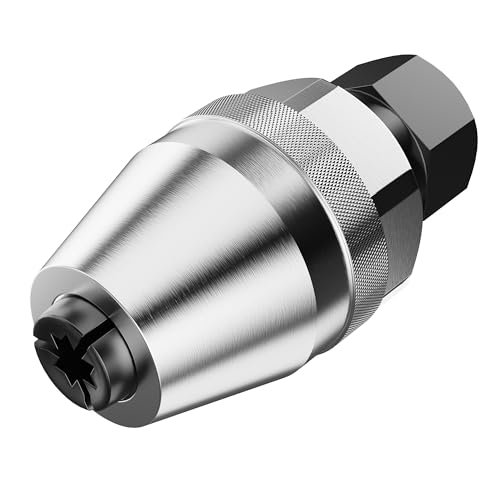
Damaged Bolt and Stud Extractor Tool, Grips and Removes 1/4” to 1/2” Studs
Its manual gripping design and stated 1/4-inch to 1/2-inch range make it a strong choice for damaged studs and exposed bolts.

14 PCS Impact Bolt and Nut Remover Set
Its impact-style socket design and 3/8-inch adapter make it a useful option for rounded nuts and damaged bolt heads.

5 Pieces Easy Out Bolt Extractor Set
Its simple straight-fluted design offers a focused and compact way to tackle broken screws and bolts.
Damaged Bolt And Stud Extractor Tool Review
This damaged bolt and stud extractor tool is designed for fasteners that have lost their normal gripping surface. Its listed working range covers 1/4-inch to 1/2-inch studs. That makes it worth considering for common automotive and shop repair jobs. The tool uses a manual grip mechanism rather than relying only on a drill bit. This design targets broken, rounded, painted, and rusted fasteners that a normal wrench may struggle to turn.
I like the focused purpose of this tool. A regular socket needs a clean bolt head to work well. This extractor aims to grip the exposed body of a damaged stud or bolt instead. It may help when you need to remove a stubborn fastener without drilling into it first. Still, check the fastener size and the amount of exposed metal before you buy. The tool needs enough room to grip the part. It is not a universal answer for every broken bolt.
✅ Pros
- ✔ The stated 1/4-inch to 1/2-inch range covers several common stud sizes.
- ✔ The manual grip design offers a different approach from basic screw extractors.
- ✔ It targets rounded bolt heads and exposed damaged studs.
- ✔ It may work on fasteners with paint or rust on the surface.
- ✔ It can suit automotive repair, garage work, and general maintenance.
- ✔ The focused design makes it easier to identify its intended job.
⚠️ Cons
- ✖ The listed size range may not cover large industrial fasteners.
- ✖ It needs enough exposed fastener surface for a secure grip.
- ✖ It may not suit a bolt that has broken below the surface.
- ✖ The listing does not provide enough detail to confirm every material or size limit.
My Recommendation
I would put this tool near the top of my list for exposed studs and rounded fasteners. Its stated size range gives buyers a clear starting point. It is especially interesting for people who often repair cars, trucks, small engines, or shop equipment. I would check the fastener diameter and available working space first. If the bolt sits below the surface, a drill-based extractor may be a better choice. For the right exposed fastener, this design offers a direct way to improve grip and control.
| Best For | Why |
|---|---|
| Automotive DIY Users | The stated size range suits many smaller exposed studs found during routine repair work. |
| Rounded Stud Removal | Its manual grip design targets fasteners that no longer have usable edges. |
| Home Mechanics | It offers a focused tool for common garage jobs without relying only on drilling. |
Damaged Screw Extractor Set Review

This damaged screw extractor set is aimed at stripped screws, broken screws, and rusty fasteners. Its listing also presents it as a gift item, but the useful part is its extraction purpose. A screw extractor can help when the driver slot has worn down or the screw head no longer holds a normal bit. This type of tool is useful for household repairs, furniture work, small machines, and selected automotive tasks. It gives users another option before they turn to more involved removal methods.
I would consider this set for light repair work and smaller fasteners. It is not the same as a heavy impact bolt remover or a dedicated stud gripping tool. The right extractor must match the screw size and the condition of the fastener. Most screw extraction methods also need a careful pilot hole. A slow drill speed and steady pressure help keep the bit under control. Check the included sizes and material details before purchase, since the supplied listing does not establish a full size chart.
✅ Pros
- ✔ It targets stripped screws that no longer accept a normal screwdriver.
- ✔ The design also addresses broken and rusty screw removal.
- ✔ It can suit home repair and basic workshop tasks.
- ✔ A screw extractor set gives users another option before drilling out a whole fastener.
- ✔ It may help with small repair jobs around furniture and equipment.
- ✔ Its compact tool category can fit a general DIY toolkit.
⚠️ Cons
- ✖ The listing does not give a clear size range for every extractor.
- ✖ It may not handle large or heavily seized automotive bolts.
- ✖ Some extraction jobs require a separate drill and suitable drill bits.
- ✖ It is less specialized for exposed studs than a dedicated stud remover.
My Recommendation
I would choose this set for people who often deal with stripped screws and small broken fasteners. It makes more sense for household repairs than for a busy automotive shop that removes large bolts every day. Before using it, match the extractor to the fastener and follow the required pilot-hole method. Do not force a small extractor with a long handle. Small extraction bits can snap when you apply too much torque. If your main problem is rounded lug nuts, choose a twist socket set instead.
| Best For | Why |
|---|---|
| Home DIY Repairs | It targets stripped screws found in household items and small projects. |
| Small Fasteners | A screw extractor design is better suited to smaller screw removal than large bolt work. |
| Occasional Users | It offers a focused option for people who only face damaged screws from time to time. |
5-Piece Easy-Out Bolt Extractor Set
This five-piece easy-out bolt extractor set uses a straight-fluted, square-style design. It is made for broken or damaged bolts and screws. Straight flutes give the extractor edges that can bite into a properly prepared hole. The square type also provides a way to turn the tool with a suitable wrench or driver. I see this as a simple option for people who want a small extractor set for occasional repair work.
The five-piece format keeps the kit focused. It may suit a home garage where users do not need a large collection of extraction tools. The main thing is to choose the correct extractor size and drill the pilot hole with care. A hole that sits off-center can make removal much harder. I would also use steady hand pressure rather than a high-speed impact driver. The listing does not provide a full size chart, so confirm the included sizes before relying on it for a specific repair.
✅ Pros
- ✔ The five-piece format keeps the kit simple and compact.
- ✔ Straight flutes provide edges that can bite into a prepared fastener.
- ✔ The square-style design supports controlled turning with a suitable tool.
- ✔ It targets broken and damaged bolts as well as screws.
- ✔ It can suit home garages and basic maintenance work.
- ✔ The focused set avoids the clutter of a very large kit.
⚠️ Cons
- ✖ Five pieces may offer fewer size choices than larger extractor kits.
- ✖ It requires careful pilot-hole drilling for many extraction jobs.
- ✖ It may not grip external rounded bolt heads or lug nuts.
- ✖ The listing does not establish the exact size range or material strength.
My Recommendation
This is my best-value choice for users who want a basic easy-out set. I would keep it in a home garage for occasional broken screw and bolt jobs. It is not the first tool I would pick for a rounded external bolt head. That job needs a gripping socket or stud extractor. For a broken fastener with enough material to drill and grip, this straight-fluted style may be a useful choice. Check the size range before you buy, and use a proper center punch to help keep the pilot hole aligned.
| Best For | Why |
|---|---|
| Budget Tool Kits | The five-piece design offers a focused set for basic extraction needs. |
| Broken Screws | Straight flutes can grip a suitable pilot hole in a broken screw. |
| Home Garages | Its compact format makes sense for occasional repair work and small projects. |
14-Piece Impact Bolt And Nut Extractor Kit
This 14-piece bolt extractor kit is designed for damaged nuts, rounded bolts, and stubborn screws. Its listing highlights an impact bolt and nut remover design. It also includes a 3/8-inch adapter and a portable storage box. That combination makes it an interesting choice for automotive work. A twist-style extractor socket can bite into the outside of a damaged fastener. This can help when a normal socket slips off a rounded head.
I like the broader use this kit aims to provide. It is not limited to broken screws that need a drilled hole. Instead, its socket-style design targets external fastener surfaces. The adapter may help connect the set to compatible drive tools, but buyers should confirm the exact drive requirements. I would use the correct socket size and seat it fully before applying force. A damaged nut can still resist removal, especially when rust has locked the threads. Use controlled torque and avoid treating every fastener as an impact-tool job.
✅ Pros
- ✔ The 14-piece format offers several extractor choices.
- ✔ The impact-style design targets rounded nuts and damaged bolt heads.
- ✔ The included 3/8-inch adapter adds a useful drive connection.
- ✔ The socket approach can avoid drilling into an external bolt head.
- ✔ The portable storage box helps keep the pieces together.
- ✔ It can suit automotive repair and general workshop maintenance.
- ✔ It targets more than one type of damaged external fastener.
⚠️ Cons
- ✖ The listing does not provide a complete size chart in the supplied details.
- ✖ It may not remove a bolt that has broken below the surface.
- ✖ A tight fit is essential to prevent further damage during removal.
- ✖ Impact use must match the tool’s stated limits and drive compatibility.
My Recommendation
I would recommend this kit to automotive DIY users who often face rounded bolt heads and damaged nuts. The 14-piece format and included adapter make it a versatile-looking option. It is a stronger match for external fasteners than a small screw extractor set. I would still compare the socket sizes with the fasteners on your vehicle before buying. Use a hand ratchet first when the fastener condition allows it. Move to impact use only when the product supports that method and you can control the tool safely.
| Best For | Why |
|---|---|
| Automotive Mechanics | Its socket-based design targets damaged nuts and external bolt heads. |
| Rounded Fasteners | The extractor socket can bite into a damaged outer surface. |
| Organized Workshops | The 14-piece kit and storage box offer a useful set format. |
Wolfride 10-Piece Screw Extractor Set

The Wolfride 10-piece broken screw extractor set is designed for stripped screws and damaged fasteners. Its listing calls out a 1/4-inch hex shank. This is a useful detail because it points to a common driver connection. A compatible drill or driver can turn the extractor during the removal process. The ten-piece format also gives buyers more pieces than a small five-piece set. It may be useful for people who handle different screw sizes around the house or shop.
I would consider this set when small fasteners are the main concern. The hex shank can make setup simple if you already own a compatible driver. Still, a driver connection does not mean every extraction job needs high speed. Slow operation and a centered pilot hole matter more than speed. Check the included extractor sizes and the manufacturer’s instructions before use. For large rusted bolts, thick studs, or rounded lug nuts, I would choose a dedicated bolt or nut extractor instead.
✅ Pros
- ✔ The ten-piece format offers more pieces than a basic five-piece set.
- ✔ The stated 1/4-inch hex shank suits compatible driver connections.
- ✔ It targets broken and stripped screws.
- ✔ It may work for household and workshop repair tasks.
- ✔ The hex connection can make tool changes simple with a matching holder.
- ✔ It gives users another option for fasteners that no longer accept a normal bit.
⚠️ Cons
- ✖ It is mainly a screw extractor set, not a dedicated lug nut kit.
- ✖ The supplied product details do not list every extractor size.
- ✖ High-speed drilling can damage an extractor or fastener.
- ✖ It may not suit large or heavily seized automotive bolts.
My Recommendation
I would choose the Wolfride set for users who need a broader screw extraction kit with a common hex connection. It may fit a home repair toolkit, especially if you already own a compatible drill or driver. I would not buy it as my only damaged bolt removal tool if my work mainly involves vehicle suspension bolts or wheel hardware. Match the tool to the fastener first. Use a slow speed and keep the drill square to the screw. If the fastener is large or badly seized, step up to a stronger and more suitable extraction method.
| Best For | Why |
|---|---|
| DIY Home Repairs | It targets stripped screws that appear in household maintenance jobs. |
| Hex-Shank Tool Owners | The listed 1/4-inch shank works with compatible holders and drivers. |
| Small Workshop Tasks | The ten-piece format offers several possible extraction choices. |
Dyfizer Manual Damaged Bolt Extractor

The Dyfizer damaged bolt extractor is a manual tool for broken, stripped, rounded, and rusted bolts. Its listed size range covers 1/4-inch to 1/2-inch fasteners. This places it in a similar general category to other manual stud gripping tools. The key feature is its grip mechanism. Instead of depending on a damaged bolt head to hold a normal socket, it aims to grab the fastener itself. This may help with exposed studs and damaged bolt bodies.
I would look at this model for repair jobs where a manual grip is more useful than a drill-based extractor. It may suit small automotive jobs, equipment repair, and general shop work. The stated range helps buyers narrow down the right use. However, the listing does not establish every fit detail or the amount of exposed material needed. Check the working space around the fastener before purchase. A manual extractor still needs a secure grip and steady turning force. Do not use an extension to force a fastener that refuses to move.
✅ Pros
- ✔ The stated range covers 1/4-inch to 1/2-inch fasteners.
- ✔ The manual grip mechanism targets exposed damaged bolts and studs.
- ✔ It is designed for rounded and stripped fasteners.
- ✔ The listing also identifies rusted bolts as a target use.
- ✔ It may suit automotive maintenance and general workshop jobs.
- ✔ The manual design offers an alternative to drilling a pilot hole.
⚠️ Cons
- ✖ The stated size range may not cover larger bolts.
- ✖ It needs enough exposed fastener surface to grip.
- ✖ It may not suit deeply recessed or broken-below-surface fasteners.
- ✖ The supplied details do not confirm all compatibility limits.
My Recommendation
I would consider the Dyfizer for users who prefer a manual approach to exposed damaged studs and bolts. Its stated size range is easy to compare with common small fasteners. It may be a practical option for a home mechanic or maintenance worker. Before buying, compare the range with your actual fastener sizes. Also check whether the tool can fit around nearby parts. If you mainly remove broken screws inside a threaded hole, choose a drill-based extractor kit instead. If you deal with wheel nuts, a twist socket set is the better match.
| Best For | Why |
|---|---|
| Exposed Studs | The manual gripping style is intended for accessible damaged studs. |
| Small Automotive Repairs | The 1/4-inch to 1/2-inch range may cover several common repair fasteners. |
| Manual Tool Users | It offers a grip-based approach without requiring a drilled pilot hole. |
LCGP Damaged Bolt And Stud Extractor

The LCGP damaged bolt and stud extractor is another manual gripping tool. Its stated working range runs from 1/4 inch to 1/2 inch. The product targets broken, rounded, painted-over, and rusted tight bolts. This makes it relevant to repair work where dirt, paint, or corrosion has made normal removal harder. The design focuses on gripping the exposed fastener instead of cutting a new slot or drilling into the bolt.
I would compare this model with the first manual stud extractor in this guide. Both have a similar stated size range and target a similar type of repair. That means buyers should pay close attention to the exact grip design, dimensions, and included parts. Do not assume that two tools with similar descriptions have the same fit. The available product details do not provide enough information to rank their internal construction. For a buyer who needs a manual stud remover, this is still a relevant option to consider.
✅ Pros
- ✔ The stated 1/4-inch to 1/2-inch range offers a clear size guide.
- ✔ It targets broken and rounded fasteners.
- ✔ The design also addresses painted-over and rusted tight bolts.
- ✔ The manual grip method can reduce the need for drilling.
- ✔ It may suit vehicle maintenance and general repair work.
- ✔ It provides a dedicated option for exposed stud removal.
⚠️ Cons
- ✖ It may not cover larger fasteners outside the stated range.
- ✖ It needs enough room to fit around the damaged fastener.
- ✖ It may not remove a bolt that has broken below the surface.
- ✖ The supplied details do not show a full list of included parts.
My Recommendation
I would consider the LCGP extractor if you want a manual tool for exposed bolts and studs. Its stated size range makes it easy to compare with the fasteners you handle most often. It may suit car repair, small equipment maintenance, and general garage work. I would compare its exact dimensions and grip details with similar products before making a choice. For a bolt that sits inside a threaded hole, a screw extractor may work better. For rounded wheel nuts, use a dedicated lug nut extractor set.
| Best For | Why |
|---|---|
| Painted Fasteners | The product specifically lists painted-over bolts as an intended use. |
| Rusted Studs | Its manual gripping design targets exposed, rusted fasteners. |
| Garage Maintenance | The stated size range may fit common small repair tasks. |
DPTOOL 22-Piece Lug Nut Extractor Set

The DPTOOL lug nut extractor set is made for damaged wheel nuts, stripped nuts, and difficult wheel hardware. Its listing identifies a 22-piece kit with 1/2-inch and 3/8-inch drive options. It also describes the set as a wheel lock removal kit. This makes it a specialized choice for automotive users. Twist-style extractor sockets can bite into the outside of a rounded nut. That can help when a standard lug socket no longer holds the fastener.
I would consider this kit for people who work on several vehicles or often deal with damaged wheel nuts. The 22-piece format suggests a broader selection than a small extractor set. However, buyers should check the exact socket sizes and the types of wheel locks it supports. Not every locking lug nut uses the same pattern. Use the correct extractor and keep the socket straight as you apply force. This tool is aimed at wheel hardware, so it is not a replacement for a small broken screw extractor.
✅ Pros
- ✔ The 22-piece format offers a broad selection of extractor pieces.
- ✔ It targets damaged, stripped, and frozen lug nuts.
- ✔ The listing identifies both 1/2-inch and 3/8-inch drive options.
- ✔ It is designed with wheel hardware and lock removal in mind.
- ✔ The twist socket approach can grip rounded external nuts.
- ✔ It may suit automotive shops and frequent DIY vehicle repair.
- ✔ Its specialized purpose makes it easy to match with wheel-related jobs.
⚠️ Cons
- ✖ The large kit may be more than an occasional home user needs.
- ✖ Not every locking lug nut pattern will fit the included sockets.
- ✖ It is not intended for broken screws inside threaded holes.
- ✖ The exact size list should be checked before purchase.
My Recommendation
I would choose the DPTOOL kit if wheel nuts are your main problem. It is the most specialized option in this group for damaged lug nuts and wheel lock removal. The 22-piece format and two listed drive sizes are useful points to compare. Before buying, check your vehicle’s wheel hardware and the kit’s exact size range. Do not use an extractor socket that fits loosely. If your work mainly involves engine bolts or broken studs, a general bolt extractor or manual stud remover will be more useful.
| Best For | Why |
|---|---|
| Tire Shops | The kit focuses on damaged lug nuts and wheel lock removal. |
| Automotive DIY Users | Its 22-piece format offers multiple options for wheel hardware. |
| Rounded Wheel Nuts | Twist-style extractor sockets are designed to grip damaged external nuts. |
10-Piece Multi-Spline Bolt Extractor Set

This ten-piece extractor set uses a hex-head easy-out design and a multi-spline extraction style. It is listed for stripped screws, broken studs, and damaged bolts. A multi-spline extractor can engage a prepared hole in a fastener. The hex head gives the user a way to turn the tool with a suitable wrench or socket. This makes it an option for repair jobs where a normal fastener head no longer works.
I would look at this set for users who want more extractor choices than a small basic kit. The multi-spline design is aimed at fasteners that need a drilled opening before removal. It may be useful in a home garage, workshop, or selected automotive repair job. The key is to drill a centered pilot hole and use the right extractor size. A poor hole can cause the tool to slip or break. Check the included sizes and instructions before use, especially when dealing with a high-value part.
✅ Pros
- ✔ The ten-piece set offers several extraction tool options.
- ✔ The multi-spline design targets prepared holes in damaged fasteners.
- ✔ The hex head provides a clear turning point for a suitable tool.
- ✔ It is listed for broken studs, bolts, and stripped screws.
- ✔ It can suit home garages and general workshop use.
- ✔ It offers another approach when normal sockets and drivers fail.
- ✔ The set may cover more jobs than a very small extractor kit.
⚠️ Cons
- ✖ Many jobs require a drill and a carefully centered pilot hole.
- ✖ The exact extractor size range is not provided in the supplied details.
- ✖ It may not grip external rounded lug nuts.
- ✖ Small extraction pieces can break if users apply excessive force.
My Recommendation
I would consider this ten-piece multi-spline set for people who need a flexible screw and bolt extraction kit. It is a useful category to consider when a fastener has broken off and no exposed section remains to grip. I would not use it without checking the pilot-hole instructions and the fastener material. Take time to center the hole. Use steady turning pressure and stop if the extractor starts to twist or bind. For external rounded bolt heads, choose a socket-style extractor instead.
| Best For | Why |
|---|---|
| Broken Bolt Removal | The multi-spline design targets fasteners with a suitable prepared hole. |
| Workshop Maintenance | The ten-piece format offers multiple possible extractor sizes. |
| Stripped Screws | It is listed for damaged screws that need a different removal method. |
Final Verdict: Which Should You Buy?
My overall top pick is the Damaged Bolt and Stud Extractor Tool because its manual grip design and 1/4-inch to 1/2-inch range target common exposed damaged studs. The 14-piece impact bolt extractor is a strong alternative for rounded nuts and bolt heads. Choose the DPTOOL set for wheel hardware and the five-piece easy-out kit for basic broken screw removal.
The Best Damaged Bolt Removal Tools depend on fastener type, size, and access. Match your tool to the job, use steady force, and follow the maker’s instructions. The right extractor can make difficult repairs safer and easier.
FAQs Of Best Damaged Bolt Removal Tools
Q What is the best tool for removing a damaged bolt?
Q How do I remove a bolt with a rounded head?
Q Can a screw extractor remove a broken bolt?
Q Can I use an impact wrench with a bolt extractor?
Q How can I prevent an extractor from breaking?