Car Ground Clearance Importance: Why It Matters
Ground clearance affects safety, comfort, fuel use, and off-road ability—it's essential for every car.
I have spent years working on cars and advising drivers about setup and safety. I will explain car ground clearance importance in clear terms. This guide blends hands-on experience, data-backed insight, and simple advice. Read on to learn how ground clearance shapes driving, safety, costs, and choices for your next car.

What is car ground clearance?
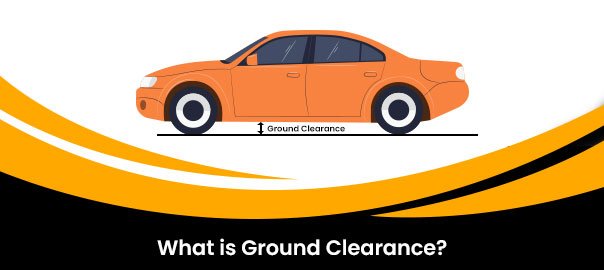
Ground clearance is the vertical gap between the lowest part of your car and the road. It usually measures from the axle, differential, or chassis to the ground. Typical values range from 4 inches for sports cars to 9 inches or more for SUVs and crossovers. Understanding car ground clearance importance starts with knowing this simple measure and how it affects daily use.
Why car ground clearance importance matters for safety and handling
Ground clearance affects how your car reacts to bumps, curbs, and debris. Low cars can scrape on speed bumps and steep driveways, which can damage the oil pan, exhaust, or sensors. High-clearance cars sit taller. They have more ground protection but may feel less stable in corners because of a higher center of gravity. Balance is key. For many drivers, car ground clearance importance is about finding the sweet spot between damage avoidance and safe handling.

How ground clearance affects fuel economy and ride comfort
A higher ride height often increases air drag. More drag can lower fuel economy on the highway. Lower cars usually get slightly better mileage and sharper handling. On the other hand, more clearance helps absorb big road shocks and reduces underbody strikes. When you weigh car ground clearance importance, consider both fuel cost and the smoothness of your daily drive.
Off-road capability and adaptability
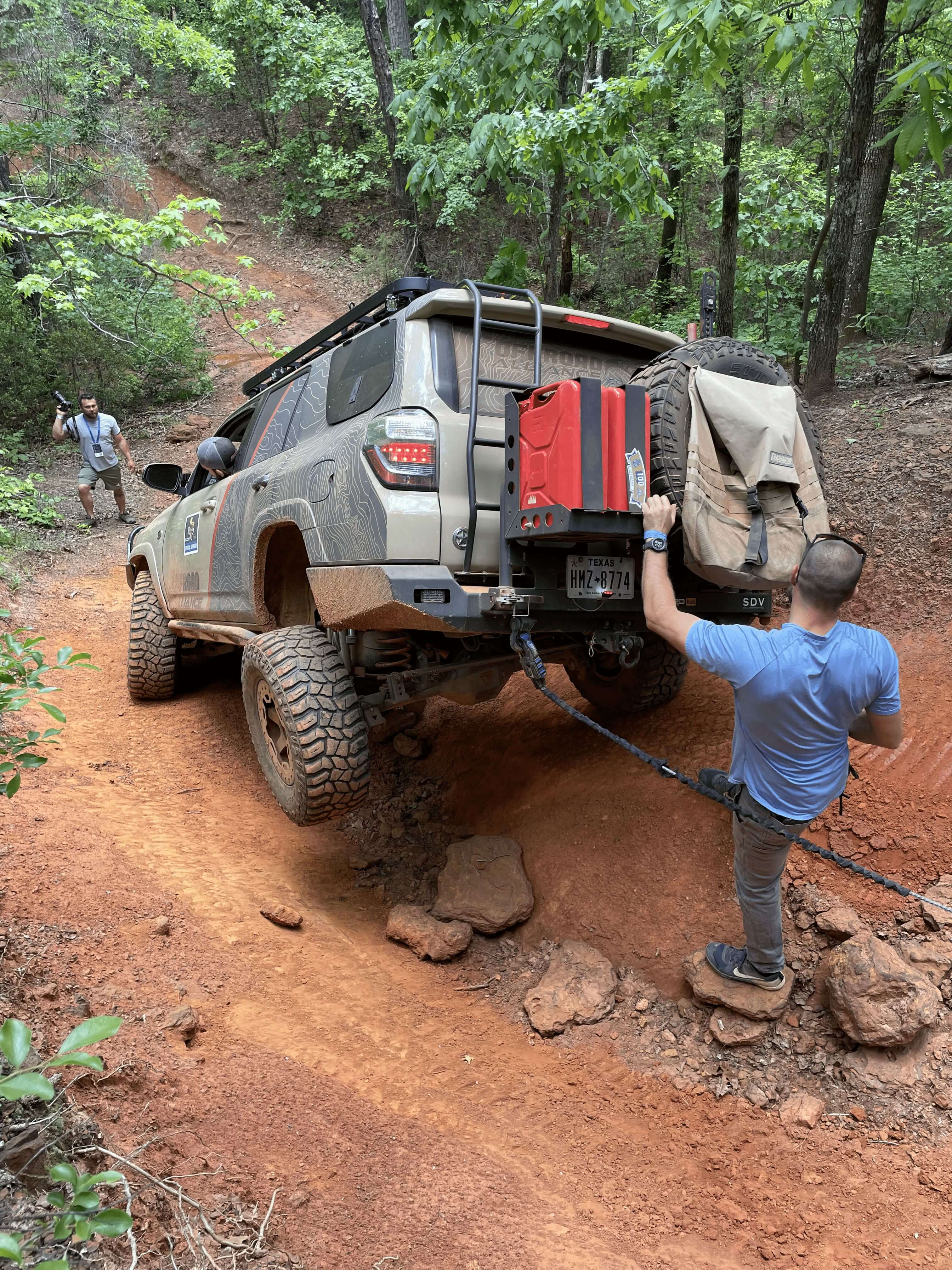
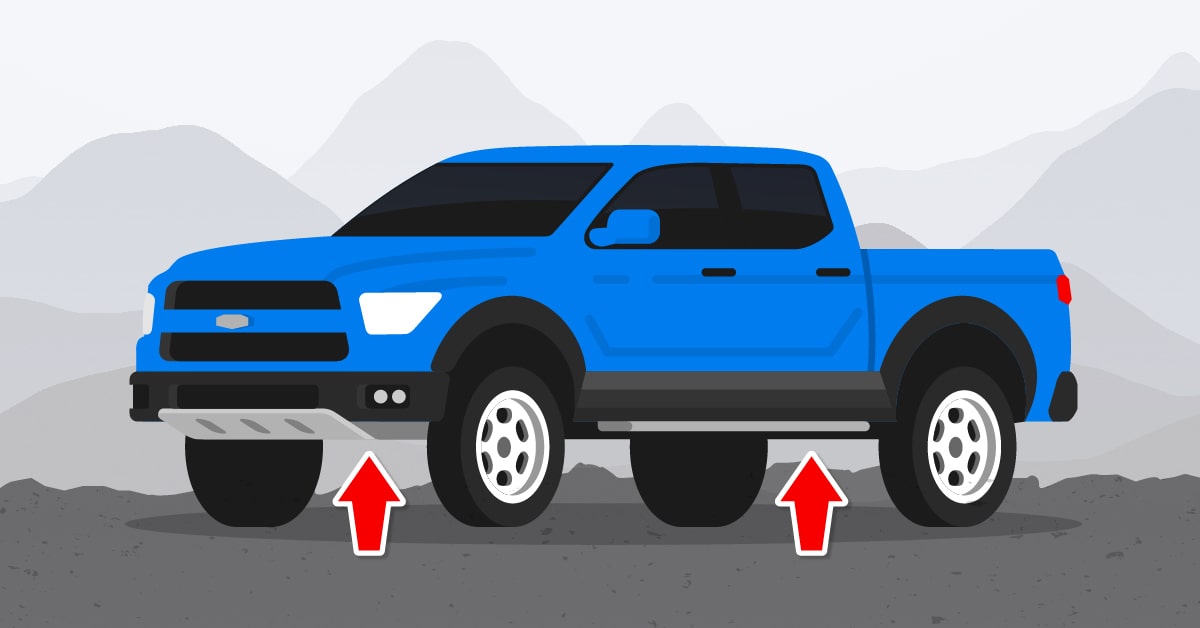
If you plan to drive on dirt, gravel, or trails, ground clearance becomes a deciding factor. Higher clearance helps you clear rocks, ruts, and logs. It improves approach, ramp, and departure angles. For fording shallow water, extra height reduces water entry risk. When thinking about car ground clearance importance for off-road work, remember it’s not the only factor—tires, suspension travel, and traction matter too.
Choosing the right ground clearance for your needs
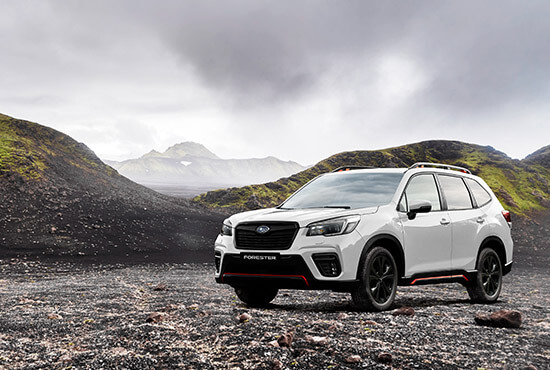
Pick clearance based on how and where you drive. Use these simple guidelines:
- City and highway driving: Aim for lower clearance for better handling and mpg.
- Mixed use (light snow, potholes): Choose moderate clearance to avoid scrapes.
- Rural or off-road: Pick higher clearance to clear obstacles and rough tracks.
- Winter conditions: Higher clearance helps with snow drifts and packed snow.
I test-drove several family cars and crossovers in wet and snowy conditions. The models with moderate clearance felt safest and required the least after-market changes. When you decide, consider how often you encounter rough roads and what you drive day-to-day. That will shape the real car ground clearance importance for you.
Modifying ground clearance: lifts and lowering
People change clearance for looks or function. Lifting a vehicle improves off-road clearance. Lowering a car can boost handling and style. But there are trade-offs:
- Warranty and legal issues: Alterations can void warranties or break local rules.
- Ride and alignment: Suspension changes affect drivability and tire wear.
- Cost: Quality lift kits or lowering springs and proper installation cost money.
From my experience, cheap kits create problems fast. If you plan changes, invest in quality parts and a proper alignment. That keeps the car safe and preserves the benefits behind the car ground clearance importance.

Maintenance, inspections, and common problems
Low clearance cars need regular checks to avoid damage. High clearance cars need suspension checks to maintain stability. Key checks include:
- Underbody inspection for scrapes, dents, or leaks
- Wheel alignment after lift or lowering
- Shock and spring condition for proper ride height
- Sensor and exhaust clearance checks
I once saw a low-slung car with a ruined oil pan after a driveway scrape. A quick visual check could have prevented costly repairs. Routine care highlights car ground clearance importance in keeping repair bills low.

Cost, resale value, and regulations
Clearance affects cost and resale value. Buyers often prefer practical setups. Extreme lifts or drops can reduce resale appeal. Local regulations may limit vehicle height or modification types. Before you change clearance, check local laws and insurance rules. That step protects you legally and financially, and it reflects the real-world car ground clearance importance for ownership.

Frequently Asked Questions of car ground clearance importance
What is an ideal ground clearance for city driving?
Most city cars have 4 to 6 inches of ground clearance. This value balances handling, fuel economy, and protection from small road hazards.
Does higher ground clearance improve safety?
Higher clearance can reduce underbody damage but may raise rollover risk in extreme maneuvers. Safety depends on the whole vehicle setup, not clearance alone.
Can changing ground clearance harm my car?
Yes. Improper lifts or lowering can cause alignment issues, premature tire wear, and voided warranties. Use quality parts and professional installation.
How does ground clearance affect fuel consumption?
Higher clearance can increase aerodynamic drag, lowering fuel efficiency. The effect is modest but noticeable on highway driving.
Is ground clearance important for winter driving?
Yes. Extra clearance helps in deep snow and prevents packed snow from hitting sensitive parts. Moderate clearance is often best for mixed winter and city use.
Will ground clearance affect insurance rates?
Modifications that change clearance can affect insurance if they alter risk. Always inform your insurer about major changes to avoid coverage issues.
Conclusion
Ground clearance matters more than you might think. It shapes safety, comfort, fuel use, and the car’s ability to handle rough roads. Decide based on your driving habits and local conditions. Take time to inspect, maintain, and choose quality parts for any changes. Apply these tips to make a clear, practical choice about car ground clearance importance today. Share your experience or questions below, subscribe for more auto guides, or test a few cars to feel the difference yourself.