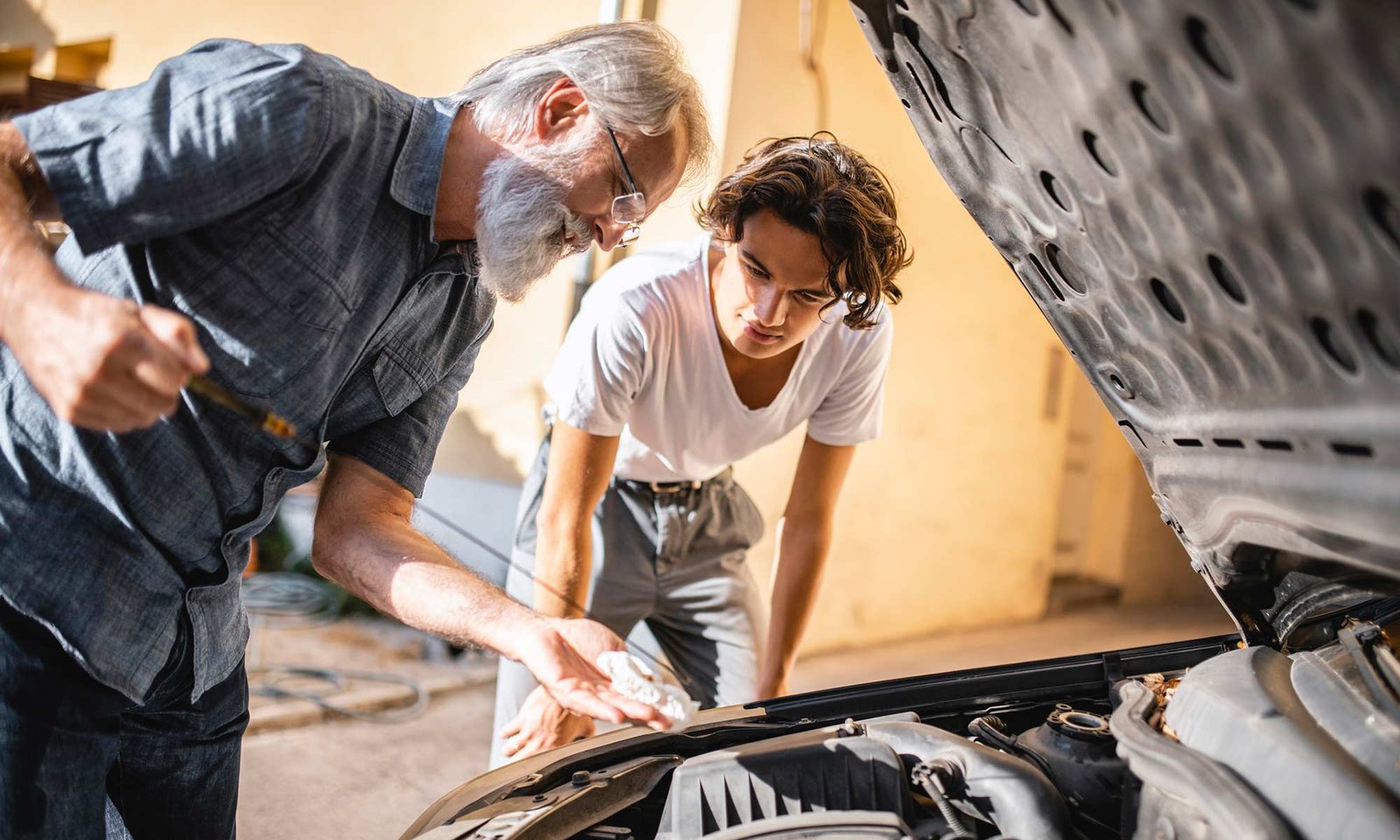
Basic DIY car maintenance saves money, boosts safety, and keeps vehicles running longer.
If you want your car to feel smoother, last longer, and cost less to own, you are in the right place. I have spent years teaching first-time drivers and new owners how to wrench with purpose. This guide shares diy car maintenance tips for beginners that are simple, safe, and proven. You will learn what to check, how often, and why each step matters—without jargon or stress.

Essential tools and safety first
You do not need a full toolbox to start. A few good tools cover most jobs and help you learn fast. You also need basic safety habits to keep stress low and confidence high. These diy car maintenance tips for beginners make your first weekend project smooth.
- Keep gloves, safety glasses, a flashlight, and rags in the trunk.
- Get a tire pressure gauge, a torque wrench, and a set of sockets.
- Buy a funnel, a drain pan, and a jack with two jack stands.
- Use wheel chocks when lifting the car and work on level ground.
- Let the engine cool before opening the hood for fluid checks.
From my shop days, most mistakes came from skipping safety. Slow down. Read the owner’s manual. Set out tools before you start. These habits save time and keep you safe.
Build your simple maintenance schedule
A simple plan keeps your car healthy. Tie checks to easy triggers, like the start of each month or fill-ups. This makes diy car maintenance tips for beginners stick.
- Every month: tire pressure, windshield washer fluid, lights, wipers.
- Every 6 months: engine air filter check, battery terminals, cabin filter.
- Every oil change: oil level, coolant level, brake fluid color, belts, hoses.
- Every year: rotate tires, inspect brakes, replace wipers.
Use your owner’s manual for exact intervals. Fluids and filters may vary by model, engine, and climate. A calendar reminder helps you build a routine.
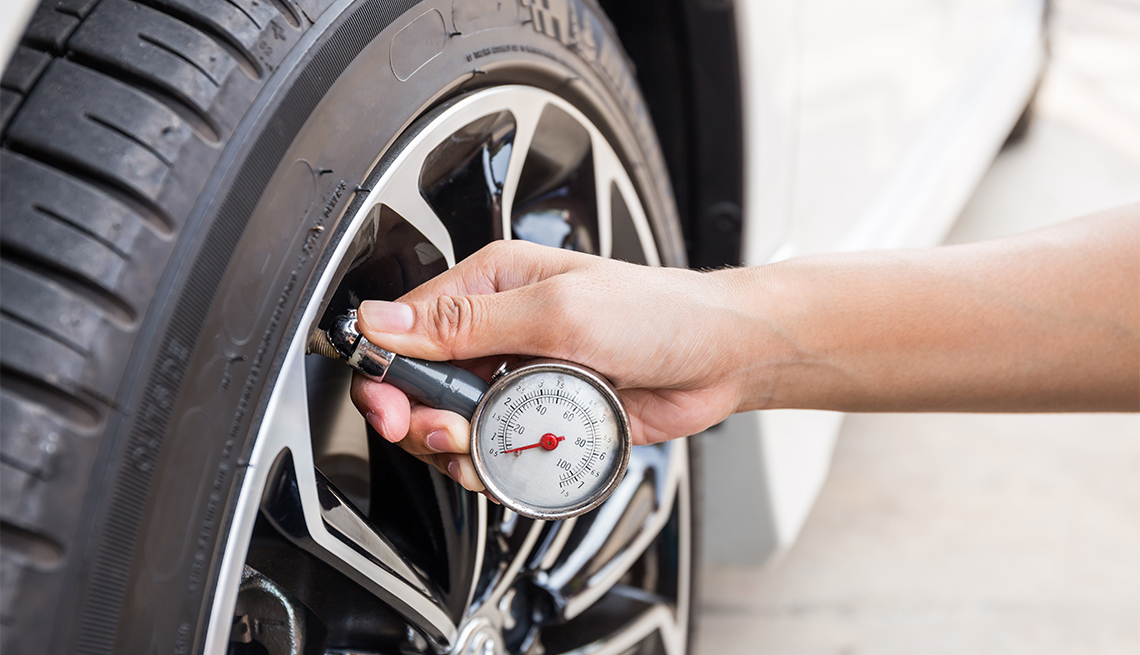
Tires: pressure, tread, and rotation
Tires affect safety, comfort, and fuel use. Low pressure makes the car wander and wear fast. This area is prime for diy car maintenance tips for beginners.
- Find the correct PSI on the driver’s door placard, not the tire sidewall.
- Check pressure monthly and when weather swings. Add air when cold.
- Use the penny test. If you can see all of Lincoln’s head, replace the tire.
- Rotate tires about every 5,000 to 7,500 miles to even out wear.
If your steering wheel shakes at highway speed, inspect balance and tread wear. A small fix now can prevent a big bill later.
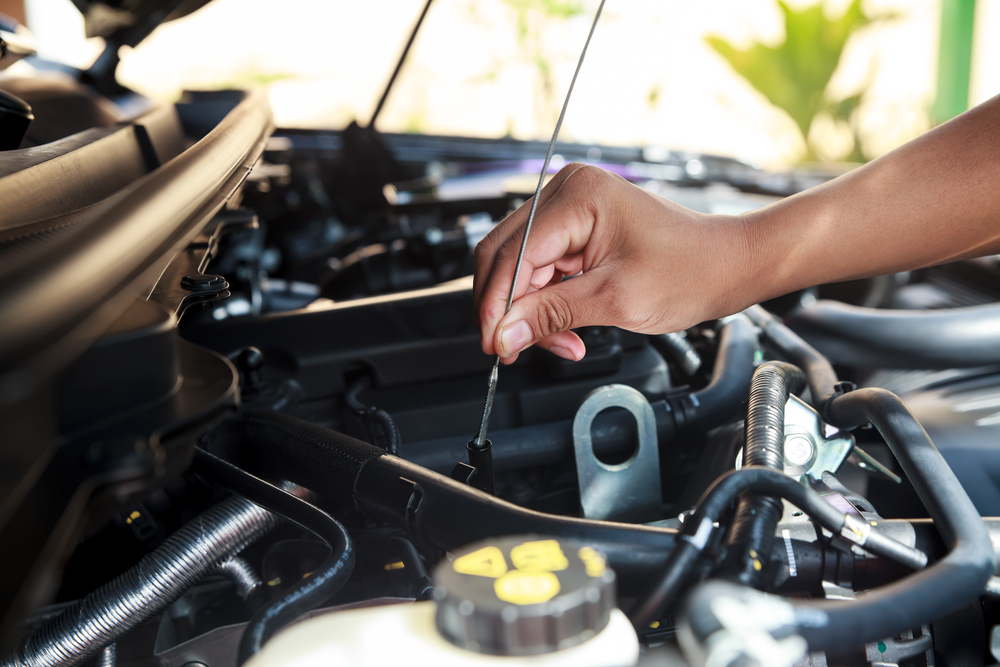
Fluids 101: what to check and how
Fluids are your car’s lifeblood. Clean and correct levels keep parts cool and reduce wear. These diy car maintenance tips for beginners focus on simple checks that prevent damage.
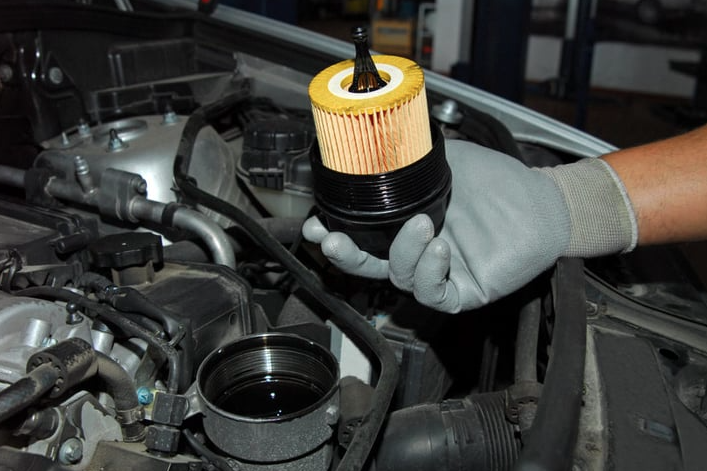
- Engine oil: Check with the dipstick on level ground, engine off. Oil should be between marks and amber to brown. Change by manual guidance or the oil life monitor.
- Coolant: Check reservoir level when engine is cold. Use the type listed on the cap or manual. Never open a hot radiator.
- Brake fluid: Check color and level. Light amber is good. Dark fluid may need a flush. Use DOT type listed on the cap.
- Transmission fluid: Many cars are sealed. If serviceable, check per manual steps and fluid type.
- Power steering: Some cars are electric and have no fluid. If present, check level.
- Washer fluid: Keep it topped. Clear vision is safety.
In my garage, most overheats came from low coolant or old hoses. A two-minute check saves an engine.
Battery care made simple
A weak battery causes random warning lights and slow starts. Beginners can do basic checks. This is one of the easiest diy car maintenance tips for beginners.
- Look for white crust on terminals. Clean with a battery brush and baking soda mix.
- Check battery age. Most last 3 to 5 years. The date code is on the case.
- Test voltage. A healthy battery shows about 12.6 volts at rest.
- Make sure clamps are snug. Loose clamps cause no-start issues.
If you need a jump, connect positive to positive, negative to a clean metal ground, not the battery. Follow the manual steps and remove cables in reverse order.

Wipers, lights, and clear vision
If you cannot see, you cannot drive safe. Many crashes happen in rain and at night. Simple checks here are core diy car maintenance tips for beginners.
- Replace wiper blades once a year or if they streak or chatter.
- Clean glass inside and out with a glass cleaner, not dish soap.
- Test all lights monthly. Headlights, turn signals, and brake lights.
- Carry spare bulbs if your car uses common types.
Cloudy headlight lenses can be polished with a kit. Tape around the lens to protect paint and follow the steps. The change is huge.
Air filters: engine and cabin
Engines and people both need clean air. Filters are cheap and easy to swap. That makes them perfect diy car maintenance tips for beginners.
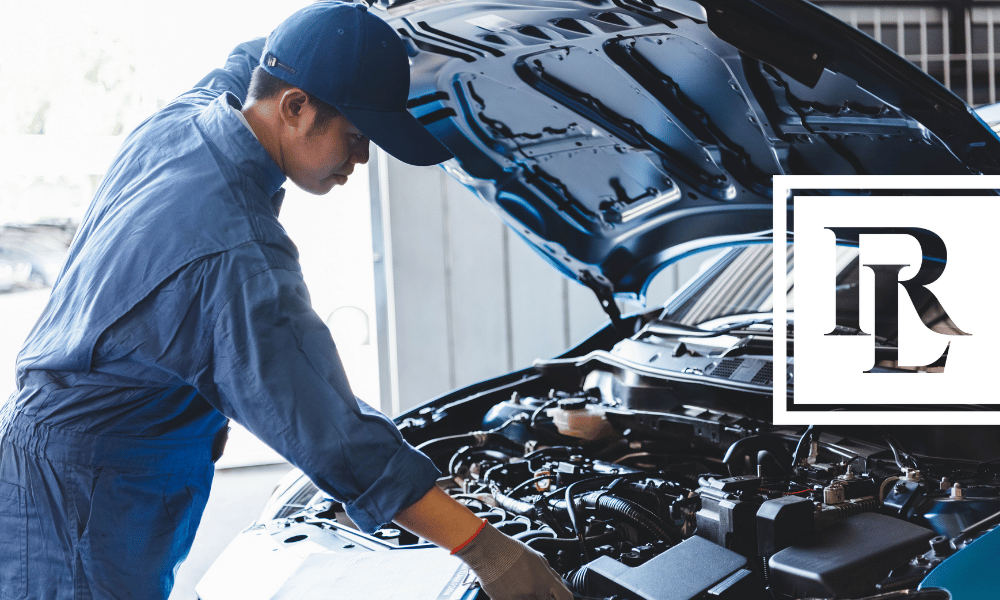
- Engine air filter: Open the air box clips. Lift, inspect, and replace if dark or clogged.
- Cabin air filter: Check behind the glove box. Remove the cover, slide out the filter, and note airflow direction.
- Change intervals vary. City traffic and dust speed up wear.
A clean engine filter helps throttle response. A clean cabin filter helps your nose and your HVAC.

Belts and hoses: quick checks
Belts drive the alternator and pumps. Hoses carry coolant. Failures here can leave you stuck. Simple checks belong on all diy car maintenance tips for beginners lists.
- Look for cracks, frays, or shiny glaze on belts.
- Press on belts for tension. Too loose or too tight is bad.
- Inspect hoses for bulges, soft spots, or leaks at clamps.
- Squeeze a cool hose. It should feel firm, not mushy.
If you hear a high squeal on start, the belt may slip. Fix now to protect bearings.
Brakes: signs and simple inspections
Brakes tell stories. Listen. Early signs are easy to spot and are a must in diy car maintenance tips for beginners.
- Squeal or grind means the pads may be worn.
- Car pulls to one side under braking could be a stuck caliper.
- Soft pedal can mean air in the lines or old fluid.
- Look through the wheel. Pad material should be more than a few millimeters.
Do not ignore brake warnings. If unsure, get a shop to measure pad and rotor thickness. Safety first.
Reading the dash: OBD-II basics
Most cars show check engine lights for many reasons. An OBD-II scanner makes the unknown plain. It is a smart add to diy car maintenance tips for beginners.
- Plug the scanner under the dash. Read the code and freeze frame data.
- Search the code meaning in the manual or app.
- Clear the code after a fix. If it returns, test deeper.
For example, a loose gas cap often triggers an EVAP leak code. Tighten the cap until it clicks. Drive and recheck.
Seasonal checks and road-trip prep
Weather changes stress cars. A quick list keeps you ready. These seasonal steps are simple diy car maintenance tips for beginners.
- Winter: test battery, use correct coolant mix, check tire tread, carry an emergency kit.
- Summer: check coolant and AC, inspect belts, set correct tire PSI for heat.
- Road trips: check oil, coolant, tire pressure, spare tire, wipers, lights, and pack a toolkit.
I always add a paper towel roll, gloves, and a small flashlight. These items save the day.
Record keeping, costs, and eco tips
Good notes save money and help resale value. They also keep you on track. This section rounds out the most practical diy car maintenance tips for beginners.
- Keep a log of dates, mileage, parts, and receipts.
- Group tasks to save time. Do filters during oil changes.
- Buy fluids in value sizes if you have storage.
- Recycle oil, filters, and batteries at parts stores.
Small habits cut waste and keep your car in top shape for years.
Common mistakes and how to avoid them
Everyone starts somewhere. Learn from common slips I see often. This is vital for real-world diy car maintenance tips for beginners.
- Over-tightening bolts. Use a torque wrench to avoid stripped threads.
- Mixing coolant types. Stick to what your manual lists.
- Filling oil to the top mark when hot. Check level when cool and on flat ground.
- Ignoring small leaks. A small drip can grow fast.
- Skipping test drives. Always test and recheck for leaks or lights.
If you make a mistake, do not panic. Stop, breathe, read the manual, and back up a step.
When to call a pro
DIY has limits. Knowing them is a strength. Even the best diy car maintenance tips for beginners cannot replace a lift and factory tools.
- Brake hydraulics, airbag systems, or fuel line repairs need expert care.
- Transmission and engine internal repairs need special tools and specs.
- Coolant leaks from hidden areas may need a pressure test.
- Relearns and software updates require shop equipment.
A good shop will explain options and show old parts. That builds trust and keeps you safe.
Frequently Asked Questions of diy car maintenance tips for beginners
How often should I change my oil?
Follow your manual or oil life monitor. Many modern cars can go 5,000 to 10,000 miles with the right oil.
What tire pressure should I use?
Use the PSI on the driver’s door placard. Check pressure cold for the most accurate reading.
Can I mix different coolants?
Avoid mixing unless the manual says it is safe. Stick to the exact type your car lists.
Do I need a torque wrench?
Yes for wheels and many bolts. It prevents damage and keeps parts secure to spec.
Are cheap filters okay?
Use filters that meet or exceed OEM specs. Saving a few dollars can cost more later.
What is the easiest first DIY job?
Wiper blade and cabin filter changes are quick and low risk. They build skills and confidence fast.
Is an OBD-II scanner worth it?
Yes. It helps you read codes, verify fixes, and avoid guesswork before visiting a shop.
Conclusion
You now have a clear, simple plan to keep your car safe, smooth, and less costly to own. Start with one or two small checks, build your routine, and track results. These diy car maintenance tips for beginners will grow your skills and confidence with every mile.
Pick one task today. Check tire pressure or top washer fluid. Then share your progress, subscribe for more step-by-step guides, or ask a question so we can tackle your next project together.