Essential Tools Needed For Car Detailing: Ultimate Kit
Microfiber towels, dual-action polisher, vacuum, clay bar, brushes, pads, and cleaners.
I have spent years detailing cars and testing tools. I know which essential tools needed for car detailing make a real difference. This guide gives clear steps, gear lists, and real tips I use on everyday jobs. Read on to learn what to buy, why it matters, and how to get pro results without guesswork.
Why the right tools matter
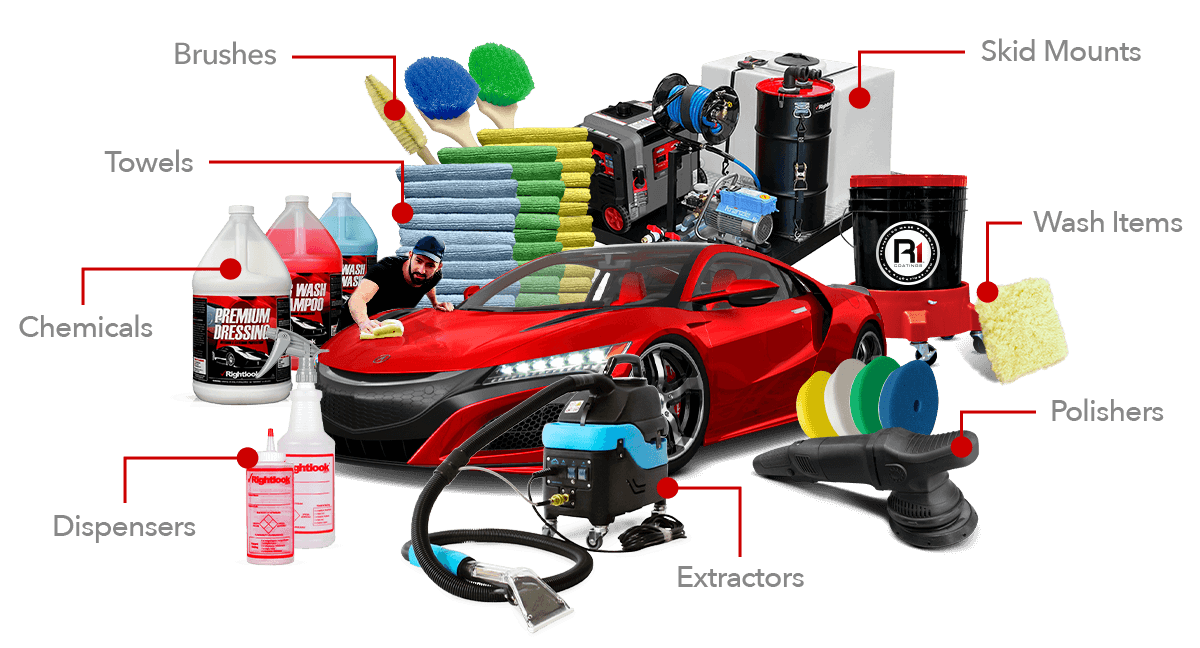
Good tools save time. Good tools protect paint and interiors. The right essential tools needed for car detailing help you clean deeper and finish cleaner. They cut the risk of scratches and speed up jobs. I learned this early when cheap towels left swirl marks on a client’s black car. After switching to proper gear, the results and referrals rose fast.
Core exterior tools you must have
Use these to clean paint, glass, wheels, and trim. Each item is a workhorse in any detailing kit.
- Microfiber towels — Soft, lint-free cloths for drying and wiping. I keep separate towels for glass, paint, and wheels.
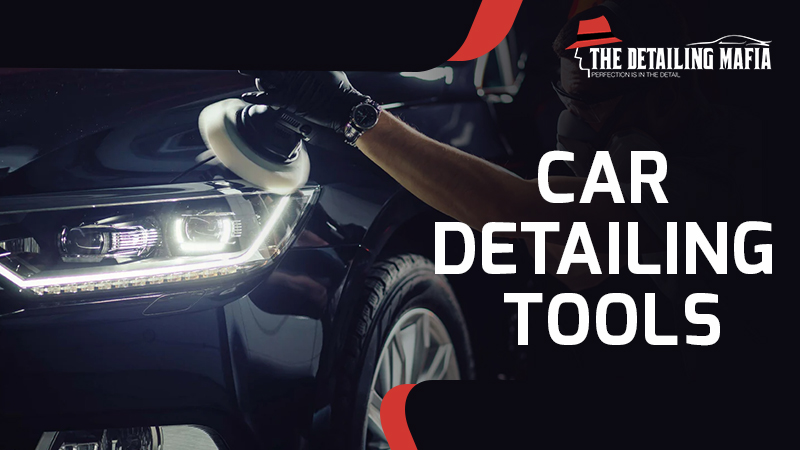
- Dual-action polisher — Safe for beginners and great for removing light swirls. It wins time and gives a glossy finish.
- Polishing pads — Foam and microfiber pads for cutting, polishing, and finishing. Match pad type to polish strength.
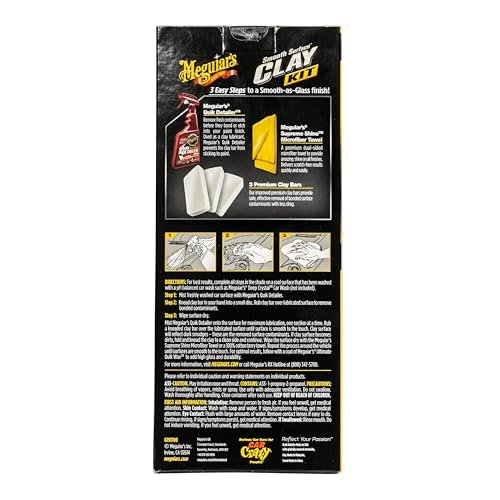
- Clay bar or clay mitt — Removes bonded contaminants the wash misses. I use a clay mitt for larger jobs; it is faster.
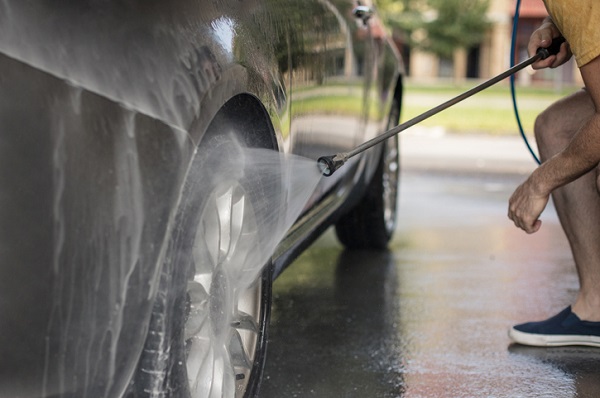
- Pressure washer or quality hose nozzle — Cuts grime on wheels and lower panels. Low pressure with soap works for paint.
- Wheel brushes and lug brushes — Reach tight spots on wheels and calipers. Use dedicated brushes for wheels only.
- Foam cannon or foam gun — Lifts dirt for safer washing. Foam helps reduce swirl risk.
- Bucket with grit guard — Two-bucket method reduces paint contact with grit. It really lowers scratch chances.

Essential tools needed for car detailing: interior kit
Interior cleaning needs the right tools to protect fabrics and surfaces. These items make interiors look and smell fresh.
- Vacuum with attachments — A strong vacuum and crevice tool reach seats, mats, and vents. I use a long crevice tool for tight seams.
- Carpet and upholstery brush — Agitates dirt in fabric and rugs. Use soft bristles for delicate cloth.
- Steam cleaner (optional) — Kills bacteria and loosens grime without chemicals. Great for deep-cleaning cloth seats.
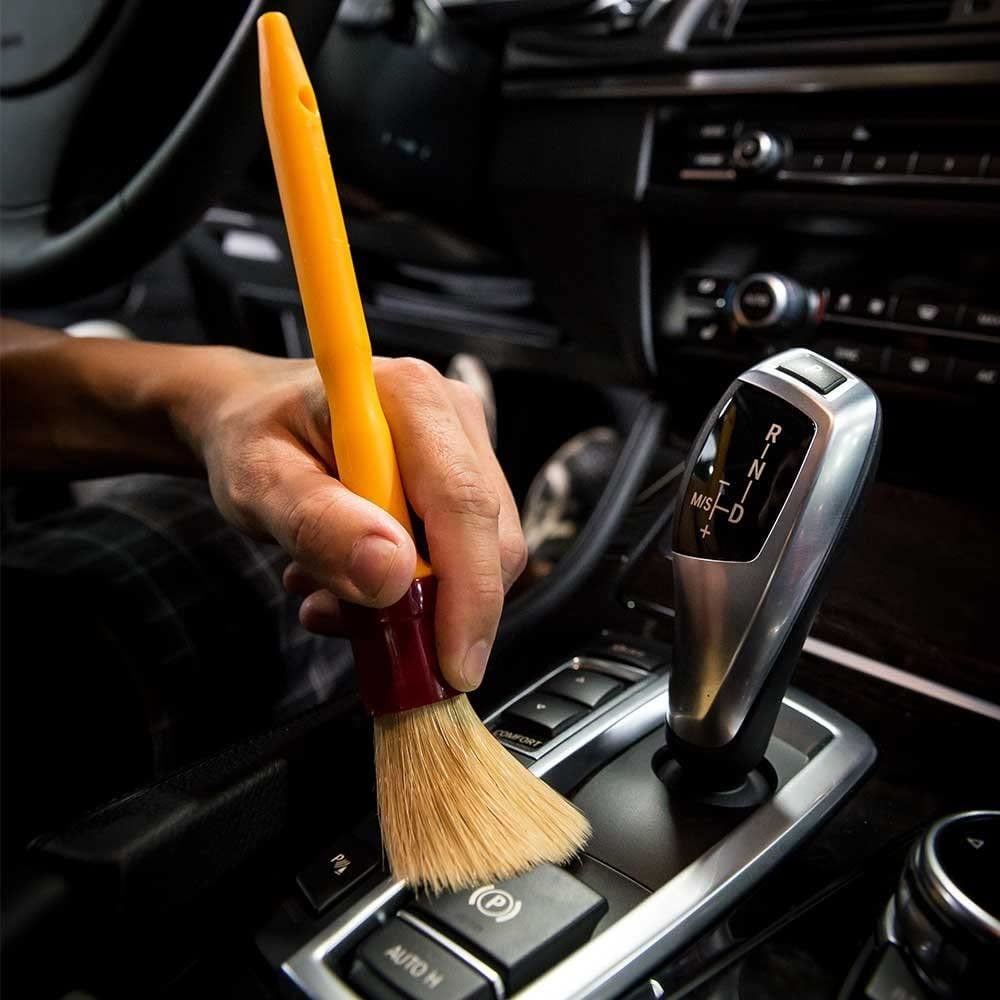
- Interior detail brushes — Soft and stiff brushes for vents, seams, and trim. Keep one set for leather and one for plastics.
- Microfiber applicator pads — Apply protectants and conditioners evenly. They cut product waste.
- Upholstery cleaner and leather conditioner — Choose pH-safe cleaners. Test on a hidden spot first.
Polishing, paint correction, and protection tools
Polish and protect with care. These tools help refine paint and lock in shine.
- Compound and polish set — Use compound for heavy defects and polish for clarity. Match abrasives to paint hardness.
- Paint thickness gauge (optional) — Measures clear coat depth before aggressive correction. It helps avoid cutting too deep.
- Backing plates and spare pads — Secure pads to your polisher and swap pads quickly. Clean pads extend life.
- Ceramic coating kit or quality wax — Choose protection that fits your needs and skill level. Ceramic offers longer protection; wax is user-friendly.
- IR curing lamp (optional) — Speeds curing of coatings and sealants in cool conditions. Handy in a garage.

Workflow and setup for efficient detailing
A smooth flow makes work faster and safer. Set up a repeatable routine to avoid mistakes.
- Pre-wash and wheel-clean — Remove heavy grime first to prevent spread. Wheels are dirtiest and should be cleaned separately.
- Two-bucket wash and foam — Use one bucket for rinse and one for soapy water. Foam helps lift dirt away.
- Decontaminate with clay — Follow wash with clay to remove bonded particles. Lubrication prevents marring.
- Polish and correct — Work in small panels and inspect under bright light. Keep pads cool and clean.
- Seal or coat — Finish with a protection layer. Let products cure per directions.
- Interior last — Clean and protect upholstery, then vacuum final loose debris. This avoids moving dirt onto finished paint.
How to choose quality tools on a budget
You do not need the most expensive gear to get great results. Buy smart and build over time.
- Prioritize safety items first — Microfiber towels, a good polisher, and a vacuum are top picks. They affect results most.
- Read reviews and watch demos — See tools in action before you buy. Real demos show how tools perform.
- Buy bundle kits for beginners — Kits save money on pads and compounds. Replace items over time as you learn.
- Invest in one key pro tool — A reliable dual-action polisher pays off fast. It improves finishes and saves time.

Maintenance and storage of tools
Keep tools in top shape to protect your cars and your wallet. Simple care extends life.
- Clean and air dry towels and pads — Wash microfiber separately and avoid fabric softener. It ruins absorbency.
- Inspect power tools — Check cords, brushes, and vents. Replace worn parts promptly to keep motors healthy.
- Store chemicals safely — Keep labels visible and lids tight. Use secondary containment if needed.
- Rotate pads and brushes — Prevent cross-contamination by using specific tools for each task. Mark them if helpful.
Common mistakes to avoid
I made these mistakes early. Fixing them improved my work and cut errors.
- Using dirty towels on paint — This causes swirls and slows jobs. Always use clean microfiber.
- Skipping decontamination — Polishing over bonded grime makes the process harder. Clay first, polish second.
- Rushing polishing steps — Haste leads to burns or haze. Work slowly in small panels.
- Mixing interior and exterior tools — Contamination can stain or damage surfaces. Keep separate kits.

Essential tools needed for car detailing: pro tips from experience
Small choices change results. These are tips I use every week.
- Label your towels and pads by task. It avoids cross use and saves time.
- Keep a small kit in your trunk for quick touch-ups. It helps on the go.
- Test products on a hidden area. It prevents surprises and protects finishes.
- Track product batch numbers for lot issues. It helped me once with a bad batch of sealant.
Frequently Asked Questions of essential tools needed for car detailing
What are the must-have tools for a beginner detailer?
For a beginner, start with microfiber towels, a dual-action polisher, a good vacuum, clay bar, and basic cleaners. These core essential tools needed for car detailing cover most jobs and teach safe techniques.
Can I detail a car well without a polisher?
Yes, you can get good results by hand, but a polisher speeds work and improves correction. For true paint correction, a dual-action polisher makes a big difference.
How often should I replace microfiber towels and pads?
Replace towels when they lose absorbency or show damage. Replace pads when they become hard, torn, or clogged. Proper washing extends their life, but regular checks keep results high.
Are more expensive tools always better?
Not always. Quality matters, but mid-range tools often offer the best value. Learn which tool types impact results most and invest there first among essential tools needed for car detailing.
Do I need special safety gear when detailing?
Yes. Wear gloves, eye protection when mixing chemicals, and a respirator for strong solvents. Safe habits protect you and keep work consistent.
Conclusion
Good tools make detailing easier and safer. Focus on core items first: microfiber towels, a dual-action polisher, vacuum, clay, brushes, and cleaners. Build your kit slowly and learn each tool’s use. Try the tips here on your next wash and note the difference. Share your results or ask questions in the comments below to keep learning and improve your craft.