
How Active Noise Cancellation Reduces Cabin Noise is a question many drivers ask as automakers add smarter sound technology to modern vehicles. Unlike traditional insulation that blocks sound, ANC actively listens to noise inside the cabin and works against it in real time.
From long highway drives in the United States to daily city commutes, cabin comfort matters. Engineers use ANC systems to reduce low-frequency sounds from engines, tires, and road surfaces, helping drivers enjoy a calmer ride.
In my experience studying automotive technology, the biggest improvement from ANC comes when it works together with good materials, careful cabin design, and advanced audio systems.
What Is Active Noise Cancellation in a Car?
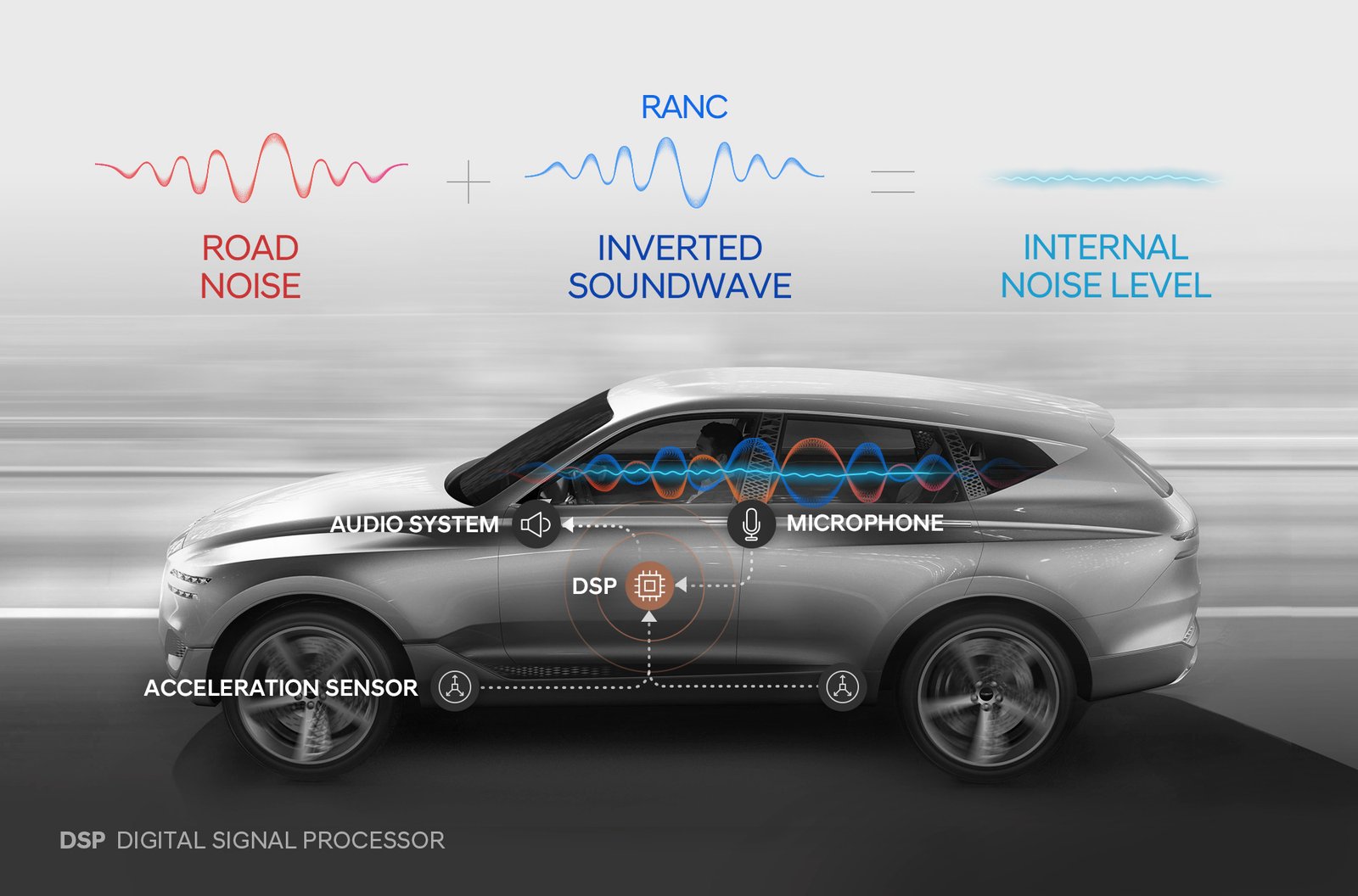
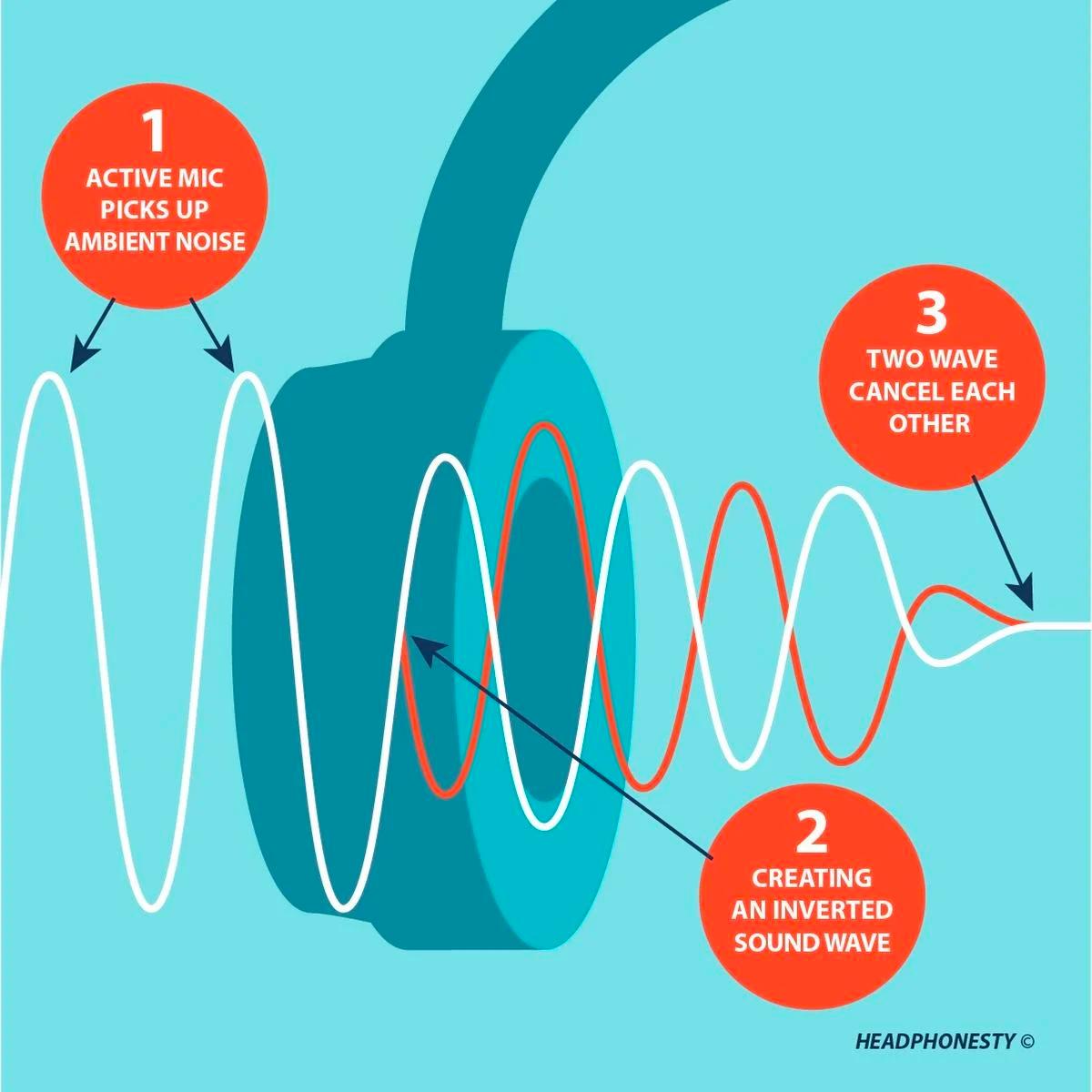
Active noise cancellation, often called ANC, is an electronic system that reduces unwanted sound using microphones, a control unit, and speakers. The system detects noise and produces a matching sound wave with the opposite phase.
This process is called destructive interference. When the two sound waves meet, they reduce each other’s strength, making the cabin feel quieter.

- ✦ Microphones
Small microphones inside the vehicle capture unwanted sounds such as engine vibration and road noise.
- ✦ Digital processor
A computer analyzes incoming noise and creates a response signal within milliseconds.
- ✦ Speakers
The audio speakers produce cancellation sounds that help lower unwanted noise.
How Active Noise Cancellation Reduces Cabin Noise Step by Step
The system starts by measuring sound waves inside the cabin. It then predicts the unwanted noise pattern and generates an opposite signal.
The result is a quieter interior without adding heavy materials that increase vehicle weight.
- ✦ Sound detection
Sensors identify repeating noise patterns.
- ✦ Noise calculation
The processor creates a matching cancellation signal.
How Active Noise Cancellation Targets Common Car Sounds
How Active Noise Cancellation Reduces Cabin Noise depends on the type of sound entering the cabin. ANC is especially effective against steady, repeating sounds.
Car manufacturers design ANC systems to handle common driving noises that affect comfort during daily use.

- ✦ Engine hum
ANC can reduce low-frequency engine sounds during acceleration and cruising.
- ✦ Road and tire noise
The system helps manage repeating vibrations created by tires contacting the road.
- ✦ Wind noise
ANC may reduce some steady wind-related sounds, although physical design remains important.
Active Noise Cancellation vs Passive Noise Reduction
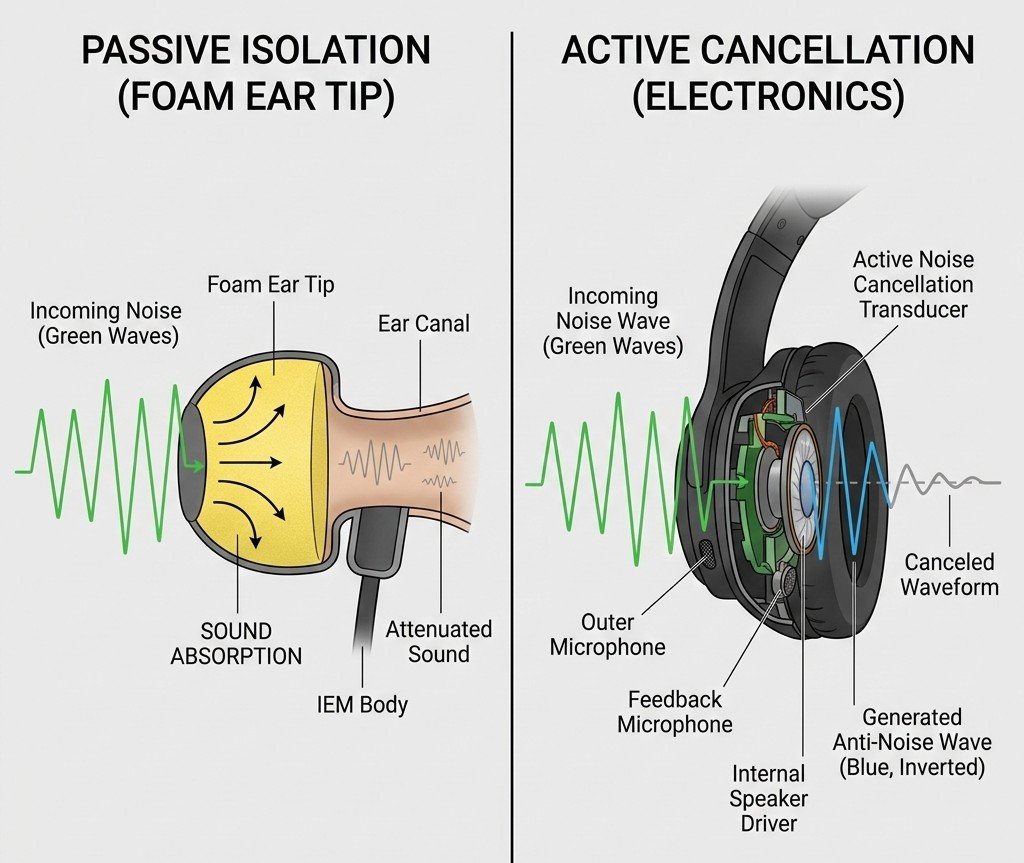
Passive noise reduction uses physical barriers such as insulation, thicker glass, seals, and acoustic materials. It blocks sound before it reaches passengers.
Active noise cancellation works differently because it creates sound to fight unwanted noise. The best vehicles use both methods together.
- ✦ Passive methods
Reduce noise through materials and vehicle structure.
- ✦ Active methods
Reduce noise electronically through sound wave control.
Benefits of Active Noise Cancellation in Modern Vehicles
How Active Noise Cancellation Reduces Cabin Noise matters because quieter cabins improve comfort, communication, and the overall driving experience.
Many drivers notice the difference during highway travel, where constant road sounds can become tiring over long distances.

- ✦ Better conversation
Lower background noise makes it easier for passengers to talk.
- ✦ Improved audio quality
Music and navigation sounds become clearer because less noise competes with the speakers.
- ✦ Reduced driver fatigue
A calmer cabin can make long trips feel more comfortable.
Why EVs Use ANC Technology
Electric vehicles have quieter motors, but this can make other sounds more noticeable. Tire vibration and road noise become easier to hear without engine sound masking them.
ANC helps EV makers create a refined cabin experience while keeping vehicle weight efficient.
Limitations of Active Noise Cancellation Systems
Although ANC is powerful, it does not remove every sound. The technology works best with predictable low-frequency noise.
Sudden sounds like horns, voices, or changing road conditions are harder to cancel because they do not follow a steady pattern.
- ✦ Limited against high-frequency sounds
Sharp sounds are usually handled better by insulation and glass design.
- ✦ Requires precise tuning
Poor calibration can reduce effectiveness and affect audio quality.
