
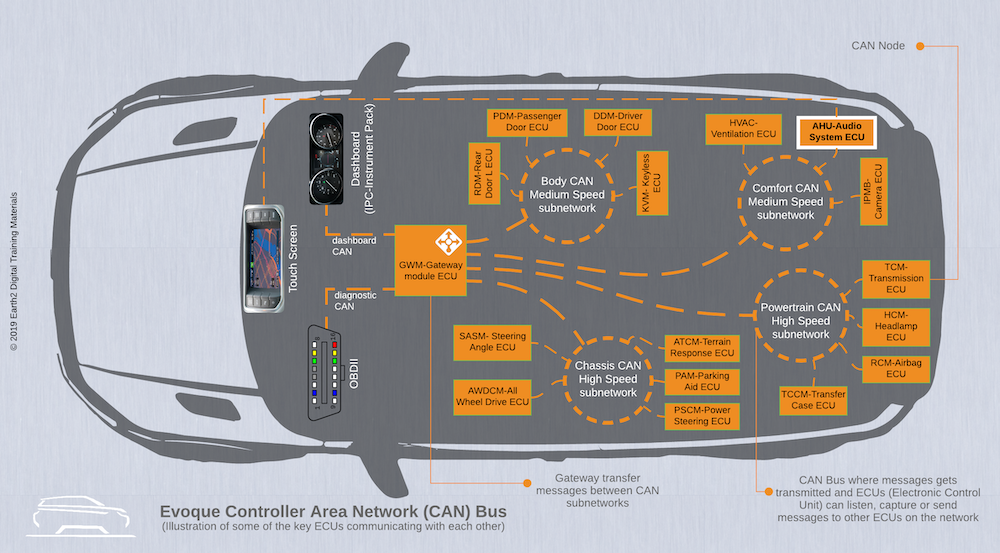
Modern vehicles in the United States rely on dozens of electronic control units, or ECUs, to manage engine performance, safety systems, comfort features, and driver assistance. These modules must exchange information quickly to make the vehicle work as one connected machine.
How CAN Bus systems communicate between vehicle modules is based on a simple idea: instead of running separate wires between every computer, the vehicle uses a shared communication line. Each module can send and receive messages through this network.
From my experience studying automotive electrical systems, CAN Bus is one of the most important technologies behind reliable vehicle operation. A single message from a wheel speed sensor can affect braking, stability control, transmission behavior, and dashboard information at the same time.

What Is a CAN Bus System in a Vehicle?
CAN stands for Controller Area Network. It is a communication system that allows different vehicle modules to exchange data without needing a separate connection between every component.
In a typical modern car, many computers control different areas. The engine control module manages the engine, the transmission module controls gear changes, and the ABS module manages braking safety. CAN Bus connects these systems so they can work together.
How CAN Bus systems communicate between vehicle modules starts with each ECU acting as both a sender and receiver. Every module listens to messages on the network and uses only the information it needs.
- ✦ Shared Communication Network
A CAN Bus uses a common data line that allows multiple modules to exchange information.
- ✦ Reduced Wiring
The system reduces the amount of wiring needed compared with traditional point-to-point connections.
- ✦ Fast Data Exchange
Modules can share important vehicle information in milliseconds.
Main Parts of a CAN Network
A CAN network includes electronic control units, communication wires, and special chips called CAN transceivers. The transceiver changes digital data into electrical signals that travel across the network.
The two main wires are called CAN High and CAN Low. These wires work together to create a balanced signal that helps reduce electrical noise.
- ✦ ECU
The electronic control unit creates, processes, and responds to CAN messages.
- ✦ CAN Transceiver
The transceiver converts ECU data into signals that can travel across the CAN network.
How CAN Bus Systems Communicate Between Vehicle Modules
How CAN Bus systems communicate between vehicle modules depends on digital messages called frames. Each message contains information about the sender, the data being shared, and error checking information.
Unlike a phone call where one person talks directly to another person, CAN Bus works more like a public announcement system. Every module receives the message, but only the correct modules respond to that information.
For example, when a driver presses the brake pedal, the brake module sends a message about braking activity. The engine, transmission, and stability control modules can use that information to adjust vehicle behavior.

- ✦ Message Broadcasting
CAN messages are broadcast across the network so connected modules can read the information.
- ✦ Message Identification
Each message has an identifier that tells modules what type of information it contains.
- ✦ Priority Handling
Important messages receive higher priority when multiple modules send data at the same time.
How Data Moves Through CAN Wires
CAN communication uses electrical changes on two wires to represent digital information. The difference between the two wire signals creates a stable method for sending data.
This design helps vehicles operate in noisy environments because engines, motors, and other electrical parts can create interference.
- ✦ CAN High Signal
One part of the differential signal that helps represent CAN data.
- ✦ CAN Low Signal
The second signal line that works with CAN High to improve communication reliability.
How Vehicle Modules Share Information Through CAN Messages
Vehicle modules communicate by sending small packets of data called CAN frames. These frames carry information such as engine speed, vehicle speed, temperature, and sensor readings.
A module does not need to know where the message came from before receiving it. It only checks the message identifier and decides whether the data is useful.
This method makes modern vehicles more flexible because manufacturers can add new modules without completely redesigning the wiring system.

- ✦ Engine Data Sharing
The engine module can share RPM and load information with other systems.
- ✦ Safety Communication
ABS and stability systems exchange wheel and braking data through CAN.
- ✦ Comfort Features
Door locks, climate systems, and lighting modules use CAN communication.
The Role of ECUs in CAN Bus Communication
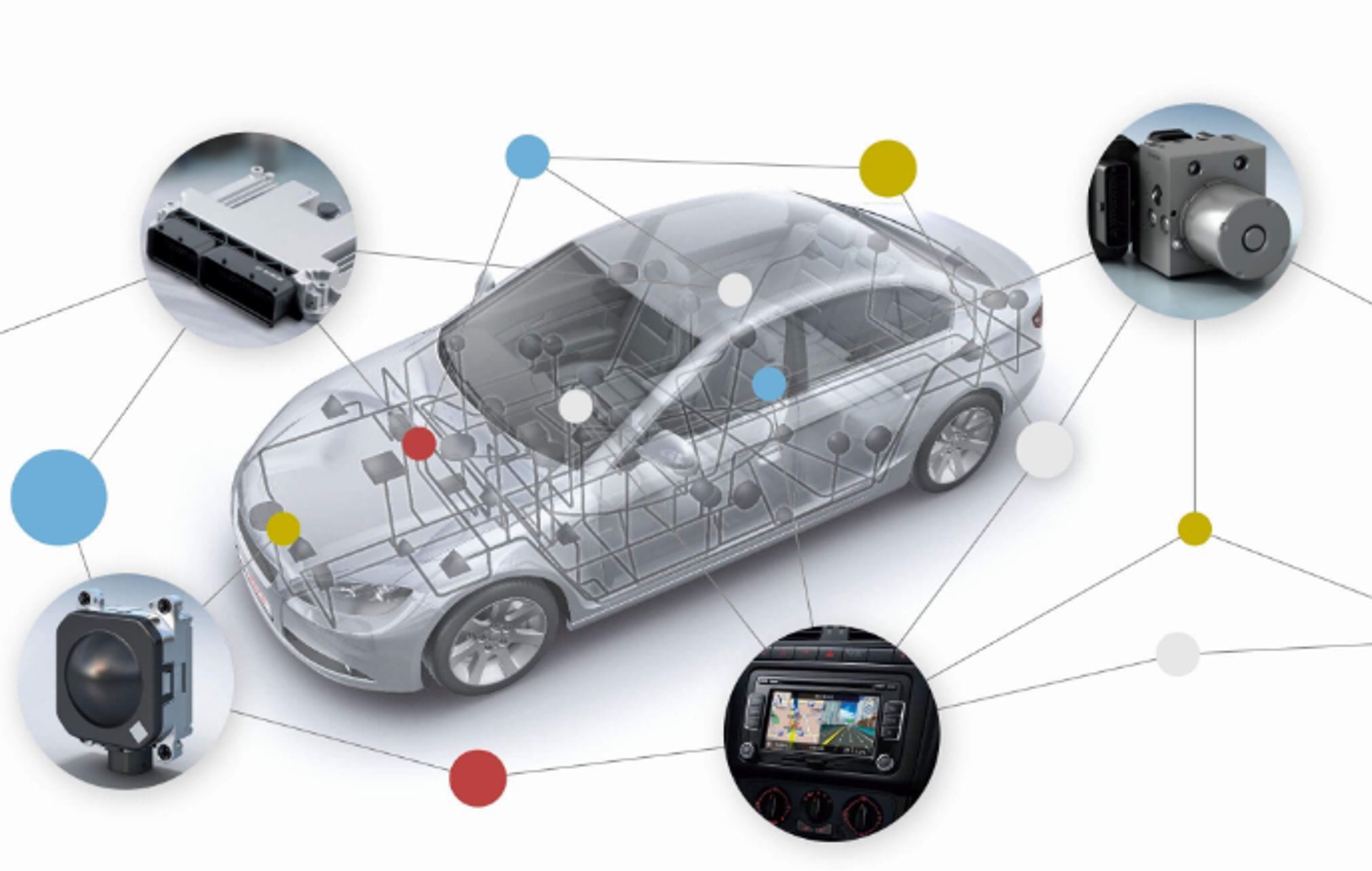
Electronic control units are the brains of modern vehicles. Each ECU manages a specific function but depends on shared information from other modules.
How CAN Bus systems communicate between vehicle modules becomes easier to understand when viewing each ECU as a team member. Every module has its own job but must exchange information to complete vehicle tasks.
For example, cruise control needs data from the engine, brakes, and wheel sensors. CAN Bus allows these systems to cooperate without direct wiring between every component.

- ✦ Powertrain Modules
These modules manage engine and transmission operation.
- ✦ Body Control Modules
These modules control lights, locks, and interior electronics.
- ✦ Safety Modules
These modules handle airbags, braking, and stability systems.
Why ECU Communication Matters
Without CAN communication, vehicle systems would operate separately and could not react quickly to changing conditions.
A connected network allows safety systems to make faster decisions and improves the overall driving experience.
CAN Bus Error Detection and Reliability Features
Vehicles operate in harsh conditions with heat, vibration, and electrical noise. CAN Bus includes several safety features to keep communication reliable.
Each CAN message contains error-checking information. If a module detects a problem, it can report the error and prevent damaged data from affecting vehicle operation.
This reliability is one reason CAN Bus remains widely used in cars, trucks, and commercial vehicles.
- ✦ Error Frames
Modules can send error signals when they detect incorrect communication.
- ✦ Message Validation
CAN checks data before allowing modules to use it.
- ✦ Fault Isolation
Problematic modules can be separated to protect the network.
Common CAN Bus Problems and Diagnostic Methods
When CAN communication fails, vehicle symptoms can include warning lights, starting problems, missing dashboard information, or multiple system failures.
Technicians use scan tools to check communication between modules. A diagnostic tool can read fault codes and identify where communication problems may exist.
Common causes include damaged wiring, poor connections, faulty modules, and network voltage issues.
- ✦ Broken CAN Wiring
Damaged CAN High or CAN Low wires can stop communication between modules.
- ✦ Faulty ECU
A failed control module can interrupt messages across the network.
- ✦ Electrical Noise
Interference can disturb CAN signals and create communication errors.
