How Car Depreciation Works: Simple Guide To Save Money
Car depreciation is the steady loss of a vehicle’s value over time, driven by age, mileage, and demand.
I’ve studied cars, sold used vehicles, and advised buyers for years, so I know exactly how car depreciation works and what really matters when you buy or sell. This article breaks down the mechanics, timelines, formulas, and real-world tips. Read on to learn clear steps you can use to predict value loss, minimize depreciation, and make smarter purchase and resale choices.
The basics: What car depreciation is and why it matters
Car depreciation is the decline in a vehicle’s market value from the moment you drive it off the lot. It’s a normal economic effect that happens to almost every car. Depreciation affects your total cost of ownership, insurance premiums, and resale price. Understanding how car depreciation works helps you choose models that lose value slowly and avoid preventable losses.
Why it matters
- Helps you compare total cost between models and leasing vs buying.
- Affects loan-to-value risk when financing.
- Impacts trade-in value and long-term ownership costs.

Key factors that determine how car depreciation works
Many variables change how car depreciation works. Some are fixed, some you control.
Primary factors
- Age and model year: Newer cars lose value faster in the first few years.
- Mileage: Higher miles equal faster depreciation.
- Condition: Mechanical issues and visible wear cut value quickly.
- Brand and model reputation: Some makes hold value better.
- Market demand: Trendy body styles and fuel-efficient cars keep value.
- Supply and technology shifts: EVs and new tech can change demand.
- Fuel prices and regulation: Shifts in cost or law affect desirability.
Secondary factors
- Color and options: Popular colors and useful packages help resale.
- Maintenance history: A full service record reduces perceived risk.
- Accident history: Even minor accidents lower value substantially.

Typical depreciation timeline and averages
Most cars follow a common curve. Knowing the timeline helps plan purchase and sale.
Typical pattern
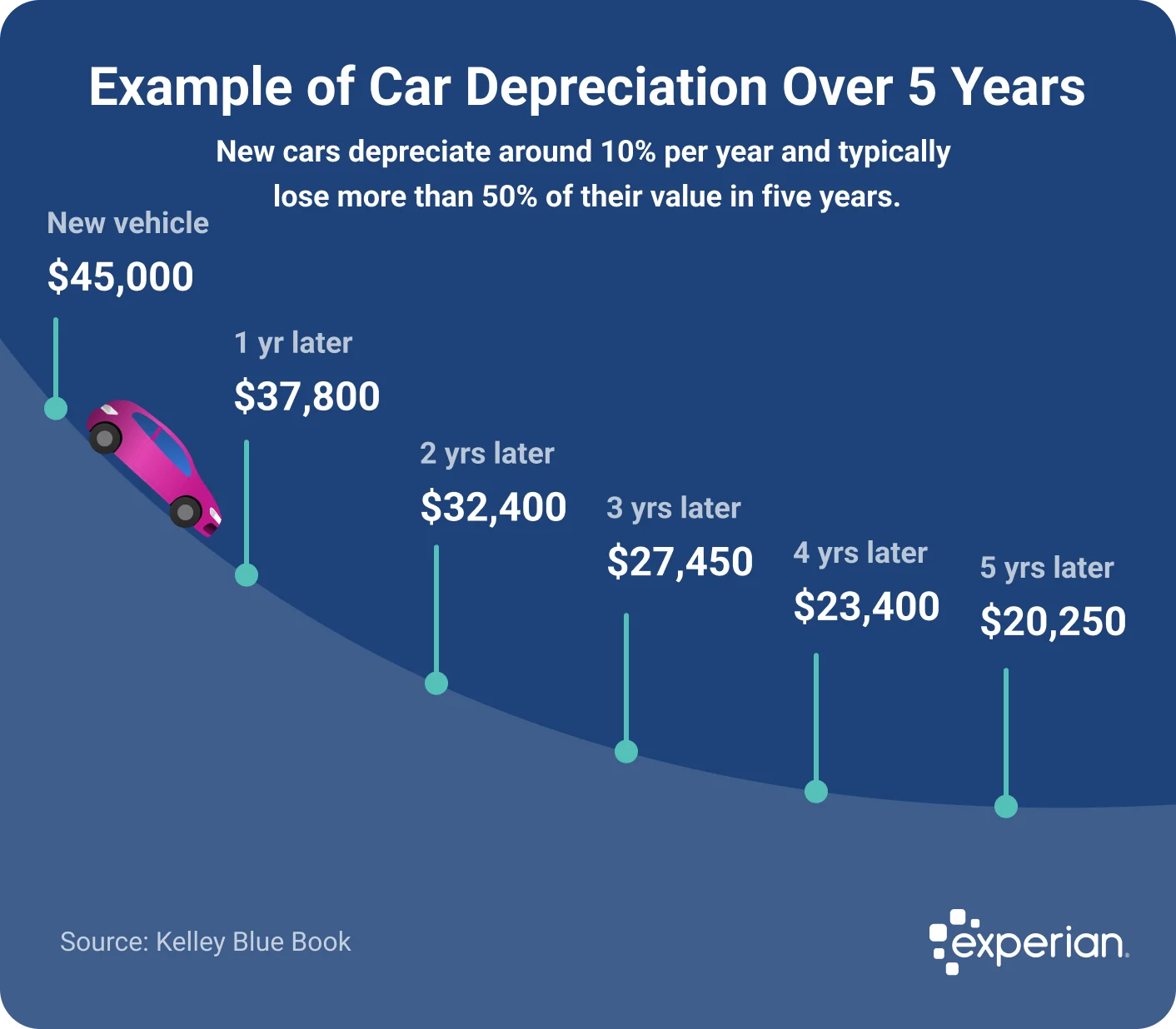
- Immediate drop: 10% to 20% loss the moment you drive off the lot.
- Years 1–3: The steepest decline, often 30% to 40% total loss.
- Years 4–6: Slower decline, around 40% to 60% total loss.
- Years 7+: Value flattens; older cars still lose value but more slowly.
Variations exist by brand and segment. Luxury cars and large SUVs often fall faster early on. Compact, reliable models often retain value better.
 examples”
style=”max-width: 100%; height: auto; border: 2px solid black; border-radius: 10px; display: block; margin: 0 auto;”
loading=”lazy”
/>
How to calculate depreciation: methods and simple examples
There are a few common ways to estimate how car depreciation works. I’ll show two practical methods.
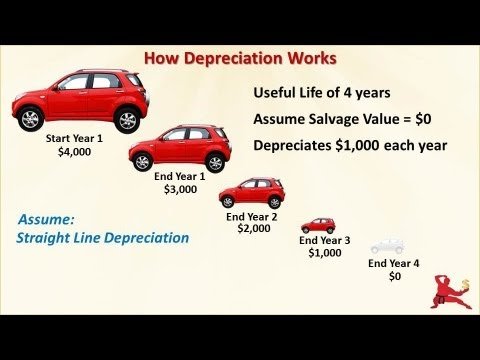
Straight-line estimate
- Start value: purchase price.
- Residual value: expected worth after a set period.
- Annual depreciation = (Start value − Residual value) / Years.
Example
- Buy at $30,000. Expect $15,000 after 5 years.
- Annual depreciation = ($30,000 − $15,000) / 5 = $3,000 per year.
Percentage-based model
- Apply an annual percentage that reflects market reality.
- Year 1: −20%, Year 2: −15%, Year 3: −10%, then −5% each year.
Example
- $30,000 × 0.80 = $24,000 after year 1.
- $24,000 × 0.85 = $20,400 after year 2.
Practical tip
- Use online market tools and comparable sales to refine estimates. They show real-world sale prices by model and year.
Real-world examples and case studies from my experience
I’ve advised buyers and sold vehicles across price ranges. These real examples show how car depreciation works in everyday decisions.
Example 1: Compact sedan
- Bought new for $22,000. Sold after 5 years for $9,000.
- Main losses: steep early depreciation, moderate mileage, excellent upkeep preserved some value.
Example 2: Luxury SUV
- Bought new for $60,000. Traded in after 3 years for $36,000.
- Quick loss due to model updates and higher supply in used market.
Lessons learned
- Buying the most popular trim often sells faster and holds value.
- Avoiding over-customization keeps the pool of interested buyers large.
- Maintaining receipts and service records pays at resale.
How to reduce depreciation and protect value
You can’t stop depreciation, but you can slow it. These practical actions help.
Maintenance and records
- Keep all service records.
- Fix small issues before they become big problems.
Smart buying choices
- Choose models known to hold value.
- Prefer conservative colors and popular trims.
Use and storage
- Limit high mileage where possible.
- Store the car in a garage and use paint protection if feasible.
Timing and market awareness
- Sell before major model refreshes.
- Monitor fuel price and tax incentives that affect demand.
Buying and selling strategies that consider depreciation
Make decisions with depreciation in mind. These tactics improve outcomes.
When buying
- Consider certified pre-owned to avoid the steepest early loss.
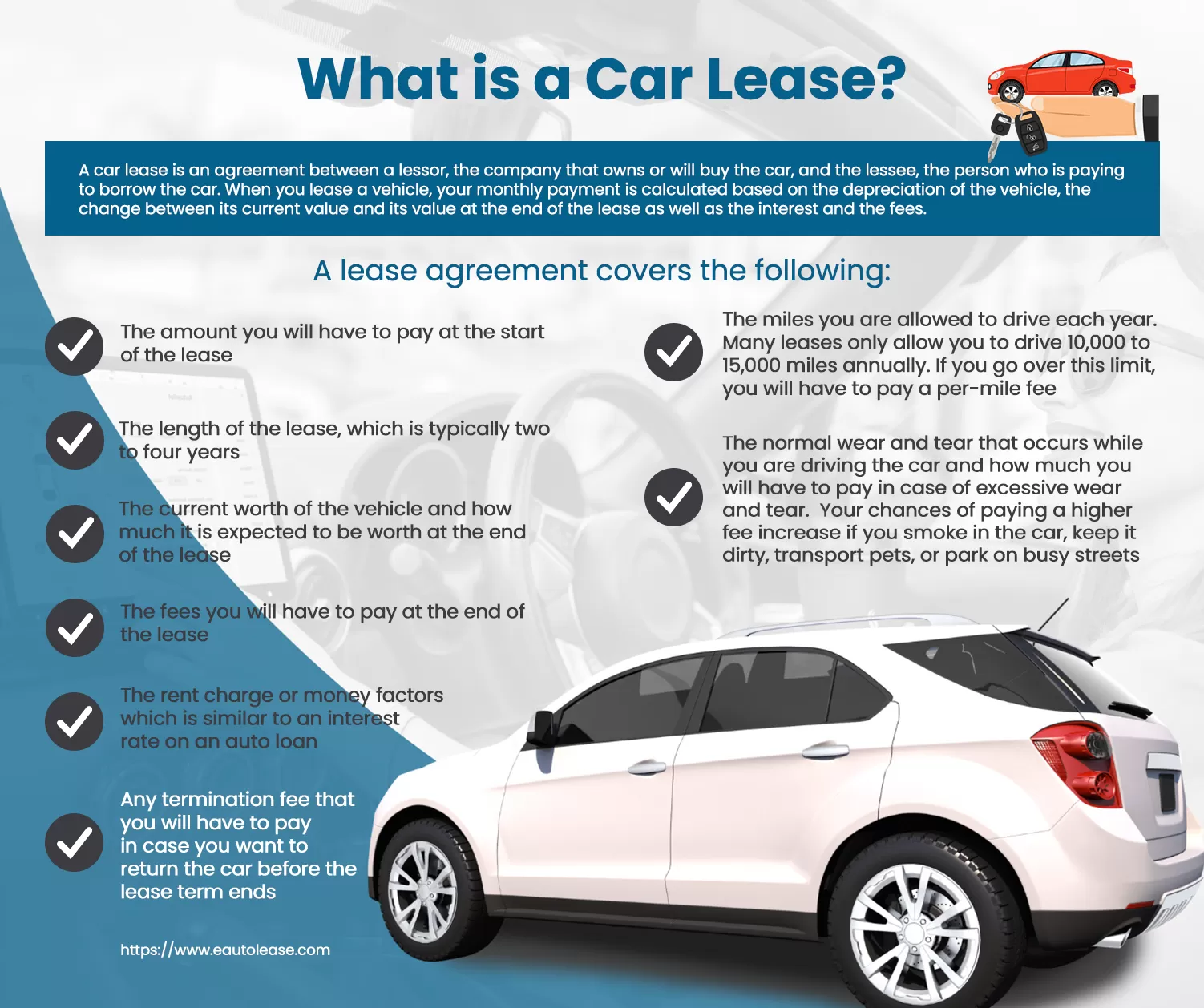
- Negotiate based on total cost of ownership, not just monthly payments.
- Aim for lower depreciation per year rather than lowest price alone.
When selling
- Time the market: sell when demand is higher for your type of car.
- Prepare the car: detail it and fix minor issues to maximize value.
- Use multiple channels: private sale often yields the highest return.

Accounting and tax considerations related to depreciation
For business owners and tax filers, how car depreciation works also has accounting meaning.
Key points
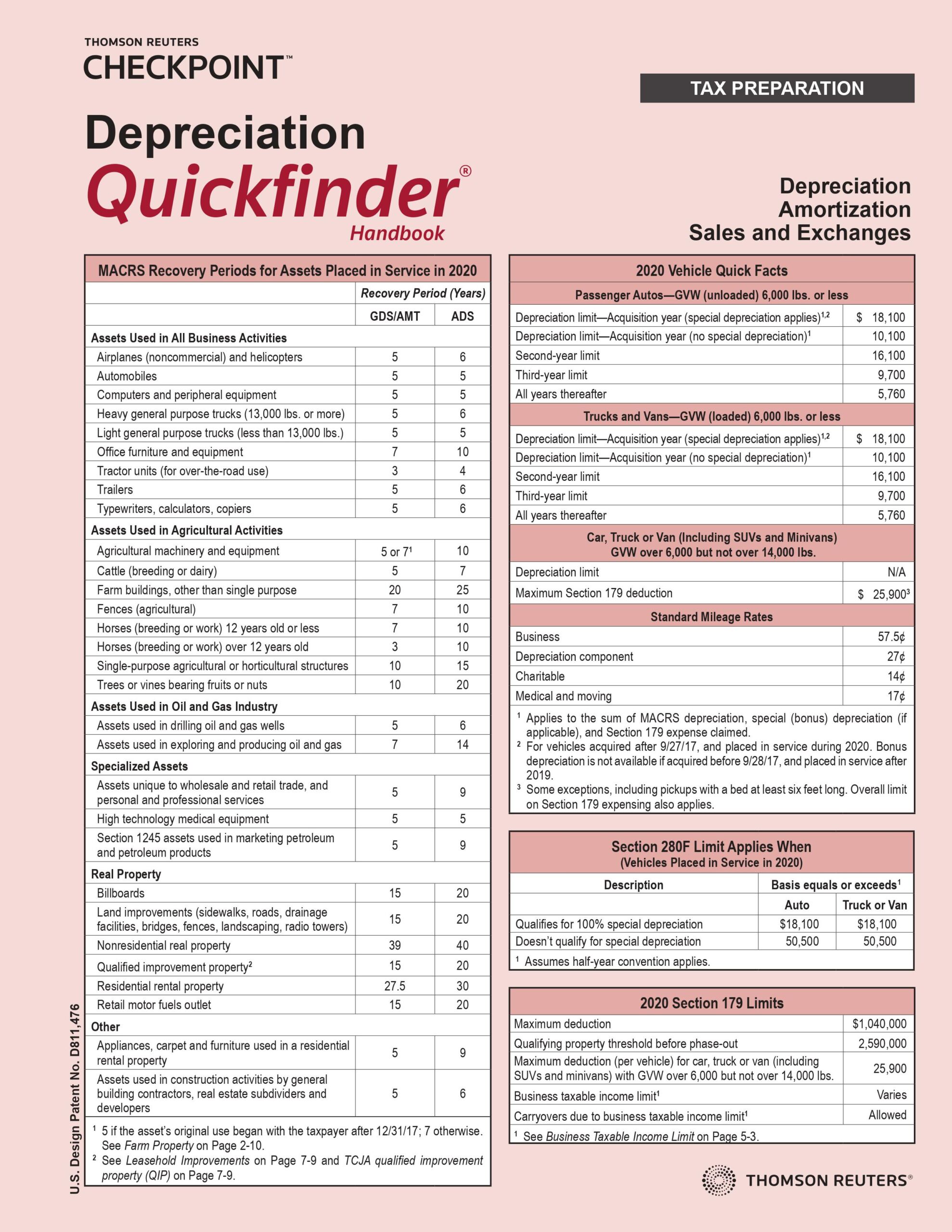
- Tax depreciation rules let businesses deduct vehicle cost over time.
- Different methods exist: straight-line and accelerated options.
- Personal use has different rules from business use and may require record-keeping.
Practical tip
- Consult a tax professional to choose the best method and ensure compliance.
PAA-style questions (common quick queries)
Is depreciation faster for new cars?
- Yes. New cars lose the biggest percentage in the first few years, especially the first year.
Do electric vehicles depreciate differently?
- Often yes. EV depreciation can be faster early on due to battery concerns and rapid tech changes, but local demand and incentives can change that.
Does mileage affect resale value a lot?
- Yes. Higher miles typically reduce value significantly, especially once thresholds like 100,000 miles are passed.
Frequently Asked Questions of how car depreciation works
What is the biggest factor that causes a car to lose value?
Age and mileage are the biggest factors, with model reputation and condition closely following.
How much value does a new car lose in the first year?
A new car typically loses 10% to 20% of its value in the first year, depending on model and demand.
Are some brands immune to depreciation?
No brand is immune, but certain brands and models consistently hold value better due to reliability and demand.
Should I buy new or used to avoid depreciation?
Buying used often avoids the steepest early depreciation. Certified pre-owned balances warranty with lower depreciation.
Can regular maintenance slow depreciation?
Yes. Regular maintenance with documented records increases buyer confidence and often preserves more value.
Conclusion
Understanding how car depreciation works gives you control over a major cost of car ownership. You can predict value loss, make smarter buying choices, and use practical steps to protect resale value. Start by choosing models known to hold value, maintain clear service records, and sell at the right time. Try one change this month — check comparable used listings for a car you own or want to buy — and use that insight to plan your next move. Share your experience or questions in the comments, and subscribe for more guides on smart car ownership.