
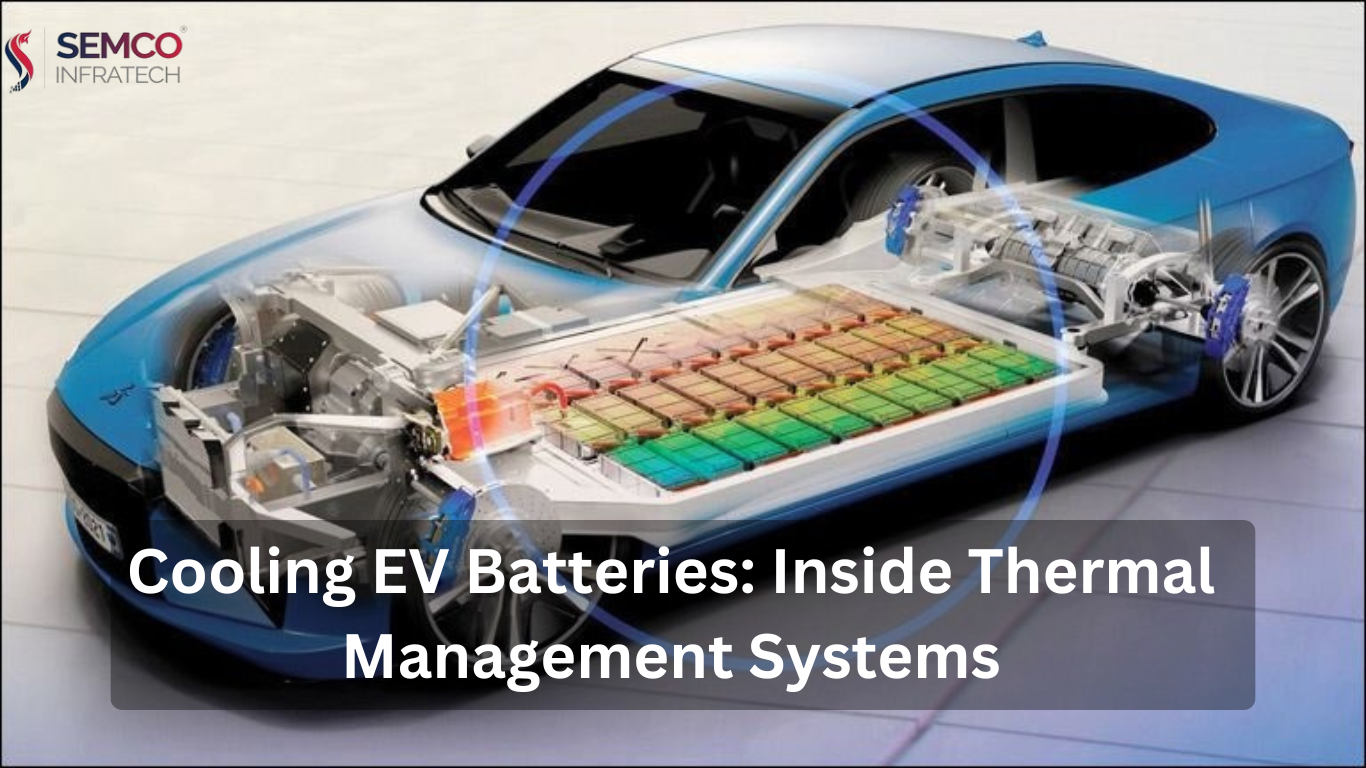
EV battery thermal management controls battery temperature using cooling and heating systems.
Understanding How Electric Vehicle Battery Thermal Management Works is important because battery temperature affects almost every part of an electric car experience. From daily commuting in the United States to long highway trips, an EV battery must stay within a specific temperature window to deliver steady power and protect its cells.
In my experience studying automotive technology, battery temperature control has become one of the most important engineering areas in modern EV design. A battery pack may contain thousands of lithium-ion cells, and even small temperature differences between cells can affect efficiency, safety, and battery aging.
How Electric Vehicle Battery Thermal Management Works comes down to a simple idea: the vehicle constantly measures battery heat and uses cooling or heating methods to keep the pack at the right temperature. This system works quietly in the background every time an EV drives, charges, or sits in extreme weather.
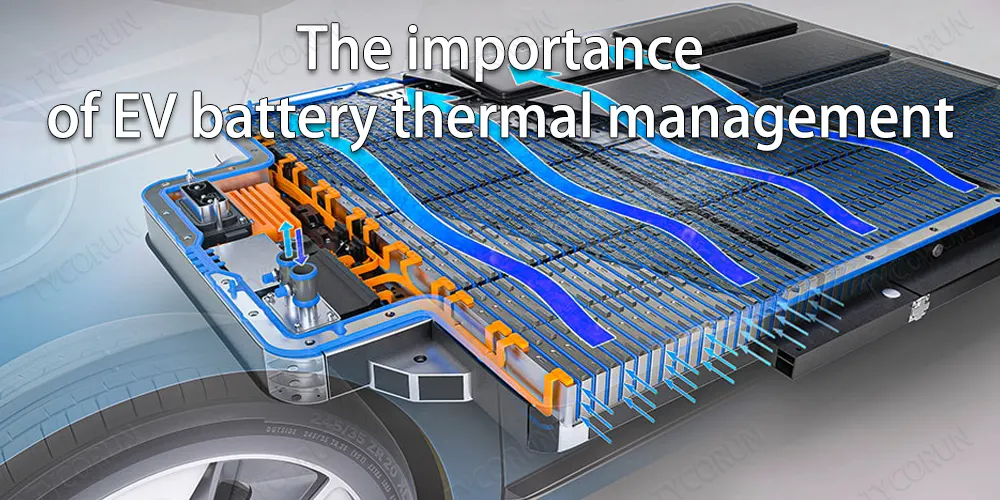
What Is Electric Vehicle Battery Thermal Management?
Electric vehicle battery thermal management is the system that controls the temperature of an EV battery pack. Lithium-ion batteries work best within a limited temperature range, so the vehicle must remove extra heat and add heat when needed.
When learning How Electric Vehicle Battery Thermal Management Works, it helps to understand that battery cells create heat during charging and driving. Fast acceleration, high-speed driving, and DC fast charging can increase battery temperature quickly.
A thermal management system uses sensors, pumps, fans, cooling plates, and computer controls to maintain stable conditions. This allows the battery to deliver energy safely and efficiently.
- ✦ Temperature Monitoring
Sensors measure battery cell temperatures and send information to the vehicle control system.
- ✦ Heat Removal
Cooling systems move heat away from battery cells when temperatures rise.
- ✦ Battery Heating
Heating systems warm the battery during cold conditions to improve performance.
Why Battery Temperature Matters
Battery temperature affects charging speed, available power, and battery lifespan. A battery that becomes too hot may experience faster chemical aging, while a cold battery may lose range and charging ability.
- ✦ Hot Conditions
High temperatures increase chemical reactions inside battery cells and can reduce long-term battery health.
- ✦ Cold Conditions
Low temperatures slow battery reactions and reduce available energy output.
How Electric Vehicle Battery Thermal Management Works Step by Step
The process starts with temperature sensors placed throughout the battery pack. These sensors collect real-time data and help the vehicle decide whether it needs cooling or heating.
When battery temperature rises, the thermal control system activates cooling methods. When temperatures drop, the system provides heat to bring the battery back into an efficient operating range.
How Electric Vehicle Battery Thermal Management Works is similar to how a home thermostat works. The system constantly checks conditions and makes small adjustments to maintain balance.
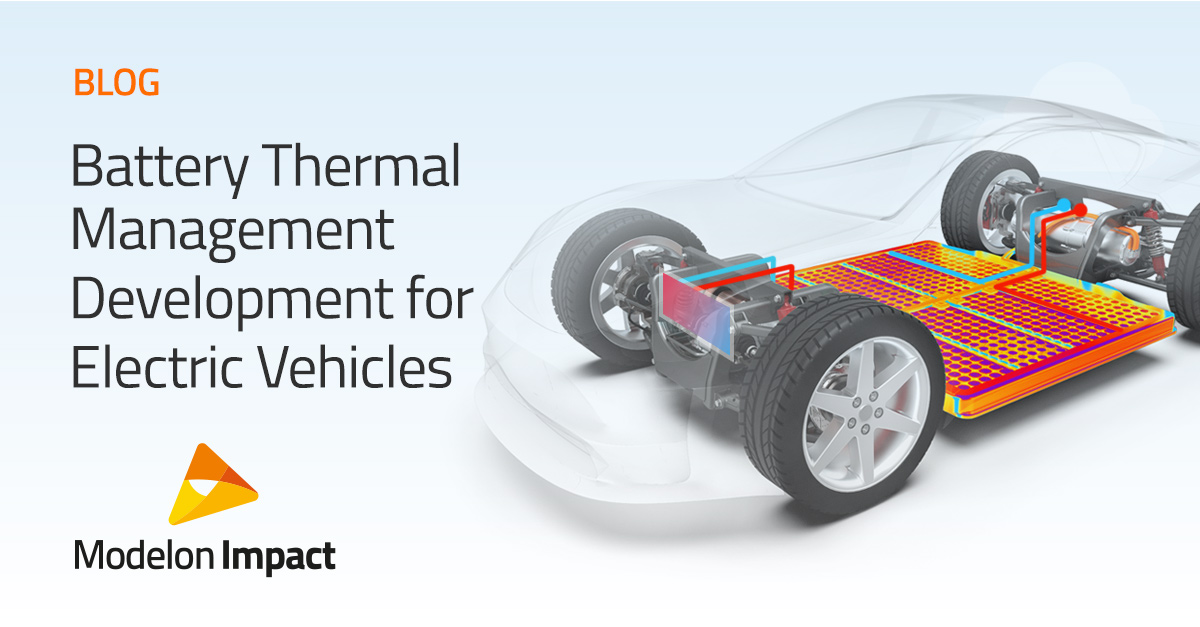
- ✦ Step One: Measure Temperature
Sensors track heat levels across battery modules and individual areas of the pack.
- ✦ Step Two: Analyze Data
The battery control system decides the best thermal response based on temperature and driving conditions.
- ✦ Step Three: Control Heat Flow
Cooling or heating components activate to maintain the ideal battery temperature.
Types of EV Battery Cooling Systems
Different electric vehicles use different cooling methods depending on battery size, performance goals, and cost. Manufacturers choose systems that provide enough cooling while keeping weight and complexity low.
Modern EVs often use liquid cooling because it can remove heat more effectively than simple air systems. Performance-focused vehicles usually require advanced thermal solutions because they generate more heat.

- ✦ Air Cooling
Air cooling uses fans and airflow to remove heat. It is simple but may provide less precise temperature control.
- ✦ Liquid Cooling
Liquid cooling circulates coolant around battery cells or cooling plates for better heat control.
- ✦ Refrigerant Cooling
Some systems use refrigerant circuits to provide stronger cooling during demanding conditions.
Why Liquid Cooling Is Common in Modern EVs
Liquid cooling allows manufacturers to maintain more even temperatures across large battery packs. This is important because uneven temperatures can cause some cells to age faster than others.
- ✦ Better Heat Transfer
Liquid coolant transfers heat more efficiently than air in many EV designs.
How Thermal Management Improves EV Battery Life
Battery aging is a natural process, but temperature control can slow the rate of degradation. A well-managed battery experiences less stress during daily use.
How Electric Vehicle Battery Thermal Management Works directly affects battery durability because stable temperatures protect the chemical balance inside lithium-ion cells.
For American EV owners, this means better long-term value. A vehicle that manages battery heat properly can maintain performance through different seasons and driving conditions.

- ✦ Reduces Heat Damage
Cooling prevents excessive temperatures that can accelerate battery wear.
- ✦ Supports Faster Charging
A controlled battery temperature allows safer high-speed charging.
- ✦ Improves Reliability
Balanced temperatures help battery cells age more evenly.
How EV Thermal Management Handles Extreme Weather
Electric vehicles operate in many climates across the United States, from hot Arizona summers to cold northern winters. Thermal management systems help batteries perform in these changing conditions.
In hot weather, the system removes heat created by driving and charging. In cold weather, it warms the battery so chemical reactions can happen more efficiently.
How Electric Vehicle Battery Thermal Management Works becomes especially important during extreme weather because temperature can strongly affect range and charging behavior.

- ✦ Hot Weather Protection
Cooling systems prevent overheating during high temperatures and heavy use.
- ✦ Cold Weather Support
Battery heaters improve performance during freezing temperatures.
The Role of Software in Battery Thermal Management
Modern EV thermal systems depend heavily on software. The vehicle computer uses sensor data, driving patterns, charging conditions, and outside temperature to make decisions.
Advanced algorithms help predict heat changes before they become problems. This allows the system to prepare the battery before fast charging or demanding driving.

- ✦ Smart Energy Control
Software balances cooling needs with energy efficiency to avoid wasting battery power.
- ✦ Predictive Management
Systems can prepare the battery before planned charging or extreme conditions.
Future Developments in EV Battery Thermal Management
Battery technology continues to improve, and thermal management systems are becoming more advanced. Future EVs may use new materials, smarter controls, and more efficient cooling designs.
As battery packs become larger and charging speeds increase, thermal control will become even more important. Engineers continue developing solutions that improve range, safety, and charging performance.
- ✦ Advanced Cooling Materials
New materials may improve heat transfer and reduce system weight.
- ✦ Integrated Thermal Systems
Future vehicles may combine battery, cabin, and motor cooling into one efficient system.
