
Oil filters remove contaminants by trapping harmful particles as engine oil passes through filter media.
Every modern vehicle depends on clean engine oil to reduce friction and protect moving parts. During normal driving in the United States, engine oil collects tiny particles from wear, heat, fuel residue, and outside dirt. Without filtration, these contaminants would circulate through the engine thousands of times.
Understanding How Oil Filters Remove Contaminants From Engine Oil helps drivers make better maintenance decisions. In my experience reviewing automotive systems, many engine problems begin with poor oil care rather than a single major failure. A simple filter change can prevent small contaminants from becoming expensive repairs.
An oil filter works like a cleaning system for your engine. It allows oil to move freely while catching particles that could scratch bearings, damage cylinder walls, and reduce engine performance.

What an Oil Filter Does Inside an Engine
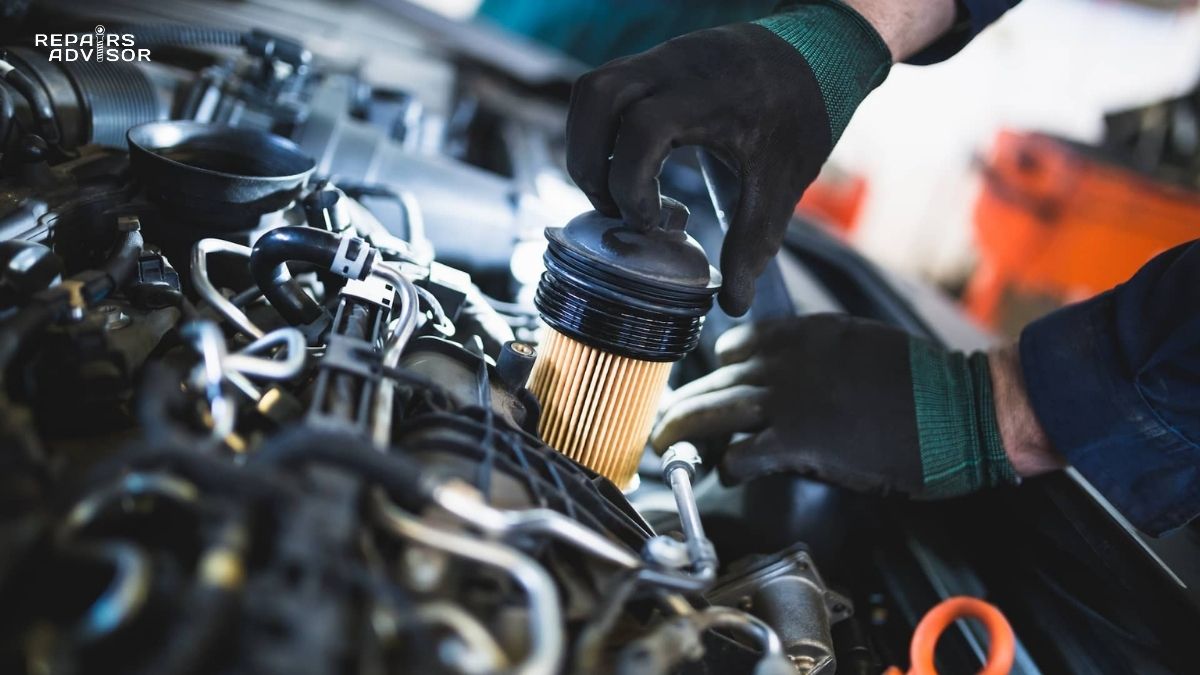
An oil filter cleans engine oil before it reaches important engine parts. The oil pump sends oil through the filter, where the filter media catches unwanted materials. The cleaned oil then travels to areas that need lubrication.
How Oil Filters Remove Contaminants From Engine Oil depends on a balance between filtration and oil flow. A filter must catch particles without blocking the oil supply that protects the engine.
Most passenger vehicles in the U.S. use spin-on oil filters or cartridge filters. Both designs perform the same basic job but use different housing systems.

- ✦ Protects moving parts
The filter removes abrasive particles that can wear bearings, camshafts, and other engine components.
- ✦ Keeps oil cleaner longer
A clean filter helps engine oil maintain its ability to lubricate and cool internal parts.
- ✦ Supports engine reliability
Removing contaminants helps reduce long-term damage caused by dirty oil circulation.
The Path of Oil Through the Filter
Engine oil leaves the oil pan and moves through the oil pump. It enters the filter under pressure, passes through the filter material, and exits with fewer contaminants.
This continuous process happens while the engine runs. The filter works every time oil circulates through the lubrication system.
How Oil Filters Trap Dirt and Harmful Particles
Oil filters use a filtering material called filter media. This material contains many small passages that allow oil to pass while stopping larger unwanted particles.
How Oil Filters Remove Contaminants From Engine Oil starts with mechanical filtration. The filter catches particles based on size, shape, and the structure of the filter material.
Common contaminants include dust, metal particles, carbon buildup, and sludge. These materials can damage engine surfaces if they continue circulating.
- ✦ Metal particles
Small metal pieces can come from normal engine wear and may increase damage if they are not removed.
- ✦ Carbon deposits
Heat and combustion create carbon particles that mix with oil and reduce cleanliness.
- ✦ External dirt
Dust and debris can enter the engine system and become harmful without proper filtration.
Filter Media Materials
Many oil filters use cellulose, synthetic fibers, or blended materials. Synthetic media can capture smaller particles while maintaining good oil flow.
The quality of filter media affects how well a filter removes contaminants during its service life.
The Different Types of Contaminants Found in Engine Oil
Engine oil collects many types of contaminants during normal operation. These contaminants develop from combustion, friction, and environmental exposure.
Learning How Oil Filters Remove Contaminants From Engine Oil requires understanding what the filter removes. Each contaminant creates different risks for engine health.

- ✦ Dust and sand particles
Tiny particles from the environment can enter through the air intake system and increase engine wear.
- ✦ Sludge
Old oil can form thick deposits that reduce lubrication quality and restrict oil movement.
- ✦ Water and fuel residue
Moisture and fuel contamination can reduce oil performance and increase corrosion risks.
Why Oil Filter Quality Matters for Engine Protection
Not all oil filters provide the same level of protection. A high-quality filter can capture more contaminants while maintaining proper oil pressure.
A poor filter may have weak materials, limited capacity, or poor construction. This can reduce protection, especially during long driving periods.
When choosing a filter, drivers should follow manufacturer recommendations for filter size, design, and performance.

- ✦ Better particle control
Premium filters often provide stronger contaminant removal throughout the oil change interval.
- ✦ Reliable oil flow
Good filters balance cleaning ability with steady oil movement.
Oil Filter Capacity
Filter capacity refers to how much contamination a filter can hold before performance drops. Vehicles used for towing, heavy traffic, or short trips may create more contaminants.
How Regular Oil Filter Changes Keep Engines Healthy
An oil filter has a limited service life. As it collects contaminants, the filter becomes less effective over time.
Replacing the filter during an oil change helps maintain the cleaning process. This is why most mechanics recommend changing both oil and filter together.
How Oil Filters Remove Contaminants From Engine Oil remains effective only when the filter is clean and able to capture new particles.
- ✦ Follow maintenance schedules
Use your vehicle owner’s manual to determine the correct oil and filter change interval.
- ✦ Watch for warning signs
Low oil pressure warnings, dirty oil, or unusual engine noise may indicate lubrication problems.
