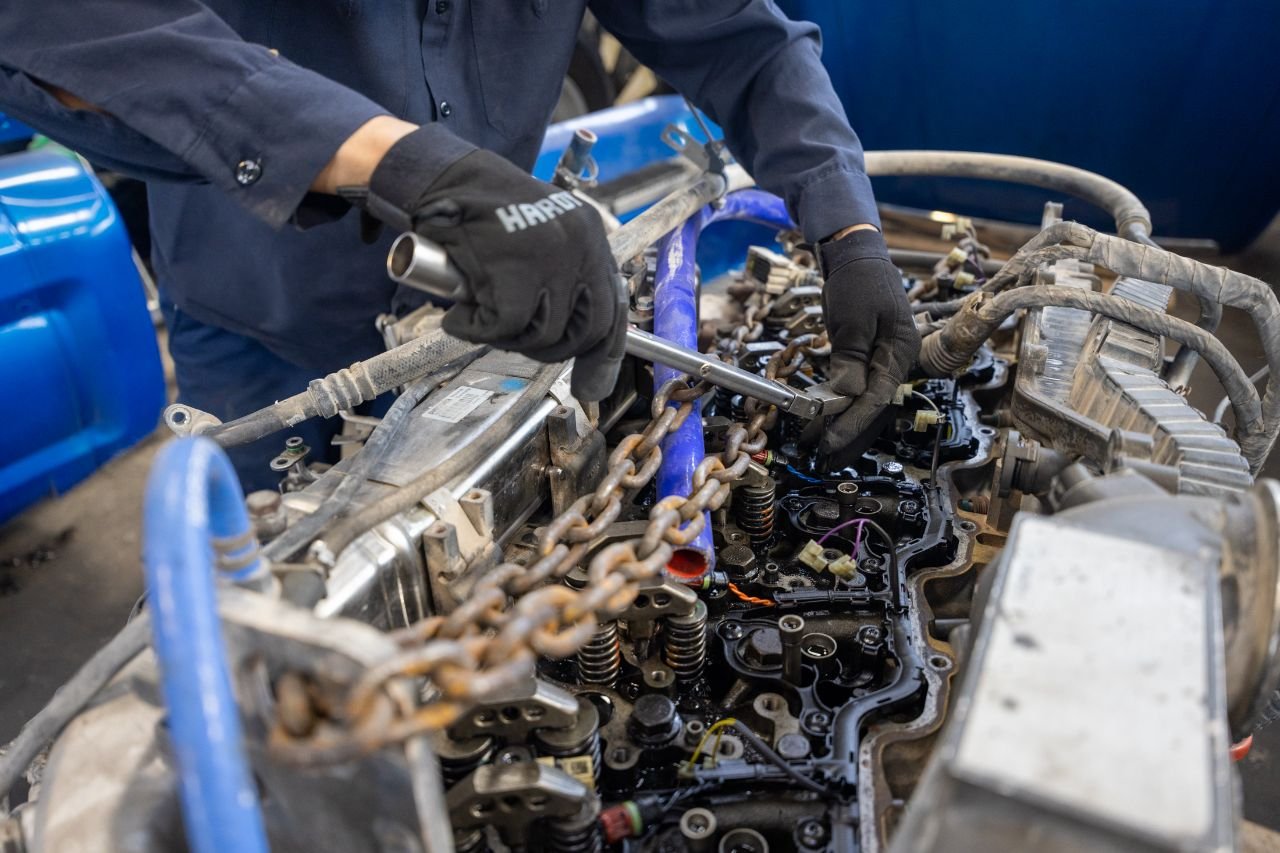
Use regular maintenance, quality oil, gentle driving, and timely repairs to extend engine life.
I’ve spent years working on cars and running maintenance programs, so I know what keeps engines running longer. This guide explains how to extend engine life with clear steps, real tips from hands-on experience, and simple checks you can do today. Read on to learn the practical routines and habits that protect your engine and save money over time.

Why engine care matters
Engines wear out slowly. Small issues grow into big repairs when left unchecked. A well-kept engine stays more efficient, uses less fuel, and costs less to own.
I’ve seen vehicles reach well over 200,000 miles with simple, steady care. Learning how to extend engine life pays off in reliability and resale value.
Essential maintenance to extend engine life
Routine maintenance is the backbone of engine longevity. Follow the owner’s manual and keep a simple schedule.
- Change oil and oil filter on time according to mileage or season.
- Replace air and fuel filters regularly.
- Inspect belts and hoses for wear or cracks.
- Monitor fluid levels and top up as needed.
My experience: skipping a single oil change once caused sludge buildup that shortened life. Don’t repeat that mistake. Regular care prevents most common failures.
Oil and lubrication
Oil is the engine’s lifeblood. Clean oil reduces friction, cools parts, and carries debris to the filter.
- Use the oil grade the manufacturer recommends.
- Change oil and filter at the intervals listed in your manual or sooner if you drive in extreme heat, tow, or idle heavily.
- Check oil level monthly with the dipstick.
- Consider synthetic oil for better stability and longer change intervals in many engines.
I often recommend synthetic oil for older engines with frequent highway miles. It resists breakdown and keeps parts better lubricated. Proper oil care is the single most effective way to extend engine life.

Cooling system and overheating prevention
Overheating causes severe engine damage fast. A working cooling system is essential to extend engine life.
- Check coolant level and top with the correct mix.
- Replace coolant per the service schedule.
- Inspect radiator, hoses, and clamps for leaks or bulges.
- Test the thermostat and water pump if the engine runs hot or irregularly.
A slow leak I missed once overheated an engine during a long drive. A simple hose check would have prevented costly repairs. Regular inspections avoid surprises.
Air, fuel, and filters
Clean air and fuel help the engine burn smoothly and avoid wear.
- Replace the air filter when dirty or per schedule.
- Use quality fuel and avoid low-grade gas in high-compression engines.
- Replace the fuel filter as recommended, especially in older cars.
- Consider a fuel system cleaner if you notice poor idle or hesitation.
A clogged air filter can lower power and increase fuel use. Swapping filters is cheap and pays back in performance and helping extend engine life.
.jpg)
Driving habits that help engines last
How you drive affects how long your engine lives. Gentle habits reduce stress and wear.
- Warm the engine briefly before hard driving in cold weather.
- Avoid aggressive starts and high-RPM launches.
- Shift smoothly in manual cars; avoid lugging the engine.
- Use cruise control on highways to maintain steady RPMs.
I learned early that calm driving saves parts. Pushing an engine hard every day will shorten its life quickly. Drive smart to extend engine life.

Transmission, belts, and timing components
The engine depends on linked parts. Neglecting belts and the transmission can damage the engine indirectly.
- Replace timing belts at the intervals recommended; a snapped belt can ruin an engine.
- Inspect serpentine belts and replace if cracked or glazed.
- Service the transmission fluid and filter as required.
- Fix any unusual noises or vibrations promptly.
One timing-belt failure I handled destroyed valves on an interference engine. Replacing belts on time is cheap insurance to extend engine life.

Sensors, electronics, and check-engine warnings
Modern engines rely on sensors. Ignoring alerts invites problems.
- Address check-engine lights quickly; read codes to diagnose faults.
- Keep wiring and connectors clean and secure.
- Replace oxygen sensors and other emissions parts when they fail to maintain proper engine tune.
A small sensor fault left unaddressed increased fuel trims and put stress on catalytic systems. Fixing electronics helps engine health and fuel economy.
Storage, seasonal care, and additives
How you store a vehicle affects longevity. Short trips and long storage create unique risks.
- Add fuel stabilizer for long storage and run the engine occasionally.
- Avoid many short trips in cold weather that prevent oil from reaching full temp.
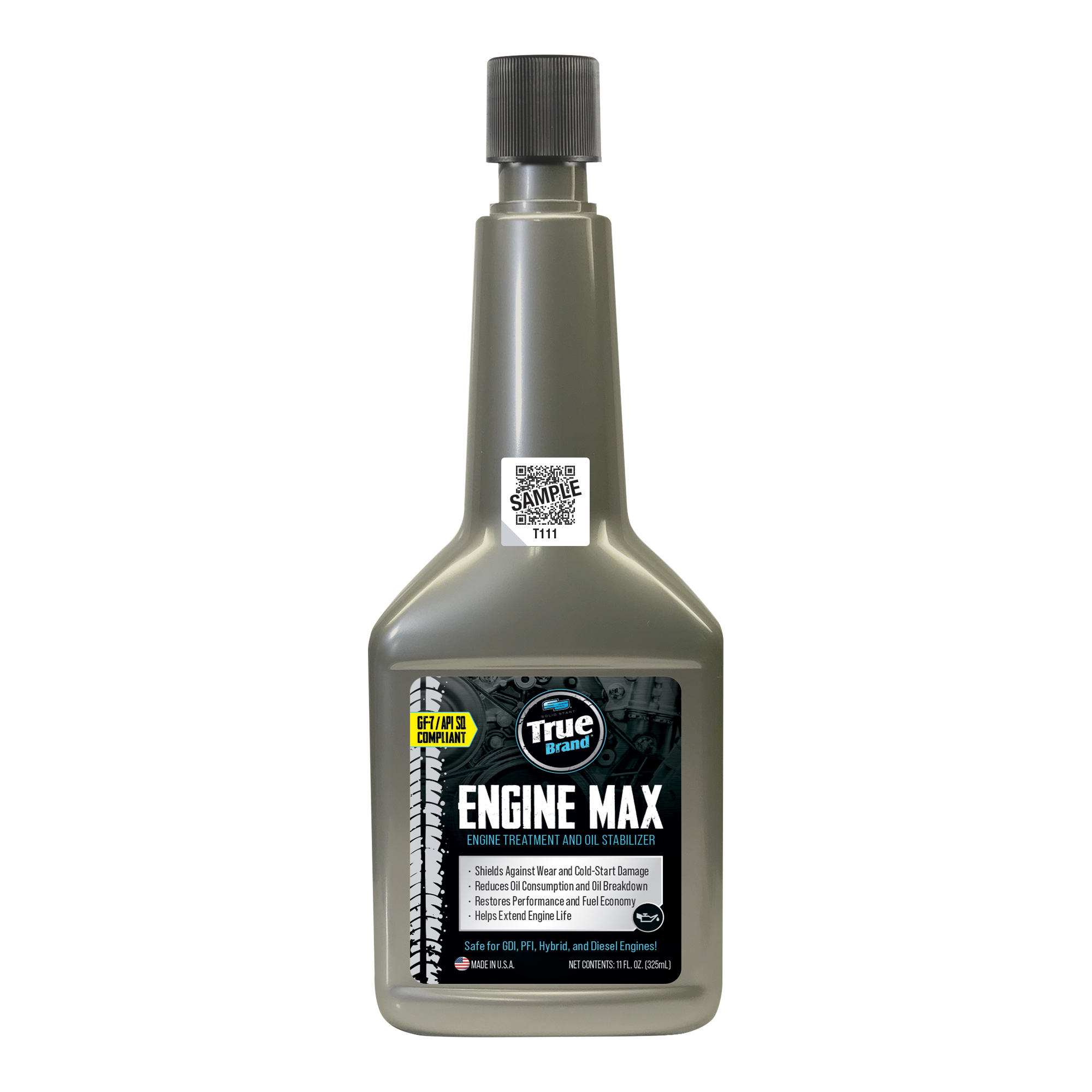
- Use recommended additives only when needed for specific issues.
- Keep the battery charged; weak batteries stress starters and the charging system.
I once saw frequent short commutes cause sludge in a commuter car. Occasional longer drives or synthetic oil helped clear deposits and extend engine life.
When to seek professional help
Some problems need a pro. Timely repairs prevent bigger damage.
- Take the car in for persistent noises, low oil pressure, or overheating.
- Get a compression and leak-down test if you suspect internal wear.
- Trust certified mechanics for complex repairs like head gaskets or major timing jobs.
A professional inspection saved one client from a blown head gasket by catching an early leak and fixing it fast. Early expert help can often save the engine.
Common causes of premature engine failure
Knowing causes helps you avoid them. Common triggers include neglect and abuse.
- Skipping oil changes and ignoring low oil levels.
- Overheating due to coolant neglect.
- Timing belt failure from missed replacement.
- Contaminated fuel or poor air supply.
- Aggressive driving and repeated redline use.
Most of these are preventable. A habit of checks and mild driving goes far to extend engine life.
Practical checklist to extend engine life
A simple checklist makes regular care easy. Use it every month or before long trips.
- Check oil level and quality.
- Inspect coolant and hoses.
- Look at belts and air filter.
- Listen for new knocks or ticks.
- Scan for dashboard warnings.
- Note any changes in fuel economy or idle smoothness.
Keep records of services. I keep a small log in my glovebox. It helps track what was done and when, and it makes future maintenance simple.
How often should I change my oil?
Change oil according to the manual; for many modern cars, this is every 5,000–10,000 miles with synthetic oil. Short trips or heavy use may need more frequent changes.
Can driving style really affect engine life?
Yes. Smooth acceleration, moderate speeds, and avoiding frequent high-RPM driving reduce wear and help extend engine life.
Is synthetic oil better for extending engine life?
Synthetic oil often resists breakdown and keeps engines cleaner, which can help extend engine life, especially under stress or extreme temperatures.
Will additives make a big difference?
Additives can help in specific cases, like cleaning deposits or stopping leaks, but they are not a substitute for proper maintenance.
Does idling or short trips harm the engine?
Frequent short trips and long idling keep the engine from reaching ideal temperature, which can increase wear and deposit buildup over time.
Frequently Asked Questions of how to extend engine life
How often should I change my oil to extend engine life?
Follow the vehicle manual; many modern cars do well with synthetic oil every 5,000–10,000 miles, though heavy use needs more frequent changes.
What oil grade helps extend engine life?
Use the manufacturer-recommended grade. Correct viscosity protects parts and keeps the engine running smoothly under different temperatures.
Is it worth using premium fuel to extend engine life?
Use premium only if your engine requires it. Higher-octane fuel helps some engines perform properly but rarely extends life on its own.
How can I prevent overheating to extend engine life?
Keep coolant at proper levels, replace hoses on schedule, and fix any leaks or thermostat issues quickly to avoid overheating.
Are frequent tune-ups necessary to extend engine life?
Yes. Regular tune-ups, filter changes, and timely repairs keep parts in balance and prevent damage that shortens engine life.
Conclusion
Careful maintenance, sensible driving, and timely repairs make it easy to extend engine life. Start with regular oil changes, cooling system checks, and gentle driving habits, and keep records of work done. Make one habit change today—check your oil—and you’ll be on the road to longer engine life. Share your experiences below, subscribe for more tips, or book a professional inspection if you suspect an issue.