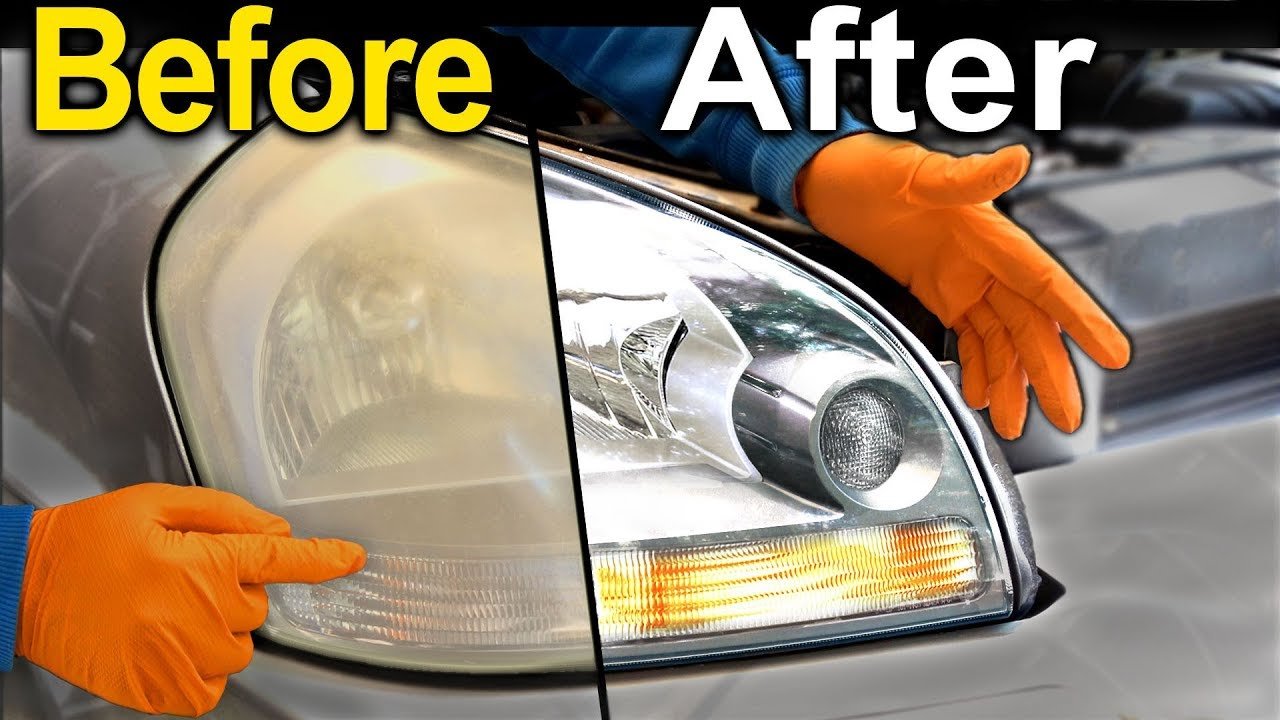
How To Polish Car Headlights At Home: Easy DIY Guide
Use sandpaper or a restoration kit, polish, then seal the lens for clear headlights.
I’ve spent years restoring lenses in my garage, and I’ll walk you through how to polish car headlights at home with clear steps, cheap tools, and safe tips. This guide shows easy options, mistakes to avoid, and real results you can trust. Read on to get brighter lights tonight.
Why headlights get cloudy and why it matters
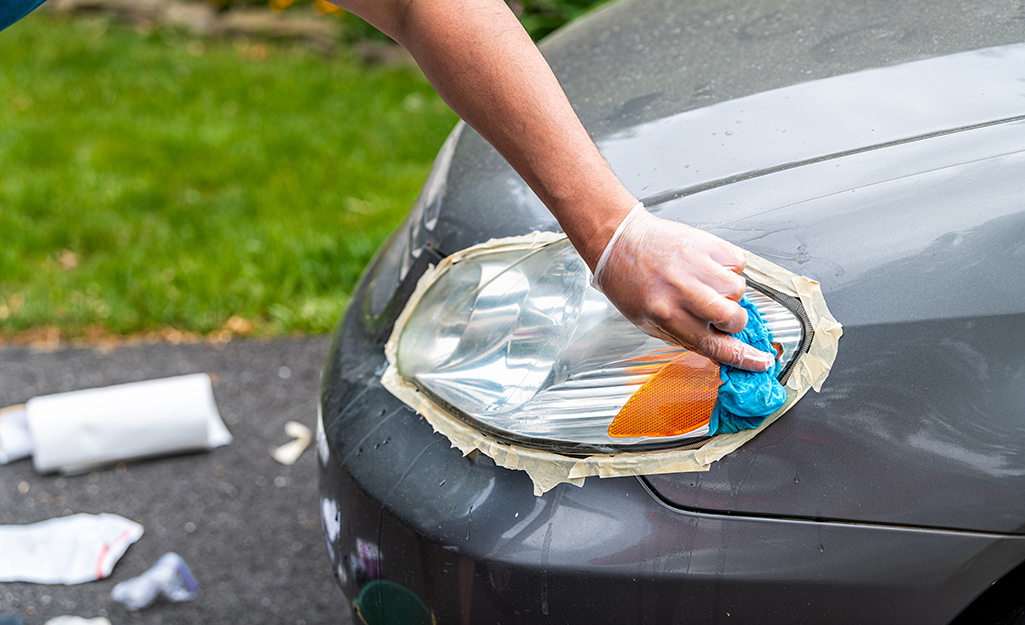
Plastic headlight lenses yellow and haze over time from sun, road grime, and heat. UV rays eat away at the clear coat. Tiny scratches and oxidized plastic make the light scatter. Cloudy lenses cut brightness and make night driving less safe. Knowing this helps you see why learning how to polish car headlights at home is worth the time and small cost.
Tools and materials you’ll need
You can pick a simple kit or use household items. Below are reliable tools I use and recommend.
- Sandpaper assortment: 400, 800, 1000, 2000 grit for wet sanding.
- Masking tape to protect paint and trim.
- Plastic or glass cleaner to remove grease.
- Polishing compound or rubbing compound.
- Microfiber cloths for final buffing.
- Drill with polishing pad or hand applicator for small jobs.
- UV sealant or headlight clear coat to protect results.
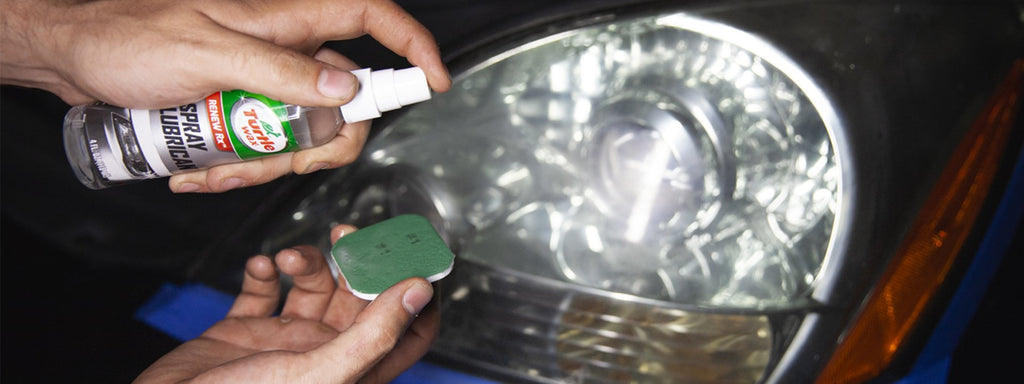
If you prefer a quick job, toothpaste or a dedicated headlight kit can work. I keep both a kit and sandpaper set in my garage for different levels of haze. Practicing on one headlight first helps.
Step-by-step: how to polish car headlights at home
Below are three common methods. Pick one based on how cloudy your lenses are and what tools you have.
Method 1 — Full sanding and polish (best for heavy oxidation)
- Wash the headlight and dry it. Remove surface dirt.
- Tape the surrounding paint to avoid scratches.
- Start with 400 or 600 grit wet sandpaper. Sand in even horizontal strokes.
- Move to 800, then 1000, then 2000 grit. Keep the surface wet.
- Wipe clean and apply polishing compound.
- Use a microfiber pad or drill polisher to buff until clear.
- Apply a UV sealant or headlight clear coat to protect the work.
This is the most reliable way to restore clarity. I use this method for older cars and get near-new results.
Method 2 — Toothpaste or baking soda (quick fix)
- Clean the lens and remove grime.
- Apply a dab of non-gel toothpaste or a paste of baking soda and water.
- Rub with a cloth in circular motions for several minutes.
- Rinse and dry. Apply a temporary protectant if you have one.
This method works for light haze. It’s cheap and fast, but results fade quicker. I used it once before a night drive and it helped enough to be safe.
Method 3 — Store-bought restoration kits
- Follow the included steps: usually light sanding, polishing, and sealing.
- Kits bundle pads and compounds. They are beginner friendly.
Kits balance ease and durability. They often include a UV coat for lasting results.

Safety tips and common mistakes
Stay safe and avoid redoing work. Keep these points in mind.
- Wear gloves and eye protection. Sanding creates dust and grit.
- Use a mask when working with compounds or spray clear coats.
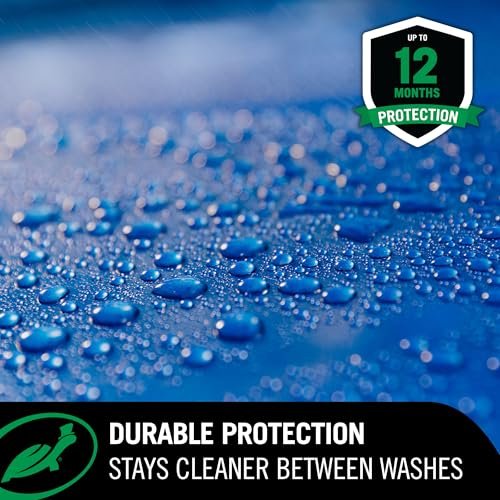
- Don’t skip the UV sealant. Polished plastic re-oxidizes fast without protection.
- Avoid aggressive sanding near painted edges. Tape generously.
- Test on a small area first. Over-sanding can cause a rough finish.
I once sanded too long on one corner and learned to check frequently. Short, steady passes work best.
Maintenance and prevention after you learn how to polish car headlights at home
A little upkeep keeps lights bright longer.
- Wash headlights when you wash your car to remove grit.
- Apply a UV protectant every 3–6 months to slow yellowing.
- Park in shade when possible to reduce sun damage.
- Inspect for chips or cracks; replace if the lens is damaged beyond fix.
After polishing, I schedule a quick protectant wipe every season. It keeps results strong for a year or more.

Cost comparison: DIY versus professional restoration
Here’s a quick view to help decide.
- DIY with household items: $0–$20. Fast but often short-lived.
- DIY with a kit or proper tools: $20–$60. Good lifespan when sealed.
- Professional service: $80–$250. Best results and warranty options.
If you plan to learn how to polish car headlights at home, a one-time investment in sandpaper and a polish can pay off many times over. Professionals help when the lens is damaged or you want a guaranteed finish.
Frequently Asked Questions of how to polish car headlights at home
What is the fastest way to polish car headlights at home?
Using a dedicated headlight restoration kit is usually the fastest and easiest route. Kits bundle pads and polish and often include a UV protectant.
Can I use toothpaste to polish headlights?
Yes, toothpaste can remove light haze as a temporary fix. It’s cheap and works well for mild clouding but won’t last as long as proper polish and sealant.
How long does a DIY polish last?
With a proper UV sealant, results often last 6–12 months or longer. Without protection, oxidation can return in a few months.
Is sanding necessary to restore headlights?
Sanding is best for heavy oxidation and deep scratches. For mild haze, polishing alone can help. Sanding gives the most consistent clarity.
Will polishing headlights improve night visibility?
Yes. Polished and sealed headlights let more light through and reduce glare scatter. This improves visibility and road safety.
Conclusion
Polishing headlights is a small project that makes a big difference. You can learn how to polish car headlights at home with simple tools, clear steps, and a little care. Start with a test lens, follow the steps above, and always seal the work to protect it. Try one method today, compare results, and share what worked. If you found this useful, subscribe, leave a comment, or try the step-by-step guide on your own car.