How To Read Car Specifications Sheet: Quick Buyer Guide
Read the numbers, know the meaning: decode a car specs sheet step by step.
I’ve spent years reading car brochures, dealer sheets, and factory spec lists for work and for my own buys. This guide shows you how to read car specifications sheet with clear steps, real examples, and practical tips so you can pick the right car with confidence.

Understanding the layout of a car specifications sheet
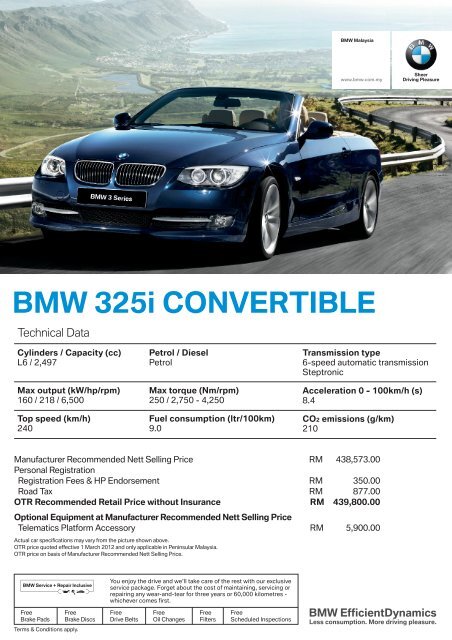
A specs sheet is a compact page of facts. It lists numbers and labels for one model or trim. Knowing where to look saves time and stops confusion.
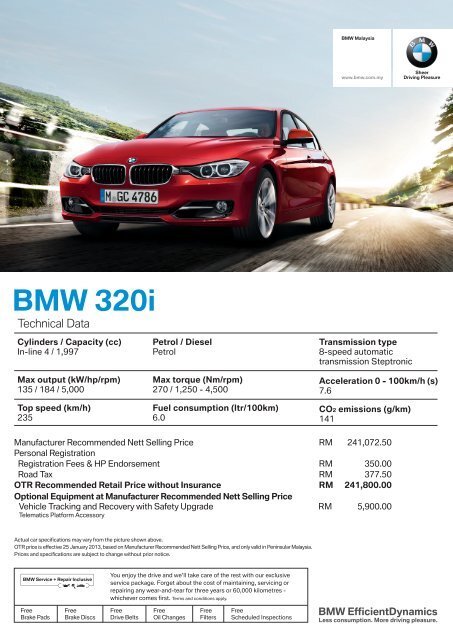
Most sheets follow a similar order. They list identification details first. Then they move to dimensions, engine, performance, fuel, safety, and features. When you learn the common order, reading any sheet becomes fast.
I read dozens of sheets each year for reviews and purchases. My habit is to scan the header, then read engine, then safety, then features. That order answers the big buyer questions first. Use the same flow when you learn how to read car specifications sheet and you will avoid missing key facts.

Key specifications and what they mean
Engine and power
- Engine type: tells you layout and fuel (for example: 4-cylinder, turbo, hybrid). This tells you how the car makes power.
- Displacement (L): shows engine size. Bigger does not always mean better. Modern small turbos can beat larger naturally aspirated engines.
- Horsepower and torque: horsepower shows peak power, torque shows low-end pull. Compare torque at lower RPMs for real-world drive feel.
Transmission and drivetrain
- Transmission: manual, automatic, CVT, or dual-clutch. Each changes how the car drives and how efficient it is.
- Drivetrain: FWD, RWD, AWD, or 4WD. This affects traction, handling, and fuel use.
Dimensions and weight
- Wheelbase, length, width, height: these tell you interior space and parking footprint.
- Cargo volume and passenger volume: check both to avoid surprises. Cargo listed in liters or cubic feet.
- Curb weight: heavier cars often feel more planted but use more fuel.
Performance and fuel economy
- 0–60 mph (or 0–100 km/h): gives a sense of acceleration.
- Top speed: mostly for context; not practical for everyday driving.
- Fuel economy: city/highway/combined. Pay attention to test method (EPA, WLTP, etc.) as numbers vary by standard.
Safety and driver aids
- Passive safety: airbags, structure, and crash rating.
- Active safety: ABS, stability control, lane assist, automatic emergency braking.
- Safety ratings: look for recognized test ratings. These show real crash performance.
Comfort and tech features
- Infotainment: screen size, Apple CarPlay/Android Auto, navigation.
- Climate: manual vs. automatic, seat heating, ventilated seats.
- Convenience: keyless entry, adaptive cruise, parking sensors, and camera counts.
When you follow these groups, reading a spec sheet becomes logical and repeatable. This skill is central to how to read car specifications sheet.

How to compare specs across models and trims
Set a shortlist before you compare. Pick two or three models or trims. Comparing too many at once creates noise.
Use a simple table or notes. Compare the same line items:
- Engine type and power
- Fuel economy and range
- Safety equipment and ratings
- Cargo and passenger space
- Price and warranty
Watch for marketing tricks. A sport trim may add power but reduce comfort. A larger engine might be paired with lower fuel economy. Always compare apples to apples: same test cycles, same units, and same trim levels.
I once compared three SUVs and missed towing specs on one sheet. That car had the weakest tow limit, but everything else looked similar. That mistake cost me an extra trip back to the dealer. Learn from my error: check limits that matter to you early.

Common pitfalls and how to avoid them
Pitfall: trusting peak numbers only
- Peak horsepower and torque are useful. But they don’t tell the full story about real driving feel.
- Look for torque curve or RPM points when available.
Pitfall: ignoring test standards
- Fuel and safety tests vary by region. EPA and WLTP differ. Always note the test type.
- A small difference can mean a big change in real miles per gallon.
Pitfall: overlooking usable space
- Cargo volume is often measured with seats up or down. Check which one is listed.
- Roof rails, wheel size, and spare tire setup also change usable room.
Pitfall: missing optional packages
- Many features appear only in option packs. Price and weight change with options.
- Check the standard list and optional list separately.
If you know these pitfalls, you’ll read a sheet like an expert. That is how to read car specifications sheet well.
Practical step-by-step: read a specs sheet when buying
Step 1 — Start with purpose
- Decide your daily needs. Commute, family, cargo, or weekend fun.
Step 2 — Scan top-line facts
- Note engine type, drivetrain, and city/highway fuel numbers first.
Step 3 — Check safety and size
- Look at crash ratings, airbags, and rear seat room.
Step 4 — Inspect tech and comfort
- Make sure features you need are standard, not optional.
Step 5 — Verify real-world numbers
- Convert liters to gallons, or km to miles if needed. Check towing and payload if you plan to use them.
Step 6 — Compare price and warranty
- Factor in dealer fees, options, and warranty coverage.
Step 7 — Drive test to confirm
- Specs tell a lot. A test drive confirms ride, noise, and ergonomics.
I follow this exact checklist when I read specs for a review. It forces me to compare what matters. Use it to practice how to read car specifications sheet and you’ll buy with less regret.

Personal experience, tips, and quick tricks
I once chose a trim for family trips. The spec sheet showed large cargo but failed to note the high floor due to the spare wheel. My real cargo space was smaller than the number suggested. Now I always check photos and ask about spare tire layout.
Quick tips:
- Convert units: liters to cubic feet, km/h to mph, liters/100km to mpg.
- Look for operating conditions: payload vs. curb weight.
- Ask for full option lists and weight changes.
A simple metaphor: think of a specs sheet as a recipe. The raw numbers give ingredients and measures. A test drive is tasting the dish. Both are needed to know if the car suits you.
People also ask (PAA) — brief answers
-
How much does engine displacement matter?
Engine displacement gives a rough idea of size and potential power. Modern turbo engines can deliver more power from smaller displacements, so displacement alone is not the whole story. -
Can I trust fuel economy numbers?
Fuel numbers are estimates from test cycles and can differ from real use. Expect 10–20% variation depending on driving style and conditions. -
Do safety features listed guarantee a good crash rating?
Not always. Features help, but recognized crash-test ratings reflect overall safety performance. Look for both features and test results.

Frequently Asked Questions of how to read car specifications sheet
What is the most important spec to check first?
Start with engine type, drivetrain, and fuel economy. These give immediate insight into performance and running cost.
How do I compare fuel economy across different test cycles?
Note the test standard (EPA, WLTP, NEDC). Use conversion guides or real-world reviews to adjust expectations between standards.
Should I trust advertised cargo volume?
Check whether cargo volume is listed with seats up or down. Also verify if space is reduced by spare tire or battery placement.
What does curb weight tell me?
Curb weight shows the vehicle mass with fluids and a driver. Heavier cars often ride smoother but may use more fuel.
How important are torque numbers for daily driving?
Torque matters a lot. Higher low-end torque helps with smooth acceleration in traffic and when carrying loads.
How do I check for hidden option costs?
Read the optional packages section and dealer-installed equipment. Ask for a final out-the-door price to include taxes and fees.
Conclusion
Learning how to read car specifications sheet gives you power when shopping. Know the key groups: engine, performance, dimensions, safety, and features. Compare like-for-like, watch for test standards, and confirm with a drive. Start using the checklist in this article on your next car search and you will make clearer, smarter choices. Share your questions or experiences below, subscribe for more guides, or try this method on a spec sheet now.