
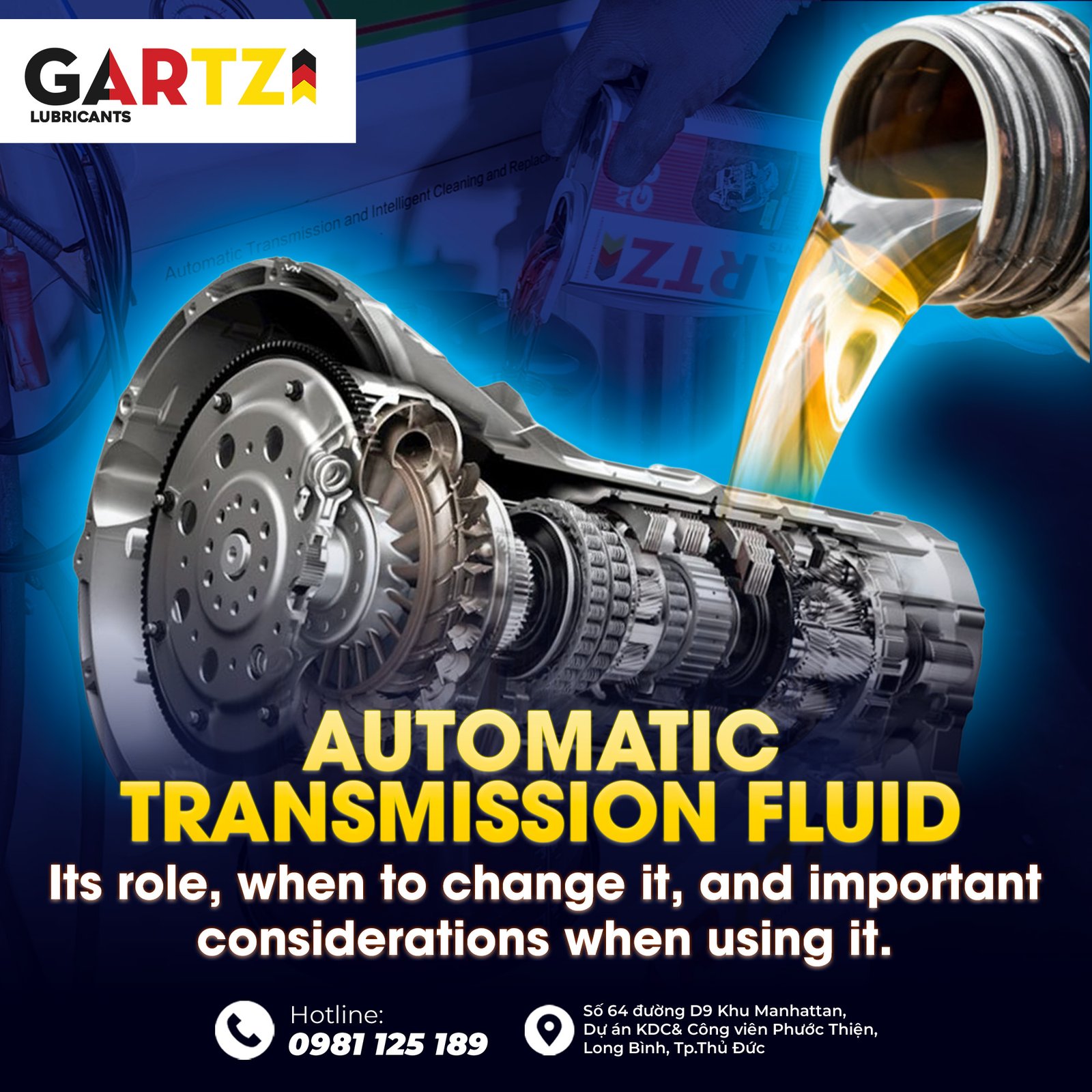
Many drivers in the United States depend on automatic transmissions every day. From city traffic to long highway trips, the transmission works constantly to change gears smoothly. The fluid inside this system plays a major role in keeping those parts safe.
Understanding How Transmission Fluid Protects Automatic Transmissions helps vehicle owners avoid costly repairs. In my experience studying automotive systems, many transmission failures begin with neglected fluid care. A simple fluid check can reveal problems before they become major damage.
Automatic transmission fluid is not just a lubricant. It is a specially designed fluid that manages heat, transfers power, protects metal parts, and helps the transmission respond correctly during every shift.
 display: block; margin: 0 auto; border-radius: 12px; box-shadow: 0 8px 25px rgba(0, 0, 0, 0.12);”>
What Automatic Transmission Fluid Does Inside a Transmission
Automatic transmission fluid, often called ATF, performs several important jobs at the same time. It moves through the transmission to protect gears, bearings, seals, clutches, and hydraulic components.
The answer to How Transmission Fluid Protects Automatic Transmissions starts with its ability to create a protective layer between moving parts. Without this layer, metal surfaces can rub together and create heat, wear, and damage.

- ✦ Lubrication
Transmission fluid reduces friction between moving parts and helps prevent premature wear.
- ✦ Hydraulic Control
ATF creates pressure that helps automatic transmissions engage gears smoothly.
- ✦ Cooling
Transmission fluid carries heat away from internal components to help prevent overheating.
Why Lubrication Matters for Transmission Life
Inside an automatic transmission, hundreds of parts move together at high speed. Gears, clutch packs, and bearings need constant protection to work correctly.
Fresh transmission fluid keeps surfaces separated and reduces friction. This helps prevent scratches, excessive heat, and internal damage that can lead to expensive repairs.
- ✦ Reduced Wear
A strong fluid film protects metal surfaces from direct contact.
How Transmission Fluid Controls Heat and Prevents Overheating
Heat is one of the biggest enemies of automatic transmissions. Stop-and-go traffic, towing, heavy loads, and hot weather can increase transmission temperatures.
How Transmission Fluid Protects Automatic Transmissions is closely connected to temperature control. The fluid absorbs heat from internal components and carries it away through the cooling system.
When fluid becomes old or contaminated, it loses its ability to manage heat. This can cause overheating, burned fluid smell, delayed shifting, and internal damage.

- ✦ Heat Transfer
ATF moves heat away from sensitive transmission parts.
- ✦ Temperature Stability
Quality fluid maintains performance across different driving conditions.
Signs of Transmission Fluid Heat Damage
Overheated transmission fluid often changes color and develops a burnt odor. Drivers may also notice rough shifts or slipping gears.
Checking fluid condition regularly can help identify heat problems before they damage the transmission.
- ✦ Burnt Smell
A strong burnt odor may indicate overheated fluid.
How Transmission Fluid Helps Automatic Transmissions Shift Smoothly
Automatic transmissions rely on hydraulic pressure to select gears. Transmission fluid moves through small passages and valves to control this process.
When the fluid level and condition are correct, gear changes feel smooth and predictable. When fluid becomes low or dirty, shifting problems can appear.
How Transmission Fluid Protects Automatic Transmissions includes maintaining the correct pressure needed for clutch engagement and gear control.

- ✦ Smooth Gear Engagement
Proper fluid pressure allows clutches and gears to engage correctly.
- ✦ Valve Body Protection
Clean fluid helps small hydraulic passages work without blockage.
Why Low Transmission Fluid Causes Problems
Low fluid levels reduce hydraulic pressure and limit lubrication. This can cause delayed engagement, slipping, or harsh shifting.
Finding leaks early and maintaining the correct fluid level helps protect the transmission from unnecessary stress.
- ✦ Leak Prevention
Regular inspections help find fluid leaks before serious damage occurs.
How Transmission Fluid Protects Internal Transmission Components
Automatic transmissions contain many precision parts that must work together. Transmission fluid protects these parts by reducing friction and carrying away harmful particles.
Modern ATF also contains additives that improve protection. These additives help control deposits, reduce corrosion, and maintain fluid performance over time.

- ✦ Clutch Protection
ATF helps clutch packs engage properly without excessive wear.
- ✦ Seal Protection
Transmission fluid helps seals stay flexible and reduce leaks.
- ✦ Corrosion Control
Additives help protect metal parts from rust and chemical damage.
Why Using the Correct Transmission Fluid Matters
Every automatic transmission requires a specific type of fluid. Using the wrong ATF can affect shifting, pressure control, and component protection.
Vehicle owners should always follow the manufacturer’s fluid specification listed in the owner’s manual.
- ✦ Correct Specification
The right fluid matches the transmission design and operating requirements.
How Regular Transmission Fluid Maintenance Improves Protection
Transmission fluid does not last forever. Over time, heat and friction break down its protective qualities.
Regular maintenance helps keep fluid clean and effective. The correct service interval depends on the vehicle model, driving conditions, and manufacturer recommendations.
How Transmission Fluid Protects Automatic Transmissions becomes easier to understand when drivers see fluid maintenance as preventive care rather than a repair expense.
- ✦ Fluid Inspection
Checking fluid level and condition helps identify early problems.
- ✦ Scheduled Service
Following manufacturer recommendations helps maintain transmission performance.
Driving Conditions That Stress Transmission Fluid
Some driving habits create more heat and stress than normal use. Towing, frequent short trips, and heavy traffic can shorten fluid life.
Drivers who face these conditions may need more frequent inspections to protect their automatic transmission.
- ✦ Heavy Loads
Extra weight increases transmission workload and heat.
