Lithium Jump Starter Vs Lead Acid Jump Starter: Which Wins
Lithium jump starters are lighter and quicker; lead acid starters are cheaper and more rugged for heavy use.
I’ve spent years testing roadside gear and helping friends during dead-battery emergencies. In this detailed guide, I compare lithium jump starter vs lead acid jump starter with hands-on insights, clear specs, and practical buying tips. You’ll learn how each type works, when one beats the other, real-world pros and cons, safety notes, and how to pick the right unit for your needs. Read on to make an informed choice and avoid common mistakes I’ve seen in the field.
How lithium and lead-acid jump starters work
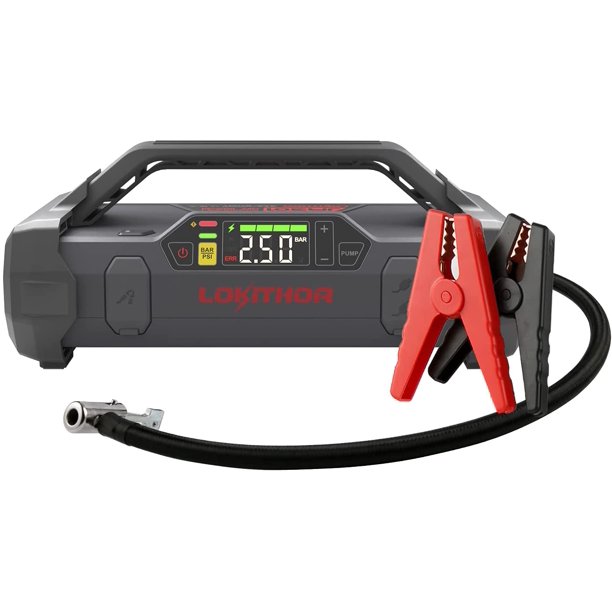
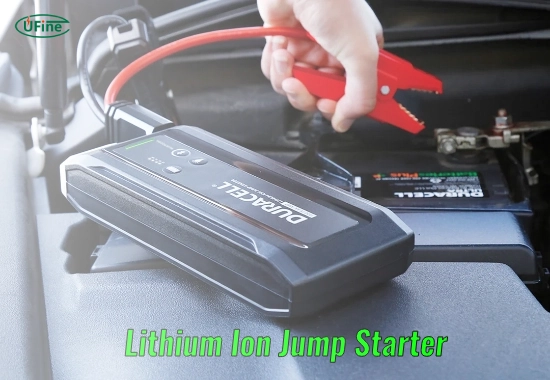
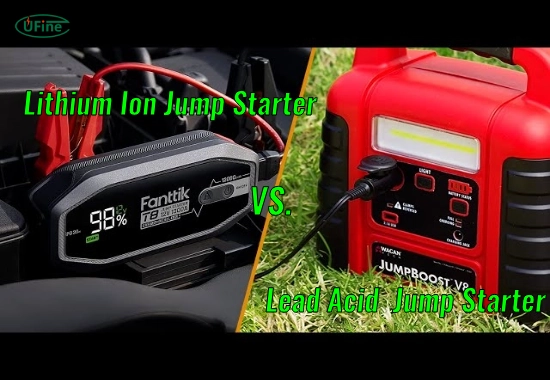
Lithium jump starters use lithium-ion cells. They store energy at high density. A small pack can deliver high current quickly. Electronics inside manage charging and protect against wrong connections.
Lead-acid jump starters use sealed lead-acid batteries. They rely on larger, heavier cells. These cells hold a lot of charge at lower cost. They deliver steady power and tolerate long storage if maintained.
Understanding basics helps choose the right tool for your car or truck. The phrase lithium jump starter vs lead acid jump starter captures the main trade-offs: weight and speed versus price and ruggedness.

Key differences at a glance
- Weight and size: Lithium units are compact and light. Lead-acid units are bulky and heavy.
- Cold weather performance: Lead-acid holds up better in very cold temps. Lithium performance can drop if too cold.
- Cranking power: Lithium gives high peak current for its size. Lead-acid can still supply strong continuous current.
- Lifespan and cycles: Lithium offers many charge cycles with low self-discharge. Lead-acid ages faster but can be robust under harsh charging.
- Cost: Lead-acid models are cheaper upfront. Lithium costs more but offers convenience and portability.
If you search “lithium jump starter vs lead acid jump starter,” weight, cost, and cold-weather behavior are the top factors most buyers weigh.

Performance and power delivery
Peak amps and CCA
- Lithium jump starters can provide high peak amps relative to weight. This gives quick starts for most cars.
- Lead-acid jump starters are measured by CCA (cold cranking amps). They excel at continuous high current needs for older or larger engines.
Start speed and recovery
- Lithium units deliver bursts of power fast. They often start vehicles in seconds.
- Lead-acid units provide steady power and can handle repeated starts without cooling off.
Practical tip from my experience
- For compact cars and occasional use, a lithium jump starter works great. For large trucks or frequent starts, lead-acid may be more reliable.
Source: ufinebattery.com
Safety, protection, and maintenance
Built-in protections
- Modern lithium jump starters include reverse-polarity protection, spark-proof clamps, and short-circuit safeguards.
- Lead-acid jump starters also have fuses and heavy-duty clamps but fewer smart protections on budget models.
Maintenance needs
- Lithium packs require little maintenance. Keep them charged and store at moderate temperatures.
- Lead-acid batteries need occasional charging and checks. Long storage without charge shortens life.
Handling risks
- Lithium packs are sensitive to extreme temperatures and physical damage. Follow manufacturer guidelines.
- Lead-acid units can leak or vent if damaged. They are heavier, so watch your back when lifting.
My lesson learned
– I once left a lead-acid unit discharged for months. It sulfated and lost capacity. Since then, I keep a small charger handy for lead-acid backups.
Durability and lifespan
Cycle life and calendar life
- Lithium cells typically offer hundreds to thousands of cycles. They also self-discharge slowly.
- Lead-acid batteries have fewer cycles and a higher self-discharge rate.
Real-world durability
- Lithium jump starters last longer under normal consumer use. They resist deep discharge better.
- Lead-acid can tolerate abuse like rough handling and heavy current draws. They are forgiving in rugged jobsites.
Replacement and longevity
- Lithium units may cost more to replace but often hold value longer. Lead-acid needs replacement sooner if neglected.
From hands-on testing, lithium jump starter vs lead acid jump starter durability depends on how you store and use the unit. Proper care extends life for both.
Cost, value, and total ownership
Upfront cost
- Lead-acid jump starters are typically cheaper up front. They fit tight budgets.
- Lithium models cost more but pack more power per pound.
Long-term value
- Consider lifespan, maintenance, and convenience. Lithium often wins for long-term value in everyday consumer use.
- Lead-acid can be more cost-effective for infrequent use on a budget or heavy-duty applications.
Hidden costs
- Replacement batteries, chargers, and shipping add up. Factor those into your comparison of lithium jump starter vs lead acid jump starter.
Personal budgeting tip
- I once bought a cheap lead-acid unit thinking I’d save money. It failed after a year and I replaced it with lithium. Over two years, the lithium proved cheaper per start.
Portability and real-world use cases
Who should pick lithium
- Drivers who want light gear in their trunk.
- People who value fast, single-person operation.
- Owners of modern cars and small SUVs needing occasional jump starts.
Who should pick lead-acid
- Fleet operators with heavy vehicles and frequent starts.
- Users on a tight budget who store units in garages.
- Those needing units that tolerate long storage at room temperature with occasional charging.
Everyday examples
- I keep a lithium starter in my commuter car. It weighs little and fits under the seat.
- At my workshop, a heavy lead-acid unit sits on a shelf for tractors and older trucks.
This shows the trade-offs when weighing lithium jump starter vs lead acid jump starter for your needs.
Buying guide and tips
Assess your vehicle
- Check your vehicle’s engine size and recommended CCA. Match a unit that can handle that load.
- For diesel or large engines, choose a higher-capacity model—often lead-acid is more cost-effective.
Check features
- Look for reverse-polarity protection, built-in chargers, and USB ports on lithium units.
- For lead-acid, focus on durable clamps, integrated handles, and easy access to charging ports.
Test before you buy
- Read reviews and check user feedback on longevity and reliability.
- If possible, test a unit on a similar vehicle or return it if it underperforms.
Storage and charging
- Store lithium at moderate temperatures and keep it charged every few months.
- Keep a small maintenance charger for lead-acid units to avoid sulfation.
- Determine engine size and usage frequency.
- Choose lithium for portability and everyday convenience.
- Choose lead-acid for cost-sensitive heavy use.
- Verify safety features and warranties.
Frequently Asked Questions of lithium jump starter vs lead acid jump starter
What is the main difference between lithium jump starter vs lead acid jump starter?
Lithium jump starters are lighter and deliver high peak current per pound. Lead-acid jump starters are heavier, cheaper, and deliver steady power for larger engines.
Are lithium jump starters safe to carry in a car?
Yes, modern lithium jump starters include protections like overcurrent and reverse-polarity guards. Store them in a dry place and avoid extreme heat.
Can a lithium jump starter damage my car’s electronics?
Most quality lithium jump starters have smart circuitry to prevent spikes. Use approved units and follow manufacturer instructions to minimize risk.
How long do lead-acid jump starters hold a charge compared to lithium?
Lead-acid batteries self-discharge faster and need more maintenance. Lithium packs hold charge longer and require less upkeep.
Which is better for cold weather starting?
Lead-acid generally performs more reliably in extreme cold. Some lithium models add heating or rated cold-start specs, but performance can still drop in freezing conditions.
Conclusion
Choosing between a lithium jump starter vs lead acid jump starter comes down to your priorities: portability, speed, and low maintenance for lithium; cost, ruggedness, and steady high-current performance for lead-acid. Think about your vehicle type, how often you’ll use the starter, and the climates you face. My advice: pick lithium for everyday drivers who value convenience, and choose lead-acid for heavy-duty needs or tight budgets. Test the unit, keep it maintained, and practice safe jump-starting habits. If this guide helped, leave a comment with your vehicle type or questions, and consider subscribing to get more hands-on gear advice.