Manual Vs Automatic For Beginners: Easy Car Guide
Manual is more engaging; automatic is easier and faster for most beginners to learn.
I’ve taught new drivers and swapped between stick and auto many times. This guide on manual vs automatic for beginners explains the real differences. I’ll show how each works, the pros and cons, and clear steps to choose and learn. Expect simple tips, honest mistakes I made, and practical advice you can use today.
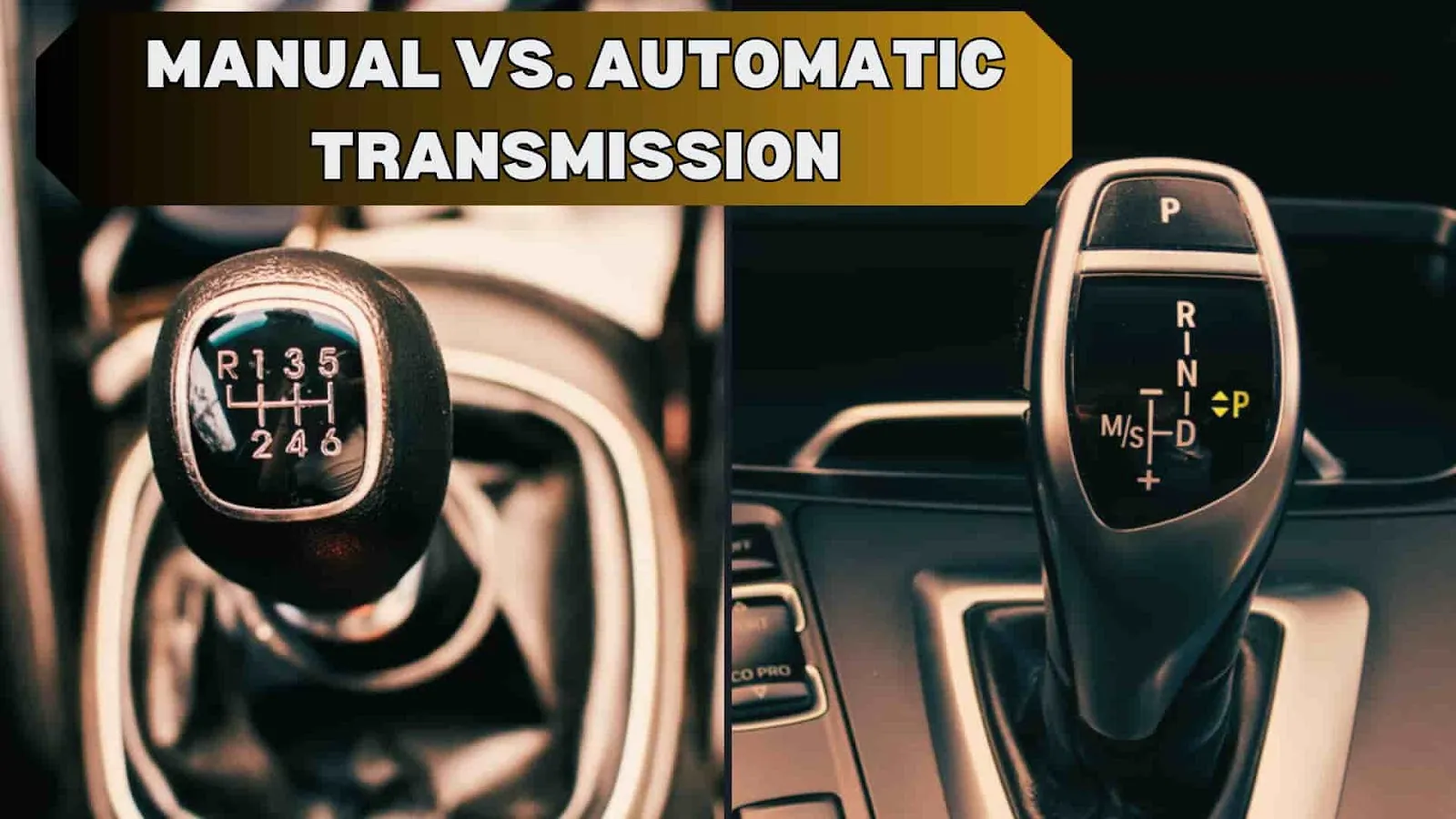
Understanding manual vs automatic for beginners
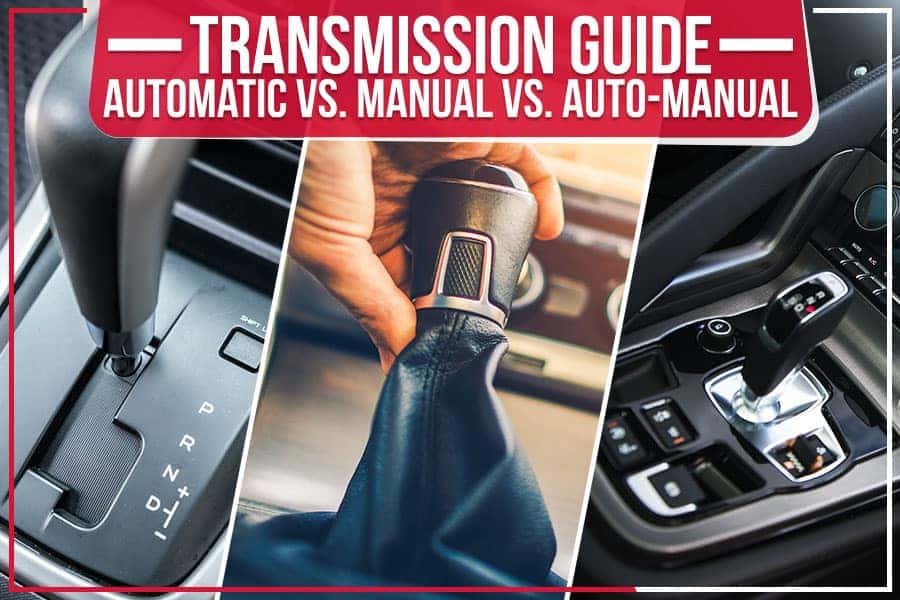
Manual vs automatic for beginners means choosing between two types of transmissions. A manual uses a clutch pedal and a gear lever. An automatic shifts gears for you. Beginners often wonder which is safer, easier, or better for learning.
Manual cars teach control. They force you to learn engine speed and feel. Automatic cars let you focus on traffic and steering. The right choice depends on your goals, local traffic, and patience to learn.
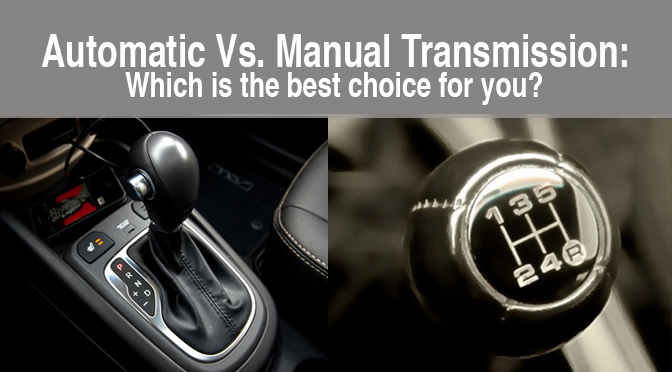
Pros and Cons: Manual vs Automatic for Beginners
Clear benefits help you decide. Below are pros and cons of manual vs automatic for beginners.
Pros of manual
- Better control of the car in hills and snow.
- Simpler mechanics make it cheaper to repair.
- Fun and engaging to drive once you learn.
Cons of manual
- Learning curve is steep for many first-timers.
- Stop-and-go traffic can be tiring.
- Stall risk can feel embarrassing at first.
Pros of automatic
- Easier to learn and less tiring in traffic.
- Safer for new drivers focused on road awareness.
- Smooth starts and fewer stalls.
Cons of automatic
- Costlier to buy and fix in some markets.
- Less direct control over gear selection.
- Can hide important driving skills beginners should learn.
When thinking about manual vs automatic for beginners, weigh daily use, costs, and your desire to learn a skill.
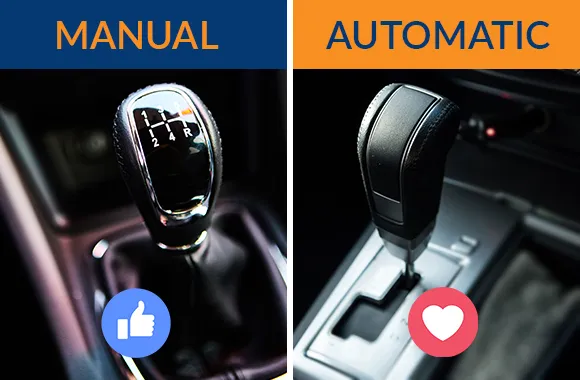
How to choose: Manual vs Automatic for Beginners
Make the choice using clear questions. Answer them honestly before buying or renting.
Ask yourself
- Will I drive in heavy traffic every day?
- Do I want to learn a skill or prefer convenience?
- Is resale or fuel cost important to me?
- Are driving tests different in my area for manual vs automatic?
If you drive in heavy city traffic, an automatic often makes sense. If you want more control or will drive in rural hills, a manual can be valuable. Also check local rules: some licenses limit you to automatic if you test in one.

Learning Tips for Beginners: Manual and Automatic
Practical steps make learning easier for manual vs automatic for beginners. Here’s a clear plan for each.
Learning an automatic
- Start in a quiet parking lot. Learn brake and gas feel.
- Practice smooth starts and stops.
- Learn to use drive, neutral, and park correctly.
Learning a manual
- First session: learn the clutch bite point while car is off or engine idling.
- Practice first gear starts on flat ground.
- Add hills only after smooth flat starts feel normal.
- Use short sessions to avoid frustration.
Common tips for both
- Keep sessions short and calm.
- Ask an experienced driver to supervise.
- Learn traffic rules and defensive driving at the same time.
I learned manual in short, repeated sessions. Early stalls felt awful, but patience paid off. That steady practice translated to better car control even when I drove automatics later.

Cost, Maintenance, and Long-Term Considerations
Costs shape many decisions in the manual vs automatic for beginners debate. Compare short-term and long-term costs.
Buying and fuel
- Manual cars can be cheaper to buy in some markets.
- Some manuals get slightly better fuel economy in real use.
- Modern automatics can match fuel economy thanks to tech advances.
Maintenance
- Manual transmissions are often simpler to fix.
- Clutch replacement can be expensive after many miles.
- Automatic repairs can be pricier but less frequent.
Resale and insurance
- Resale value depends on region and demand.
- Insurance may differ by model, not just transmission.
Think long term. If you plan to keep the car many years, pick the transmission that fits your driving life and local costs.

Personal Experience: My Journey with Manual and Automatic
I learned manual in my early twenties. My first car stalled a lot. I felt nervous on hills. I kept practicing in empty lots. After a week, starts were smooth. That confidence helped me pass my test.
Later, I drove an automatic for years in a busy city. It felt relaxing. I was less tired after long drives. Yet, my manual skills made me a better driver. I could handle hills and towing with ease.
Lessons I learned
- Short, regular practice beats long rare sessions.
- Learning manual first builds strong habits.
- Automatics reduce stress in dense traffic.
If you want my honest tip: learn at least the basics of manual. It makes you a safer, more aware driver even if you choose an automatic.
Frequently Asked Questions of manual vs automatic for beginners
Is it harder to learn manual or automatic?
Manual is harder at first because you must coordinate clutch and gear shifts. Automatic focuses on steering and traffic, making initial learning easier.
Will learning manual make me a better driver?
Yes. Manual driving teaches throttle control and gear awareness, which can improve overall driving skills and vehicle feel.
Can I take my driving test in an automatic and drive a manual later?
If you passed the test in an automatic, some regions restrict you to automatics. Check local licensing rules before relying on that path.
Which is cheaper to maintain, manual or automatic?
Manual transmissions are often simpler and cheaper, but clutch replacement can be costly. Automatic repairs can be pricier but may be less frequent.
Should a beginner buy a manual to learn or rent an automatic?
If you want convenience and less stress, rent or buy an automatic. If you want long-term control and lower purchase cost, consider learning manual.
Will an automatic make me lazy as a driver?
No. An automatic reduces mechanical tasks, but safe driving still requires focus and good habits. You must practice defensive driving regardless of transmission.
Conclusion
Choosing between manual vs automatic for beginners comes down to goals, daily driving, and patience to learn. Manuals teach control and give a deeper feel for the car. Automatics offer ease, comfort, and less stress in traffic. Try short practice sessions, be honest about your needs, and pick the option that helps you stay safe and confident on the road.
Takeaway: if you want skill and control, learn manual; if you want ease and lower daily stress, choose automatic. Try both if you can, and share your experience or questions below.