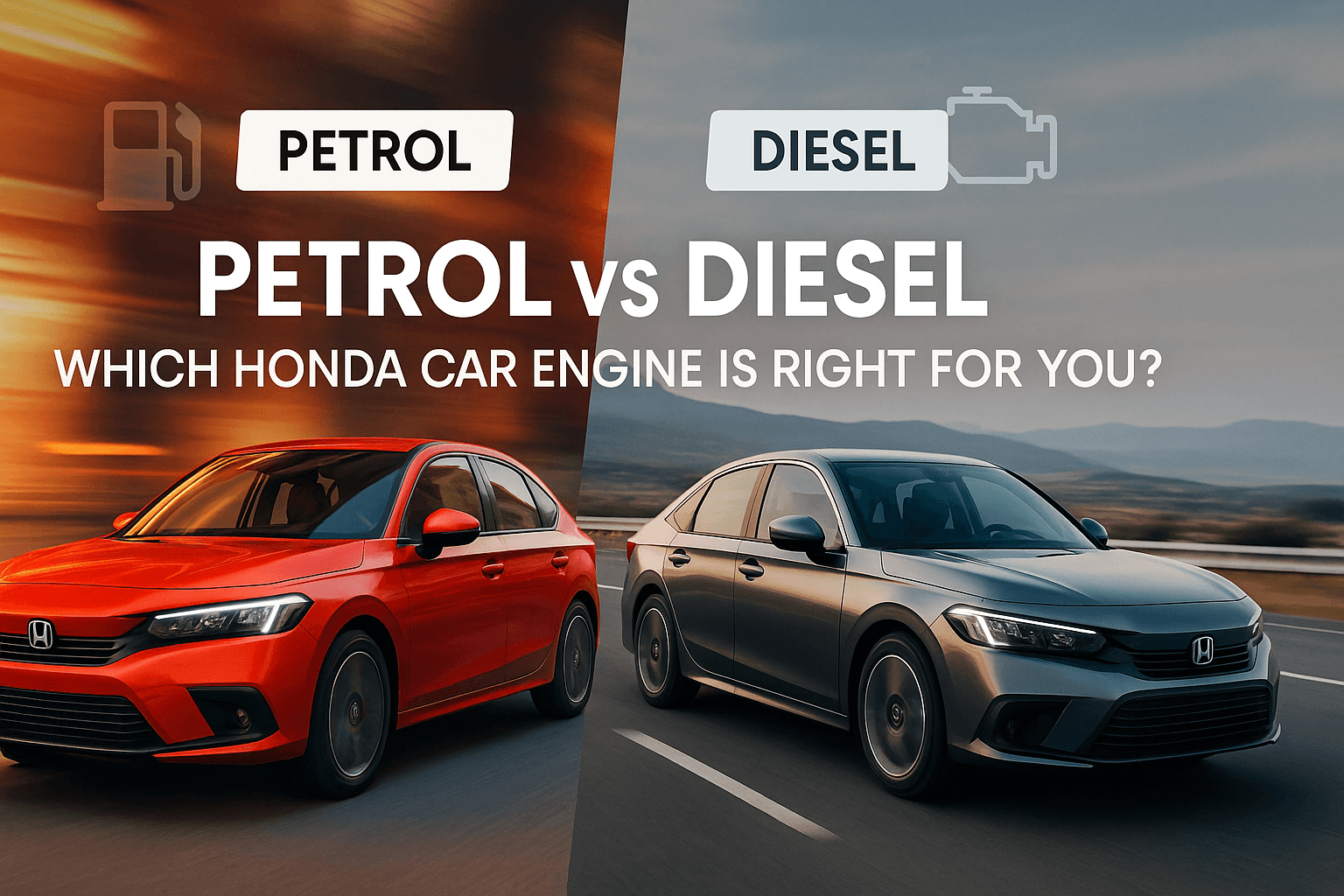
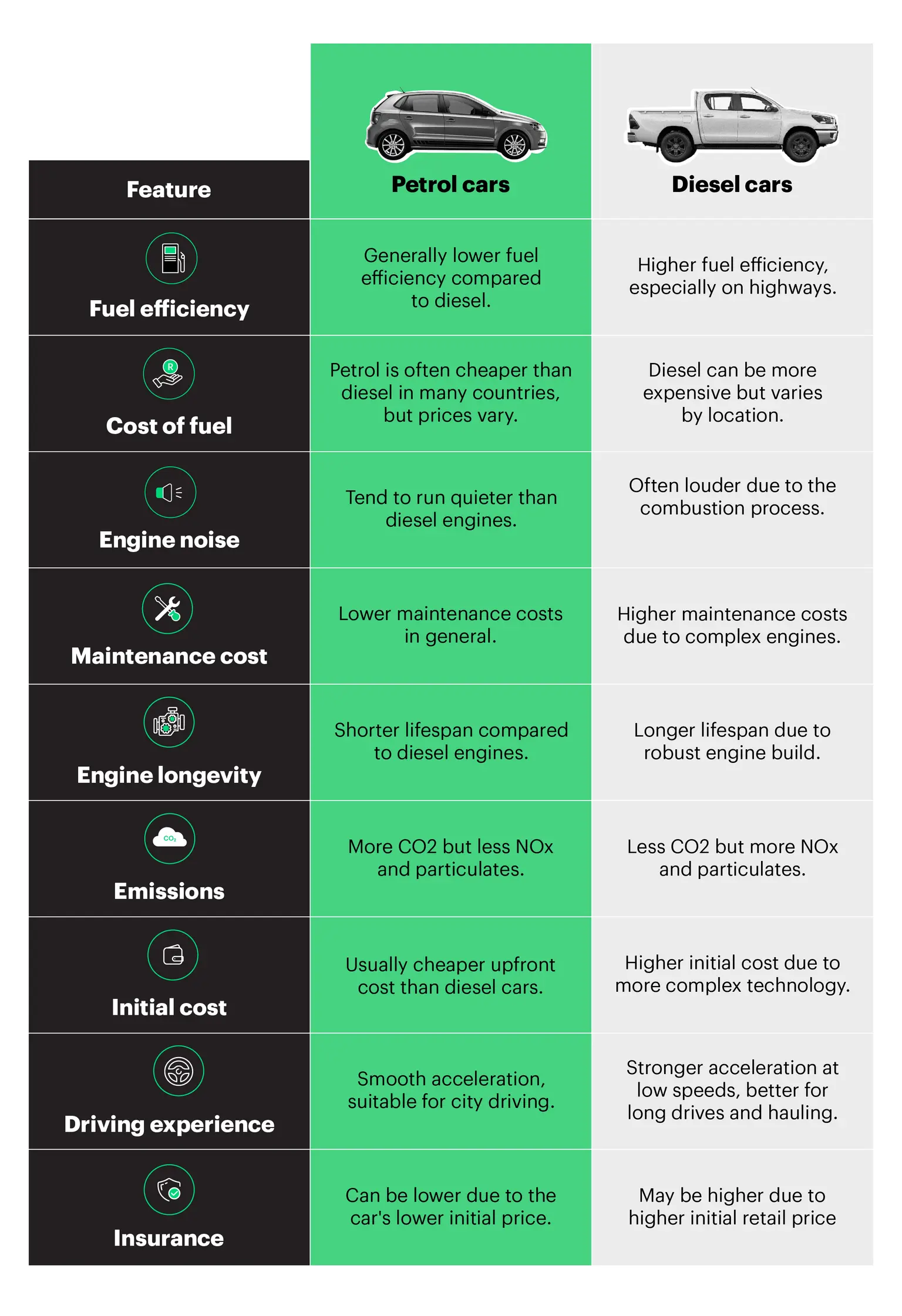
Petrol cars are quieter and cheaper up front; diesel cars give more torque and better fuel economy.
I have spent years buying, testing, and fixing cars, so I know the petrol vs diesel car difference inside out. Read on for a clear, practical guide that covers engines, costs, performance, and real-life tips to help you pick the right car for your needs.
Key technical differences between petrol and diesel engines
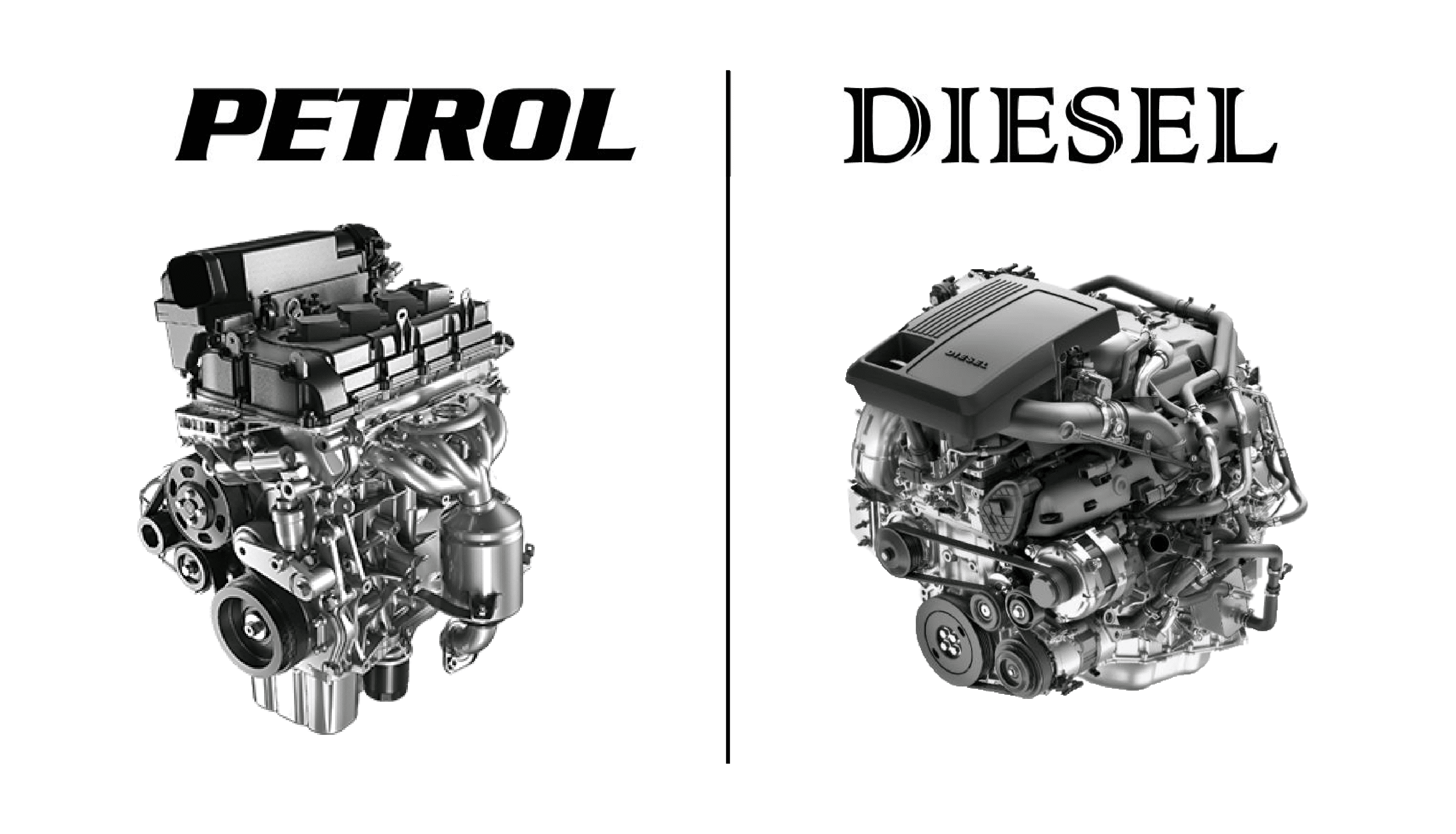
Petrol and diesel engines use two different ways to make power, and that shapes the petrol vs diesel car difference. Petrol engines mix air and fuel then use a spark to ignite the mix. Diesel engines compress air until it gets hot and then spray fuel, so no spark is needed.
These core differences give diesel engines more torque at low revs and higher thermal efficiency. Petrol engines usually rev higher, feel smoother, and run quieter. The petrol vs diesel car difference in how power is made also affects fuel use, emissions, and maintenance.

Fuel efficiency and running cost comparison
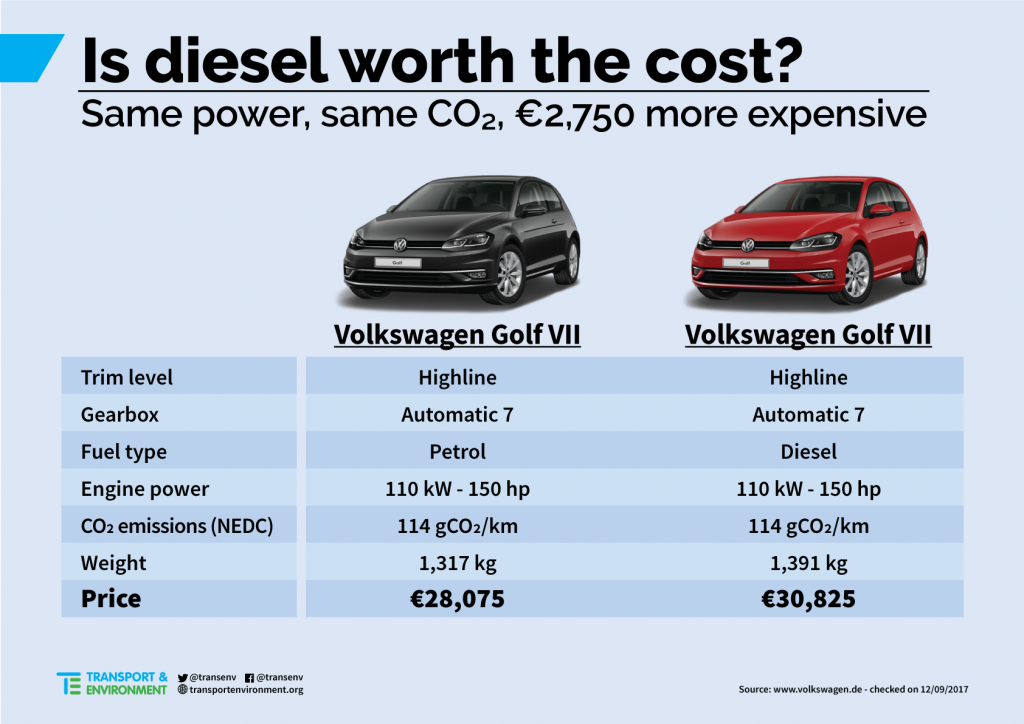
Fuel efficiency is a major part of the petrol vs diesel car difference. Diesel fuel has more energy per liter, and diesel engines extract energy more efficiently. That often translates to 20–30% better real-world economy for diesel cars on long drives.
Fuel price, taxes, and driving pattern change the cost picture. If you drive many miles each week, the diesel fuel economy often pays off. If you only drive short trips or low annual miles, petrol cars can be cheaper to run overall. The break-even point varies by model, local fuel prices, and tax rules, so check numbers for your area.
Performance and driving feel
Performance makes the petrol vs diesel car difference very visible when you drive. Diesel cars deliver strong low-end torque, so towing or city stop-start work feels easier. Petrol cars feel more eager at high revs and often feel lighter and more responsive on twisty roads.
If you value smooth, quiet shifts and quick throttle response, petrol may be better. If you want steady pull and low-rev muscle for hills or trailers, diesel is a clear pick. Test drive both to feel the difference for your drive style.
Emissions and environmental impact
Emissions are central to the petrol vs diesel car difference today. Modern diesel engines are more fuel efficient and can emit less CO2 per mile than petrol engines. However, older diesel engines often produce higher NOx and particulate matter, which affect air quality.
New exhaust tech like particulate filters and urea-based systems cut diesel pollution a lot. Still, local rules and clean-air zones favor petrol or electric cars in some cities. Balance CO2, NOx, and real-world use when judging environmental impact.

Maintenance, reliability, and service costs
Maintenance makes a big practical part of the petrol vs diesel car difference over time. Diesel engines can be very durable and often last longer if well serviced. But they may need pricier repairs for fuel injection systems, turbochargers, and emission controls.
Petrol cars tend to have lower service costs and simpler parts. Regular oil changes, air filter swaps, and spark plugs are cheap and easy. For diesel cars, watch fuel quality, let the engine warm up, and follow service intervals to avoid expensive repairs.
Buying guide: which option suits your needs?
Choosing between petrol and diesel is about miles, use, and budget. Use this quick checklist to evaluate the petrol vs diesel car difference for you.
- Drive pattern: Pick diesel for long highway miles; choose petrol for short trips and city use.
- Budget: Pick petrol if you want lower purchase and routine service costs.
- Towing and load: Pick diesel for heavy towing and steep terrain.
- Local rules: Check low-emission zone rules and taxes before you buy.
- Resale and demand: Consider which fuel type sells better in your area.
I once bought a diesel SUV for frequent long trips and saved fuel costs within two years. I also had a petrol hatch that cost less to run in the city. These hands-on lessons show how the petrol vs diesel car difference plays out in real life.
Resale value and taxes
Resale value is a strong factor in the petrol vs diesel car difference. Market demand, age, and emission rules shape resale prices. In some places, diesel cars keep value better thanks to fuel economy and towing appeal.
In other markets, diesel demand drops fast due to stricter city rules and buyers shifting to petrol or hybrid cars. Always check local tax bands, congestion charges, and resale trends before you buy.
Practical tips for owners
Simple steps can cut cost and risk related to the petrol vs diesel car difference. Follow these hands-on tips from my garage work.
- Warm the engine: Let diesel cars idle briefly in cold weather to protect the turbo and filters.
- Use quality fuel: Low-grade diesel can damage injectors and filters.
- Short trips: Avoid many short trips with diesel cars; they can clog particulate filters.
- Service on time: Keep to the service plan to extend engine life and keep warranty valid.
- Check emissions gear: Know if the car has a particulate filter or AdBlue tank and how to service them.
These tips helped me keep engines healthy and avoid big bills. They work for both petrol and diesel owners when applied regularly.
Future trends and what buyers should expect
The petrol vs diesel car difference is changing fast as automakers shift toward hybrids and electric cars. Stricter emission standards and city rules make diesel less attractive in some regions. Petrol cars may stay common for years, but hybrids and EVs are growing fast.
For buyers, that means ask about long-term rules, resale trends, and fuel tech updates. If you plan to keep a car for many years, weigh future running costs and access to low-emission areas.
Frequently Asked Questions of petrol vs diesel car difference
What is the main technical difference between petrol and diesel engines?
Petrol engines use spark plugs to ignite an air-fuel mix, while diesel engines ignite fuel by compressing air. That gives diesel engines more torque and higher efficiency at low revs.
Are diesel cars more fuel efficient than petrol cars?
Yes, diesel engines are typically more fuel efficient and give better miles per gallon on long trips. Real-world savings depend on driving habits and local fuel price differences.
Do diesel cars produce more pollution than petrol cars?
Older diesel cars often produce more NOx and particulates, but modern diesels with filters and urea systems cut these emissions substantially. Petrol engines tend to emit less NOx but can give higher CO2 per liter burned.
Which is cheaper to maintain, petrol or diesel?
Petrol cars generally have lower routine service costs and cheaper parts for basic upkeep. Diesel cars can be more durable but may need costlier repairs on fuel systems and emission gear.
Is diesel better for towing and heavy use?
Yes, diesel cars offer stronger low-end torque, which helps with towing and heavy loads. For regular towing or hilly terrain, diesel often feels more capable and less strained.
Can I switch my driving style to favor petrol or diesel?
You can adapt your driving. To get the best from diesel, drive longer trips at steady speed to keep filters clean. For petrol, avoid lugging the engine and use higher revs when needed to stay efficient.
Conclusion
Petrol and diesel cars both have clear strengths and clear trade-offs. Petrol cars win on initial cost, smoothness, and lower routine service bills, while diesel cars win on fuel economy, low-end torque, and long-haul efficiency. Match your choice to your daily miles, towing needs, local rules, and budget to make the most informed pick.
Take a short test drive of both types. Calculate fuel and tax costs for your expected miles. If you learned something here, share your thoughts or ask a question below to get tailored help.