Resale Value Sedan Vs Suv: Which Keeps Value Better?
SUVs generally retain value better than sedans, but exact resale outcomes depend on model and care.
I’ve studied vehicle markets and helped friends sell cars for years, so I know what moves prices. This article breaks down resale value sedan vs suv with clear facts, real examples, and hands-on tips. Read on to learn which body type holds value for different buyers, how to spot long-lasting models, and what you can do to protect your car’s future worth.
How resale value sedan vs suv differs
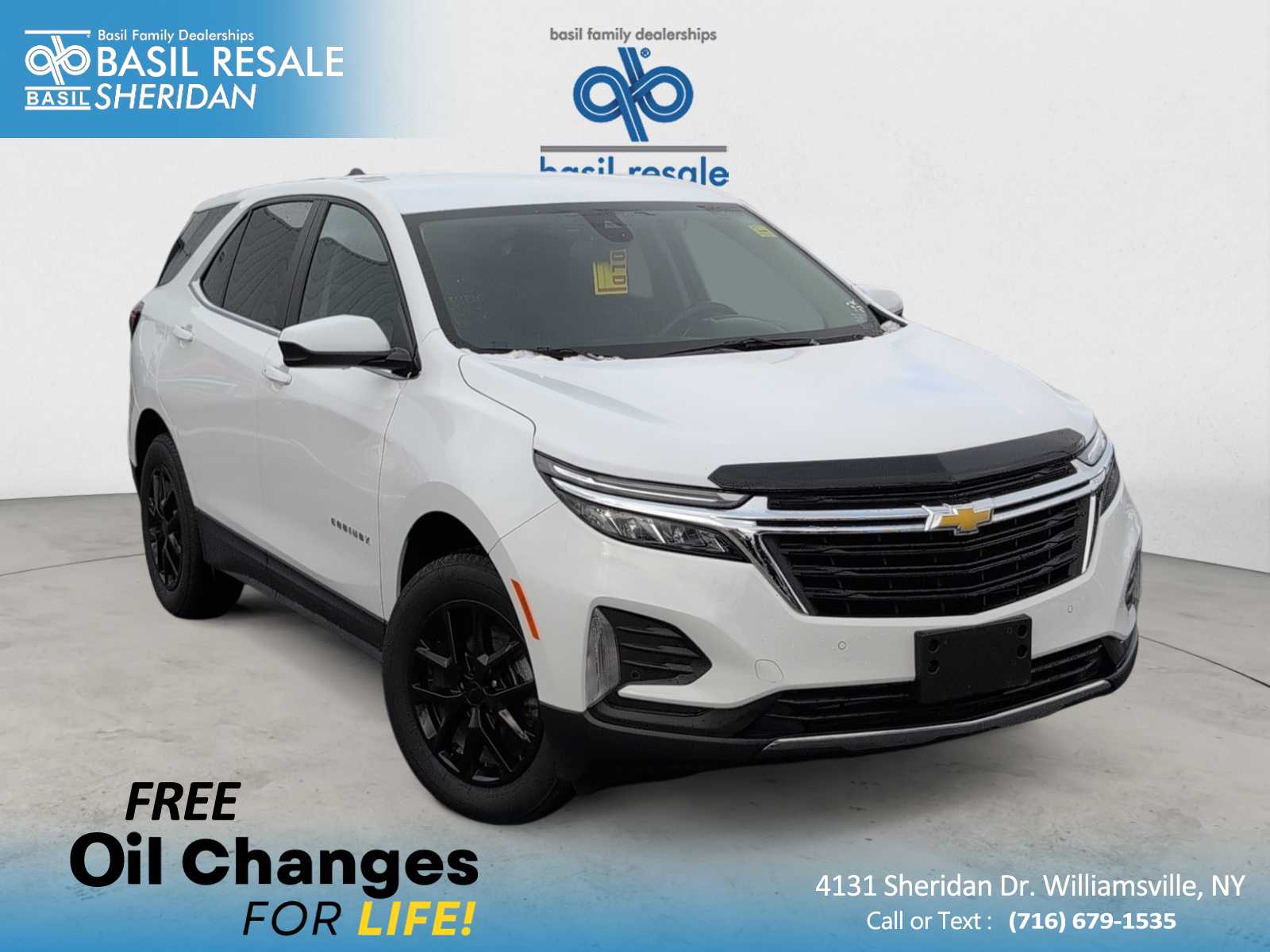
Demand shifts are the main reason resale value sedan vs suv varies. Buyers in recent years have preferred SUVs. That trend raises used prices for many compact and mid-size SUVs. Sedans, by contrast, face weaker demand in the mainstream market. Lower demand typically means faster depreciation and smaller resale prices.
Supply and consumer tastes also matter to resale value sedan vs suv. If fuel costs rise, some shoppers move back to smaller sedans or hybrids, briefly boosting sedan resale. Local markets change too. Urban buyers may prefer compact sedans for parking and fuel costs. Rural buyers often choose SUVs. Both trends shape resale value sedan vs suv.

Key factors that shape resale value sedan vs suv
Several clear factors control resale value sedan vs suv. Each factor matters more for one body type in some cases.
- Brand reputation and model history: Brands known for reliability keep value. Toyotas and Hondas often hold value whether sedan or SUV.
- Mileage and condition: Lower miles and no damage improve price. This is true for sedan and SUV.
- Fuel economy: When gas prices rise, efficient sedans can gain relative value. Efficient SUVs and crossovers also do well.
- Vehicle size and body style: Larger SUVs can command higher resale in markets that value towing or space. Full-size sedans may lose appeal in many places.
- Technology and options: Popular safety and convenience features improve resale. Adaptive cruise and driver assist systems can help both sedans and SUVs.
- Market trends and seasonality: Convertibles and sports cars swing with seasons. For resale value sedan vs suv, SUVs often peak in winter months or when families shop.
Data and trends: what the market shows
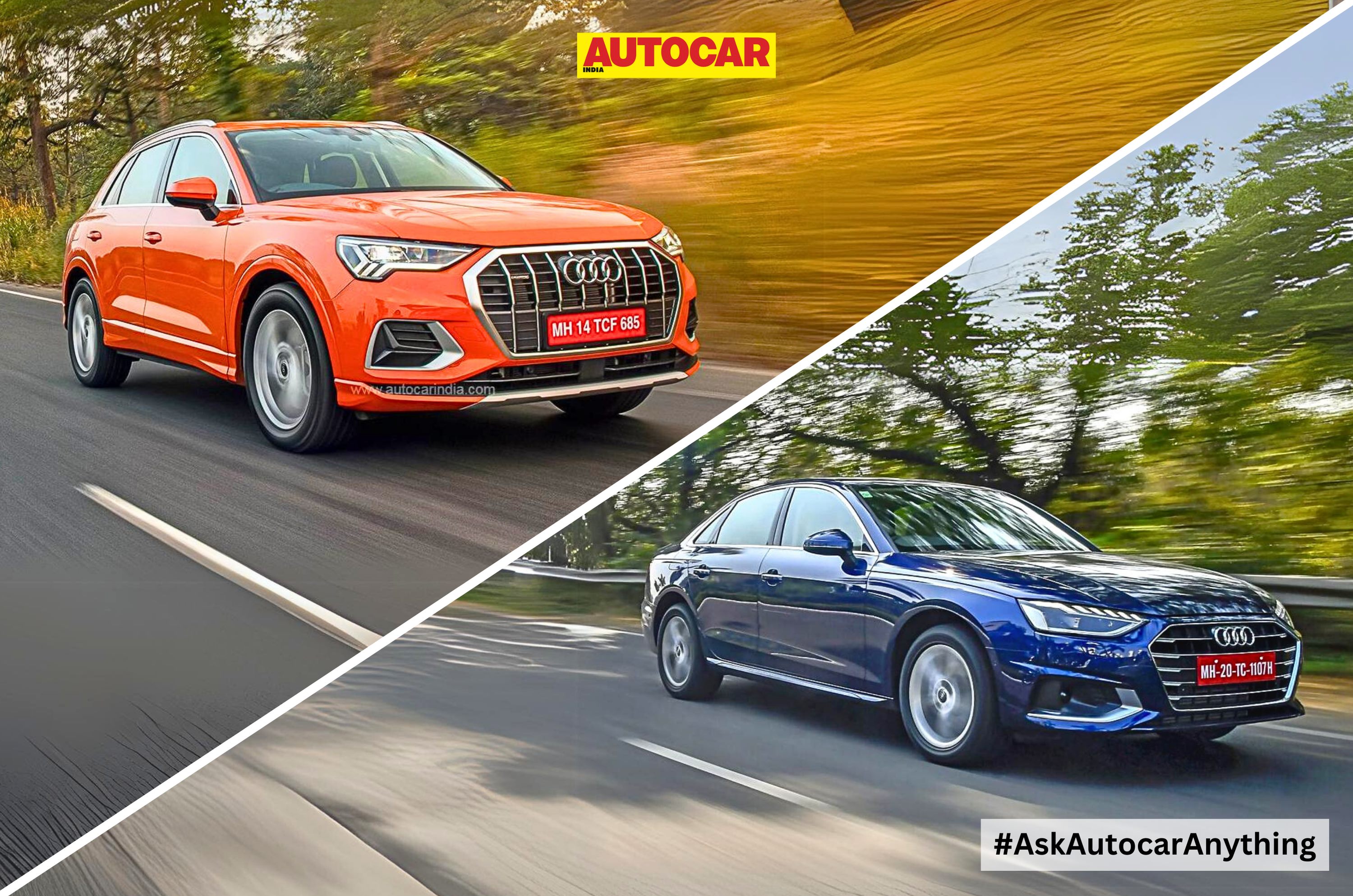
Industry data and trade sales show patterns you can trust when thinking about resale value sedan vs suv. Used prices for many compact and mid-size SUVs have outpaced comparable sedans in the last decade. Luxury sedans can retain value well, but even they face pressure from shifting buyer tastes toward luxury SUVs and crossovers.
Depreciation speed varies by model. Some sedans drop steeply because of oversupply or poor reputation. Some SUVs keep most of their value because demand is strong and supply is controlled. When comparing resale value sedan vs suv, always look at the specific model, model year, and regional demand.
Real-world examples and personal experience
I sold a mid-size sedan and a compact SUV within a two-year span. The SUV sold faster and close to my asking price. The sedan took longer and required price cuts. From that sale I learned a few things:
- Keep service records: Buyers paid more for the vehicle with a complete history.
- Be honest about damage: Small repair investments often returned more than the repair cost.
- Market at the right time: Selling an SUV in a family-buying season got more interest.
These small steps directly affect resale value sedan vs suv. My hands-on experience matches the market patterns I describe here.
Practical tips to maximize resale value for either body type
Whether you own a sedan or an SUV, certain steps raise resale value sedan vs suv. Use these proven tips to keep value high.
- Maintain service records and do regular maintenance to prove care.
- Fix small cosmetic issues; a clean car sells faster and for more.
- Control mileage; plan trips and consider rideshare for high-mileage periods.
- Choose durable, popular colors and simple trim levels when possible.
- Keep tires and brakes in good shape; these are visible signs of care.
- Consider certified pre-owned programs when buying; they track history and support resale later.

Buying strategy: choose for resale value
If resale value sedan vs suv is a top concern, use a buying plan that reduces risk.
- Research model resale history: Look for models with consistent high resale.
- Prefer well-known reliable brands: They have steady demand in used markets.
- Avoid obscure trims with limited demand: Hard-to-sell models can hurt future resale.
- Factor total cost of ownership: Insurance, maintenance, and fuel affect net resale gains.
- Consider market timing: Buying an SUV when demand dips can deliver a bargain with strong long-term resale.

How to evaluate a specific car’s future resale value
Use a short checklist to roughly estimate resale value sedan vs suv for any car you’re considering.
- Does the model have a strong reliability record?
- Are parts and service broadly available in your area?
- Is the vehicle fuel efficient for its class?
- Does the local market favor size and style of this car?
- Can you commit to low miles and good upkeep?
Answering yes to most of these improves the odds of a strong resale outcome.
Trade-offs: why a sedan might still make sense
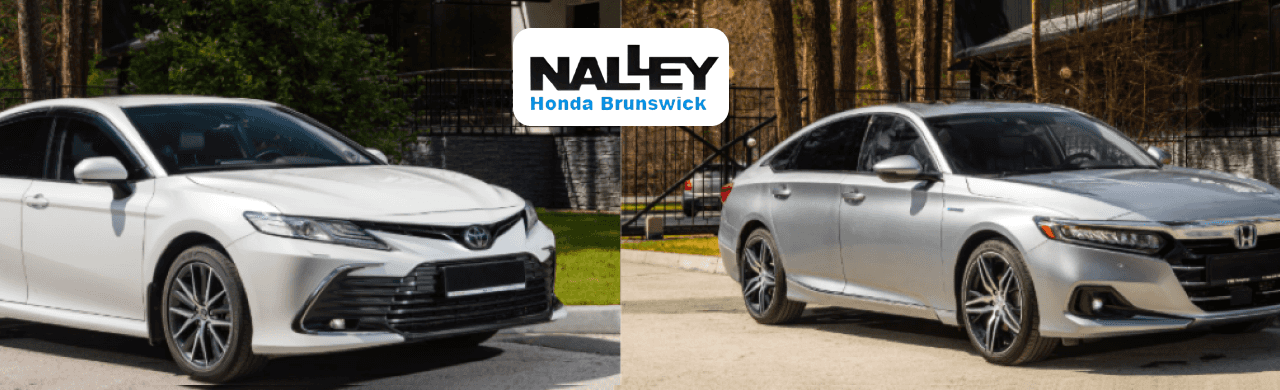
Sedans can win on resale value sedan vs suv in some cases. They may offer:
- Better fuel economy for city drivers, which can attract buyers during fuel hikes.
- Lower insurance and ownership costs for some models.
- Easier parking and lower maintenance costs in dense urban areas.
For an owner who drives lightly and values efficiency, a sedan can hold value well relative to the owner’s needs.
When an SUV is the smarter long-term choice
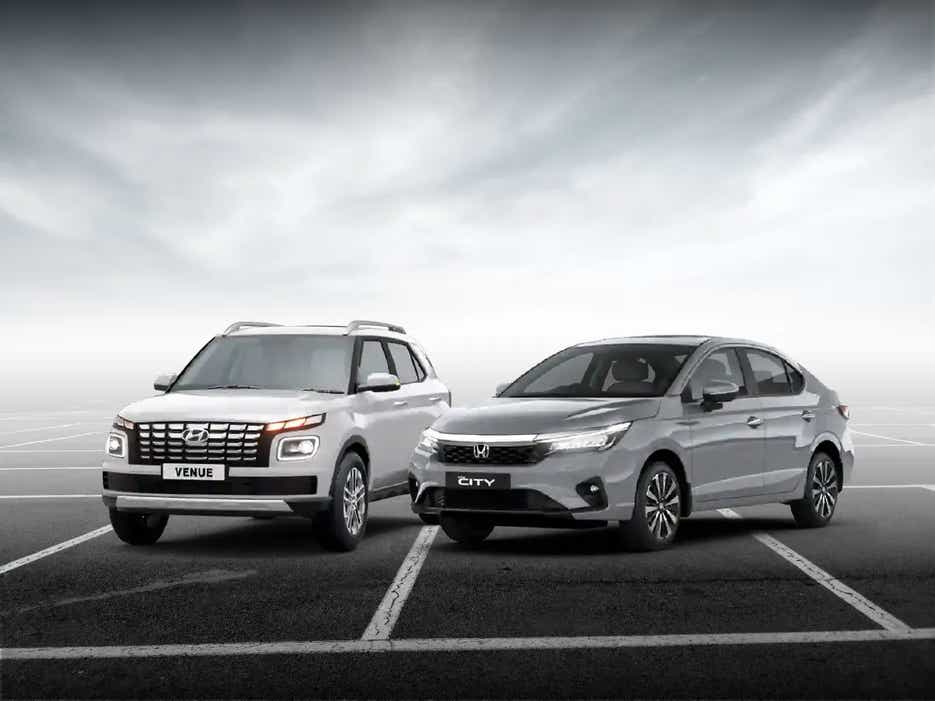
SUVs normally lead the field for resale value sedan vs suv when buyers need space or capability. Benefits include:
- Higher market demand for family and outdoor use.
- Perception of safety and visibility that many buyers value.
- Versatility that keeps the vehicle useful across life stages.
If you need cargo room, seating, or towing, an SUV often keeps value better than a comparable sedan.
Frequently Asked Questions of resale value sedan vs suv
Does an SUV always hold value better than a sedan?
Not always. Many SUVs do hold value better, but it depends on model, brand, and regional demand. Some sedans with strong reputations can outperform weak SUVs.
How much does fuel price affect resale value sedan vs suv?
Fuel prices affect buyer choice and can shift demand quickly. When gas costs rise, fuel-efficient sedans and small crossovers may gain relative value.
Are certain brands better for resale regardless of body type?
Yes. Brands known for reliability and low ownership costs often keep value. Brand matters more than body type in many cases.
Can maintenance really change resale value sedan vs suv?
Yes. Full service records, timely repairs, and care significantly boost resale value. Buyers pay more for a well-documented history.
Should I choose an SUV if I plan to keep the car for many years?
If you need space or versatility, choose an SUV. Long-term ownership reduces the impact of initial depreciation, so pick the type that fits your life.
Conclusion
When comparing resale value sedan vs suv, the best choice depends on model, market, and how you use the vehicle. SUVs tend to hold value better in many U.S. markets, but reliable sedans still win in cities or when fuel costs rise. Focus on brand reputation, upkeep, and local demand to protect resale. Start by tracking service, keeping miles reasonable, and choosing models with strong resale histories. Take this practical advice, apply it when you buy or sell, and you’ll make smarter, more profitable decisions.
[Call to action] Tell me which car you’re thinking about selling or buying, and I’ll help assess its likely resale value and give tailored tips.