
Roadside Emergency Kit Essentials: Must-Have Items 2026
A basic roadside emergency kit essentials: jumper cables, tire tools, first aid, water, flashlight.
I’ve spent years driving long routes and helping friends at the side of the road, so I know exactly what works. This guide covers roadside emergency kit essentials in clear, practical detail — what to pack, how to use each item, how to store and maintain your kit, and real-life tips from my experience. Read on to build a reliable roadside emergency kit essentials list that can save time, stress, and possibly lives.
Why a roadside emergency kit matters
A good roadside emergency kit essentials set gives you confidence when a breakdown happens. Cars fail at the worst times. Having the right kit cuts downtime and keeps you safe.
I once pulled over with a blown tire on a rainy night. The right tools and a bright flashlight made a stressful hour fast and safe. That experience taught me to keep my roadside emergency kit essentials visible and well-organized.
Roadside emergency kit essentials are not just for long trips. They help during short commutes, bad weather, and unexpected delays. Build a kit that matches your vehicle, routes, and family needs.
Core roadside emergency kit essentials to pack
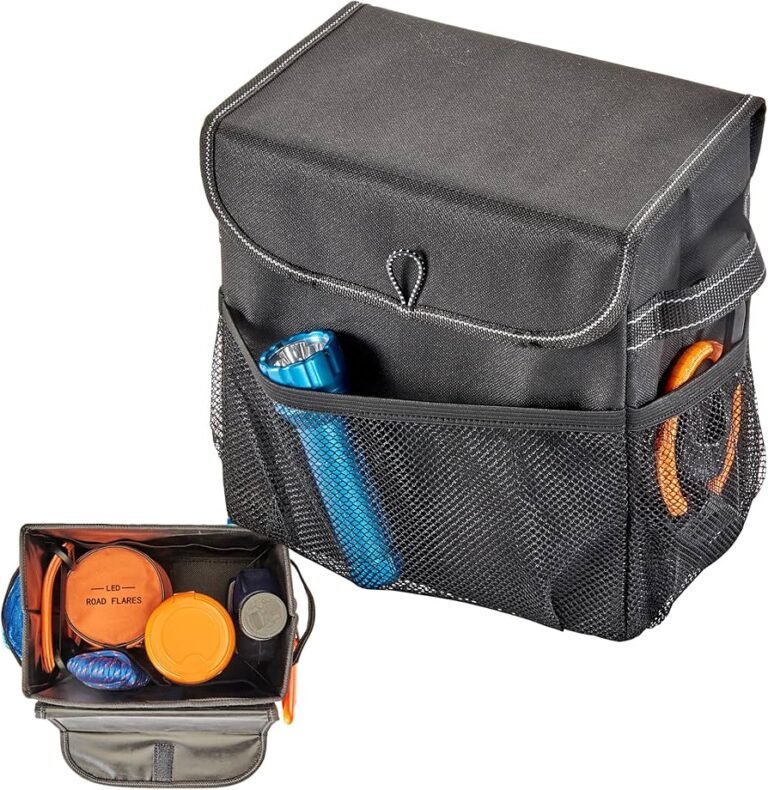
Below are the must-have roadside emergency kit essentials I recommend. Keep them in a durable container, organized and easy to reach.
- Jumper cables or a jump starter
- Jumper cables can revive a dead battery. A compact jump starter works when no one is around.
- Tire repair and changing tools
- Lug wrench, jack, tire pressure gauge, and a spare tire or tire plug kit are essential.
- First aid kit
- Bandages, antiseptic wipes, gauze, adhesive tape, pain relievers, and any personal meds.
- Flashlight and extra batteries
- A bright, hands-free light helps with nighttime repairs and signaling.
- Reflective warning triangle and high-visibility vest
- These items alert other drivers and keep you visible while you work.
- Multipurpose tool and gloves
- A tool with pliers, knife, and screwdrivers helps with small repairs. Work gloves protect your hands.
- Water and nonperishable snacks
- Store bottled water and energy bars for long waits or heat exposure.
- Duct tape, zip ties, and a tow rope or strap
- These quick fixes can hold parts temporarily or allow a tow to a safe spot.
- Phone charger and power bank
- Keep a charger compatible with your phone and a charged power bank.
- Fire extinguisher and escape tool
- A compact car fire extinguisher and a seatbelt cutter/window breaker add safety.
- Blankets and extra clothing
- Warmth is critical if you’re stranded in cold weather.
- Copies of important documents
- Insurance card, registration, and emergency contact info in a waterproof bag.
These roadside emergency kit essentials cover most roadside problems. Adjust quantities and items for families, pets, or specialized trips.

How to use each item safely and effectively
Knowing what to pack is one thing. Knowing how to use those roadside emergency kit essentials is another. Here are practical steps.
- Using jumper cables or a jump starter
- Park close but not touching. Follow steps for cable connections or the jump starter manual. Wear eye protection.
- Changing a tire
- Apply the parking brake, use wheel chocks, loosen lug nuts before jacking up the car, then remove the lug nuts and swap the tire.
- Administering basic first aid
- Stop bleeding with pressure, clean small wounds, and seek medical help for serious injuries.
- Setting up warning devices
- Place a triangle or flares at least 10 feet behind your vehicle in urban areas and further back on highways.
- Using a fire extinguisher
- Aim at the base of flames and sweep side-to-side. Evacuate if the fire grows or you feel unsafe.
Practice these skills in a safe place before you need them. Simple drills turn nervousness into competence when using roadside emergency kit essentials.

Maintenance and storage tips
A neglected kit is useless. Keep your roadside emergency kit essentials ready with these habits.
- Check items monthly
- Replace expired medicines, batteries, and perishable food.
- Keep the kit dry and secure
- Use a waterproof bag or hard plastic box. Store in the trunk where it won’t shift.
- Recharge power banks and jump starters
- Cycle them every few months so they hold charge when needed.
- Rotate clothing and blankets seasonally
- Swap lighter items for heavier ones in winter and keep water from freezing with insulated containers.
- Make an inventory list
- Tape a checklist to the inside of the kit lid and tick off replaced items.
From my experience, a quick monthly glance prevents 90% of kit failures. Treat your roadside emergency kit essentials like any vital safety gear.
Packing variations for different vehicles and seasons
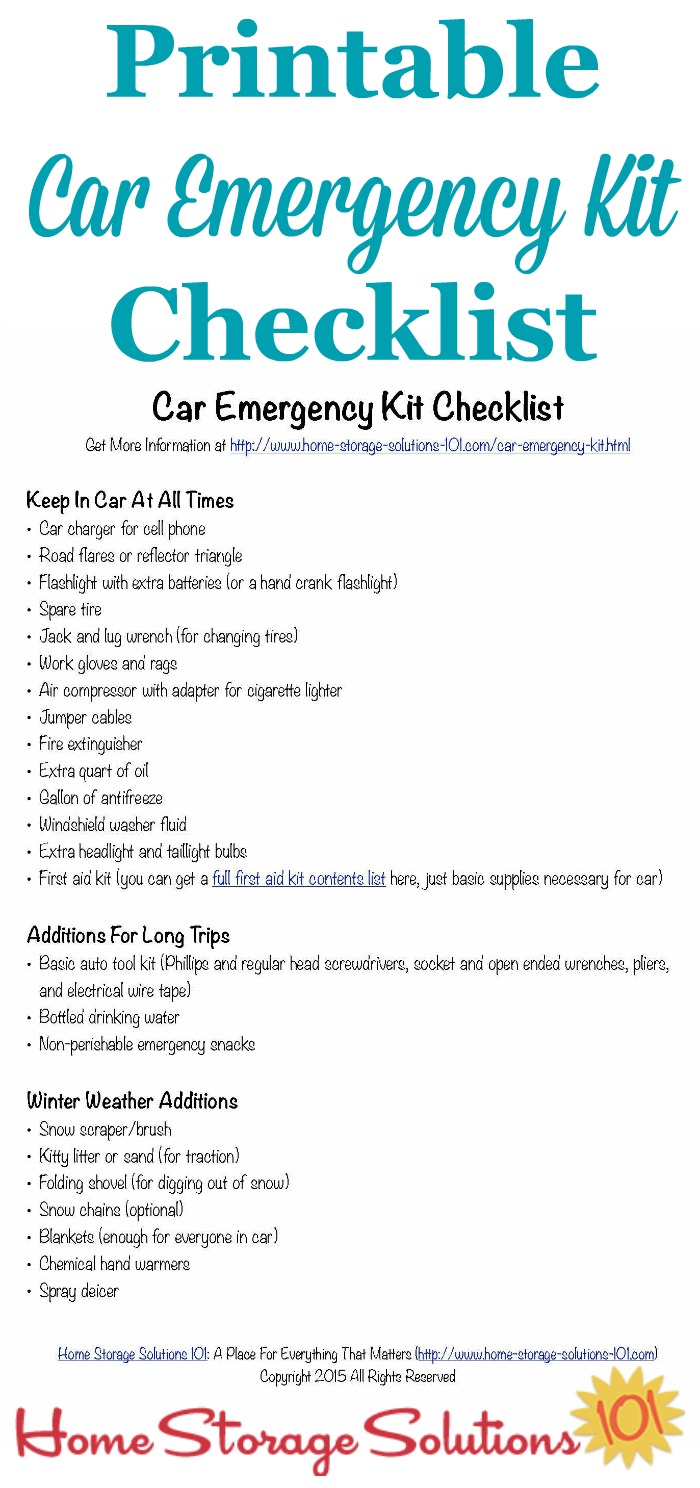
Customize roadside emergency kit essentials for your car, truck, or motorcycle and for different weather.
- For city drivers
- Focus on jump starter, phone charger, and compact first aid supplies.
- For rural or long-distance drivers
- Add extra water, more durable tire repair tools, and a satellite messenger or emergency beacon.
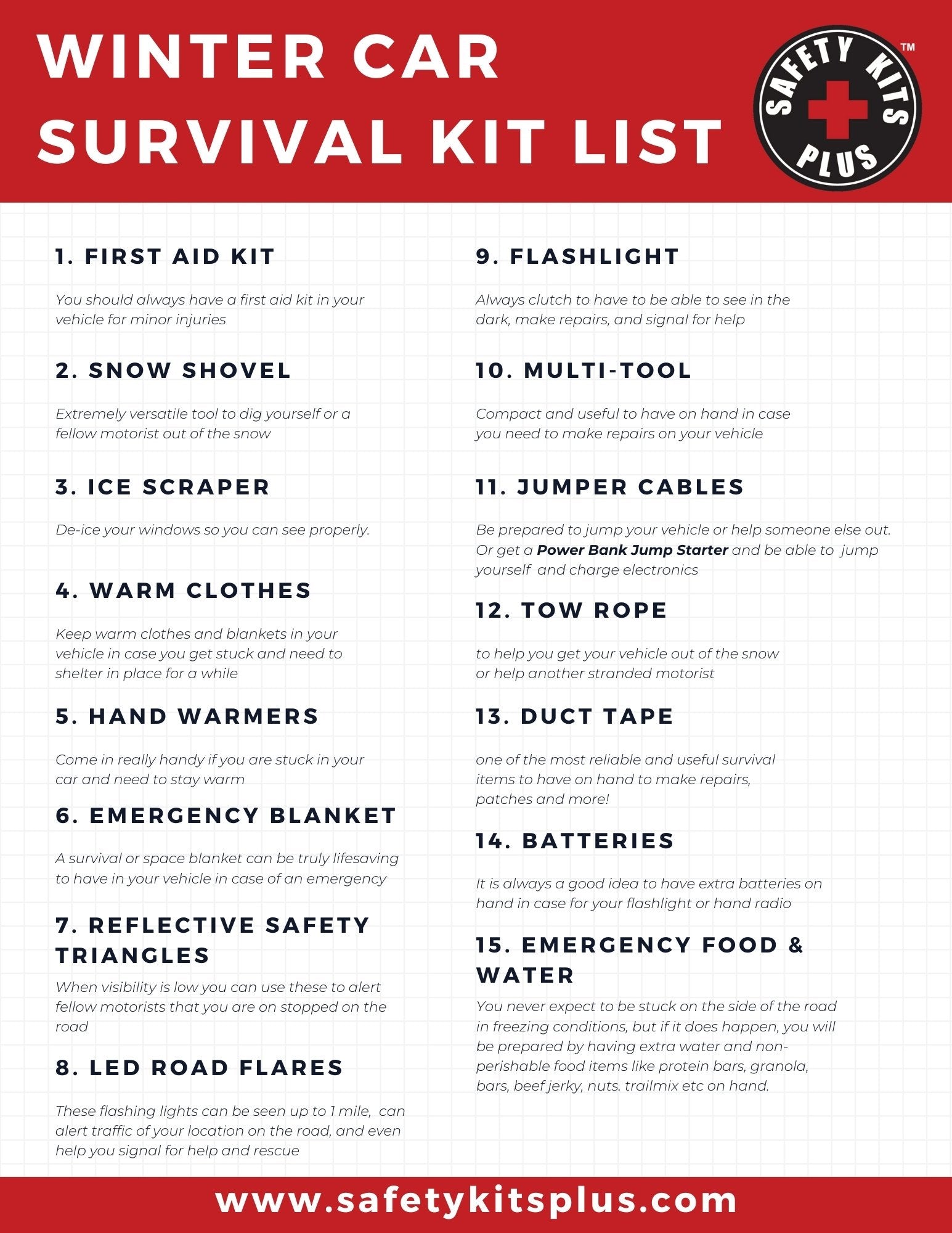
- For winter
- Include ice scraper, small shovel, traction mats, chemical heat packs, and a heavier blanket.
- For summer
- Add more water, sun protection, and cooling towels.
- For families
- Pack kid-friendly snacks, child-size first aid items, and familiar comfort items.
I once drove across several states with a family. The extra water, snacks, and warm blankets in the roadside emergency kit essentials saved an uncomfortable night during a winter delay.
Personal mistakes to avoid and best practices
I’ve learned a few hard lessons about roadside emergency kit essentials. Here’s what to avoid.
- Don’t buy cheap, single-use tools
- Poor-quality tools fail when you need them most. Invest once in quality.
- Don’t store perishables long-term without checking
- Food and meds go bad. Check dates often.
- Don’t assume someone will stop to help
- Mobile coverage can be patchy. Carry a charged power bank and a plan.
- Don’t forget to learn basic skills
- A jack and spare tire are useless if you don’t know how to use them.
Best practice: walk around your car and imagine problems. Then check your roadside emergency kit essentials for those scenarios.
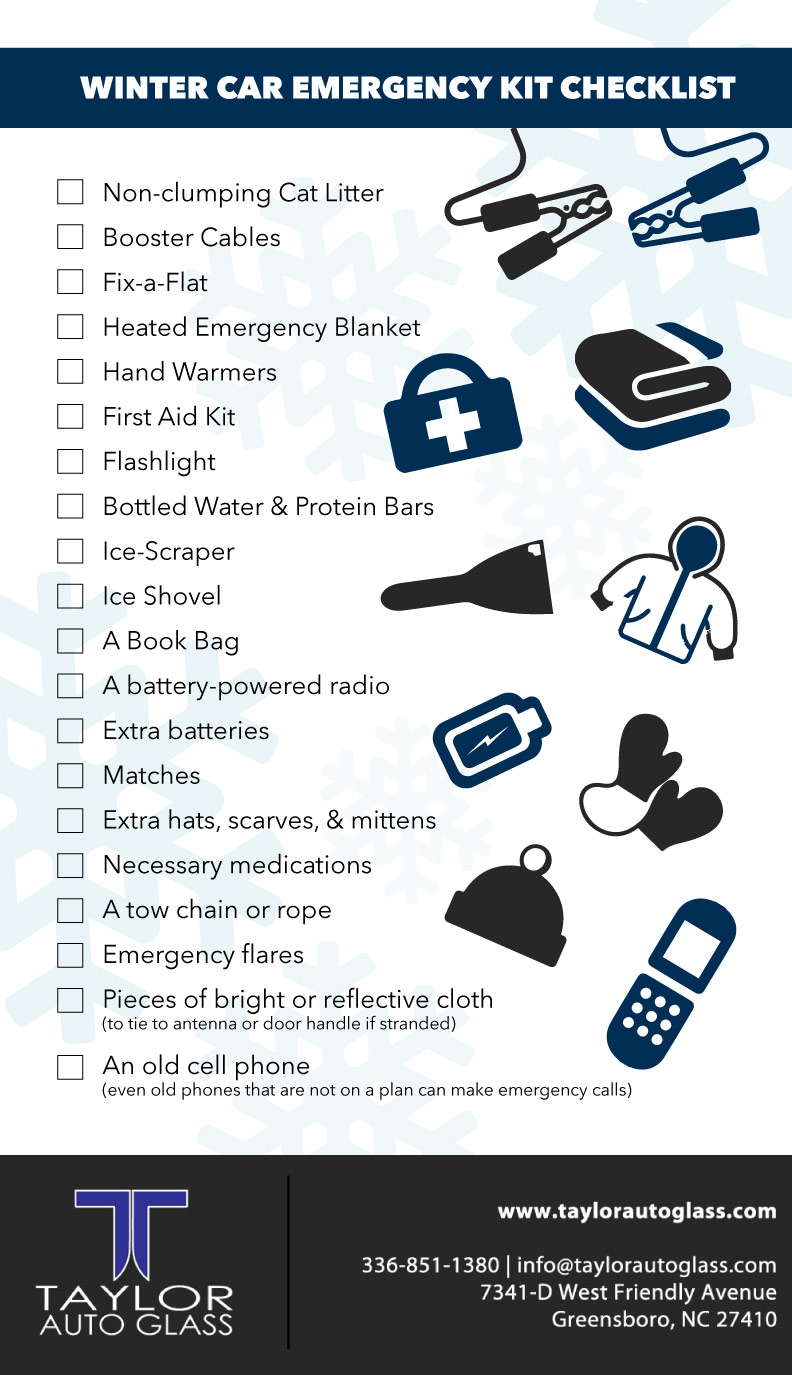
Building a compact, budget-friendly roadside emergency kit essentials list
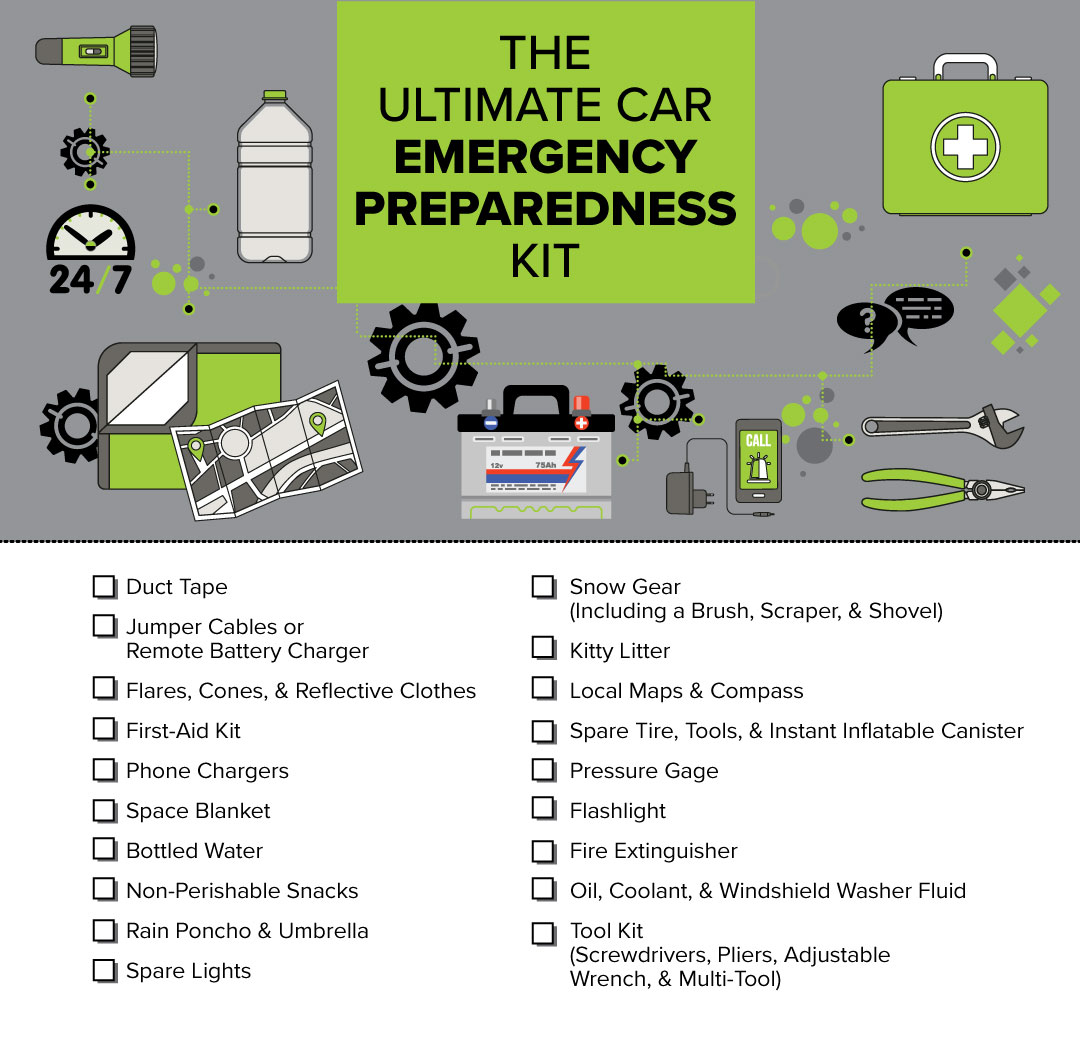
You don’t need to spend a lot to be ready. Here’s a minimal list that is effective and affordable.
- Compact jump starter or jumper cables
- Basic first aid kit
- Tire pressure gauge and plug kit
- LED flashlight and extra batteries
- Power bank and charging cable
- Multipurpose tool and gloves
- Reflective vest and small warning triangle
- Water bottle and energy bar
I built one of these on a tight budget and used it successfully during a late-night breakdown. Budget kits are better than no kit.
Frequently Asked Questions of roadside emergency kit essentials
What are the basic roadside emergency kit essentials everyone should have?
A basic roadside emergency kit essentials list includes jumper cables or a jump starter, a tire jack and lug wrench, a first aid kit, flashlight, water, and a phone charger. These items cover most common breakdowns.
How often should I check my roadside emergency kit essentials?
Check your roadside emergency kit essentials at least every three months and before long trips. Replace expired items, recharge batteries, and top up supplies as needed.
Can I use a phone charger instead of a power bank in my roadside emergency kit essentials?
A phone charger is useful, but a charged power bank is better when you can’t access a car or outlet. Keep both if possible.
Do I need a full spare tire or is a tire repair kit enough for roadside emergency kit essentials?
A full spare tire is the safest option if you have room, but a plug kit can be a good temporary fix for small punctures. Consider your driving routes when choosing.
What’s the best place to store roadside emergency kit essentials in my vehicle?
Store your roadside emergency kit essentials in the trunk or under a seat in a waterproof, secured container. Make sure it won’t shift and is easy to reach.
Conclusion
Pack a kit, practice basic skills, and check items regularly to make roadside emergencies manageable. A well-prepared roadside emergency kit essentials set can change a frightening situation into a minor delay. Start building or refreshing your kit today, test the tools once in a safe spot, and share your checklist with family or friends so they can be safe too. Leave a comment with your must-have roadside emergency kit essentials or questions, and subscribe for more practical safety tips.

One Comment