Suv Vs Truck: Which Is Best For You?
SUVs balance passenger comfort; trucks give superior towing, payload, and open-bed utility for work.
I’ve spent years test-driving and using SUVs and trucks for work and family life. This guide on suv vs truck draws on hands-on experience, industry data, and real-world use. Read on to learn practical differences, costs, performance trade-offs, and tips to pick the right vehicle for your needs.

Understanding the basics of suv vs truck
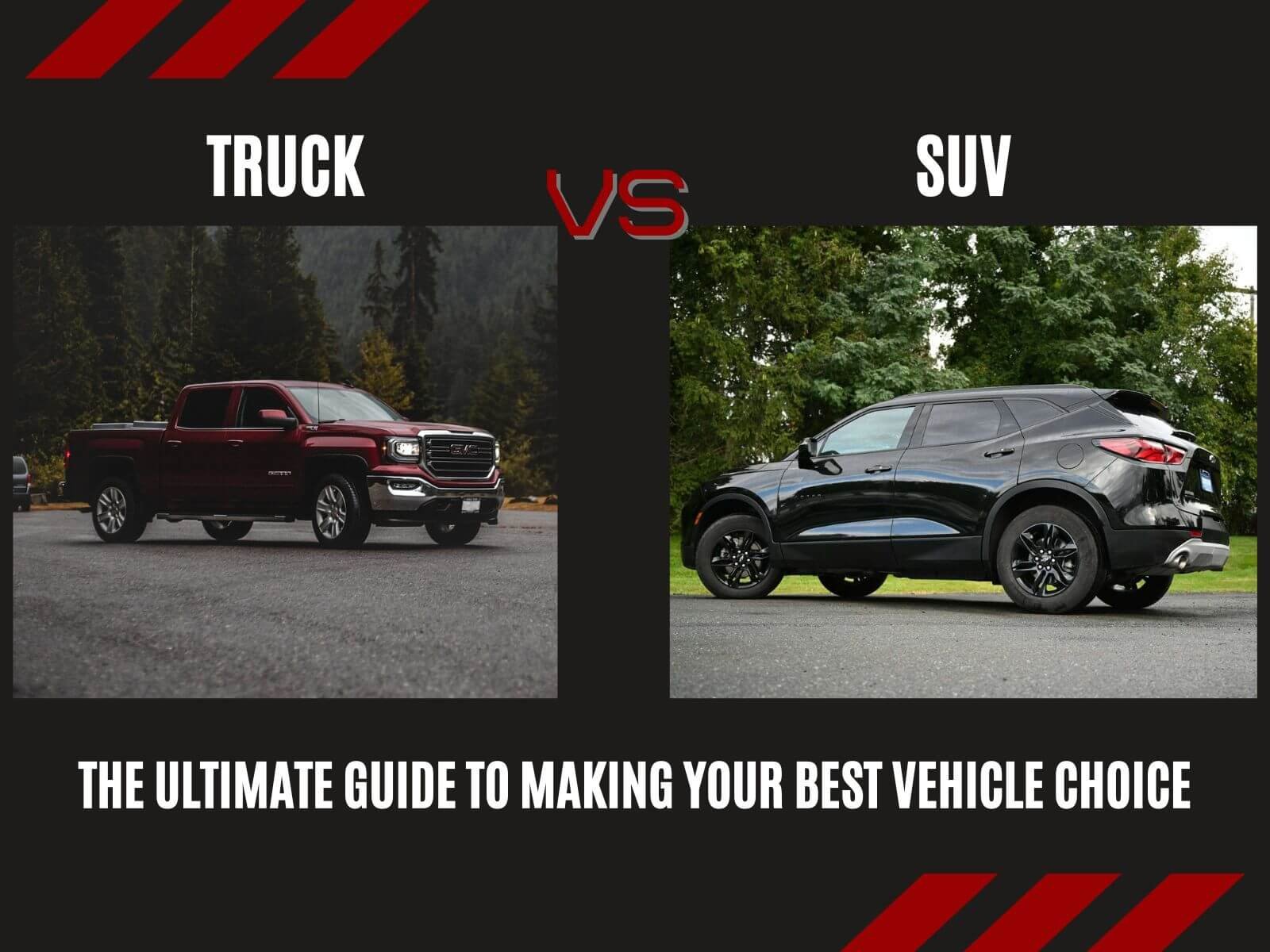
SUVs and trucks share some traits but serve different needs. SUVs focus on people and cargo space inside a closed cabin. Trucks focus on hauling, towing, and open-bed utility. When you weigh suv vs truck, think about what you move, how often, and where you drive.
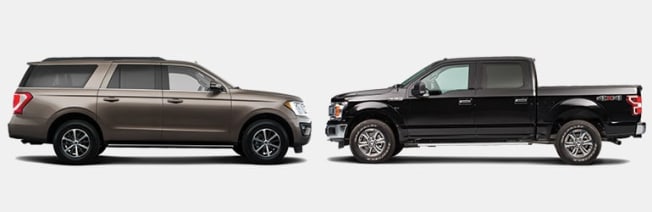
Key differences between SUV and truck
- Body and design: SUVs use a closed cabin with rear seats. Trucks use a cab plus an open bed for loads.
- Primary use: SUVs are built for family trips and comfort. Trucks are built for work, towing, and heavy loads.
- Ride and handling: SUVs usually ride smoother on pavement. Trucks can feel stiffer, especially when empty.
- Payload and towing: Trucks often have higher payload and towing numbers. SUVs can tow too, but usually less.
- Versatility: SUVs offer flexible seating and cargo arrangements. Trucks offer adaptability with bed accessories and tool storage.

Cost of ownership and resale value for suv vs truck
Owning either vehicle has trade-offs. Trucks often cost more in fuel and insurance but keep value well for many work buyers. SUVs can be cheaper to run daily and may hold value if they are midsize or luxury models. Consider these costs:
- Purchase price: Trucks and SUVs overlap. Crew cab trucks trend higher in price.
- Fuel: Trucks typically use more fuel. SUVs with smaller engines or hybrids can be more efficient.
- Insurance and maintenance: Trucks may cost more to insure for liability. Maintenance is similar if you compare like-for-like models.
- Resale: Work-ready trucks can retain value if well maintained. SUVs with good reliability scores also resell well.
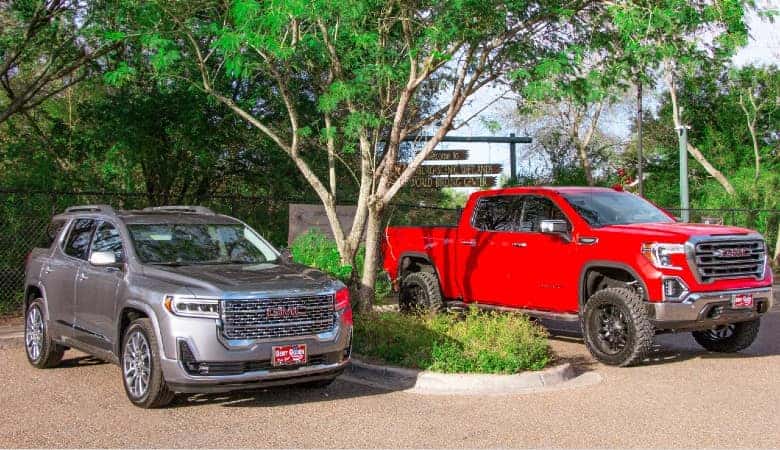
Performance, towing, and capability
Performance depends on engine, drivetrain, and gearing. For towing and hauling, trucks usually lead. For daily driving and agility, many SUVs feel better.
- Towing capacity: Trucks often exceed SUVs by thousands of pounds.
- Payload capacity: Trucks win for heavy cargo in the bed.
- Off-road: Both can be equipped for rough terrain. Trucks offer ground clearance and bed utility. SUVs offer protected cargo and passenger comfort.
- Drivetrains: 4×4 systems are common in trucks. SUVs often have AWD or 4WD options that prioritize traction and comfort.

Comfort, cargo, and daily use
Think about how you use the vehicle every day. SUVs feel like cars with more room. Trucks can be comfortable too, especially crew cabs, but bed access and size matter.
- Passenger comfort: SUVs typically offer better rear passenger comfort.
- Cargo: SUVs hide cargo in the cabin and lock it. Trucks give easy bed access and secure tie-down options.
- Parking and city driving: SUVs are easier in tight spots. Trucks can be bulky in urban settings.
- Family use: SUVs are often the practical family choice due to child seat fitment and cabin storage.

Safety, tech, and off-road capability
Both platforms now include modern safety and tech features. Your priorities determine which is safer for you.
- Active safety: Many newer SUVs and trucks have lane assist, automatic braking, and blind spot alerts.
- Crash safety: The closed cabin of SUVs can feel safer for rear passengers. Trucks offer strong frames and high seat position.
- Off-road gear: Trucks may have locking differentials and multi-mode terrain control. SUVs can have similar packages for light to moderate off-road use.
- Tow and trailer tech: Trucks often include dedicated towing aids, trailer sway control, and integrated brake controllers.
Environmental impact and fuel efficiency
Fuel matters for cost and emissions. New tech narrows gaps between suv vs truck but differences remain.
- Fuel economy: SUVs with small engines or hybrids can beat trucks in MPG.
- Diesel and power: Trucks with diesel or turbo engines offer torque and better highway MPG under load.
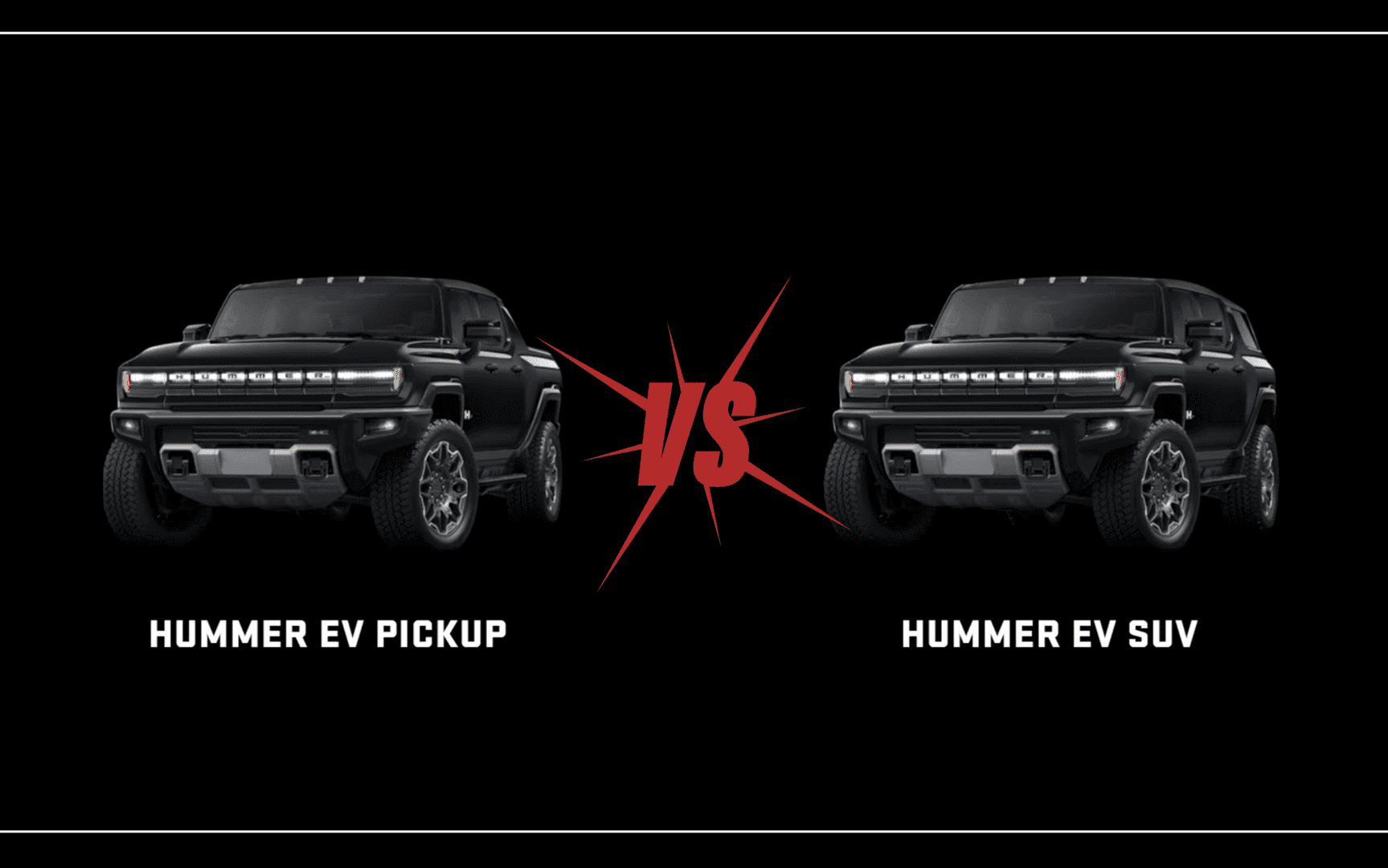
- Electrification: Electric SUVs are more common today. Electric trucks are growing but cost more up front.
- Emissions: Choose the powertrain that matches your use to reduce wasted fuel.

How to choose between suv vs truck
Follow a simple plan to decide which fits you best.
- List daily needs: commuting, family, towing, hauling, or off-road use.
- Estimate payload and towing needs: be realistic about maximum weights.
- Check parking and driveway size: measure height and length if needed.
- Consider fuel and maintenance budgets: run numbers for a few years, not just sticker price.
- Test drive both with real loads or passengers: bring kids or gear to simulate real life.
- Look at resale and reliability data: pick a model with strong owner reviews.
Personal tip: I took a week of test drives and tried towing a trailer to make my final choice. That hands-on check saved me money and frustration.
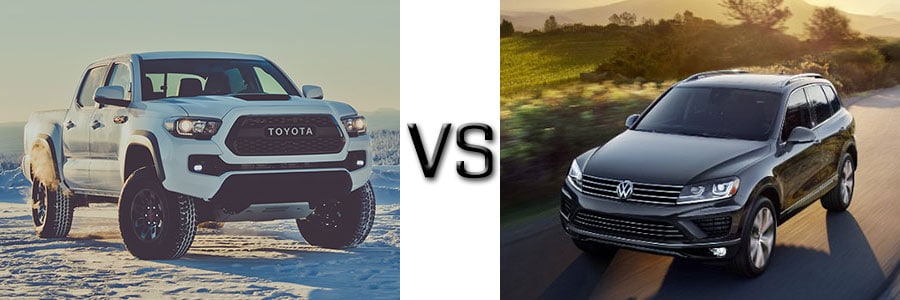
Personal experience and lessons learned
I owned an SUV for family trips and later a truck for work. Each had perks and surprises.
- Lesson 1: Empty trucks ride worse. Add weight or use a suspension kit to smooth the ride.
- Lesson 2: An SUV made daily life easier when we had kids and groceries. The enclosed cargo mattered.
- Lesson 3: For hauling tools and building materials, the truck was unmatched. The open bed saved time.
- Tip: Match vehicle choice to your week. If you need both, consider leasing one for work and keeping an SUV for home.
Frequently Asked Questions of suv vs truck
What is the main difference between an SUV and a truck?
The main difference is design purpose. SUVs prioritize passenger comfort and enclosed cargo. Trucks prioritize hauling, towing, and open-bed utility.
Which is better for towing: an SUV or a truck?
Generally, a truck is better for heavy towing. Many trucks have higher tow ratings and stronger frames. Some large SUVs can tow well, but trucks lead for heavy loads.
Are SUVs more fuel efficient than trucks?
Often yes for similar sizes. SUVs with smaller engines or hybrid systems usually use less fuel than full-size trucks. Diesel trucks may perform better on long hauls.
Can an SUV replace a truck for work?
It depends on the job. Light hauling and towing are possible in many SUVs. For heavy payloads, frequent trailer use, or open-bed needs, a truck is better.
Is maintenance more expensive for trucks than SUVs?
Not always. Maintenance costs are similar for comparable engines and tech. Trucks used in heavy work may need more frequent service and repairs.
Should I get a 4×4 SUV or a 4×4 truck for off-roading?
Both can work. Trucks offer better ground clearance and bed space for gear. SUVs offer better cabin comfort and often lighter weight for trail driving.
How do resale values compare between SUVs and trucks?
Trucks often hold value well, especially work-ready models. SUVs with strong reliability and demand also resell strongly. Market trends and model reputation influence value.
Conclusion
Choosing between suv vs truck comes down to honest needs. Pick an SUV if you value passenger comfort, secure cargo, and daily ease. Choose a truck if you need towing, payload, and bed utility for work. Test drive with real loads, run cost comparisons over several years, and match the powertrain to your use. Take action now: make a list of your weekly needs and test drive the top two choices. Share your experience or questions below to get tailored advice.