
Many modern vehicles in the United States use air suspension systems to improve comfort, handling, and ride height control. Luxury cars, SUVs, trucks, and some performance vehicles depend on this technology for a smoother driving experience.
Understanding what causes air suspension failure helps drivers avoid sudden breakdowns and expensive repairs. In my experience studying suspension systems, most failures start with small warning signs such as uneven ride height, unusual noises, or slow air loss before becoming major problems.
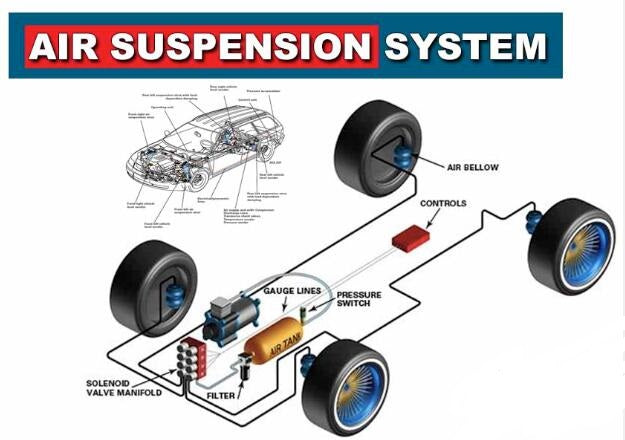
The air suspension system has many connected parts, including air springs, compressors, valves, sensors, and control modules. When one part fails, it can affect the entire system and reduce vehicle safety and comfort.
 display: block; margin: 0 auto; border-radius: 12px; box-shadow: 0 8px 25px rgba(0, 0, 0, 0.12);”>
How an Air Suspension System Works
An air suspension system replaces traditional metal coil springs with air-filled rubber bags called air springs. These components use compressed air to support the vehicle weight and maintain the correct ride height.
The compressor creates air pressure, while sensors and electronic controls adjust the system based on driving conditions. When all parts work together, the vehicle can deliver a comfortable and stable ride.
Because the system has mechanical and electronic parts, there are many possible reasons behind air suspension failure. A problem in one area can quickly affect other components.
- ✦ Air springs
Air springs hold compressed air and support the vehicle. Cracks or aging rubber can cause air leaks.
- ✦ Air compressor
The compressor pumps air into the system. A weak or damaged compressor cannot maintain proper pressure.
- ✦ Height sensors
Sensors measure vehicle height and help the control module adjust the suspension.
Air Leaks Are One of the Most Common Causes of Air Suspension Failure
Air leaks are among the most common answers to the question, what causes air suspension failure. The system depends on sealed air pressure, so even a small leak can create performance problems.
Leaks often happen because rubber air springs become dry, cracked, or damaged with age. Connections, air lines, and valve blocks can also develop leaks over time.
A leaking system forces the compressor to work harder because it must constantly replace lost air. This extra workload can lead to compressor failure.

- ✦ Aging air springs
Rubber air bags can lose flexibility after years of heat, cold, and road exposure.
- ✦ Damaged air lines
Small cracks or loose connections can allow compressed air to escape.
- ✦ Valve block leaks
Faulty valves may prevent the system from holding air pressure correctly.
How to Detect an Air Suspension Leak
A vehicle that sits lower after being parked overnight may have an air leak. Drivers may also hear a hissing sound near the wheels or notice the compressor running more often.
- ✦ Uneven vehicle height
One corner of the vehicle may sit lower than the others because of air loss.
Worn or Damaged Air Springs Can Cause Suspension Failure
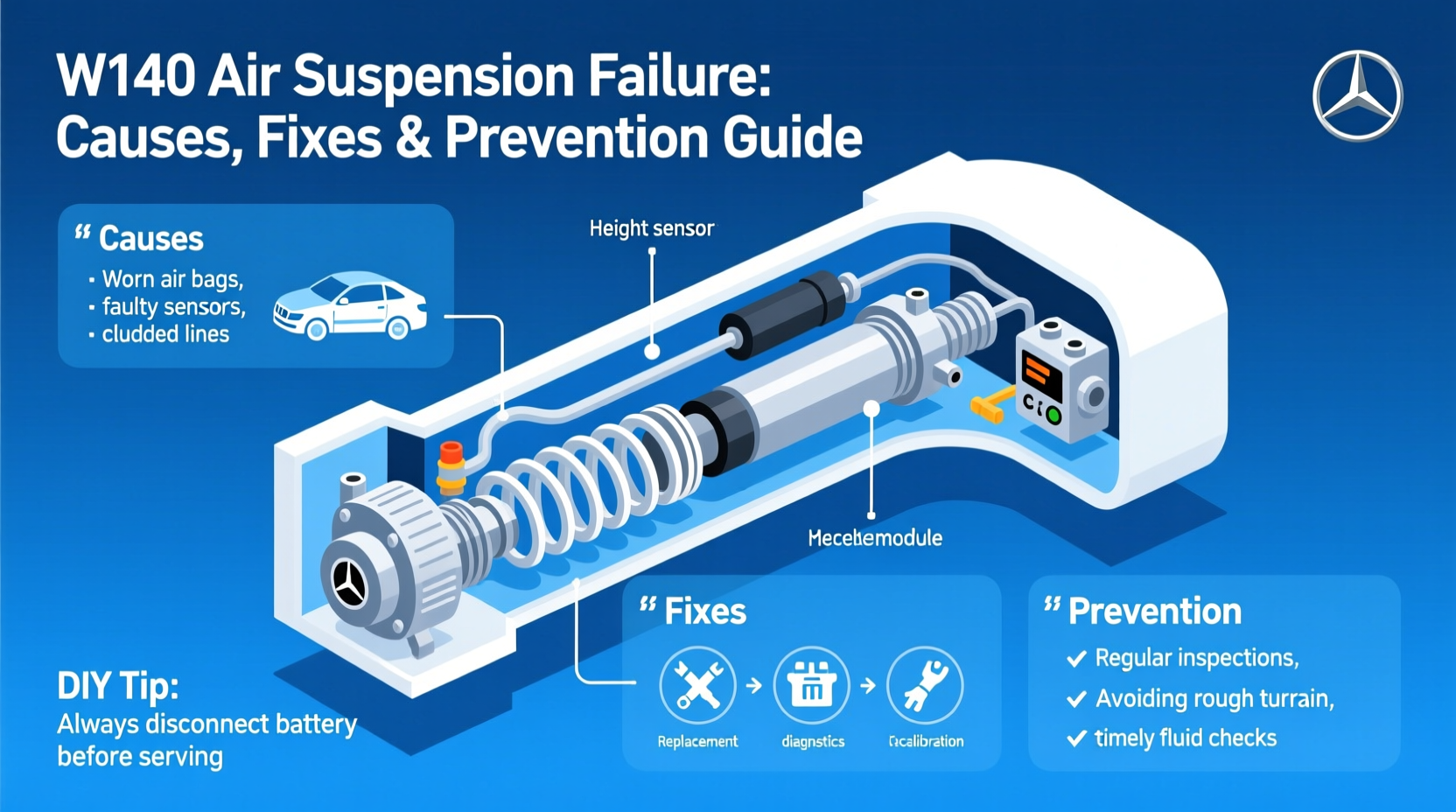
Air springs are designed to last many years, but they are exposed to heat, moisture, road debris, and constant movement. Over time, the rubber material can weaken.
When an air spring develops cracks, it may not hold enough pressure. This creates a rough ride and can cause the vehicle to lose its correct height.
Regular inspection is important because air spring damage often develops slowly before complete failure occurs.
- ✦ Rubber deterioration
Weather changes and age can reduce the strength of the air spring material.
- ✦ Road damage
Debris and harsh driving conditions can damage air spring surfaces.
Air Compressor Problems and Overworking
The air compressor is the heart of the air suspension system. It creates the pressure needed to lift and support the vehicle.
When leaks exist, the compressor may run too often. Continuous operation creates heat and wear, which can eventually damage the compressor motor.
A failing compressor is a major reason behind air suspension failure because the entire system depends on proper air pressure.

- ✦ Compressor motor wear
Long operating hours can reduce compressor performance.
- ✦ Moisture damage
Water inside the system can damage internal compressor parts.
- ✦ Electrical failure
Faulty wiring or relays can stop the compressor from working.
Electronic and Sensor Failures in Air Suspension Systems
Modern air suspension systems rely heavily on electronics. Height sensors, control modules, and wiring systems help maintain the correct ride height.
A faulty sensor can send incorrect information to the control unit. The system may then raise or lower the vehicle incorrectly.
Electrical problems are harder to diagnose because the mechanical parts may appear normal while the control system fails.
- ✦ Height sensor failure
Incorrect sensor readings can prevent proper suspension adjustment.
- ✦ Control module problems
Software or hardware faults can interrupt suspension operation.
Cold Weather, Heavy Loads, and Driving Conditions
Environmental conditions can affect air suspension performance. In colder regions of the United States, freezing temperatures can make rubber components harder and increase the chance of cracks.
Heavy towing and frequent overloading can place extra stress on air springs and compressors. Vehicles used for work or hauling need proper maintenance schedules.
Poor road conditions can also increase wear by exposing suspension parts to impacts and vibration.

- ✦ Extreme temperatures
Cold weather can reduce rubber flexibility and increase failure risk.
- ✦ Heavy vehicle loads
Excess weight forces suspension parts to work harder.
Signs That Your Air Suspension Is Starting to Fail
Knowing the warning signs can help prevent complete air suspension failure. Early repairs are usually easier and less costly than replacing multiple damaged parts.
Drivers should pay attention to changes in ride quality, unusual sounds, and warning messages on the dashboard.
- ✦ Vehicle sits unevenly
One side or corner of the vehicle may appear lower than normal.
- ✦ Bouncy ride
Poor pressure control can make the vehicle feel unstable.
- ✦ Compressor runs frequently
Repeated compressor operation may indicate an air leak.
