
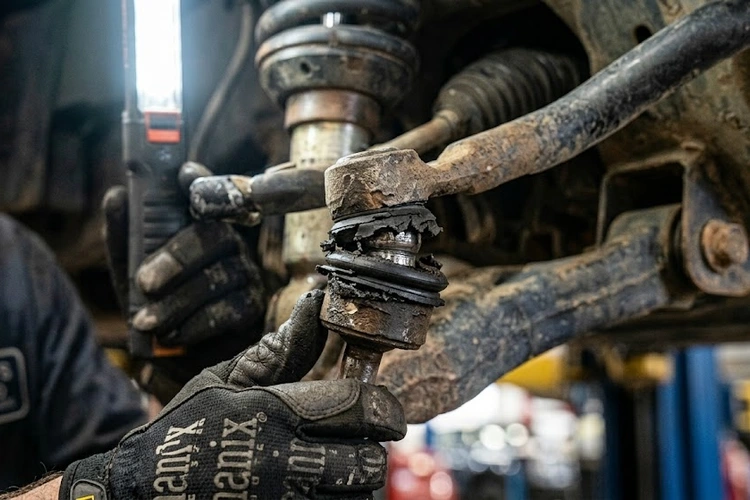
If your vehicle makes a clunk, squeak, rattle, or knocking sound when driving over bumps, the suspension system is often the first place to inspect. The suspension absorbs road impacts, keeps tires connected to the road, and helps maintain a smooth ride.
From my experience studying common vehicle repair issues, many drivers notice suspension noise only after it becomes loud. Small sounds from worn bushings or loose links can slowly develop into bigger problems that affect comfort, handling, and safety.
Understanding what causes suspension noise over bumps helps you identify problems earlier. A careful inspection can save money by fixing the right component instead of replacing parts through guesswork.
 display: block; margin: 0 auto; border-radius: 12px; box-shadow: 0 8px 25px rgba(0, 0, 0, 0.12);”>
Common Reasons Behind Suspension Noise Over Bumps
Suspension systems contain many moving parts. When these parts wear out, they may create unusual sounds when the vehicle moves over uneven roads, speed bumps, or potholes.
The most common causes of suspension noise over bumps include worn rubber parts, loose hardware, damaged shock absorbers, and aging suspension joints. Each problem creates a different sound pattern.
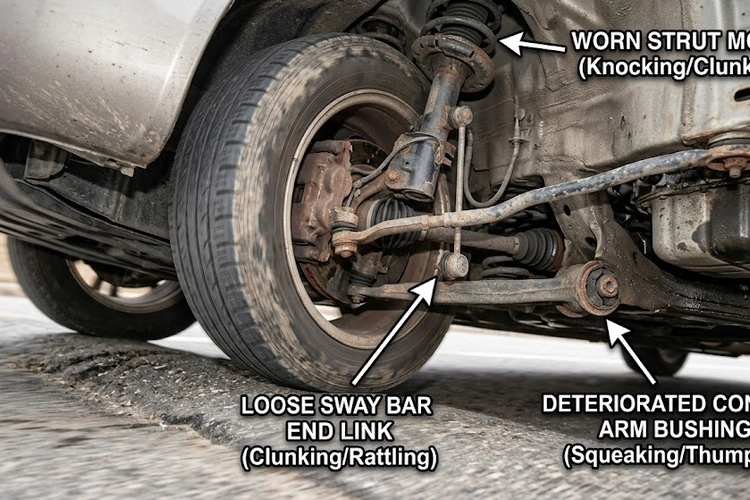
- ✦ Worn suspension bushings
Rubber bushings reduce vibration between metal suspension parts. When they crack or wear out, they can create knocking or squeaking noises.
- ✦ Loose suspension bolts
Loose mounting bolts allow parts to move more than designed, causing rattling or clunking sounds over bumps.
- ✦ Damaged shocks or struts
Weak shock absorbers may allow excessive movement and create noise when the suspension compresses.
Why Small Suspension Problems Become Louder Over Time
Suspension parts experience thousands of movements during normal driving. A small amount of wear can become noticeable as gaps increase between connected parts.
Drivers in the United States often experience this after years of daily commuting, especially on roads with potholes, rough pavement, or frequent temperature changes.
Worn Shock Absorbers and Struts Can Create Bumping Sounds
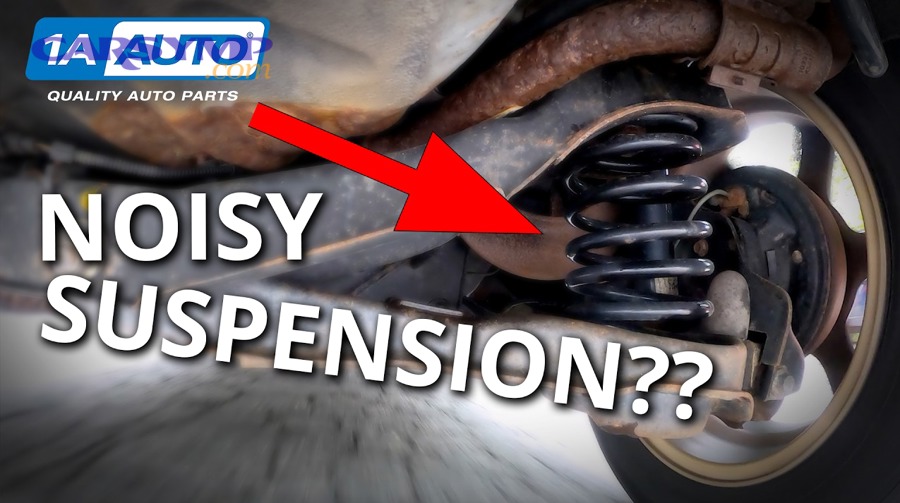
Shock absorbers and struts control suspension movement. When they lose their ability to control motion, the vehicle may bounce more and create unusual sounds.
A worn shock or strut may cause a knocking noise over bumps because internal parts can move incorrectly. You may also notice poor handling, uneven tire wear, or a less comfortable ride.
- ✦ Signs of bad shocks or struts
Common signs include excessive bouncing, leaking fluid, nose diving during braking, and loud suspension movement over rough roads.
How Shock Problems Differ From Other Suspension Issues
Shock-related sounds often happen when the suspension moves up and down. Other problems may create noise only during turning, braking, or acceleration.
A proper diagnosis requires checking the complete suspension system rather than replacing shocks immediately.
Sway Bar Links and Bushings Are Frequent Causes of Clunking Noise
Sway bars help reduce body movement when turning. Small connecting parts called sway bar links and bushings can wear out and produce a clunking noise over bumps.
Because these components move every time the suspension reacts, even minor looseness can create noticeable sounds, especially at low speeds.
- ✦ Broken sway bar links
A damaged sway bar link may create a repeated knocking sound when one wheel moves over a bump.
- ✦ Aged sway bar bushings
Old rubber bushings may become hard and allow extra movement between suspension parts.
Ball Joints and Control Arms Can Cause Serious Suspension Noise
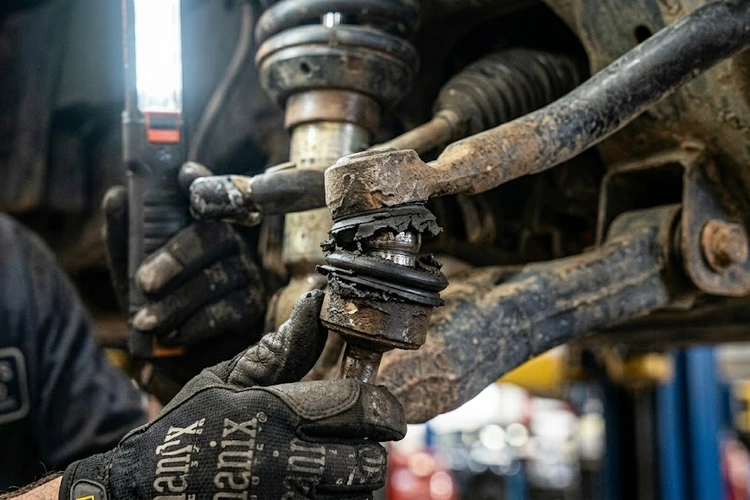
Ball joints connect suspension arms to the steering system. When they wear out, they can create clicking, popping, or clunking sounds over bumps.
Control arms also rely on bushings to keep movement controlled. Damaged control arm bushings can cause suspension noise over bumps and may affect steering stability.

- ✦ Worn ball joints
Loose ball joints may create noise and can affect wheel alignment and steering control.
- ✦ Failed control arm bushings
Damaged bushings allow unwanted movement between suspension components.
Why These Parts Need Attention
Ball joints and control arms are important safety components. Ignoring severe wear may lead to handling problems and faster tire wear.
A professional inspection is recommended when the noise is combined with steering changes or uneven tire wear.
How to Diagnose Suspension Noise Over Bumps
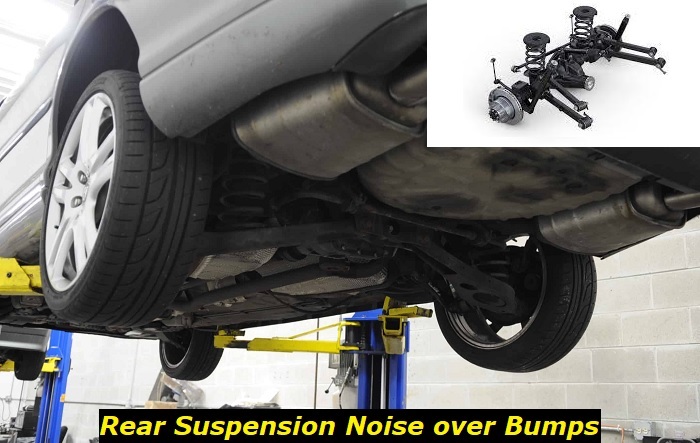
Finding the source of suspension noise requires paying attention to when and where the sound happens. A noise from the front suspension may have a different cause than a rear suspension sound.
A simple inspection process can help narrow down the problem before visiting a repair shop.
- ✦ Identify the sound type
Clunks often suggest loose or worn parts, while squeaks may point toward dry bushings or rubber components.
- ✦ Check when the noise happens
Notice whether the noise appears during bumps, turns, braking, or acceleration.
- ✦ Inspect visible parts
Look for broken rubber parts, leaking shocks, or loose connections during a visual inspection.
Other Possible Causes of Suspension Sounds
Not every bump noise comes from the suspension itself. Loose items, brake components, or steering parts can sometimes create similar sounds.
A complete diagnosis prevents unnecessary repairs and helps identify the actual source of the noise.
- ✦ Loose exhaust components
A loose exhaust hanger or heat shield may rattle when the vehicle moves over bumps.
- ✦ Brake hardware problems
Loose brake pads or caliper parts can create clicking or rattling sounds.
