
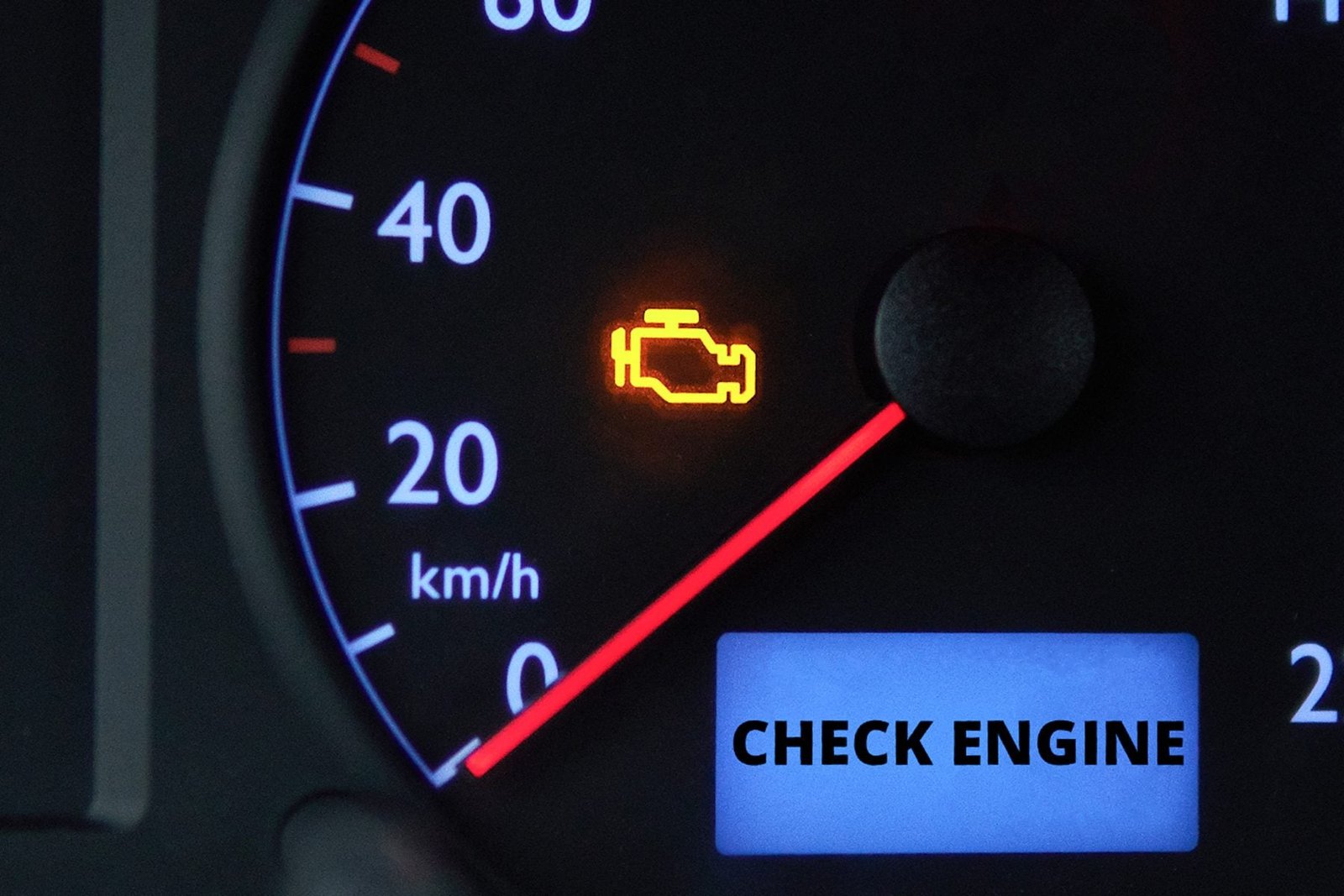
Many drivers see a flashing check engine light and wonder if they can keep driving. Unlike a steady warning light, a flashing light is a more urgent signal. It often means the engine is misfiring and sending unburned fuel into the exhaust system.
From years of working with vehicle diagnostics, one pattern is clear: drivers who respond early usually avoid expensive repairs. A small ignition problem can become a damaged catalytic converter if the warning is ignored for too long.
This guide explains what does a flashing check engine light mean, why it happens, what symptoms to watch for, and what steps American drivers should take to protect their vehicles.
 display: block; margin: 0 auto; border-radius: 12px; box-shadow: 0 8px 25px rgba(0, 0, 0, 0.12);”>
What Does a Flashing Check Engine Light Mean?
When asking what does a flashing check engine light mean, the simple answer is that the engine computer has detected a serious fault. In many cases, the problem involves an active engine misfire where one or more cylinders are not burning fuel correctly.
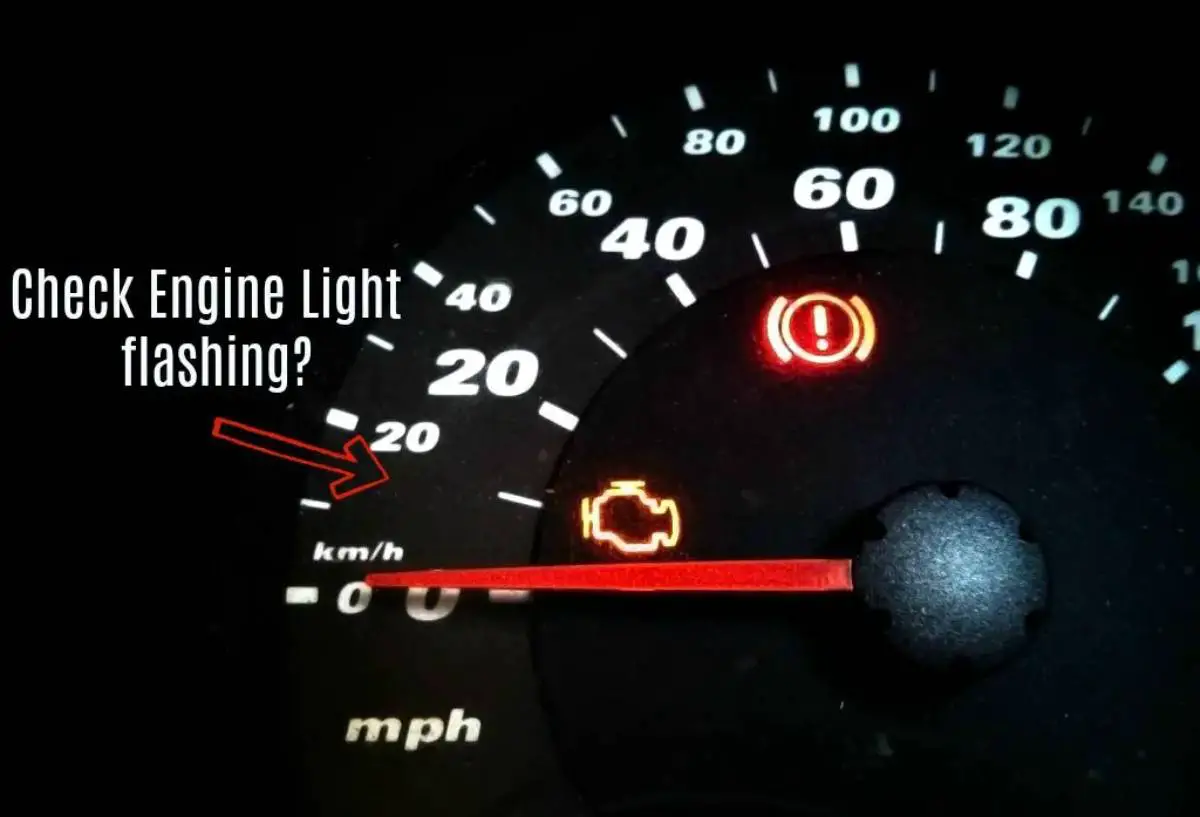
A flashing warning light is different from a normal check engine light. A steady light may indicate a less urgent issue, but a flashing light usually warns that continued driving may cause additional damage.
Modern vehicles use sensors and computer systems to monitor engine performance. When the system detects conditions that could harm important parts, it may flash the check engine light to get the driver’s attention.
- ✦ Severe engine misfire
A cylinder may fail to ignite the air and fuel mixture properly, causing rough running and possible damage.
- ✦ Catalytic converter risk
Unburned fuel can enter the exhaust system and overheat the catalytic converter.
- ✦ Immediate diagnosis needed
The vehicle should be checked quickly to identify the cause and prevent larger repairs.
Why Is a Flashing Light More Serious Than a Solid Light?
A flashing check engine light shows that the problem may be happening right now. The engine control module is detecting repeated failures while the vehicle is running.
Ignoring the warning can turn a simple repair into a major repair. For example, replacing a bad ignition coil is usually much cheaper than replacing a damaged catalytic converter.
- ✦ Solid light
Often indicates a stored fault that may require service but may not create immediate engine damage.
- ✦ Flashing light
Usually indicates an active problem that can damage engine or exhaust components.
Common Causes of a Flashing Check Engine Light
A flashing check engine light can have several causes. The most common reason is an engine misfire, but other mechanical and electrical problems can create the same warning.
A proper diagnosis requires reading trouble codes with an OBD2 scanner and testing the affected systems. The code does not always identify the exact failed part, but it helps technicians find the problem area.

- ✦ Bad spark plugs
Worn or damaged spark plugs can prevent proper ignition and create cylinder misfires.
- ✦ Faulty ignition coils
A weak ignition coil may fail to create enough spark for complete combustion.
- ✦ Fuel system problems
Clogged injectors or incorrect fuel pressure can cause poor combustion.
- ✦ Engine timing problems
Timing issues can affect when fuel burns inside the engine and create serious misfires.
Spark and Ignition Problems
Ignition problems are among the most common reasons for a flashing check engine light. Gasoline engines need a strong spark at the correct time to burn fuel properly.
If spark plugs or ignition coils fail, the engine may shake, lose power, and produce a flashing warning light.
- ✦ Symptoms
Common signs include rough idle, hesitation, shaking, and reduced acceleration.
What Should You Do When the Check Engine Light Is Flashing?
If your check engine light starts flashing while driving, stay calm and take action. The goal is to reduce stress on the engine until you can inspect the problem.
Many drivers make the mistake of continuing normal driving because the vehicle still moves. However, a flashing check engine light means the vehicle may be causing damage every mile.

- ✦ Reduce speed
Drive gently and avoid high RPMs or heavy acceleration.
- ✦ Find a safe location
If the vehicle shakes badly or loses power, stop in a safe area.
- ✦ Check for other symptoms
Notice unusual smells, smoke, vibration, or unusual engine sounds.
- ✦ Get a diagnostic scan
Use an OBD2 scanner or visit a repair professional to identify the fault.
Can You Drive With a Flashing Check Engine Light?
Short trips may sometimes be possible if the engine runs smoothly, but extended driving is risky. A flashing check engine light often means the vehicle needs attention soon.
If the engine shakes, loses power, smells like fuel, or makes unusual noises, it is safer to stop driving and request professional help.
- ✦ Avoid
Avoid towing heavy loads, fast acceleration, and long highway trips until the issue is fixed.
How Mechanics Diagnose a Flashing Check Engine Light
Finding the cause of a flashing check engine light requires more than replacing parts randomly. Professional technicians follow a step-by-step testing process.
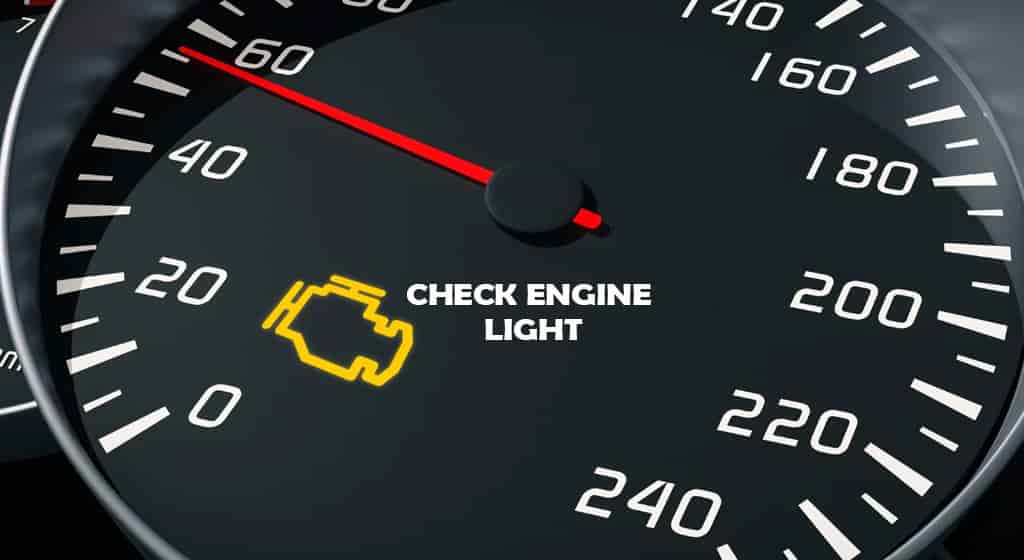
The first step is usually an OBD2 scan. The vehicle computer stores diagnostic trouble codes that point toward areas needing inspection.
- ✦ Scan trouble codes
The technician checks stored codes related to misfires, fuel, ignition, and sensors.
- ✦ Inspect ignition parts
Spark plugs, coils, and wiring are tested for proper operation.
- ✦ Test fuel delivery
Fuel pressure and injector performance may be checked.
- ✦ Review live data
Engine sensors are monitored while the vehicle operates.
Why Diagnostic Codes Are Helpful but Not Perfect
A diagnostic code helps locate the system with a problem, but it does not always identify the exact failed component. For example, a misfire code may require testing several related parts.
Good diagnosis combines computer information with physical inspection and driving symptoms.
Common Symptoms That Appear With a Flashing Check Engine Light
A flashing check engine light often appears with other warning signs. These symptoms can help drivers understand how serious the problem may be.
Paying attention to changes in vehicle behavior can help you explain the issue clearly to a mechanic and speed up the repair process.

- ✦ Engine shaking
A misfiring engine may vibrate because one or more cylinders are not working correctly.
- ✦ Loss of power
The vehicle may struggle during acceleration or climbing hills.
- ✦ Poor fuel smell
Unburned fuel may enter the exhaust system and create a strong gasoline odor.
- ✦ Rough idle
The engine may feel unstable when stopped or running at low speed.
How Much Does It Cost to Fix a Flashing Check Engine Light?
The repair cost depends on the cause of the flashing check engine light. A simple ignition repair may cost much less than replacing damaged exhaust components.
Early diagnosis usually lowers repair costs because it prevents secondary damage. Waiting too long can allow a small engine issue to affect expensive parts.
- ✦ Spark plug replacement
Often one of the lower-cost repairs when worn plugs cause the misfire.
- ✦ Ignition coil replacement
Costs vary depending on vehicle type and the number of failed coils.
- ✦ Catalytic converter repair
Can become expensive if a misfire causes overheating damage.
