What Does Horsepower Mean In Cars: Explained Simply
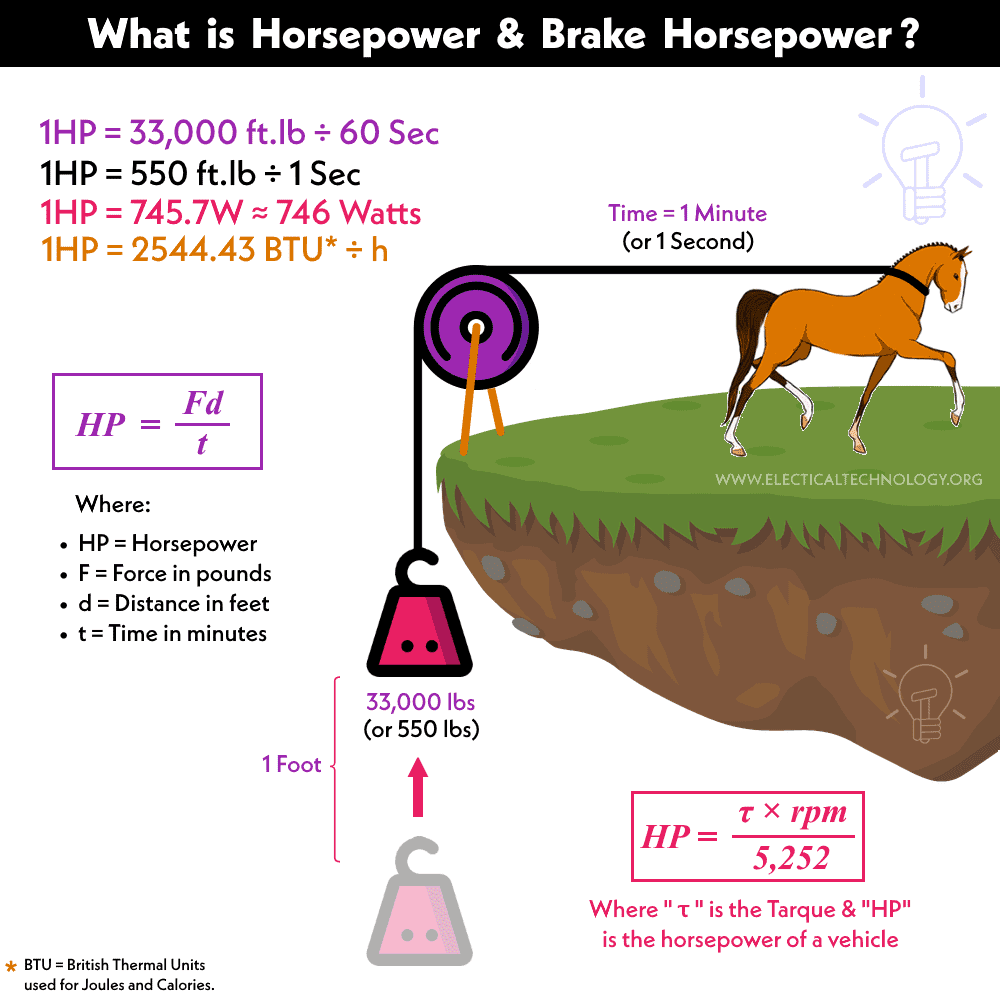
Horsepower measures an engine's power—the rate it does work over time in cars.
I write about cars every day and have worked on engines, tested cars on roads, and read technical guides. In this article I explain what does horsepower mean in cars in plain terms. You will learn how horsepower is measured, how it differs from torque, why it matters for real driving, and how to use horsepower numbers when shopping or tuning. I mix clear facts with hands-on tips from real tests so you can make smarter car choices.
What does horsepower mean in cars? A clear definition
What does horsepower mean in cars? It is a unit that tells how much work an engine can do in a set time. Think of it as how fast an engine can move weight. A higher horsepower number usually means quicker acceleration and higher top speed potential.
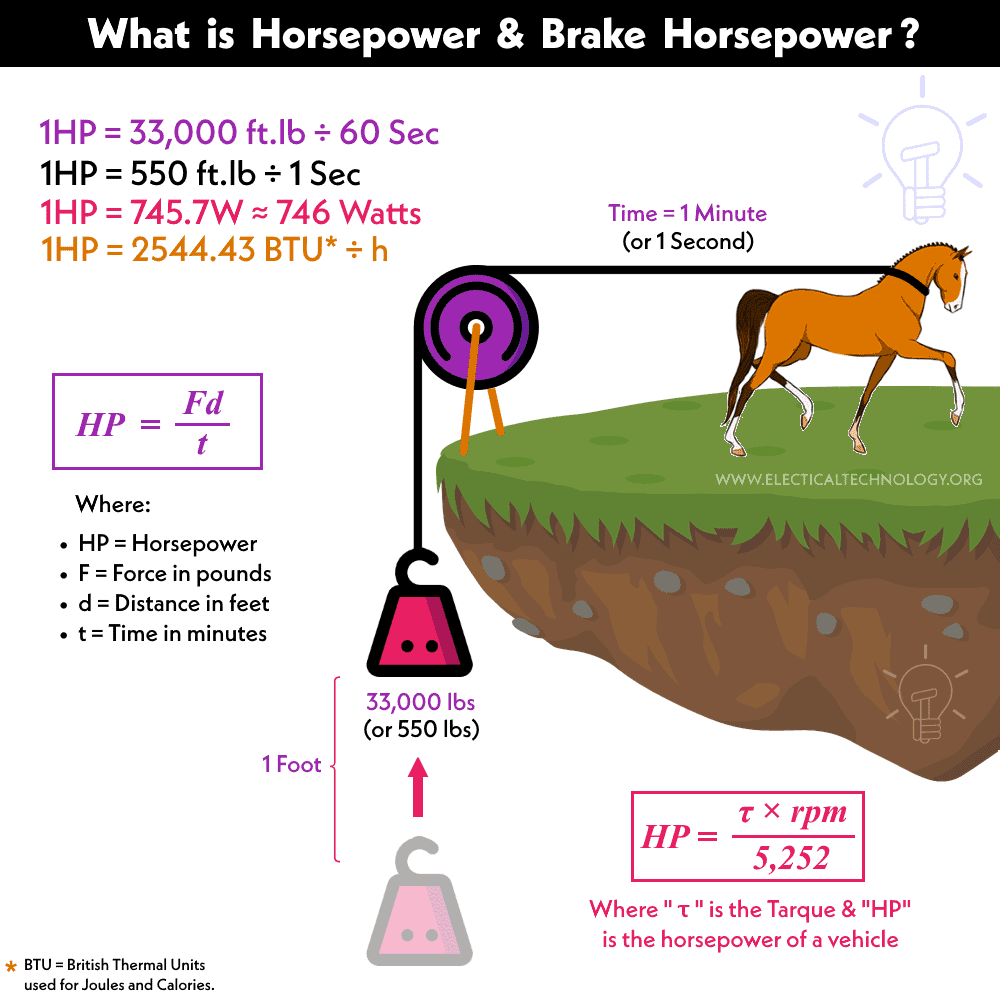
Horsepower began as a way to compare steam engines to horses. In cars it measures power output, usually at the engine's crankshaft or at the wheels. When people ask what does horsepower mean in cars, they want to know how that number affects daily driving and performance. I will break the term into simple parts so it is easy to use in real life.

How horsepower is measured and reported
Engine makers and testers measure horsepower in two main ways:
- Engine (brake) horsepower
- Measured on a test machine that clamps the engine. It shows power before drivetrain losses.
- Wheel horsepower
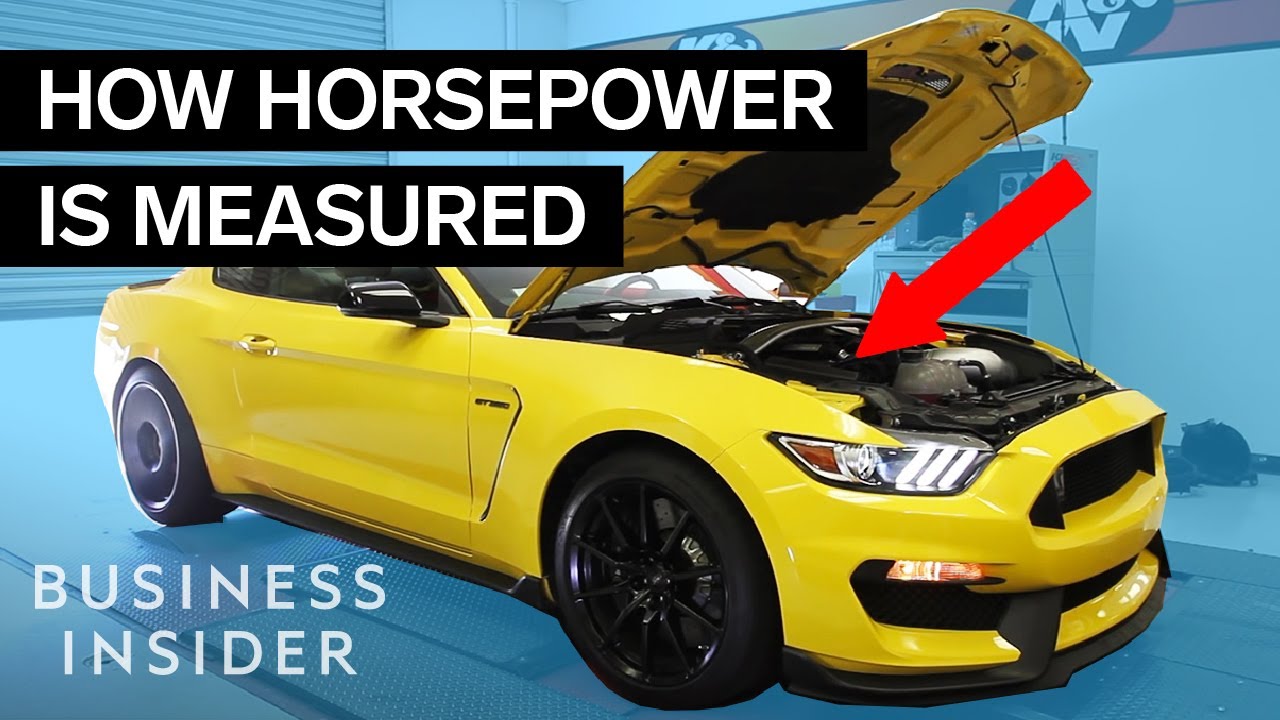
- Measured with the engine installed using a chassis dynamometer. It shows the power reaching the wheels.
When asking what does horsepower mean in cars, remember numbers can vary by test method. A twin-clutch car with 300 hp at the crank might show 260 hp at the wheels. Factors like the gearbox, differential, and accessories reduce the measured power.
Manufacturers often quote peak horsepower and the RPM where it occurs. Peak power is one instant value. Real engines make useful power across a range of RPMs.

Horsepower versus torque — why both matter
People confuse horsepower with torque. Here is the simple split:
- Torque
- A twisting force. It matters for how fast a car gets moving from a stop.
- Horsepower
- Torque times RPM, divided by a constant. It matters for how fast a car can keep accelerating as RPM rises.
If you want easy hill starts and towing, torque helps. If you want straight-line speed and top-end punch, horsepower matters more. When readers ask what does horsepower mean in cars, they often need to know how it pairs with torque for the kind of driving they do.
How horsepower affects real-world driving
Horsepower numbers can be useful but should not be the only factor. In practice:
- Acceleration
- More horsepower usually means faster 0–60 times, but weight plays a big role.
- Passing power
- Higher horsepower helps when you need to overtake on highways.
- Top speed
- Top speed is linked to horsepower after aerodynamic drag and gearing are considered.
- Daily driving
- You rarely use peak horsepower in traffic. Mid-range power and low-end torque shape the feel.
When evaluating what does horsepower mean in cars for your needs, compare power-to-weight ratios. A light car with moderate horsepower often feels quicker than a heavy car with more horsepower.
Conversions, units, and technical notes
Horsepower has several definitions:
- Mechanical horsepower
- Common in the U.S.; 1 hp ≈ 745.7 watts.
- Metric horsepower
- Slightly different; 1 metric hp ≈ 735.5 watts.
- Kilowatts
- Used in many countries. To convert, multiply hp by 0.746 to get kW.
Modern testing uses standardized cycles and controlled conditions. When you read what does horsepower mean in cars on a sticker or spec sheet, check whether the number is SAE certified or measured differently. Real-world conditions like temperature and altitude also change the effective power.

Dynos, peak power, and why numbers can be misleading
Dyno runs are common. But read these points:
- Peak vs. curve
- Peak horsepower is a single point. The power curve shows usable range.
- Environmental effects
- Heat and altitude can cut power by 10–25% or more.
- Tuning and mods
- Simple bolt-ons can change power. Proper tuning is key to realize gains.
When people ask what does horsepower mean in cars, they often assume higher equals better. I learned the hard way that chasing peak numbers without tuning and supporting parts can lead to poor driveability or engine trouble.

Common misconceptions and mistakes to avoid
Here are things I see often:
- Believing horsepower is everything
- Handling, brakes, and weight are as important as power.
- Comparing peak numbers only
- Two engines with the same peak hp can feel different due to torque and power band.
- Ignoring drivetrain loss
- Power at wheels is what moves the car, not crank hp.
- Expecting linear gains from mods
- Power grows in real shifts. Small mods can help, but big jumps need proper support.
Understanding what does horsepower mean in cars helps you avoid these mistakes. Use power figures as one tool, not the whole decision.

How to use horsepower when buying or tuning a car
Practical steps:
- Check power-to-weight ratio
- Divide horsepower by curb weight to compare cars fairly.
- Look at the power band
- Test drive at the speeds and RPMs you use every day.
- Consider purpose
- Daily commute, track, towing, or hauling require different power setups.
- Factor reliability and economy
- High peak horsepower often reduces fuel economy and can stress components.
My tip from years of testing: prioritize usable mid-range horsepower over headline peak numbers. It makes daily driving more enjoyable.
Personal experience and practical tips
I have driven compact cars, muscle cars, and tuned sports cars. Here are real lessons:
- A lightweight 200-hp hatchback beat a 300-hp heavy coupe in city runs because of power-to-weight and better gearing.
- On the highway, sustained horsepower mattered more than low-end torque for passing safely.
- Aftermarket tuning raised peak horsepower by 30% on one car but caused drivability issues until the fuel system and cooling were upgraded.
Practical tips:
- Test drive for feel, not just numbers.
- Use dyno results to confirm real gains after mods.
- Keep service records when modifying a car to maintain value and reliability.
PAA-style quick questions
What does horsepower mean in cars when comparing two vehicles?
- It shows relative engine power and helps estimate acceleration potential, but compare power-to-weight and torque too.
Does higher horsepower mean worse fuel economy?
- Often yes under hard acceleration. But modern engines can make more power while staying efficient at cruise.
How much horsepower do I need for daily driving?
- For most drivers 150–250 hp is plenty for safe highway passing and daily use. Your needs may vary with vehicle size.
Frequently Asked Questions of what does horsepower mean in cars
What does horsepower mean in cars versus torque?
Horsepower measures how fast an engine can do work. Torque measures the twisting force. Both work together; torque helps launch, while horsepower keeps acceleration at speed.
Is more horsepower always better?
More horsepower improves performance, but it is not always better for fuel economy, cost, or handling. Balance power with weight, brakes, and suspension for a complete package.
How is horsepower measured on a car?
Horsepower is measured on an engine dyno for crank figures or on a chassis dyno for wheel horsepower. Environmental factors and test methods affect the result.
Can modifications increase horsepower safely?
Yes, with proper tuning and supporting upgrades. Simple changes can yield gains, but major increases need fuel, cooling, and drivetrain upgrades to remain safe and reliable.
How does horsepower affect resale and insurance?
Higher horsepower can raise insurance costs and affect resale value depending on buyer demand. Sporty, high-power cars often carry higher premiums.
Conclusion
Horsepower answers the question of how much work an engine can do over time. Knowing what does horsepower mean in cars helps you pick, drive, and modify vehicles with confidence. Use horsepower with torque, weight, and real driving tests to get the full picture.
Takeaway: focus on usable power where you drive most, not just the headline number. Try a test drive, check power-to-weight, and compare wheel and crank figures when possible. If this helped, leave a comment, share your experiences, or subscribe for more practical car guides.